

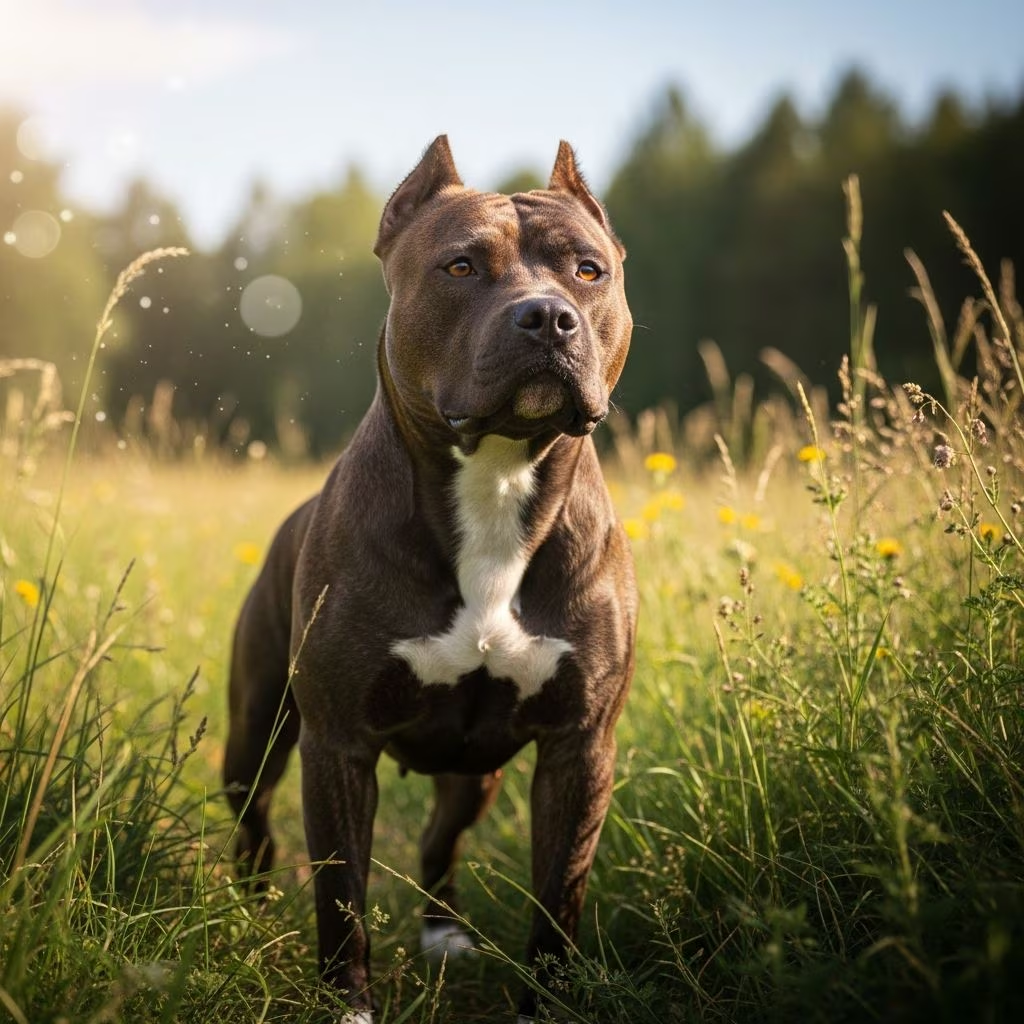
Pit Bulls are not a single breed but a generic term for several similar breeds including the American Pit Bull Terrier (APBT), American Staffordshire Terrier, and American Bully, known for their muscular build, loyalty, and affectionate nature.
A Crash Course in Pit Bull History
The history of Pit Bulls traces back to 19th-century United Kingdom, where they originated from crosses between Old English Bulldogs and terriers. These dogs were initially bred for bull-baiting, a cruel blood sport where dogs harassed tethered bulls for entertainment among the working classes.
Bull-baiting was outlawed in 1835 due to growing animal welfare concerns, leading breeders to cross Bulldogs with agile terriers to create smaller, faster dogs suited for ratting and, unfortunately, dog fighting. The term ‘Pit Bull’ derives from the pits used in ratting contests, where dogs competed to kill the most rats in the shortest time.
Selective breeding emphasized bite inhibition toward humans, as handlers needed to safely intervene during fights. Dogs that bit humans were often culled, fostering a reputation for human-friendliness despite their tenacity in dog-to-dog combat.
When immigrants brought these ‘bull-and-terrier’ dogs to America in the late 19th century, they transitioned into versatile working roles. Pit Bulls herded livestock, caught hogs, guarded farms, and protected families from threats. Their strength, intelligence, and loyalty made them invaluable on frontier farms.
By the early 20th century, Pit Bulls symbolized the American spirit—friendly, brave, hardworking, and resilient. They appeared in advertisements, posters, and even the White House with President Theodore Roosevelt. Famous Pit Bulls like Petey from The Little Rascals and Buster Brown reinforced their image as the ‘All-American Dog.’
In 1935, the United Kennel Club (UKC) recognized the American Pit Bull Terrier, while the American Kennel Club (AKC) registered them as Staffordshire Terriers (later American Staffordshire Terrier) to distance the breed from fighting connotations.
Post-World War II, underground dog fighting surged, and irresponsible breeding for profit linked Pit Bulls to crime and urban poverty. Media sensationalism amplified attacks by poorly bred or abused dogs, overshadowing their true nature.
Defining Pit Bull-Type Dogs: Which Breeds Count?
There is no official ‘Pit Bull’ breed recognized by major kennel clubs like the AKC. Instead, ‘Pit Bull’ describes a type encompassing four main breeds and mixes:
- American Pit Bull Terrier (APBT): UKC-recognized, athletic build, 30-60 lbs, known for versatility and gameness.
- American Staffordshire Terrier (AmStaff): AKC-recognized, stockier, 40-70 lbs, bred for show and companionship.
- Staffordshire Bull Terrier (Staffy): Smaller (24-38 lbs), affectionate ‘nanny dogs’ from England.
- American Bully: Modern breed, broader and more muscular, focused on companionship.
Visual identification is unreliable; DNA tests often reveal mixes. Breed-specific legislation (BSL) targets ‘Pit Bull types’ based on appearance, affecting millions of dogs.
| Breed | Weight Range | Height | Recognized By |
|---|---|---|---|
| APBT | 30-60 lbs | 17-21 in | UKC |
| AmStaff | 40-70 lbs | 17-19 in | AKC |
| Staffy | 24-38 lbs | 14-16 in | AKC/UKC |
| American Bully | 30-120 lbs | 13-21 in | UKC |
Pit Bull Temperament: Loving, Loyal, and Misunderstood
Pit Bulls are renowned for their affectionate, people-oriented nature. Early breeding selected for human-friendliness, making them poor guard dogs but excellent family companions. They thrive on human interaction and often greet strangers enthusiastically.
Key temperament traits include:
- Loyalty: Deep bonds with owners, often called ‘velcro dogs.’
- Affection: Gentle with children, earning the ‘nanny dog’ nickname (though supervision is always needed).
- Playfulness: High energy, loves games and cuddles.
- Sensitivity: Emotionally attuned, hurt by harsh treatment.
- Determination (Gameness): Tenacity from fighting heritage, redirected positively through training.
American Temperament Test Society (ATS) data shows Pit Bulls passing at 86-91%, outperforming many breeds like Golden Retrievers (85%). Aggression stems from poor breeding, abuse, or lack of socialization—not genetics.
Pit Bull Physical Characteristics
Pit Bulls feature a muscular, athletic build with smooth coats in various colors. Distinct traits:
- Head: Broad skull, strong jaws, expressive eyes.
- Body: Deep chest, tucked waist, powerful muscles.
- Coat: Short, low-maintenance, glossy.
- Tail: Medium length, carried low.
Sizes vary: classic APBTs are 30-55 lbs, while modern lines or Bullies can exceed 100 lbs. Females are typically smaller.
Caring for Your Pit Bull
Exercise Needs
Pit Bulls require 45-60 minutes of daily vigorous exercise: walks, runs, fetch, or agility. Mental stimulation prevents boredom-induced behaviors.
Training and Socialization
Start socialization early with positive reinforcement. They excel in obedience, therapy, and sports like weight pulling. Consistency counters stubbornness.
Nutrition and Grooming
Feed high-quality dog food (2-3 cups/day). Weekly brushing, nail trims, and ear cleaning suffice. Monitor for allergies.
Health Considerations
Common issues: hip dysplasia, allergies, heart conditions. Lifespan 12-14 years with proper care. Regular vet checkups essential.
Breed-Specific Legislation and Pit Bulls
BSL bans or restricts Pit Bull-types in many areas, based on appearance rather than behavior. Studies show BSL ineffective at reducing bites; responsible ownership is key. Advocacy groups fight for fair laws.
Common Pit Bull Myths Debunked
- Myth: Pit Bulls have locking jaws. False—no anatomical evidence.
- Myth: They’re inherently aggressive. ATS tests prove otherwise; environment matters.
- Myth: Bad with kids. Historically loving, but supervise all large breeds.
- Myth: Untrainable. Highly trainable with positive methods.
Frequently Asked Questions (FAQs)
Q: Are Pit Bulls good family dogs?
A: Yes, when responsibly bred, socialized, and trained, Pit Bulls are loving with families and children.
Q: How do I identify a Pit Bull?
A: Visual ID is unreliable; DNA testing is best. Many mixes resemble the type.
Q: Do Pit Bulls turn on their owners?
A: No, this myth lacks evidence. Loyalty is a hallmark trait.
Q: What’s the best way to exercise a Pit Bull?
A: Daily walks, play, and mental games for 60+ minutes.
Q: Are Pit Bulls legal everywhere?
A: No, check local BSL laws.
References
- Breed History – BADRAP — BADRAP. Accessed 2026. https://badrap.org/breed-info/
- The History of Pit Bulls — Love-A-Bull. Accessed 2026. https://love-a-bull.org/resources/the-history-of-pit-bulls/
- Pit bull — Wikipedia (references primary breed standards). Accessed 2026. https://en.wikipedia.org/wiki/Pit_bull
- The History of Pit Bulls: From Working Dogs to Misunderstood Heroes — Kennel to Couch. 2025-04. https://kenneltocouch.org/2025/04/the-history-of-pit-bulls-from-working-dogs-to-misunderstood-heroes/
- American Pit Bull Terrier Dog Breed — Nylabone. Accessed 2026. https://www.nylabone.com/dog101/american-pitbull-terrier
- A Short History of “Pit Bull” Breeds in America — LV Pet Scene. Accessed 2026. https://lvpetscene.com/a-short-history-of-pit-bull-breeds-in-america/



