

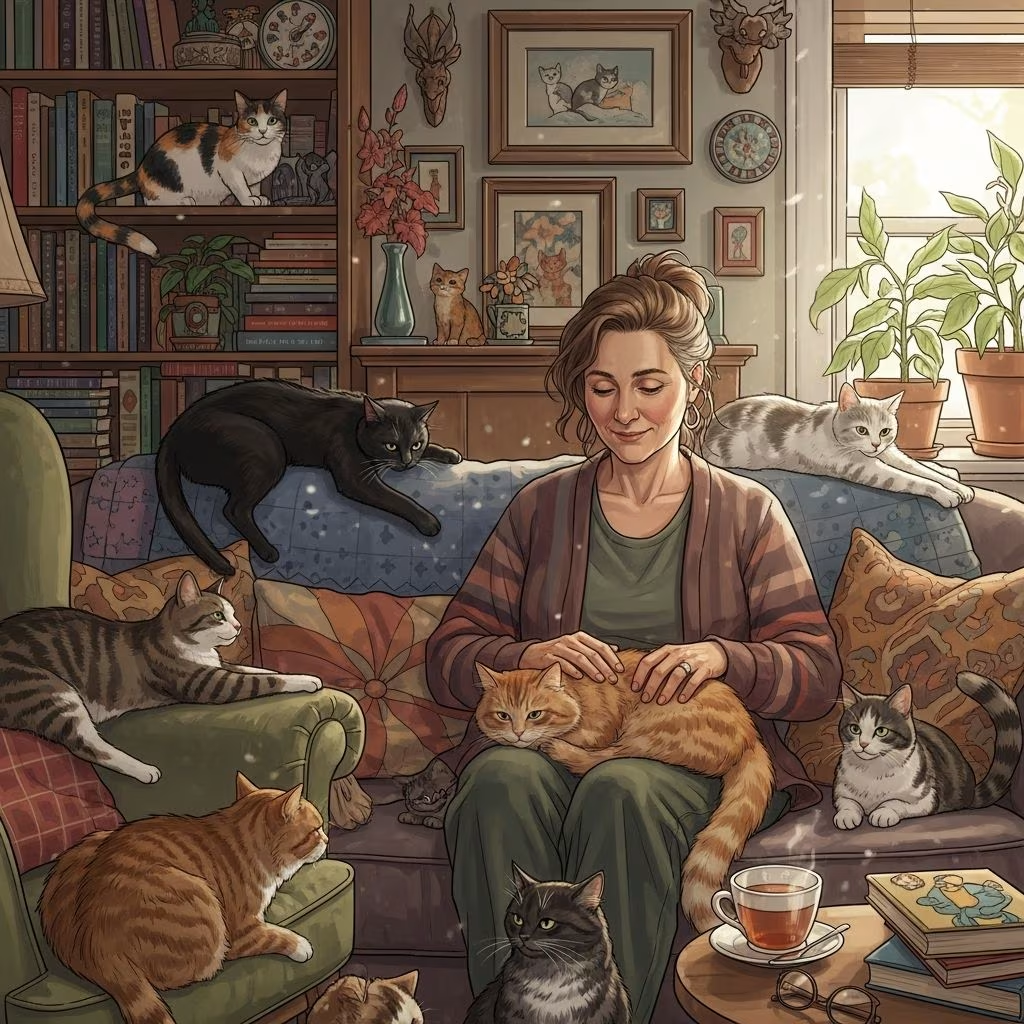
A **cat lady** is commonly understood as a woman, often portrayed as single or older, who owns multiple cats and derives significant companionship from them. This term carries both pejorative stereotypes and affectionate embraces, evolving from historical archetypes to a modern badge of honor for cat enthusiasts.
While the stereotype paints cat ladies as lonely or eccentric, data and cultural shifts reveal a more nuanced picture: many are socially fulfilled, mentally healthy individuals who simply prefer cats’ independent companionship. This article delves into the definition, history, traits, famous figures, and contemporary views on being a cat lady.
The Origins of the Cat Lady Stereotype
The **cat lady** archetype traces back centuries, linking women with cats in folklore, witchcraft accusations, and social commentary. In medieval Europe, women accused of witchcraft were often depicted with black cats as familiars, symbolizing independence or deviance from societal norms.
By the 19th and 20th centuries, the image shifted to the ‘spinster’ or ‘old maid’—an unmarried woman living alone with cats, as seen in games like Old Maid cards. This reinforced gender expectations: women without husbands or children were pitied or mocked, with cats as substitutes for human bonds.
In pop culture, the trope solidified post-World War II, associating cat ownership with widowhood or failed romance. Terms like ‘crazy cat lady’ emerged, implying mental instability or hoarding, though psychological experts note pet bonds can fulfill unmet social needs without pathology.
Modern Definition: More Than a Stereotype
Today, a **cat lady** is any woman (or person identifying as such) who loves cats deeply, regardless of marital status, age, or number of cats. The label has been reclaimed by influencers, celebrities, and everyday owners as a fun, empowering identity.
Research debunks isolation myths: cat owners, especially women, report strong social networks and lower loneliness when pets provide emotional support. Younger demographics, including millennials and Gen Z, are adopting cats at record rates, blending career focus with pet parenting.
Cats’ appeal lies in their low-maintenance affection—purring on laps without demanding constant interaction—making them ideal for busy, independent lifestyles. Studies show cats form stronger bonds with women, possibly due to higher empathy and calmer interactions.
Cat Lady Traits: Stereotypes vs. Reality
Common **cat lady traits** include owning multiple cats, prioritizing felines, and embracing quirky cat-themed decor. But stereotypes like loneliness or anti-social behavior are overstated.
- Lonely Spinster: Reality: Many cat ladies are in relationships or have robust friendships; cats complement, not replace, human connections.
- Crazy or Hoarding: Reality: True hoarding is a rare disorder affecting <1% of pet owners; most cat ladies maintain 2-5 well-cared-for cats.
- Anti-Dog or Introverted: Reality: Preference for cats often stems from lifestyle fit—apartments, allergies, or independence—not disdain for dogs.
- Cat Obsession: Reality: Embraced trait—collecting toys, sharing memes, and spoiling pets signals joy, not eccentricity.
Psychologically, cat ownership correlates with reduced stress and better mental health, as felines lower cortisol via purring (20-140 Hz frequencies mimic therapeutic vibrations).
How Many Cats Make You a Cat Lady?
There’s no magic number, but stereotypes kick in at 3+ cats. A table breaks down perceptions:
| Number of Cats | Stereotype Level | Reality Check |
|---|---|---|
| 1-2 | Low (just a cat lover) | Standard for many households; fulfills companionship needs. |
| 3-5 | Medium (entering cat lady territory) | Manageable with space/resources; common among enthusiasts. |
| 6+ | High (crazy cat lady risk) | Requires planning to avoid hoarding; focus on welfare. |
Ultimately, it’s attitude: proudly posting cat pics online cements the title.
Famous Cat Ladies Throughout History and Pop Culture
Iconic figures challenge the negative trope, showcasing **cat ladies** as powerful, creative, and beloved.
- Queen Victoria: Owned cats like Lively and a Siamese named Chow; her devotion started a royal trend.
- Martha Stewart: Began with adopted stray Chiggi; now has Calico Persians Empress Tang and Princess Peony on her farm.
- Catwoman (Selina Kyle): Fictional anti-heroine with cat Isis; embodies agility and allure, stealing Batman’s heart.
- Elisabeth Moss: Hulu star and advocate; shares her cats’ antics, blending fame with feline love.
- Taylor Swift: Known for cats Meredith, Olivia, and Benjamin; features them in videos, normalizing multi-cat life.
These women prove cat ladies succeed in business, arts, and romance, debunking isolation myths.
The Crazy Cat Lady Meme: Harmless Fun or Sexist Trope?
The **crazy cat lady meme**—images of disheveled women amid feline chaos—exploded online in the 2010s. Often humorous, it perpetuates sexism by shaming single women, implying childlessness equals failure.
Critics argue it enforces traditional roles: women must marry/reproduce or be pitied. Yet, reclamation thrives—hashtags like #CatLadyPride celebrate it. Data shows cat-owning women report high life satisfaction, countering ‘pathetic’ narratives.
Why Do Cats Like Women More?
Studies indicate cats bond preferentially with women, responding better to female voices and touch. Women’s higher oxytocin (bonding hormone) levels may enhance interactions, while calmer demeanors suit cats’ sensitivity to stress.
Older women particularly thrive: reduced mobility pairs with cats’ lap-sitting, providing purpose via care routines.
Cat Lady Pride: Embracing the Label
Modern **cat lady pride** flips the script: events like National Cat Lady Day (August 8) foster community. Online forums connect owners for advice, playdates, and support, building networks beyond stereotypes.
Benefits include lower blood pressure, anxiety relief, and joy from purrs. Environmentally, adopting strays aids population control.
Frequently Asked Questions (FAQs)
What defines a cat lady?
A woman who loves cats, often owning multiple, embracing the identity playfully or proudly—far beyond outdated stereotypes.
Is the cat lady stereotype sexist?
Yes, it often shames single/childless women, ignoring fulfilled lives and pet bonds’ mental health benefits.
How many cats is too many?
No fixed number; prioritize welfare. 3-5 is common for enthusiasts; monitor for hoarding signs like poor care.
Are cat ladies lonely?
No—many have rich social lives; cats provide complementary companionship, reducing isolation.
Can men be cat ladies?
Absolutely—the term evolves to ‘cat person’; gender norms are fading.
Conclusion: Reclaiming the Cat Lady Crown
The **cat lady** label has journeyed from witch to spinster to empowered icon. In 2026, it’s a celebration of independence, empathy, and feline magic. Whether you have one cat or ten, own the vibe—cats choose their humans wisely.
References
- Cat lady – Wikipedia — Wikipedia contributors. 2024-01-01. https://en.wikipedia.org/wiki/Cat_lady
- What Makes a Lady With Cats a “Cat Lady”? — Psychology Today. 2025-02-01. https://www.psychologytoday.com/us/blog/invisible-bruises/202502/who-exactly-is-a-cat-lady
- Cat Lady: Stereotypes Debunked + Which Iconic Cat Person Are You? — Total Vet. 2024-06-15. https://total.vet/cat-lady/
- Lonely, “crazy”, childless cat ladies? The data suggest otherwise — American Animal Hospital Association (AAHA). 2024-09-01. https://www.aaha.org/trends-magazine/publications/lonely-crazy-childless-cat-ladies-the-data-suggest-otherwise/
- Make “Cat Lady” Cool: Unpacking Tropes and Stereotypes — Felix Cat Insurance. 2024-08-08. https://www.felixcatinsurance.com/blog/history-of-cat-lady-stereotype/
- cat lady | Pop Culture — Dictionary.com. 2024-01-01. https://www.dictionary.com/culture/pop-culture/cat-lady
- How the ‘Crazy’ Cat Lady Became One of Pop Culture’s Most Enduring Sexist Tropes — KQED. 2024-01-01. https://www.kqed.org/arts/13891913/how-the-crazy-cat-lady-became-one-of-pop-cultures-most-enduring-sexist-tropes



