

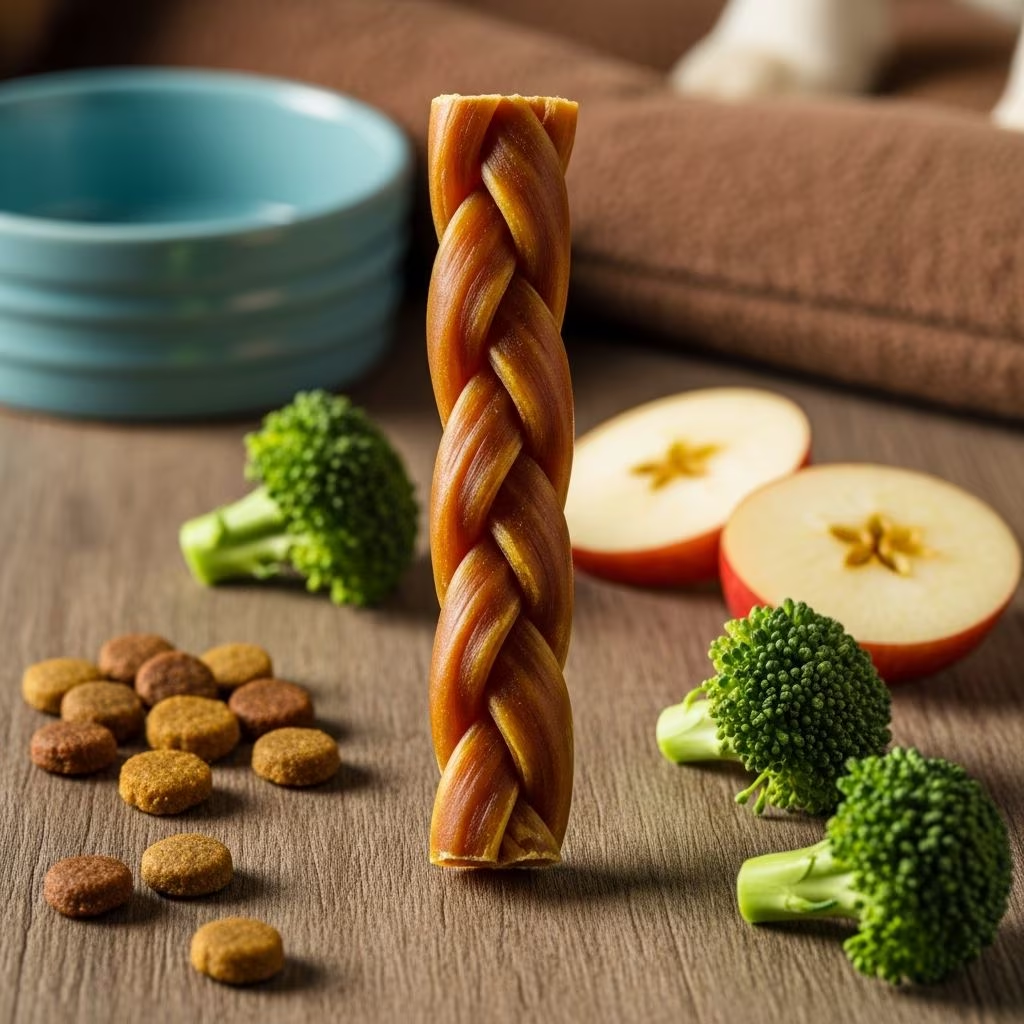
What Is a Bully Stick? Understanding Your Dog’s Favorite Chew
Bully sticks are one of the most popular long-lasting dog chews on the market, loved by pet owners and dogs alike for their natural composition and numerous health benefits. But what exactly are bully sticks? Understanding their origin and composition can help you make informed decisions about your dog’s treat selections. A bully stick is a dehydrated chew made from the pizzle of bulls or steers, which is the anatomically correct term for the penis muscle of the animal. This might sound unusual, but it’s actually a completely natural and highly nutritious dog treat that has been used for decades as a wholesome alternative to synthetic chews.
The process of creating bully sticks involves slowly dehydrating the beef pizzle, which transforms it into the long-lasting, chewy treat that dogs find irresistible. Being a single-ingredient treat composed entirely of beef muscle, bully sticks are 100% natural with no artificial additives, preservatives, or chemicals. This single-ingredient approach makes them an excellent choice for dogs with sensitive stomachs or those requiring special dietary considerations.
The Nutritional Composition of Bully Sticks
One of the primary reasons bully sticks have gained such widespread popularity among dog owners is their impressive nutritional profile. These treats pack a significant protein punch while remaining relatively low in fat compared to other dog chews and treats available on the market. Understanding the nutritional breakdown of bully sticks can help you appreciate why veterinarians often recommend them as part of a balanced treat regimen.
Protein Content and Muscle Development
Bully sticks are primarily composed of protein, making them an excellent choice for maintaining and developing your dog’s muscle mass. A typical 6-inch bully stick contains approximately 16 grams of protein, providing a substantial protein boost in a convenient chew format. This high protein content is particularly beneficial for dogs descended from wolves, whose ancestral diet involved consuming large amounts of animal protein. Dogs today still thrive on protein-rich diets, and bully sticks offer a natural way to support their nutritional needs while providing entertainment and dental benefits.
Fat Content and Weight Management
Despite being packed with protein, bully sticks remain relatively low in fat compared to many other dog treats. This unique combination makes them an ideal choice for dogs that need to maintain a healthy weight or for owners looking to manage their pet’s caloric intake while still providing satisfying chew experiences. The fat that is present in bully sticks comes from high-quality beef sources and provides essential nutrients for skin and coat health.
Digestibility and Nutrient Absorption
The slow dehydration process used to create bully sticks helps retain valuable nutrients while producing a treat that is exceptionally digestible. Being made entirely of beef muscle, they break down completely in your dog’s digestive system without causing blockages or leaving undigested residue. This high digestibility is a critical distinction that separates bully sticks from other chew options like rawhide, which can be difficult to digest and may pose risks of intestinal obstruction.
Calorie Content: Understanding Portion Control
A common question among dog owners is how many calories their dogs are consuming through bully stick treats. This is an important consideration for maintaining your pet’s overall health and preventing obesity-related health complications. The calorie content of bully sticks varies depending on their length and thickness, but understanding these numbers helps you incorporate them properly into your dog’s daily dietary plan.
Calorie Breakdown by Size
A standard 6-inch bully stick contains between 80 to 130 calories, with an average of approximately 87 to 88 calories. Longer 12-inch bully sticks contain between 180 to 240 calories, with an average of around 195 calories. As a general guideline, bully sticks contain approximately 10 to 20 calories per inch of length. These calorie amounts are significant considerations when planning your dog’s daily nutrition, as they can represent a substantial portion of your pet’s daily caloric needs, particularly for smaller dogs.
How Bully Stick Calories Impact Small vs. Large Dogs
The impact of bully stick calories varies dramatically depending on your dog’s size. For a 50-pound dog, a 6-inch bully stick with 88 calories represents only about 9 percent of its daily dietary requirements. However, for a 10-pound dog, the same 6-inch bully stick represents a whopping 30 percent of its daily caloric needs. This significant difference highlights the importance of considering your individual dog’s size and caloric requirements when deciding whether to give a bully stick and how frequently to offer them.
The 10% Rule for Treats
Veterinarians and pet nutritionists consistently recommend that commercial and human-food treats should make up no more than 10 percent of a dog’s daily or weekly caloric intake. This means that if your dog requires 1,000 calories per day, treats including bully sticks should not exceed 100 calories. Following this guideline helps prevent unintentional overfeeding and weight gain while still allowing your dog to enjoy special treats. When you give your dog a bully stick, you should adjust their regular meal portions accordingly to stay within this 10 percent guideline.
Key Health Benefits of Bully Sticks
Beyond their delicious taste and long-lasting chewing experience, bully sticks offer several important health benefits that make them a worthwhile addition to your dog’s treat rotation when given appropriately and in moderation.
Dental Health Improvements
One of the most significant benefits of bully sticks is their positive impact on your dog’s dental health. The act of chewing on a bully stick helps reduce plaque and tartar buildup on your dog’s teeth, promoting better overall oral hygiene and fresher breath. This mechanical cleaning action can contribute to improved dental health over time, reducing the risk of periodontal disease and other dental complications. Many dogs enjoy bully sticks for extended periods, providing sustained chewing that maximizes the dental benefits.
Mental Stimulation and Behavioral Benefits
Chewing is a natural and essential part of a dog’s well-being, both mentally and physically. Bully sticks provide extended chewing opportunities that keep dogs mentally engaged and satisfied, helping to reduce boredom and the destructive behaviors that often accompany it. A dog that is occupied with a satisfying chew is less likely to engage in unwanted behaviors such as excessive barking, furniture destruction, or obsessive behavior patterns. The act of chewing is also naturally calming for dogs, providing stress relief and emotional regulation.
High Digestibility for Sensitive Stomachs
Dogs with sensitive stomachs or special dietary requirements benefit significantly from bully sticks’ exceptional digestibility. Unlike many commercial treats that contain fillers, by-products, and artificial ingredients, bully sticks are pure beef muscle that breaks down completely in the digestive system. This makes them suitable for dogs with food sensitivities or allergies to grains and other common allergens. Their single-ingredient composition means fewer potential triggers for digestive upset.
Natural Source of Taurine
Bully sticks contain high levels of taurine, an amino sulphonic acid that is essential for fat digestion and heart health in dogs. This naturally occurring nutrient supports cardiovascular function and overall metabolic health. Unlike synthetic supplements, the taurine in bully sticks comes from a natural source, making it easier for your dog’s body to absorb and utilize effectively.
Are Bully Sticks a Treat or a Meal Replacement?
A frequently asked question among dog owners is whether bully sticks should be considered treats or meal replacements. The answer is straightforward: bully sticks are treats, not meal replacements, despite their calorically dense nature. While they are nutritious and contain high-quality protein, they are not nutritionally complete and balanced foods. Your dog’s regular meals should provide 100 percent of the nutrients your dog needs for optimal health and wellbeing.
Bully sticks should be viewed as a supplement to a balanced diet, not as a substitute for proper nutrition. When offering a bully stick to your dog, you should adjust their regular meal portions on that day to account for the additional calories and maintain appropriate caloric balance. This approach allows your dog to enjoy the benefits and pleasure of a bully stick without disrupting their nutritional balance or contributing to weight gain.
Safety Considerations for Bully Stick Feeding
While bully sticks are generally safe for most dogs, responsible feeding practices ensure the best outcomes and minimize any potential risks. Understanding proper safety protocols helps you provide your dog with an enjoyable and secure chewing experience.
Supervision During Chewing
Always supervise your dog while they are chewing on a bully stick, particularly as the stick becomes smaller and approaches the point where it could pose a choking hazard. As your dog chews and reduces the bully stick to smaller pieces, the risk of swallowing larger chunks increases. By maintaining supervision, you can intervene if necessary and remove the stick when it becomes too small to chew safely. Most dogs naturally consume the entire bully stick if allowed to do so, and supervision ensures this process remains safe.
Appropriate for Most Dogs
Bully sticks are safe for most dog breeds and sizes when given appropriately and under supervision. However, if your dog has specific dietary concerns or health conditions, consulting with your veterinarian before introducing bully sticks is a wise precaution. Dogs with compromised immune systems, certain gastrointestinal conditions, or allergies may require special consideration before adding new treats to their diet.
Preventing Weight Gain
If given in excess, bully sticks can contribute to weight gain in dogs, particularly in smaller breeds where they represent a larger percentage of daily caloric intake. To prevent unintended weight gain, limit bully sticks to no more than 10 percent of your dog’s daily caloric intake and consider them as part of your dog’s overall treat allowance. On days when your dog receives a bully stick, reduce their regular meals accordingly and limit other treats to prevent exceeding daily caloric targets.
How Often Should You Give Your Dog a Bully Stick?
The frequency of bully stick treats depends on your individual dog’s size, age, activity level, and overall health status. For most dogs, offering one bully stick per day is a reasonable guideline, though this can be adjusted based on your dog’s specific needs. Smaller dogs or those with weight management concerns might do better with bully sticks offered less frequently, perhaps several times per week rather than daily.
Remember that bully sticks are treats, not essential dietary components. Many dogs can thrive perfectly well without regular bully stick treats, so frequency should be based on your pet’s individual circumstances and your personal preferences as a pet owner. Some owners use bully sticks as occasional special rewards, while others incorporate them into a regular treat rotation. The key is maintaining balance and ensuring they do not contribute to excessive calorie consumption.
Comparing Bully Sticks to Other Dog Chews
| Chew Type | Digestibility | Protein Content | Fat Content | Price Range | Safety Profile |
|---|---|---|---|---|---|
| Bully Sticks | Fully digestible | High (16g per 6″) | Low | Moderate to High | Very Safe |
| Rawhide | Difficult to digest | Moderate | Low | Low | Risk of obstruction |
| Synthetic Chews | Variable | Low | Moderate | Low to Moderate | Variable |
| Natural Bones | Variable | High | Moderate | Low to Moderate | Risk of splintering |
Frequently Asked Questions About Bully Sticks
Q: What exactly is a bully stick made of?
A: A bully stick is made from the dehydrated pizzle (penis muscle) of bulls or steers. It is 100% natural beef with no artificial additives, preservatives, or chemicals. Being a single-ingredient treat, it is entirely composed of beef muscle.
Q: How many calories are in a bully stick?
A: A 6-inch bully stick contains approximately 80-130 calories (averaging 87-88 calories), while a 12-inch bully stick contains approximately 180-240 calories (averaging 195 calories). The exact amount depends on the thickness and brand of the stick.
Q: Are bully sticks safe for all dogs?
A: Most dogs can safely enjoy bully sticks when supervised. However, always consult with your veterinarian if your dog has specific dietary concerns, allergies, or health conditions. Supervision during chewing is essential, particularly as the stick becomes smaller.
Q: Can bully sticks cause weight gain?
A: Yes, if given in excess, bully sticks can contribute to weight gain. They should make up no more than 10% of your dog’s daily caloric intake. Adjust regular meals on days when your dog receives a bully stick to maintain caloric balance.
Q: Are bully sticks a complete meal replacement?
A: No, bully sticks are treats, not meal replacements. While nutritious and high in protein, they are not nutritionally complete and balanced. Your dog’s regular meals should provide 100% of the nutrients your dog needs.
Q: How often should I give my dog a bully stick?
A: Most dogs can have one bully stick per day, though frequency should be adjusted based on your dog’s size, age, and overall health. Some dogs may do better with bully sticks offered several times per week rather than daily.
Q: What are the main health benefits of bully sticks?
A: Bully sticks provide several benefits including improved dental health through plaque reduction, mental stimulation and behavioral enrichment, high digestibility for sensitive stomachs, and a natural source of taurine for heart health. They also provide sustained chewing that reduces destructive behaviors caused by boredom.
Q: Are bully sticks better than rawhide chews?
A: Yes, bully sticks are generally considered superior to rawhide. They are fully digestible and do not splinter or cause obstruction risks like rawhide can. Bully sticks are also more nutritious with higher protein content and lower potential for digestive complications.
References
- Are Bully Sticks a Treat or Meal Replacement? — Bow Wow Labs. 2024. https://www.bowwowlabs.com/blogs/news/bully-sticks-treat-or-meal-replacement
- What Are Bully Sticks and Why Are They Expensive? — Bonza Dog Treats. 2024. https://www.bonzadogtreats.com.au/blogs/news/bully-sticks-what-are-they-and-why-are-they-expensive
- The Benefits of Bully Sticks for Dogs — Pawstruck. 2024. https://www.pawstruck.com/blogs/pawstruck-press/the-benefits-of-bully-sticks-for-dogs
- How Many Calories Are in a Bully Stick? A Comprehensive Guide for Pet Owners — Houndsy. 2024. https://www.houndsy.com/blogs/modern-tails/how-many-calories-are-in-a-bully-stick-a-comprehensive-guide-for-pet-owners
- How Many Calories Are In A Bully Stick? — Bully Bundles. 2024. https://blog.bullybundles.com/how-many-calories-are-in-a-bully-stick/
- Nutritional and Microbial Analysis of Bully Sticks and Survey of Commercially Available Treats — National Center for Biotechnology Information (NCBI/PMC). 2012. https://pmc.ncbi.nlm.nih.gov/articles/PMC3524813/
- The Fattening Potential of Bully Sticks for Dogs — Natural Farm Pet. 2024. https://www.naturalfarmpet.com/blogs/all/the-fattening-potential-of-bully-sticks-for-dogs



