

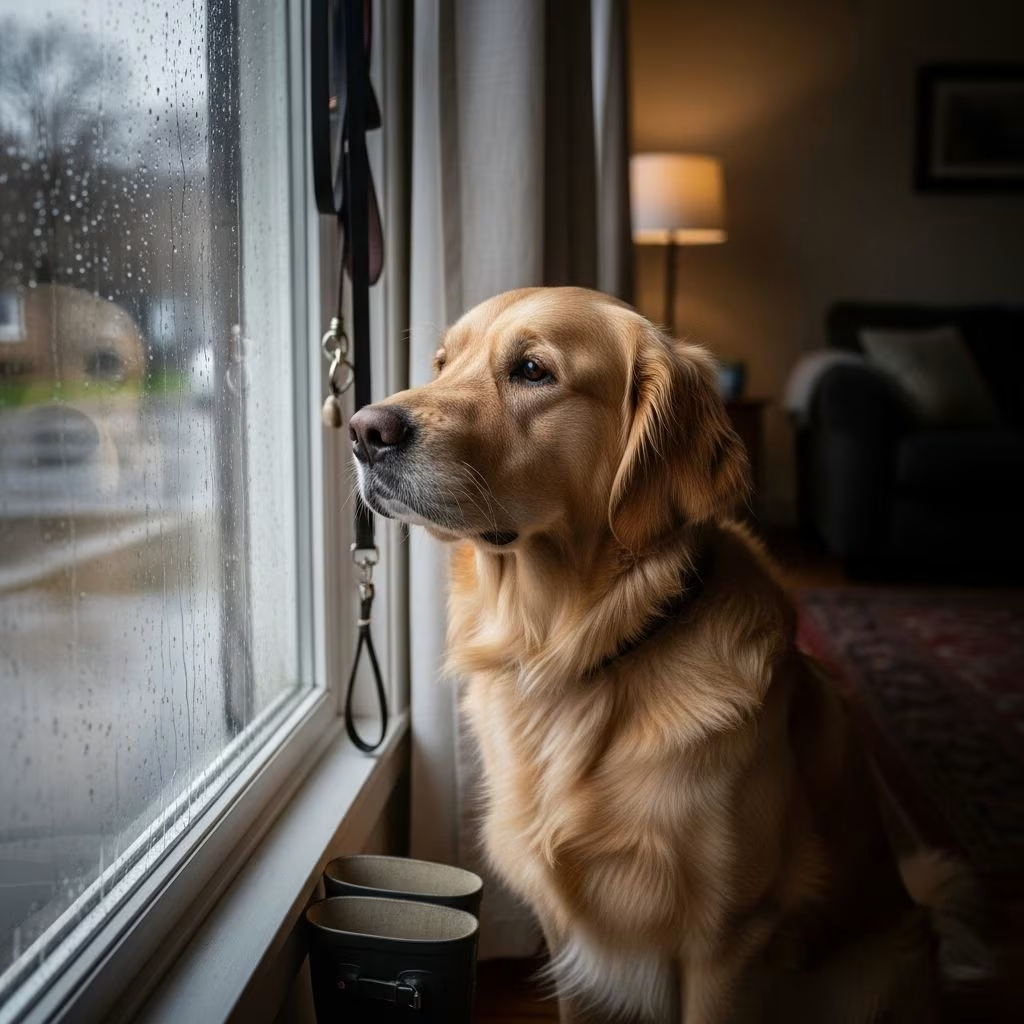
Dogs thrive on routine physical activity, and regular walks are a cornerstone of their health and happiness. Skipping walks can lead to a cascade of physical, behavioral, and emotional issues for your canine companion. While life gets busy, understanding the consequences empowers pet parents to find balanced alternatives that meet their dog’s needs without mandatory daily outings.
Physical Health Impacts of Skipping Walks
Without regular walks, dogs miss out on essential cardiovascular exercise, which maintains heart health and prevents obesity. A sedentary lifestyle increases risks for joint problems, muscle atrophy, and metabolic disorders. Studies show that dogs, like humans, benefit from consistent movement to regulate weight and strengthen bones. For high-energy breeds, lack of activity can lead to frustration manifested physically.
- Weight gain: Reduced calorie burn leads to fat accumulation, straining joints and organs.
- Muscle loss: Inactivity weakens muscles, reducing mobility over time.
- Cardiovascular decline: Poor circulation heightens risks of heart disease.
Breeds like Labradors or Border Collies, bred for work, suffer most without outlets for energy expenditure.
Behavioral Consequences
Boredom from skipped walks often translates to destructive behaviors. Dogs may chew furniture, dig excessively, or become hyperactive indoors. Lack of mental stimulation during walks—sniffing scents and exploring—frustrates their natural instincts, leading to anxiety or aggression.
- Excessive barking: Frustration vocalized through constant noise.
- Destructive chewing: Stress relief through inappropriate outlets.
- Hyperactivity or lethargy: Pent-up energy causes zooming or depression-like withdrawal.
Research from animal behaviorists indicates that routine walks provide environmental enrichment, reducing stress hormones like cortisol.
Mental and Emotional Effects
Dogs are social animals, and walks facilitate interactions that combat loneliness. Without them, isolation grows, especially in urban settings. Walks offer sensory input—new smells, sights, sounds—that stimulates cognitive function, preventing cognitive decline akin to dementia in seniors.
Autoethnographic accounts highlight how lockdown periods without park visits led to “proximal loneliness” in dogs, yearning for pack-like interactions with other dogs and owners. Anchored relationships formed through repeated park encounters foster community and emotional security for both dogs and humans.
Socialization Risks
Regular walks expose dogs to diverse stimuli, building confidence and manners. Skipping them hinders socialization, making dogs fearful or reactive later. Puppies especially need these exposures to develop into well-adjusted adults. Dog walking etiquette emphasizes leashed interactions to build positive associations.
Alternatives to Traditional Walks
Not every day suits a long walk due to weather, work, or health. Indoor and backyard options provide equivalent benefits. Focus on duration, intensity, and variety to match your dog’s breed and age.
Indoor Exercise Ideas
- Hide-and-Seek: Hide treats around the house; encourages sniffing and problem-solving.
- Tug-of-War or Fetch: Use soft toys in hallways for short bursts of cardio.
- Stair Workouts: Up-and-down stairs mimics hill walks for endurance.
- Obstacle Courses: Arrange cushions, tunnels from boxes for agility training.
Winter-specific activities like puzzle toys and training sessions keep dogs entertained indoors.
Backyard Enrichment
If space allows, create a stimulation zone with dig pits, scent gardens, or agility equipment. Rotate toys to maintain novelty.
| Activity | Duration | Benefits | Suitable Breeds |
|---|---|---|---|
| Fetch | 15-30 min | Cardio, focus | Retrievers, Spaniels |
| Puzzle Toys | 20 min | Mental stim | All breeds |
| Flirt Pole | 10-15 min | Agility, prey drive | Hounds, Terriers |
| Swimming (pool/kiddie) | 20 min | Low-impact joints | Large breeds |
Mental Stimulation Over Physical
Sometimes, brain games trump miles walked. Training sessions teaching new tricks release endorphins. Food-dispensing toys like Kongs filled with kibble promote calm foraging, mimicking walk sniffing.
Experts stress reciprocity in pet relationships: balance activity with cuddles to avoid disconnection.
When Walks Are Impossible
Illness, bad weather, or mobility issues necessitate adaptations. Hire dog walkers or use apps for group walks. Senior dogs benefit from gentle indoor yoga or massage. Monitor for signs of distress like pacing or whining, adjusting routines promptly.
Expert Tips for Balanced Routines
- Combine short walks with indoor play for hybrid days.
- Track activity with fitness collars to ensure minimum daily steps.
- Rotate activities weekly to prevent boredom.
- Consult vets for breed-specific needs.
Multispecies justice perspectives underscore walks as ethical moments strengthening human-dog bonds through shared spaces.
Frequently Asked Questions (FAQs)
Q: How long can I skip walks before issues arise?
A: Depends on breed; high-energy dogs show signs in 1-2 days, while low-energy may tolerate 3-4. Monitor behavior closely.
Q: Are indoor activities as good as walks?
A: They can be equivalent if varied and intense, providing physical and mental outlets.
Q: What if my dog hates walks?
A: Use positive reinforcement, short sessions, or harnesses. Alternatives like treadmill training help.
Q: How much exercise does my dog really need?
A: 30-120 minutes daily, split into sessions, tailored to age, breed, and health.
Q: Can mental games replace physical exercise?
A: Partially; they tire dogs mentally, reducing destructive energy, but combine with light physical activity.
Building Stronger Bonds Without Walks
While walks are ideal, creativity fosters deeper connections. Playdates in safe spaces replicate social benefits. Prioritize quality over quantity in exercise to keep your dog thriving.
Dog ownership enhances human community ties via routine outings, but indoor reciprocity sustains kinship. Adhering to etiquette ensures positive interactions when walks resume.
References
- Dog Parents Have Better Relationships With Their Neighbors — Kinship. 2023-10-01. https://www.kinship.com/news/dogs-owners-more-connected-to-neighbors
- 4 Ground Rules for Good Dog Walking Etiquette — Kinship. 2023-01-15. https://www.kinship.com/dog-lifestyle/dog-walking-etiquette
- Realizing multispecies justice: a (dog) walk in the park? — Taylor & Francis. 2024-06-12. https://www.tandfonline.com/doi/full/10.1080/16078055.2024.2355138
- More-than-human kinship against proximal loneliness — NIH/PMC. 2022-02-15. https://pmc.ncbi.nlm.nih.gov/articles/PMC8863920/
- Walking the Dog Doesn’t Have to Be a Chore — Kinship. 2023-05-20. https://www.kinship.com/dog-lifestyle/dog-walking-alternatives
- 8 fun ways to keep your dog entertained indoors — KEYT/Stacker. 2026-01-06. https://keyt.com/lifestyle/stacker-lifestyle/2026/01/06/8-fun-ways-to-keep-your-dog-entertained-indoors-when-its-freezing-outside/



