

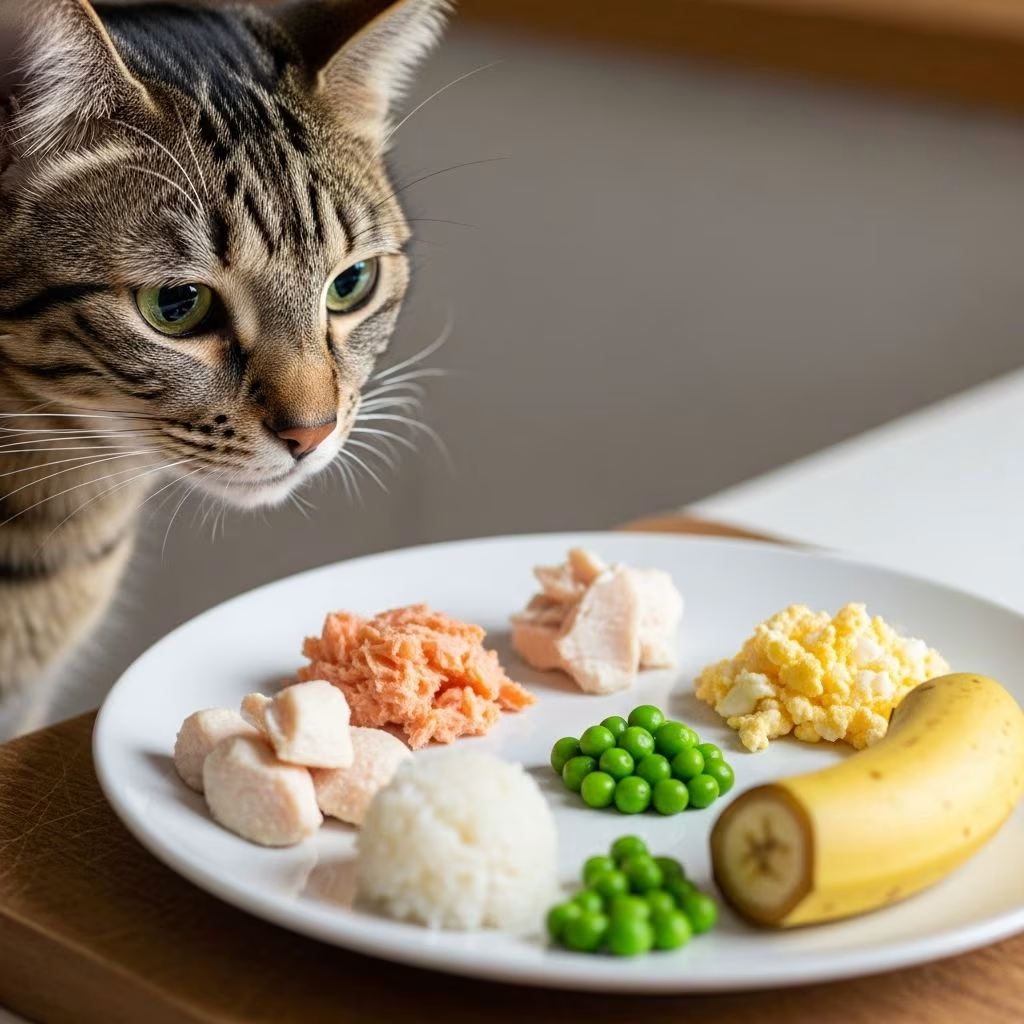
What Human Foods Can Cats Eat?
As a cat owner, you may occasionally wonder if your feline companion can enjoy some of the foods you eat. While cats are obligate carnivores and require a diet primarily based on meat, there are several human foods that can be safely offered as treats in moderation. Understanding which foods are safe, how to prepare them, and the appropriate portion sizes is essential for maintaining your cat’s health and well-being. This comprehensive guide explores the human foods that are safe for cats, proper preparation methods, and foods that should be avoided entirely.
Understanding Your Cat’s Dietary Needs
Cats are obligate carnivores, meaning they have evolved to derive most of their nutritional requirements from animal-based proteins. Unlike humans or even dogs, cats cannot synthesize certain essential amino acids and nutrients from plant-based sources alone. Their digestive systems are designed to maximize the extraction of nutrients from meat. When introducing any human food to your cat’s diet, it’s crucial to remember that these should only supplement a nutritionally complete commercial cat food, not replace it. Always consult your veterinarian before adding new foods to your cat’s diet, especially if your cat has any underlying health conditions.
Safe Proteins: Meats Your Cat Can Enjoy
Meat is the safest and most nutritious category of human foods for cats. When offering meat to your feline friend, follow these essential guidelines: always cook the meat thoroughly, remove all bones and skin, avoid adding seasonings, herbs, or oils, and never feed raw meat.
Chicken and Turkey
Chicken and turkey are excellent choices for cats and rank among the most popular protein sources in commercial cat foods. These lean poultry options are high in protein and relatively low in calories, making them ideal treats. Chicken contains slightly more protein per ounce than turkey and provides vitamin B6, selenium, phosphorus, and omega-6 fatty acids. Always bake or boil poultry thoroughly, removing all skin and bones. Avoid deep frying or adding any seasonings. A 1-inch cube of well-cooked chicken or turkey serves as an appropriate daily treat for a healthy cat.
Fish
Fish is a traditional favorite among cats and can be a healthy treat when prepared correctly. Most varieties of fish are safe when thoroughly cooked with skin and bones removed. Oily fish varieties such as mackerel and tuna are particularly beneficial, as they’re rich in omega-3 fatty acids, which can help cats with arthritis or kidney disease. White fish such as cod or sole lack these specific benefits. Tinned tuna stored in water (not oil) is also a convenient option for occasional treats.
Beef
Beef is a popular and safe protein choice for healthy cats. Select lean varieties, remove all bones and extra fat, and cook the meat completely through without any added flavorings. A 1-inch cube of well-cooked beef is an appropriate daily snack for a healthy feline.
Other Meat Options
Cooked lamb and small amounts of lean deli meats can occasionally be offered to cats. However, bacon and ham should be reserved for rare occasions due to their high fat and salt content. Always prioritize plain, unseasoned meat to avoid digestive upset.
Eggs: A Protein-Rich Treat
Cooked eggs are an excellent source of protein for cats and can be offered as an occasional treat. Eggs provide essential amino acids and nutrients that support your cat’s health. Always ensure eggs are cooked thoroughly before serving, and avoid adding salt, butter, or seasonings. A small portion of plain scrambled or boiled egg is appropriate for most cats.
Vegetables: Nutritious but Limited
While cats are carnivores and don’t require vegetables, some felines enjoy certain vegetables in moderation. Vegetables should represent a minimal portion of your cat’s diet and should always be cooked to improve digestibility and reduce choking risks.
Carrots
Carrots are rich in beta-carotene, which supports eye and coat health, and contain fiber beneficial for digestion. Always peel and cook carrots, then cut into small pieces. Serve only small amounts as an occasional treat to prevent digestive issues.
Broccoli
Cooked, pureed broccoli is safe for cats and provides vitamin C, carotenoids, and dietary fiber. Steaming broccoli softens it for easier digestion while retaining nutrients. Broccoli may help normalize stool in cats experiencing constipation or diarrhea. Offer only a ½-inch cube of cooked broccoli once or twice per week.
Peas
Cats can safely consume cooked, pureed peas as a source of vitamins A and C, plus potassium. Peas can be steamed, boiled, or baked without any salt, butter, or toppings. Keep portions minimal—three to four peas offered once or twice per week is appropriate. Monitor your cat for any signs of vomiting or diarrhea.
Green Beans
Cooked green beans are safe for cats and can be offered in small quantities. Ensure they are plain and unseasoned.
Potatoes
Many cats enjoy potatoes, and they are rich in vitamins B and C, plus potassium. However, raw potatoes contain solanine, a toxin harmful to cats. Always peel and cook potatoes thoroughly through boiling or baking, serving them plain. Avoid fried potatoes due to high fat content. Serve only moderate amounts as an occasional treat.
Cucumber
Cucumber contains vitamins C and K, magnesium, and high water content, making it ideal for overweight cats. Peel and cut into thin strips before offering to your cat.
Fruits: Sweet Treats in Moderation
Certain fruits can be offered to cats as occasional treats, though the nutritional benefit is minimal due to the small quantities cats consume. Always remove seeds and hard skin, and serve in small portions.
Strawberries and Blueberries
Strawberries are rich in vitamin C, potassium, folate, and fiber, while blueberries contain antioxidants and vitamins A, C, E, and K. However, the amounts cats eat are so small that nutritional benefits are minimal. If your cat enjoys them, limit strawberries to half of a small berry per week, and blueberries to four or five berries per week.
Bananas
Some cats enjoy bananas, which contain vitamins B6 and C, plus potassium. However, bananas are rich in carbohydrates and sugars, making them unsuitable for cats with diabetes or intestinal disorders. If your veterinarian approves, limit portions to one ¼-inch slice per week, provided it doesn’t cause digestive upset.
Melons
Watermelon, cantaloupe, and honeydew are more than 90% water and contain vitamins A, B, C, and potassium. These melons positively affect your cat’s water balance. Always remove the hard outer skin and seeds before serving in small amounts.
Cranberries
Cranberries are rich in vitamin C, magnesium, and dietary fiber. Cats can safely consume a few cranberries in raw or cooked form, but avoid cranberry sauce or juice, which are high in sugar and may cause stomach upset.
Special Foods for Health Support
Pumpkin
Pumpkin is a unique human food often prescribed for cats with stool problems due to its high fiber content and mild taste. Pureed pumpkin without added spices can treat both diarrhea and constipation in cats. For healthy cats, one tablespoon of pureed pumpkin a few times per week is appropriate. Never feed raw pumpkin, which is difficult to digest and may cause obstruction. Avoid pumpkin with added butter, salt, herbs, or spices. Always consult your veterinarian for guidance on appropriate amounts for your specific cat.
Sweet Potatoes
Cooked sweet potatoes are a tasty, high-fiber snack providing potassium and vitamins A and C. Boiling sweet potatoes and creating a puree makes an excellent food topper. Keep portions small—less than one tablespoon—to prevent digestive issues.
Whole Grains
Cooked whole grains such as brown rice and oatmeal are safe for cats in moderation. These should represent only a small portion of your cat’s diet and should be plain and unseasoned.
Foods Cats Should Never Eat
Several human foods are toxic to cats and should be avoided entirely. Chocolate contains theobromine, which is toxic to cats. Grapes and raisins can cause kidney failure. Onions, garlic, and chives damage cat red blood cells. Xylitol, an artificial sweetener, can cause rapid insulin release and liver damage. Alcohol is poisonous to cats and can cause serious neurological damage. Additionally, avoid raw meat and bones, which can cause illness or injury. Never feed avocado, citrus fruits, caffeine, or anything containing heavy spices or seasonings.
Dairy Considerations
While many people believe cats enjoy milk, most adult cats are lactose intolerant. After weaning, cats lose the ability to digest lactose efficiently. Offering milk or dairy products can result in digestive upset, vomiting, or diarrhea. If your cat shows interest in dairy, small amounts of lactose-free options may be acceptable, but these should remain occasional treats.
Portion Guidelines and Feeding Tips
When introducing human foods to your cat’s diet, remember that treats should represent no more than 10% of your cat’s daily caloric intake. The remaining 90% should come from nutritionally complete commercial cat food. Always introduce new foods gradually and in small amounts to monitor for adverse reactions. Never force your cat to eat unfamiliar foods. Some cats may experience digestive upset from new foods, so watch for signs of vomiting, diarrhea, or loss of appetite. If your cat shows any negative reactions, discontinue the food immediately and consult your veterinarian.
Preparation and Safety Best Practices
Proper food preparation is crucial for your cat’s safety. Always cook meat thoroughly to eliminate harmful bacteria. Remove all bones, as they can splinter and cause internal injuries or choking hazards. Never season human foods with salt, pepper, garlic, onions, or other seasonings that may be harmful. Avoid cooking methods like deep frying that add excess fat. When offering vegetables or fruits, cut them into small, manageable pieces to prevent choking. Always wash fresh produce before serving. Store prepared cat treats in airtight containers and refrigerate them, discarding any uneaten portions after 24 hours.
When to Consult Your Veterinarian
Your veterinarian is the best resource for determining which human foods are appropriate for your specific cat. Consult your vet before introducing new foods, especially if your cat has diabetes, kidney disease, obesity, or other health conditions. Senior cats and kittens may have different dietary requirements and sensitivities. If your cat experiences any digestive upset, behavioral changes, or other concerning symptoms after consuming human food, contact your veterinarian immediately.
Frequently Asked Questions
Q: Can cats eat raw meat?
A: No, cats should never eat raw meat. Raw meat can contain harmful bacteria such as E. coli and Salmonella that can make your cat seriously ill. Always cook meat thoroughly before offering it to your cat.
Q: How often can I give my cat human food treats?
A: Human food treats should represent no more than 10% of your cat’s daily caloric intake. Most cats can safely enjoy small amounts of approved human foods a few times per week, but frequency depends on the specific food and your cat’s individual health needs.
Q: Are there any vegetables cats must eat?
A: No, cats do not require vegetables as part of their diet. However, some vegetables can provide beneficial fiber and nutrients when offered occasionally. Cats are obligate carnivores and derive their primary nutrition from meat.
Q: What should I do if my cat eats a toxic food?
A: If your cat consumes a toxic food such as chocolate, grapes, onions, or xylitol-containing products, contact your veterinarian or an animal poison control center immediately. Provide information about what was consumed and how much. Quick medical attention can prevent serious complications.
Q: Can I give my cat the same meats I eat?
A: Only if the meat was prepared without added seasonings, salt, or oils. Plain cooked chicken, turkey, beef, and fish are generally safe for cats. However, seasoned deli meats or processed meats should be avoided or given only occasionally in very small amounts.
Q: Are eggs safe for cats?
A: Yes, cooked eggs are safe and provide good protein for cats. Always ensure eggs are cooked thoroughly and served plain without salt or butter. Raw or undercooked eggs may contain harmful bacteria.
References
- What Human Food Can Cats Eat? — PetMD. 2024. https://www.petmd.com/cat/nutrition/what-human-foods-can-cats-eat
- What human foods can cats eat? — Pet Health Club. 2024. https://www.pethealthclub.com/uk/pet-advice/can-cats-eat-human-food
- Top 11 Healthiest Human Foods That Cats Can Eat [Vet-Approved] — Splot Vets. 2024. https://www.splootvets.com/post/top-10-healthiest-human-food-that-cats-can-eat
- List of Human Foods Cats Can And Can’t Eat — Pawlicy Advisor. 2024. https://www.pawlicy.com/blog/food-cats-can-and-cant-eat/
- Human Foods Cats and Dogs Can Eat and Foods to Avoid — MedVet. 2024. https://www.medvet.com/human-foods-cats-dogs-to-eat-and-avoid/
- Human Foods Cats Can Eat & Common Myths — Purina UK. 2024. https://www.purina.co.uk/articles/cats/feeding/what-cats-eat/human-foods-for-cats
- What can I feed my cat when I’ve run out of pet food? — Animal Friends. 2024. https://www.animalfriends.co.uk/cat/cat-advice/cat-food-and-diet/what-to-feed-when-out-of-pet-food/



