

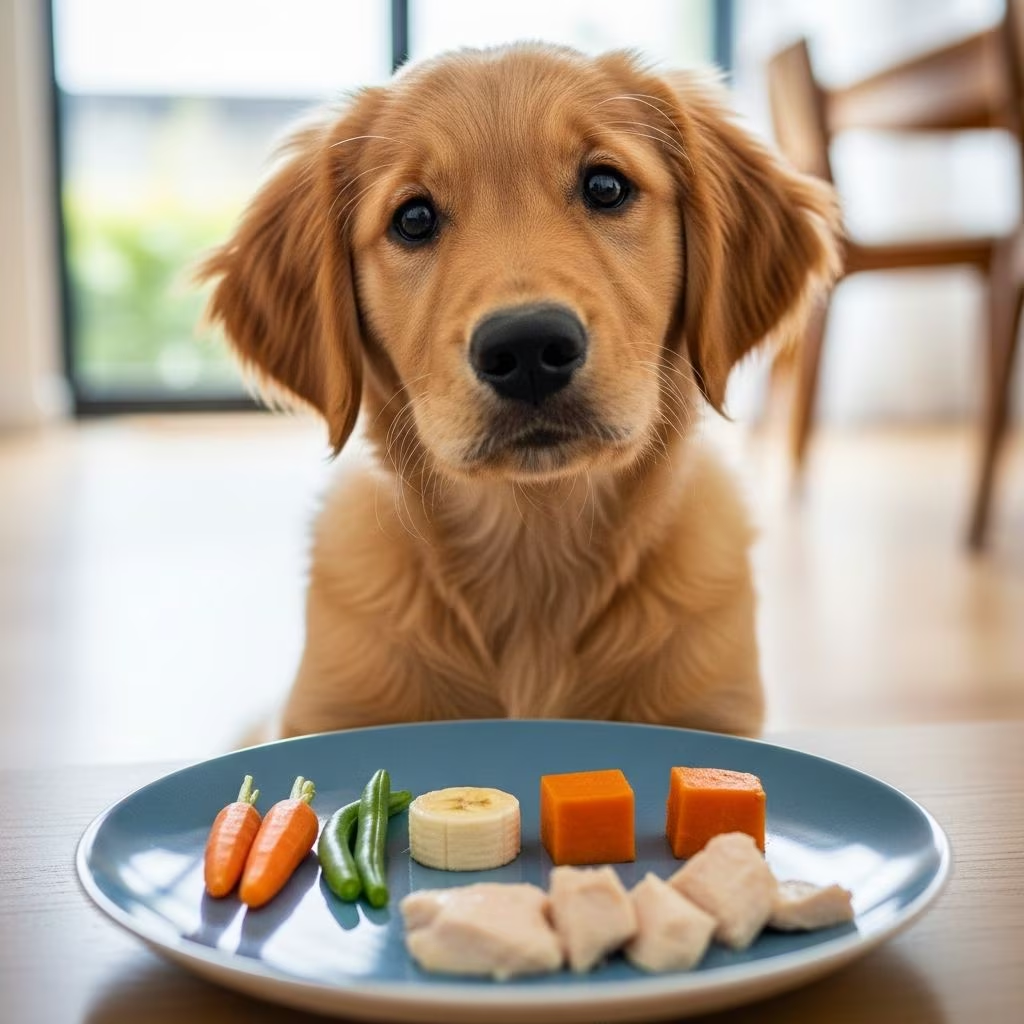
Puppies have unique nutritional needs during their rapid growth phase, requiring high-quality protein, fats, vitamins, and minerals from balanced puppy food. While commercial puppy kibble or wet food should form 90-100% of their diet, small amounts of safe human foods can serve as healthy treats or toppers to encourage eating in picky pups. However, puppies’ digestive systems are more sensitive than adult dogs’, making portion control, preparation, and avoidance of toxins critical to prevent upset stomach, choking, or long-term health issues like obesity or nutrient deficiencies.
Always consult your veterinarian before introducing new foods, especially for puppies under 12 weeks or those with health conditions. Treats should never exceed 10% of daily calories—about 1-2 teaspoons for a 10-pound puppy. Prioritize plain, unseasoned, cooked items without bones, skins, seeds, or additives like salt, garlic, onions, or xylitol, which are toxic to dogs.
Safe Fruits for Puppies
Fruits offer antioxidants, fiber, and hydration but must be given in moderation due to natural sugars that can cause diarrhea in puppies. Remove pits, seeds, and cores to avoid choking or cyanide poisoning from apple seeds or pits.
- Apples: Sliced plain apples provide vitamin A and fiber for digestion. Puppies love the crunch, which also cleans teeth. Start with small pieces to avoid tummy upset.
- Bananas: Rich in potassium and vitamin B6, mashed or sliced bananas make a potassium boost for muscle development. Limit to a few thin slices to prevent constipation from excess fiber.
- Blueberries: Antioxidant-packed superfood supporting immune health and cognitive function in growing puppies. A handful (5-10 berries) daily is safe and helps fight free radicals.
- Watermelon: Hydrating with vitamins A, B6, and C; remove seeds and rind. The high water content (92%) makes it ideal for hot days, but limit to avoid loose stools.
- Oranges: Vitamin C source for collagen production in bones and skin. Offer small segments without peel or seeds; the acidity may irritate some puppies’ stomachs.
Safe Vegetables for Puppies
Low-calorie vegetables provide fiber, vitamins, and minerals while satisfying chewing instincts. Steam or lightly cook for better digestibility in puppies.
- Carrots: Beta-carotene converts to vitamin A for eye health and growth. Raw baby carrots are crunchy treats; cooked are easier on puppy digestion.
- Green Beans: Low-calorie fiber source aiding weight management and gut health. Plain cooked beans support steady blood sugar.
- Broccoli: Vitamins C and K for bone health, but limit to 10% of treats due to isothiocyanates that can cause gas in excess.
- Sweet Potatoes: Beta-carotene, fiber, and vitamin A; bake or boil without skin. Excellent for skin and coat health in puppies.
- Pumpkin: Plain canned (not pie filling) soothes diarrhea and provides fiber for regularity. Ideal for sensitive puppy tummies.
- Spinach: Iron and antioxidants in small amounts; cook to reduce oxalates that bind calcium.
Safe Proteins and Meats for Puppies
High-quality proteins fuel muscle growth and energy needs in puppies. Always cook thoroughly, debone, and avoid seasonings.
- Chicken: Lean, cooked breast meat is a top protein source. Great for bland diets during illness; watch for allergies.
- Turkey: Similar to chicken, remove skin and fat to prevent pancreatitis. Excellent post-weaning protein.
- Beef: Lean cuts like sirloin, cooked plain. Provides iron for blood health; common allergen, so introduce slowly.
- Fish: Salmon or white fish (cooked, boneless) offers omega-3s for brain and joint development. Avoid raw to prevent parasites.
- Eggs: Fully cooked yolks and whites for complete protein. Avoid raw whites due to biotin deficiency risk.
Safe Grains, Dairy, and Other Treats
These add variety but check for grain sensitivities common in some puppies.
- Plain Rice: White rice settles upset stomachs; brown for fiber. Useful for diarrhea-prone puppies.
- Oatmeal: Cooked plain oats provide soluble fiber for digestion. Good breakfast topper.
- Cheese: Small amounts of low-fat cottage cheese or mild cheddar for calcium. Many puppies are lactose-intolerant, so test tolerance.
- Plain Yogurt: Probiotic-rich for gut health; choose unsweetened Greek yogurt. Supports immunity.
- Peanut Butter: Xylitol-free, smooth variety in tiny amounts. Lickable treat for pill-hiding.
Foods Puppies Must Avoid
Many human foods are toxic or harmful to puppies, causing vomiting, seizures, organ failure, or death. Keep these inaccessible.
| Food | Risk to Puppies | Source |
|---|---|---|
| Chocolate | Theobromine toxicity: vomiting, seizures, heart failure. | |
| Grapes/Raisins | Kidney failure, even in small amounts. | |
| Onions/Garlic | Anemia from red blood cell damage. | |
| Xylitol (gum, candy) | Hypoglycemia, liver failure. | |
| Macadamia Nuts/Almonds | Weakness, hyperthermia; choking hazard. | |
| Cooked Bones | Splintering causes blockages, perforations. | |
| Avocado | Persin toxicity: vomiting, diarrhea. | |
| Alcohol/Caffeine | Depression, tremors, death. |
Preparation and Feeding Tips for Puppies
To maximize safety and benefits:
- Portion Control: Calculate based on puppy weight (e.g., 5-10 calories per treat for toy breeds).
- Cut Small: Prevent choking; supervise eating.
- Introduce Gradually: One new food weekly to monitor allergies (itching, diarrhea).
- Balance Diet: Human foods supplement, not replace, puppy food meeting AAFCO standards.
- Storage: Refrigerate leftovers; discard after 2 days.
For picky eaters, mix safe toppers like pumpkin or chicken into kibble. Hydration is key—always provide fresh water.
Frequently Asked Questions (FAQs)
Can puppies have bread?
Plain bread in tiny amounts is safe but offers no nutrition and adds empty calories. Avoid yeasted or raisin bread.
Is peanut butter safe for puppies?
Yes, xylitol-free smooth peanut butter in pea-sized amounts. Great for stuffed toys or meds.
What if my puppy eats something toxic?
Contact vet or ASPCA Poison Control immediately (888-426-4435). Do not induce vomiting without guidance.
Can puppies eat honey?
Small amounts for allergy relief, but avoid under 1 year due to botulism risk in immature guts.
How much human food is too much for puppies?
No more than 10% of calories. Overfeeding leads to obesity, skeletal issues in large breeds.
References
- People Foods Dogs Can and Can’t Eat — American Kennel Club. 2023-05-15. https://www.akc.org/expert-advice/nutrition/human-foods-dogs-can-and-cant-eat/
- What’s on the Menu? Human Foods Dogs Can and Can’t Eat — DoveLewis. 2024-02-20. https://www.dovelewis.org/blog/whats-menu-human-foods-dogs-can-and-cant-eat
- Human Foods Cats and Dogs Can Eat and Foods to Avoid — MedVet. 2023-11-10. https://www.medvet.com/human-foods-cats-dogs-to-eat-and-avoid/
- Top 10 Healthiest Human Foods That Dogs Can Eat [Vet-Approved] — Sploot Vets. 2024-08-05. https://www.splootvets.com/post/healthiest-human-foods-dogs-can-eat
- What Foods Are Safe for a New Puppy? — Olde Towne Animal Hospital. 2023-07-12. https://www.oldetowneanimalhosp.com/what-foods-are-safe-for-a-new-puppy/
- What Human Foods Can Dogs Eat (& What To Avoid) — Dr. Harvey’s. 2024-03-28. https://www.drharveys.com/blogs/blog/what-human-foods-can-dogs-eat-what-to-avoid
- Healthy Human Food Treats For Pets — NC State Veterinary Hospital. 2022-09-15. https://hospital.cvm.ncsu.edu/services/small-animals/nutrition/healthy-human-food-treats-for-pets/



