

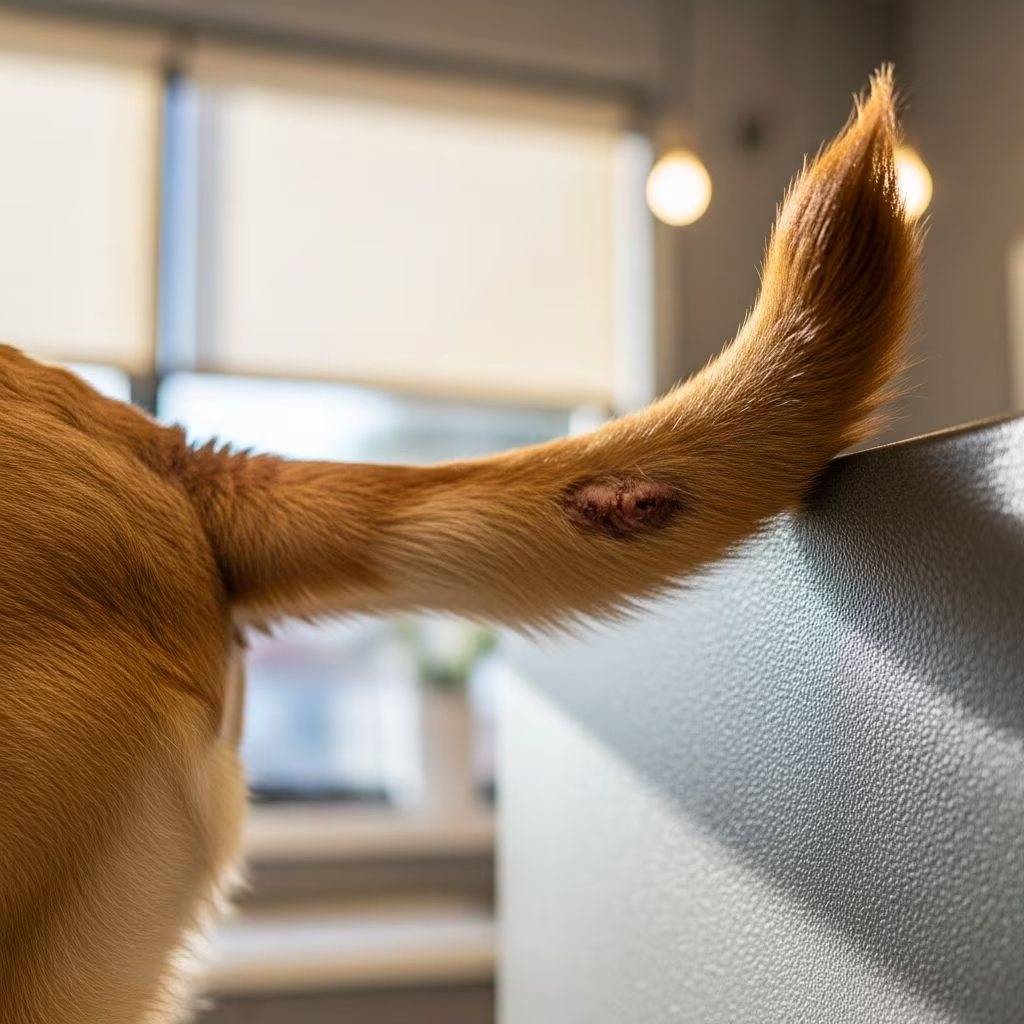
Happy tail syndrome is a common yet painful condition in dogs where enthusiastic tail wagging leads to repeated injuries on the tail tip from striking hard surfaces. This injury, often seen in large energetic breeds, can cause bleeding, wounds, and infections if not addressed promptly.
What Is Happy Tail Syndrome?
Happy tail syndrome, also called kennel tail or split tail, happens when a dog’s vigorous tail wagging repeatedly slams the tail against walls, furniture, crates, or other hard objects. The thin skin at the tail tip breaks open, leading to chronic wounds that bleed easily and resist healing due to constant movement.
This condition is named ‘happy tail’ because it typically occurs during moments of excitement, joy, or greeting. Despite the injury, dogs often continue wagging, splattering blood on walls and floors, making it look like a crime scene.
Breeds most prone include those with long, muscular tails and short coats, such as Labrador Retrievers, Pit Bulls, Great Danes, Greyhounds, German Shepherds, and bully breeds. A study noted working breeds face higher risk due to their active nature. Any excitable dog in confined spaces can develop it.
Causes of Happy Tail Syndrome
The root cause is repetitive trauma from forceful tail wagging against unyielding surfaces. Dogs express happiness, anticipation, or anxiety through rapid tail movement, generating enough force to damage unprotected skin.
Common Triggers
- Hard Surfaces: Walls, doors, kennel bars, furniture edges—any solid object in wagging range.
- Excitement and Greeting: Vigorous wags when owners return home, during play, or meeting guests.
- Confinement: Crates, kennels, or small rooms limit space, forcing tails to hit boundaries.
- Breed Predisposition: Large dogs with thin-skinned, long tails lack padding to absorb impacts.
- Behavioral Factors: High-energy personalities, separation anxiety, or stress amplify wagging intensity.
Environmental setups like narrow hallways or metal kennels exacerbate risks, turning innocent joy into painful injury.
Signs and Symptoms of Happy Tail Syndrome
Early detection prevents escalation. Look for these progressive signs:
- Bleeding: Fresh blood or dried splatters on floors, walls, bedding from tail tip wounds.
- Open Wounds: Cuts, abrasions, ulcers, or raw skin that won’t scab properly.
- Swelling and Redness: Inflamed, tender tail end, possibly bruised.
- Pain Indicators: Whining, yelping on touch, reluctance to wag, or guarding the tail.
- Excessive Licking/Chewing: Dog self-soothes, worsening damage and inviting infection.
- Hair Loss: Bald patches from repeated trauma or licking.
- Infection Signs: Pus, foul smell, fever, lethargy if untreated.
Symptoms mimic other issues like allergies or fractures, so veterinary exam is essential.
Diagnosis of Happy Tail Syndrome
Vets diagnose via physical exam, observing wounds, blood patterns, and wagging demos. They rule out parasites, allergies, or tumors through skin scrapes, cytology, or X-rays for fractures. History of excitement-related injuries confirms it.
No specific test exists; it’s clinical based on repetitive trauma evidence.
Treatment for Happy Tail Syndrome
Treatment focuses on wound protection, infection control, and reducing movement. Severity dictates approach:
Veterinary Interventions
- Cleaning and Debridement: Remove dead tissue, apply antiseptics.
- Antibiotics: Oral or topical for infections.
- Bandaging: Specialized tail wraps or stockinette with padding, changed frequently.
- E-Collar: Prevents licking.
- Sedation or Pain Meds: NSAIDs for comfort.
- Surgery: Severe cases may need tail amputation or skin grafts.
Home Care Tips
Support vet care with:
- Padding home surfaces: Pool noodles on walls, carpeted kennels.
- Soft cone or tail guard.
- Daily cleaning with saline, vet-approved ointments.
- Calm environment to minimize excitement.
Healing takes weeks; compliance is key as tails keep moving.
How to Prevent Happy Tail Syndrome
Proactive changes reduce risks:
- Modify Environment: Round sharp edges, use rubber mats in kennels, add corner protectors.
- Increase Space: Larger crates, open areas for greetings.
- Exercise Outlet: Daily walks, play to channel energy safely.
- Training: Teach calm greetings, ‘sit’ for rewards.
- Breed Selection: Consider tail docking where legal/ethical for prone breeds.
- Protective Gear: Tail braces for at-risk dogs.
Early intervention and habitat tweaks prevent most cases.
When to See a Vet for Happy Tail Syndrome
Seek immediate care if bleeding persists >24 hours, swelling worsens, pus appears, or dog shows pain/lethargy. Chronic wounds risk osteomyelitis (bone infection). Don’t delay—prompt treatment avoids amputation.
Happy Tail Syndrome FAQ
Which dogs get happy tail syndrome?
Large breeds with long, thin tails like Labs, Pit Bulls, Great Danes, Greyhounds. Energetic, short-haired dogs are prone.
Is happy tail syndrome serious?
Yes, untreated it leads to infections, chronic pain, or tail loss. Early treatment usually resolves it.
How long does happy tail take to heal?
1-4 weeks with strict management; severe cases longer.
Can you treat happy tail at home?
Supportive care yes, but vet oversight required for antibiotics/bandaging.
Does tail docking prevent happy tail?
It eliminates the tip, preventing injury there, but controversial.
Breeds Prone to Happy Tail Syndrome
| Breed | Risk Factors |
|---|---|
| Labrador Retriever | Long tail, high energy, exuberant wagger |
| Pit Bull | Muscular tail, enthusiastic personality |
| Great Dane | Long, thin tail, large size |
| Greyhound | Slender tail, short coat |
| German Shepherd | Active working breed |
This table highlights high-risk breeds based on tail structure and behavior.
References
- Happy Tail Syndrome in Dogs: Signs, Symptoms, Treatments — Spot and Tango. 2023-05-15. https://www.spotandtango.com/blog/happy-tail-syndrome-in-dogs
- Happy Tail Syndrome in Dogs: Causes & Treatment Options — VHA Vets. 2024-02-20. https://vhavets.com/blog/happy-tail-syndrome-in-dogs/
- What Is Happy Tail Syndrome in Dogs — Partners Animal Hospital West Loop. 2023-11-10. https://partnersvetwl.com/?p=4877
- What is Happy Tail Syndrome? | West Loop Veterinary Care — West Loop Vet. 2024-01-05. https://westloopvet.com/blog/blog-happy-tail-syndrome/
- Happy Tail Syndrome in Dogs: Signs, Symptoms, Treatments — American Kennel Club (AKC). 2025-03-12. https://www.akc.org/expert-advice/health/happy-tail-syndrome-in-dogs/



