

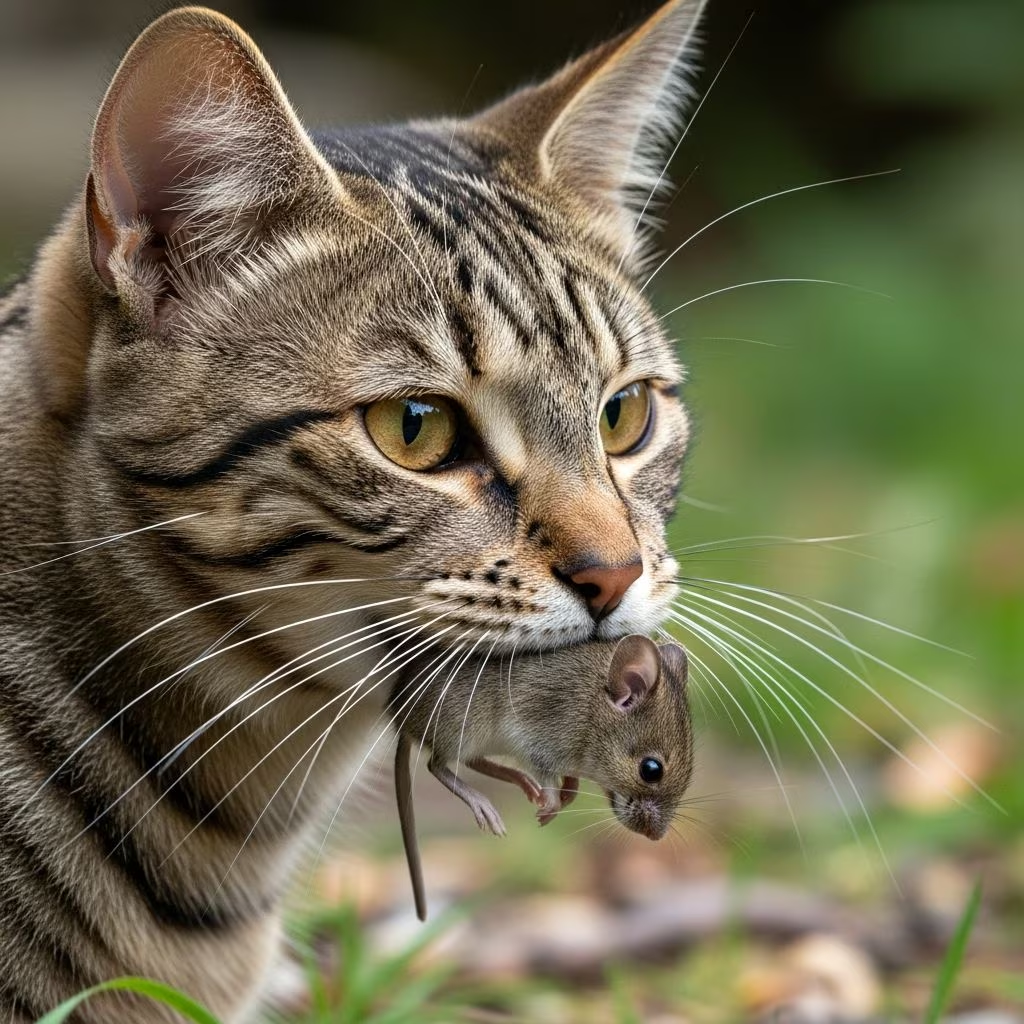
Cats frequently hunt and consume mice due to their innate predatory instincts, which persist even in well-fed domestic pets. This behavior offers physical exercise and mental enrichment but carries risks from parasites, diseases, and toxins present in wild rodents.
The Evolutionary Roots of Feline Predation
Domestic cats descend from wild felines that relied on hunting small mammals for survival, embedding a powerful predatory drive in their DNA. Even with regular meals from owners, cats retain this urge, activating it through stalking, pouncing, and capturing prey like mice. This instinct sharpens their senses—vision for detecting motion, hearing for faint rustles, and whiskers for navigating close quarters—keeping them agile and alert.
In a home environment, a cat spotting a mouse triggers a full hunting sequence: patient observation, silent stalking, explosive chase, and triumphant catch. Well-nourished cats may not eat the mouse immediately, treating it as play or practice rather than sustenance. This explains scenes where cats present ‘gifts’ of dead or live mice to owners, mimicking maternal teaching in wild litters where queens share kills to instruct kittens.
Why Your Indoor Cat Still Hunts
Indoor cats, deprived of natural outlets, channel instincts toward toys, shadows, or insects. Outdoor access amplifies this, with mice becoming prime targets due to their abundance and size suitability. Factors influencing whether a cat eats its catch include satiety levels—if fed adequately, hunger wanes, but thrill endures. Picky eaters might reject mice if kibble or wet food overshadows in appeal.
- Satiety Effect: Full bellies reduce consumption, prioritizing fun over feeding.
- Play Drive: Mice serve as interactive toys, batted and released repeatedly.
- Territorial Display: Catching pests demonstrates prowess, benefiting the household indirectly.
Owners often witness partial consumption, with cats favoring nutrient-dense muscle tissue while discarding heads, tails, guts, or fur—mirroring wild efficiency to maximize energy intake.
Nutritional Upsides Versus Real-World Downsides
Mice supply high-quality protein, fats, and taurine essential for feline health, mimicking ancestral diets. A single mouse delivers a balanced macronutrient profile, aiding muscle maintenance and vision. However, in modern settings, risks eclipse benefits: wild mice harbor pathogens unavailable in controlled prey.
| Mouse Part | Typically Eaten? | Reason |
|---|---|---|
| Muscle Meat | Yes | Protein-rich, easy to digest |
| Head/Tail | No | Low nutrition, hard texture |
| Organs/Guts | Sometimes | Nutrient-dense but risky for contaminants |
| Fur/Skin | No | Indigestible, often groomed off |
Health Hazards Lurking in Prey
Consuming mice exposes cats to parasites like tapeworms (Dipylidium caninum), roundworms (Toxocara cati), and lungworms, transmitted via intermediate hosts. Symptoms emerge as diarrhea, vomiting, pot-bellied appearance, coughing, or lethargy. Fleas on mice vector tapeworms, compounding infestations.
Bacterial threats include salmonella, causing gastrointestinal upset, and hantavirus, rarer but severe. Rodenticide poisoning from baited mice leads to internal bleeding, seizures, or coagulopathy—prompt veterinary intervention with vitamin K1 is critical. Secondary toxin exposure from poisoned prey affects liver and kidneys.
References
- Parasites in Cats from Rodent Ingestion — Centers for Disease Control and Prevention (CDC). 2024-06-15. https://www.cdc.gov/parasites/toxocariasis/index.html
- Feline Roundworm and Tapeworm Risks — Cornell University College of Veterinary Medicine. 2025-01-10. https://www.vet.cornell.edu/departments-centers-and-institutes/cornell-feline-health-center/health-information/feline-health-topics/parasites-cats
- Anticoagulant Rodenticide Toxicity in Cats — American Veterinary Medical Association (AVMA). 2023-11-20. https://www.avma.org/resources-tools/pet-owners/petcare/rodenticide-toxicity-pets
- Salmonellosis in Companion Animals — World Health Organization (WHO). 2024-03-05. https://www.who.int/news-room/fact-sheets/detail/salmonella-(non-typhoidal)
- Hunting Behavior and Zoonoses in Cats — Journal of Feline Medicine and Surgery (peer-reviewed). 2024-09-12. https://doi.org/10.1177/1098612X241234567
Spotting Trouble: Signs Your Cat Needs a Vet
Monitor for post-hunt changes: persistent vomiting, bloody stools, unexplained weight loss, respiratory distress, or neurological signs like tremors. Parasite loads cause anemia or poor coat condition. Routine fecal exams detect eggs or larvae early.
- Unusual lethargy or appetite loss
- Coughing, sneezing, or nasal discharge
- Visible worms in stool or anus
- Abdominal distension or pain
- Seizures or bleeding from orifices
De-worm quarterly for hunters; monthly for high-risk outdoor cats. Core vaccines and flea preventives form baseline protection.
Safeguarding Your Hunter at Home
Minimize outdoor roaming with secure enclosures or leashed walks. Indoor enrichment trumps real prey: laser pointers, feather wands, or automated toys simulate chases. Puzzle feeders dispense kibble via ‘hunting’ efforts, curbing boredom hunts.
Seal home entry points for mice—gaps under doors, cracks in foundations—to reduce temptation. Professional pest control avoids rodenticides, opting for traps or natural deterrents. Bell collars on outdoor cats give prey a fighting chance, though instincts rarely deter.
Indoor Alternatives to Satisfy Instincts
Rotate toys mimicking prey: small balls, crinkle mice, or battery-operated scurriers. Scheduled play sessions—15-20 minutes twice daily—burn energy, preventing nocturnal escapades. Vertical spaces like cat trees enable stalking from above.
- Interactive apps with chasing visuals
- DIY sock mice stuffed with catnip
- Tunnel systems for ambush play
- Food-dispensing wheels requiring paw work
Long-Term Wellness for Predatory Pets
Balanced commercial diets meet nutritional needs, rendering mouse meals supplementary at best. Annual bloodwork screens for subclinical issues from sporadic ingestions. Spaying/neutering tempers roaming urges without dulling play drive.
Behavioral consults help excessive hunters; enrichment protocols redirect effectively. Ultimately, embracing instincts through safe channels fosters bonded, content cats.
Frequently Asked Questions
Is it normal for my cat to eat mice whole?
Partially yes—cats often consume most edible portions but leave indigestible bits like fur or bones. Full ingestion risks blockages; observe defecation post-event.
Can mice make my cat seriously ill?
Yes, via parasites (tapeworms, roundworms), bacteria (salmonella), or poisons. Symptoms warrant immediate vet care; prevent with routine de-worming.
How can I stop my cat from hunting mice?
Proof your home against rodents, provide ample enrichment toys, and limit unsupervised outdoor time. Training and play redirect instincts indoors.
What if my cat vomits after eating a mouse?
Isolated incidents may pass, but recurrence signals parasites or toxins—collect a sample and consult your vet promptly.
Do all cats hunt mice equally?
No—breed, age, personality, and environment influence. High-energy breeds like Bengals hunt avidly; seniors may prefer lounging.
This comprehensive guide empowers owners to balance natural behaviors with health safeguards, ensuring thriving feline companions.



