

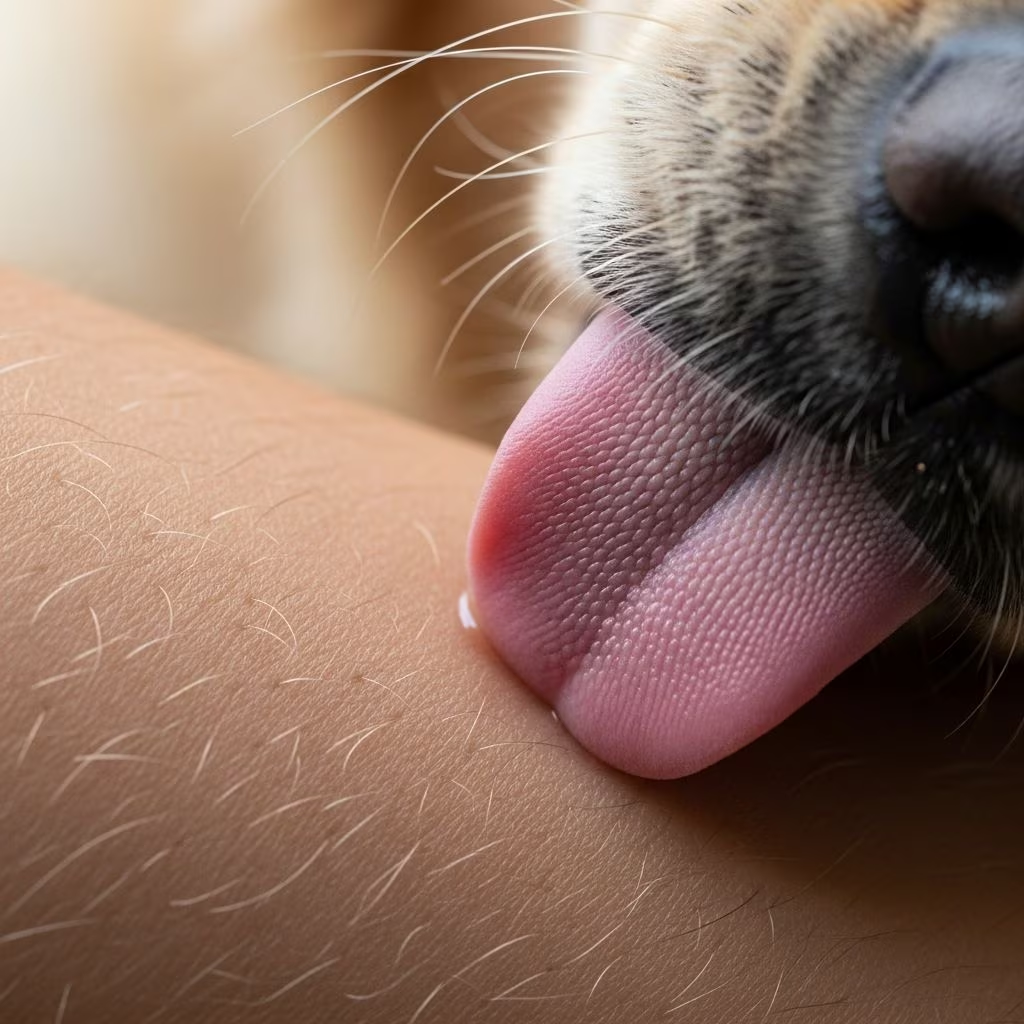
What Happens to Skin When Dog Licks You
Your dog’s enthusiastic face licks might seem like pure affection, but have you ever wondered what actually happens to your skin when your furry friend shows you love through those wet kisses? While most dog owners don’t experience serious problems from their pet’s licks, understanding the science behind dog saliva and its interaction with human skin can help you make informed decisions about pet safety and hygiene.
Understanding Dog Saliva and Skin Interaction
When your dog licks your skin, several biological processes begin immediately. Dog saliva contains numerous bacteria, enzymes, and proteins that differ significantly from the microorganisms naturally present on human skin. According to dermatological research, intact human skin provides an effective barrier against most pathogens in dog saliva. This means that when your dog licks healthy, unbroken skin on your face, arms, or other body parts, the risk of infection is relatively minimal for most healthy individuals.
The key factor determining whether dog saliva poses a risk is the condition of your skin. Your skin absorbs saliva poorly, which limits the transmission of bacteria. However, this protective barrier becomes significantly less effective when there are any breaks in the skin, such as cuts, wounds, or abrasions. In these cases, bacteria from your dog’s mouth can potentially enter your bloodstream and cause serious infections.
How Many Bacteria Does a Dog’s Lick Leave Behind?
The number of bacteria transferred during a single dog lick is staggering. According to bacterial geneticist research, one swipe of your pet’s tongue can leave behind virtually millions of bacteria. Even more remarkably, studies have shown that if someone took a Q-tip five hours after being licked by a dog and rubbed that spot, they could recover over 50 different species of dog-mouth bacteria.
These bacteria have impressive staying power on human skin, which is why washing immediately after your dog licks you is a practical preventive measure. The microbiomes of people and their pets are markedly different, meaning your body doesn’t naturally recognize many of the bacteria present in dog saliva, making it harder for your immune system to defend against potential pathogens.
Common Health Risks From Dog Saliva
While infections from dog licks are rare, several health risks are worth understanding:
Bacterial Infections
Common bacteria transmitted by dogs can lead to stomach upset, diarrhea, fever, nausea, and vomiting. These bacterial infections include Giardia, Cryptosporidium, Clostridium, E. coli, Salmonella, Pasteurella, Leptospira, and Campylobacter. Most of these infections occur when bacteria enter through the mouth or mucous membranes rather than through intact skin.
Parasitic Infections
Dogs can transmit parasites through licking, though this is uncommon. Hookworm and roundworm can be transmitted from dogs to humans when dogs lick you. If you contract these parasites, you might notice skin rashes and itchiness, weight loss or decrease in appetite, wheezing and coughing, stomach pain and diarrhea, fatigue, and possibly fever.
Fungal Infections
Ringworm is a fungal infection that dogs can pass on through licking, which creates a rash on the skin. This infection is treatable with antifungal creams, ointments, and oral medications, but prevention is always preferable to treatment.
Allergic Reactions
Some people experience allergic reactions to dog saliva. If a dog licks your face and the skin becomes red and inflamed within minutes, you may have an allergy to dog saliva. This occurs because dog saliva contains glycoprotein, a substance that triggers the body’s defense mechanism in some people. For individuals with documented allergies to dog saliva, your skin may develop hives, a rash, and/or become extremely itchy.
The Serious Case of Capnocytophaga
While extremely rare, there is one bacterial infection associated with dog saliva that deserves serious attention: Capnocytophaga canimorsus. This bacterium is harmless to dogs but can cause severe complications in humans, particularly those with compromised immune systems.
Dog and cat saliva can carry Capnocytophaga bacteria that are harmless to them yet can trigger limb-losing sepsis or even death in people. This bacteria must enter the skin through an open wound, such as a cut, bite, or abrasion, and the dog must have a relatively high concentration of the bacteria in saliva.
One documented case involved an Australian woman who had a superficial burn on her left foot and allowed her dog to lick it. She developed septic shock triggered by a Capnocytophaga canimorsus infection. Another case involved a man who deliberately had his dog lick his wounds, expecting beneficial effects on wound healing. Instead, he developed fulminant sepsis and subsequently lost both lower legs, his nose, and all fingers on both hands.
If bacteria from a dog lick enters your bloodstream through an opening in your skin, it can affect your organs and tissues and even lead to brain infection. This is why any wound licked by a dog requires immediate medical attention and proper treatment.
Who Is at Higher Risk?
Certain groups of people face elevated risk from dog saliva infections:
- People with compromised immune systems – Those with HIV/AIDS, undergoing chemotherapy, or taking immunosuppressant medications are at significantly higher risk
- Elderly individuals – Age-related decline in immune function increases vulnerability
- People with open wounds or skin conditions – Any break in the skin barrier dramatically increases infection risk
- Individuals with allergies to dog saliva – Those with documented sensitivities should avoid facial licks
- People taking certain medications – Some medications that suppress immune function increase infection risk
When Dog Saliva Touching Skin Is Generally Safe
When dog saliva touches intact human skin, especially in a healthy person, it is extremely unlikely to cause any problems, as there will be very little absorption through the skin. This applies to:
- Healthy individuals with unbroken skin
- People with fully functional immune systems
- Situations where skin is washed promptly after licking
- Dogs that are regularly groomed and in good health
When Dog Saliva Poses Greater Risks
A dog’s saliva and whatever might be in it can be absorbed more easily through the mucous membranes of a person’s nose, mouth, and eyes, as well as any cuts or wounds. Higher-risk situations include:
- A dog licking your face near your eyes, nose, or mouth
- A dog licking any open cuts, wounds, or skin abrasions
- A dog licking areas with eczema, psoriasis, or other skin conditions
- Individuals with compromised immune systems being licked anywhere
- Fresh tattoos or piercings being licked by dogs
Practical Steps to Prevent Illness From Dog Licks
Taking preventive measures significantly reduces any potential risk from dog saliva:
Immediate Hygiene Practices
- Wash immediately – If your pup gives you kisses, wash your face (or wherever she licked you) immediately afterward
- Use soap and water – Standard handwashing and face-washing protocols effectively remove most bacteria
- Don’t touch your face – After your dog licks your hand, avoid touching your mouth, nose, or eyes until you’ve washed up
Wound Protection
- Cover open cuts, sores, and abrasions on your skin – If you have any sort of injury to your skin, no matter how minor, either keep it covered around your dog or don’t allow her to lick you until the wound is fully healed
- Avoid dog saliva on fresh tattoos or piercings – These are open wounds that require protection
- Be especially careful with surgical sites – New surgical wounds should never be licked by pets
Dog Hygiene and Health
- Brush and bathe your dog regularly – A clean dog is more pleasant to be around, and you’ll also cut down on the dirt, allergens, and bacteria she brings into the house on her body and especially her feet
- Maintain regular veterinary care – Regular check-ups help ensure your dog is healthy and parasite-free
- Keep your dog’s teeth clean – Good oral hygiene in dogs reduces bacteria in their saliva
For High-Risk Individuals
- Consult your healthcare provider about appropriate precautions
- Consider limiting face licking or avoiding it altogether
- Ensure any dog bites or scratches receive immediate medical attention
- Discuss pet safety with your doctor if you have a compromised immune system
Treating Dog Bite Wounds Seriously
While dog licks typically pose minimal risk, dog bites definitely require serious treatment. If bitten by a dog:
- Clean immediately – Wash the wound immediately with soap and warm water, rinsing thoroughly
- Disinfect – For superficial wounds, disinfect several times a day with dilute povidone iodine (Betadine) and cover with a clean, dry dressing
- Watch for signs of infection – Monitor for redness and swelling
- Seek professional help for deep wounds – If the bite is a deep puncture wound, seek medical attention immediately, as more intensive treatment may be required
Frequently Asked Questions
Q: Is a dog’s mouth cleaner than a human’s?
A: No, this is a common myth. Dogs’ mouths contain different bacteria than human mouths, and these bacteria are often foreign to the human body, making them potentially problematic if they enter through mucous membranes or wounds.
Q: Can I get sick from my dog licking my hands?
A: Infection from dog licks on intact skin is rare, but it’s wise to wash your hands promptly, especially if you’re at higher risk or plan to touch your face, mouth, or eat without washing first.
Q: Should I stop letting my dog lick me?
A: Most healthy people can safely enjoy dog kisses on intact skin if they practice good hygiene. However, high-risk individuals and those with open wounds should avoid allowing dogs to lick them.
Q: What should I do if my dog licks a cut?
A: Wash the area immediately with soap and warm water, disinfect with an appropriate antiseptic, and cover the wound. Monitor it for signs of infection. If you have a compromised immune system or the wound becomes infected, seek medical attention.
Q: Can dog saliva really help wounds heal?
A: While saliva does have some beneficial properties including growth factors and proteins that promote healing, allowing a dog to lick a wound poses serious infection risks that outweigh any potential benefits, especially given the bacteria present in dog saliva.
Q: How long does it take for dog saliva bacteria to cause infection?
A: Serious infections like Capnocytophaga can progress rapidly, potentially causing severe illness within one to three days of bacteria entering the bloodstream, so prompt medical attention to any concerning symptoms is essential.
References
- 3 Gross Things That Can Happen If You Let Your Dog Lick Your Face — Prevention. https://www.prevention.com/health/a20517532/dog-licking-owners-face-sick/
- Harmless to Pets but Should Your Dog Lick You? — Bark & Whiskers. 2019-02-04. https://www.barkandwhiskers.com/2019-02-04-nl-why-do-dogs-lick-your-face/
- Is a dog’s mouth cleaner than a human’s? — Mohawk Alley Animal Hospital. 2023-02-15. https://www.mohawkalleyanimalhospital.com/site/blog/2023/02/15/dog-mouth-cleaner-human
- Dog Lick Dangers: Deadly Capnocytophaga Explained — Oz Health. https://www.youtube.com/watch?v=5oEI8fMeucU
- A small ‘lick’ will sink a great ship: fulminant septicaemia after dog licking a chronic wound — PubMed Central. https://pmc.ncbi.nlm.nih.gov/articles/PMC7950179/



