What Fruits Can Dogs Eat: Safe and Unsafe Options
Learn which fruits are safe for dogs and how to feed them responsibly.
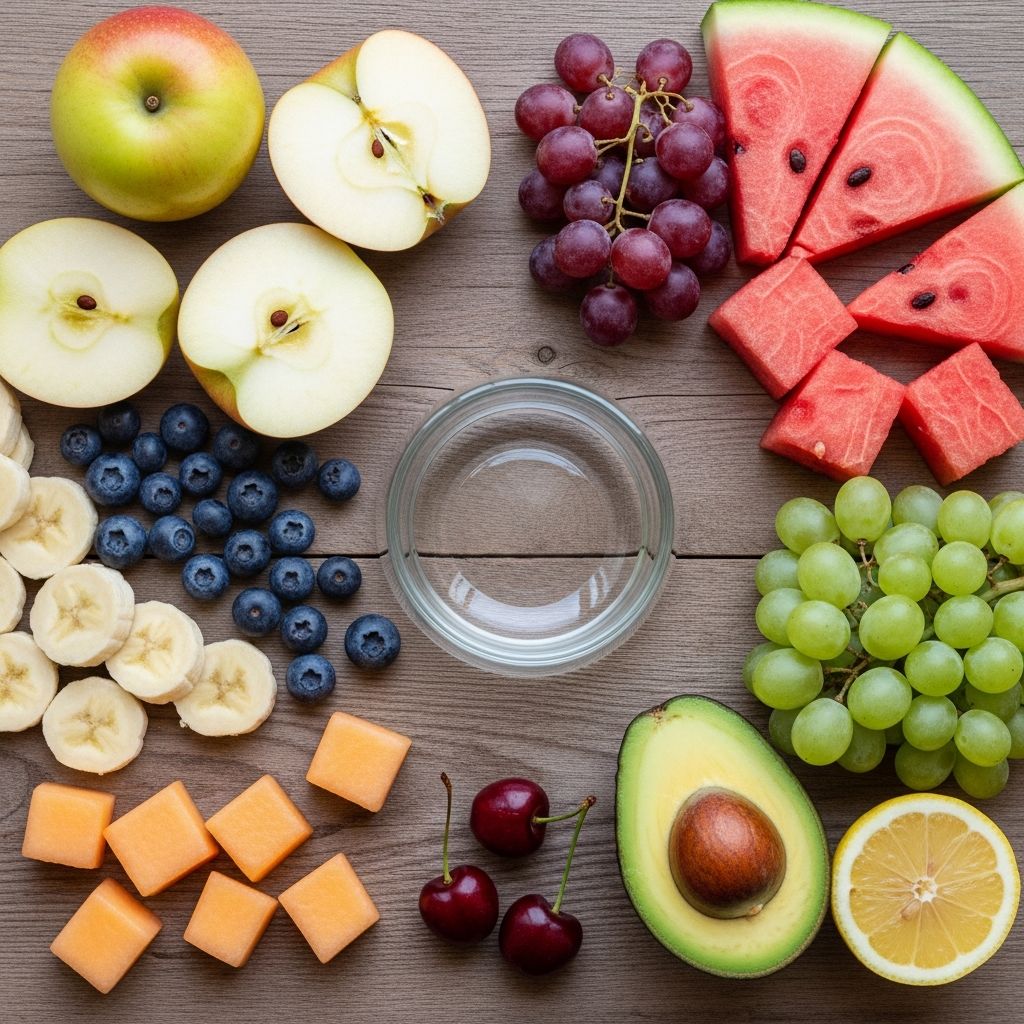
What Fruits Can Dogs Eat?
As a dog owner, you want to provide your furry companion with the best nutrition possible. While commercial dog food forms the foundation of your pet’s diet, many owners wonder about incorporating fresh fruits as occasional treats. Understanding which fruits are safe for dogs is essential to preventing health issues while offering nutritional benefits. This comprehensive guide explores safe and unsafe fruits for dogs, their nutritional advantages, and best practices for feeding them to your canine friend.
Safe Fruits for Dogs
Many fruits are perfectly safe for dogs when prepared correctly and offered in appropriate portions. Here are the fruits your dog can safely enjoy:
Apples
Apples make an excellent treat for dogs, providing a good source of vitamins A and C. They are particularly beneficial for senior dogs who don’t need extra protein or fats in their diet. Always remove the seeds and core before offering apple slices to your dog, as apple seeds contain compounds that can be harmful. The crunchy texture also helps maintain dental health.
Bananas
Bananas are an excellent source of potassium, vitamins, biotin, fiber, and copper, making them a nutrient-dense treat. However, due to their natural sugar content, bananas should be offered sparingly. They are especially beneficial for older dogs who may be losing muscle mass, as the potassium supports muscle function and maintains healthy blood pressure.
Blueberries
Blueberries are considered a superfood for dogs due to their high antioxidant content. These tiny berries contain phytochemicals that can help fight diseases like cancer and heart disease while supporting immune system function and reducing inflammation. Blueberries are an excellent choice for dogs of all ages and can be served fresh or frozen.
Strawberries
Strawberries are full of fiber and vitamin C, and they contain an enzyme that can help brighten your dog’s teeth. Like other fruits, strawberries are relatively high in sugar, so offer them in moderation. Remove the stem and serve in small pieces to prevent choking hazards.
Watermelon
Watermelon is an excellent hydrating treat, particularly during hot summer months, as it contains approximately 92% water. This fruit is high in vitamins A, B6, and C, as well as potassium. Always remove the rind and seeds to prevent intestinal blockage, and serve only the pink flesh to your dog.
Cantaloupes
Cantaloupes provide a low-calorie source of nutrients, water, and fiber, making them ideal for dogs watching their weight. However, they are also high in natural sugars, so moderation is key. Remove the rind and seeds before offering to your dog.
Peaches and Pears
Peaches and pears are safe fruits that provide vitamins and fiber. Always remove the pit from peaches, as the pit contains harmful compounds. Pears are high in copper, vitamins C and K, and fiber, and research suggests they may help reduce stroke risk. Remove the seeds before serving.
Mangoes
Mangoes are high in vitamins A, B6, C, and E, along with potassium and beneficial carotenoids. The tropical fruit should be peeled and pitted completely before offering to your dog. Due to their high sugar content, mangoes should be shared sparingly as occasional treats.
Pineapples
Pineapple is rich in vitamins, minerals, and fiber, and contains an enzyme that helps your dog absorb protein. This makes pineapple a particularly great treat for older dogs who may struggle to maintain muscle mass. Serve in small amounts and remove the tough outer skin.
Oranges and Citrus Fruits
Dogs can enjoy the fleshy part of oranges, tangerines, clementines, and mandarins in moderation. These fruits provide vitamin C, potassium, fiber, and antioxidants. Always remove the peel, pith, and seeds before offering. The strong citrus scent may deter some dogs from eating them.
Kiwis
Kiwis are a great source of fiber, potassium, and vitamin C. However, you must carefully remove the skins and seeds before serving to your dog, as these can present choking hazards or cause digestive upset.
Pumpkin (Cooked)
Cooked pumpkin is an excellent addition to your dog’s diet, providing fiber and supporting digestive health. Plain, cooked pumpkin can help regulate bowel movements and is often recommended by veterinarians for dogs with digestive issues.
Fruits to Avoid
While many fruits are safe, some are potentially harmful or toxic to dogs and should be avoided entirely:
Grapes and Raisins
Grapes and raisins are toxic to dogs and can cause kidney failure, even in small amounts. Never offer these fruits to your dog, and keep them out of reach.
Avocados
Avocados contain persin, a compound that can cause digestive upset in dogs. It’s best to avoid offering avocados to your canine companion.
Citrus Fruits (Certain Varieties)
While oranges, tangerines, and clementines are safe in moderation, other citrus fruits like grapefruits, lemons, and limes are too acidic and can irritate your dog’s stomach. Avoid offering these varieties.
Health Benefits of Dog-Friendly Fruits
Fruits offer numerous health benefits when incorporated appropriately into your dog’s diet. Understanding these advantages can help you make informed decisions about which fruits to offer:
Antioxidant Support
Many fruits, particularly blueberries, are rich in antioxidants that protect cells from damage and support overall health. These compounds help combat oxidative stress and may reduce the risk of chronic diseases.
Hydration
Fruits with high water content, such as watermelon and cantaloupes, help keep your dog hydrated, especially during warm weather. This is particularly beneficial for dogs who don’t drink enough water throughout the day.
Digestive Health
The fiber content in many fruits supports digestive health by promoting regular bowel movements and maintaining a healthy gut. Fruits like pears and pumpkin are particularly beneficial for dogs with digestive concerns.
Immune System Support
Fruits rich in vitamin C, such as oranges and strawberries, support immune system function and help your dog fight off infections and illness.
Dental Health
The crunchy texture of certain fruits like apples and carrots can help clean your dog’s teeth naturally while promoting dental health.
Safe Preparation Methods
How you prepare fruits for your dog is just as important as which fruits you choose. Follow these guidelines to ensure safe fruit consumption:
Raw or Frozen
Fresh, raw fruits and frozen varieties are perfectly safe for dogs. Frozen fruits can be especially refreshing during hot weather and may help soothe sore gums in teething puppies.
Avoid Canned and Jarred Fruits
Never offer canned or jarred fruits in syrup or juice, as these contain excessive processed sugars and additives that can harm your dog’s health. Always choose fresh or frozen options without added ingredients.
Remove Seeds and Pits
Always remove seeds, pits, and stems from fruits before offering them to your dog. These parts can cause choking hazards or contain toxic compounds in some cases.
Wash Thoroughly
Rinse all fruits thoroughly under running water to remove pesticides and dirt before serving to your dog.
Portion Guidelines and Frequency
While fruits are healthy, they should only comprise a small portion of your dog’s daily caloric intake. Fruits should not exceed 10 percent of your dog’s daily calories and should be offered as occasional treats rather than meal replacements.
Portion Sizes by Fruit
Different fruits require different portion sizes based on their sugar content and your dog’s size. Small dogs should receive smaller portions than large dogs. For high-sugar fruits like bananas and mangoes, limit servings to small, infrequent treats. Lower-sugar options like watermelon and blueberries can be offered more frequently in appropriate portions.
Frequency Recommendations
Most fruits should be offered no more than 2-3 times per week as treats. Some fruits like blueberries can be offered more frequently due to their lower sugar content. Always monitor your dog’s weight and overall health when introducing new fruits into their diet.
Balancing Fruits in Your Dog’s Diet
While fruits can be a healthy addition to your dog’s diet, they should complement rather than replace a complete and balanced commercial dog food. Here’s how to maintain proper nutritional balance:
Prioritize Quality Dog Food
Ensure your dog’s primary nutrition comes from a high-quality, complete and balanced commercial dog food formulated for their specific age, size, and health status. This food should meet all of your dog’s nutritional requirements.
Monitor Weight and Health
Regularly assess your dog’s weight and overall health when adding fruits to their diet. If your dog gains weight or shows signs of digestive upset, reduce fruit portions or frequency.
Consider Individual Needs
Dogs with specific health conditions may need dietary adjustments. Dogs with diabetes should avoid high-sugar fruits, and those with sensitive stomachs may need gentler fruit options. Always consult your veterinarian if your dog has health concerns.
Creative Ways to Serve Fruits
There are numerous creative and engaging ways to incorporate fruits into your dog’s routine:
As a Refreshing Snack
Offer plain fruit pieces as straightforward treats throughout the day.
Food Topper
Mix chopped or blended fruits into your dog’s regular food to add flavor and nutrition.
Frozen Treats
Blend fruits with plain, sugar-free yogurt and freeze in ice cube trays or stuff into KONG toys for a refreshing treat.
Fruit Smoothies
Blend safe fruits together in small portions for your dog to enjoy. Blueberries, bananas, and watermelon make excellent combinations.
Homemade Popsicles
Create dog-friendly popsicles by freezing fruit-yogurt mixtures in ice cube trays or small containers.
Special Considerations for Different Dogs
Your dog’s age, size, and health status should influence fruit choices and portions:
Puppies
Introduce fruits gradually to puppies after weaning. Start with soft fruits and small portions to prevent digestive upset as their systems develop.
Senior Dogs
Older dogs can benefit significantly from fruits, particularly those high in fiber and joint-supporting nutrients. Soft fruits like bananas and blueberries are easier for senior dogs to chew.
Dogs with Health Conditions
Dogs with diabetes should avoid high-sugar fruits entirely. Those with obesity should focus on low-calorie options like cucumber and watermelon. Consult your veterinarian for dogs with specific health concerns.
Frequently Asked Questions About Dog Fruits
Q: Can dogs eat all fruits?
A: No. While many fruits are safe, some like grapes, raisins, and avocados are toxic to dogs and should never be offered. Always verify that a fruit is safe before giving it to your dog.
Q: How often can dogs eat fruits?
A: Fruits should comprise no more than 10 percent of your dog’s daily caloric intake and be offered as occasional treats. Most fruits should be given 2-3 times per week at most.
Q: Should fruits be given raw or cooked?
A: Both raw and cooked fruits are generally safe for dogs. Raw and frozen fruits are excellent choices. Avoid canned fruits in syrup or juice due to added sugars.
Q: Can fruits replace regular dog food?
A: No. Fruits should complement, not replace, a complete and balanced commercial dog food that meets all your dog’s nutritional requirements.
Q: Are frozen fruits safe for dogs?
A: Yes, frozen fruits are perfectly safe and can be particularly refreshing during warm weather. However, avoid frozen fruits in syrup or juice.
Q: What should I do if my dog eats a toxic fruit?
A: Contact your veterinarian or animal poison control immediately if your dog consumes grapes, raisins, avocados, or other toxic fruits. Provide information about the type and quantity consumed.
Q: Can fruits cause allergic reactions in dogs?
A: While rare, some dogs may have allergic reactions to certain fruits. Introduce new fruits gradually and watch for signs of allergic reaction such as itching, vomiting, or diarrhea.
Conclusion
Fruits can be a wonderful addition to your dog’s diet when chosen wisely and offered appropriately. Many safe fruit options provide valuable nutrients, antioxidants, fiber, and hydration that support your dog’s overall health and well-being. Remember to always remove seeds, pits, and stems; avoid toxic varieties; and maintain fruits as treats comprising no more than 10 percent of daily caloric intake. By following these guidelines and consulting with your veterinarian about your individual dog’s needs, you can safely incorporate fresh fruits into your pet’s nutrition plan and enjoy watching your dog delight in these healthy treats.
References
- Can Dogs Eat Oranges? Benefits, Risks, and Feeding Tips — PetMD. https://www.petmd.com/dog/nutrition/can-dogs-eat-oranges
- Can Dogs Eat Blueberries? Benefits, Risks, and Feeding Tips — PetMD. https://www.petmd.com/dog/nutrition/can-dogs-eat-blueberries
- Safe Fruits and Veggies for Dogs — Imprimedicine. https://www.imprimedicine.com/blog/safe-fruits-and-veggies-for-dogs
- The Ultimate Dog Fruit Guide: Safe Snacks and Fruits Dogs Can Eat — Dogtopia. https://www.dogtopia.com/toronto-liberty-village/the-ultimate-dog-fruit-guide-safe-snacks-and-fruits-dogs-can-eat/
- May Newsletter: Which Human Foods Are Safe for Dogs? — Old Troy Pike Veterinary Clinic. https://www.oldtroypikevetclinic.com/articles/970634-may-newsletter-which-human-foods-are-safe-for-dogs
- Dog Nutrition: Guide to Dog Food Nutrients — PetMD. https://www.petmd.com/dog/nutrition/evr_dg_whats_in_a_balanced_dog_food
Similar Articles








Read full bio of Sneha Tete