

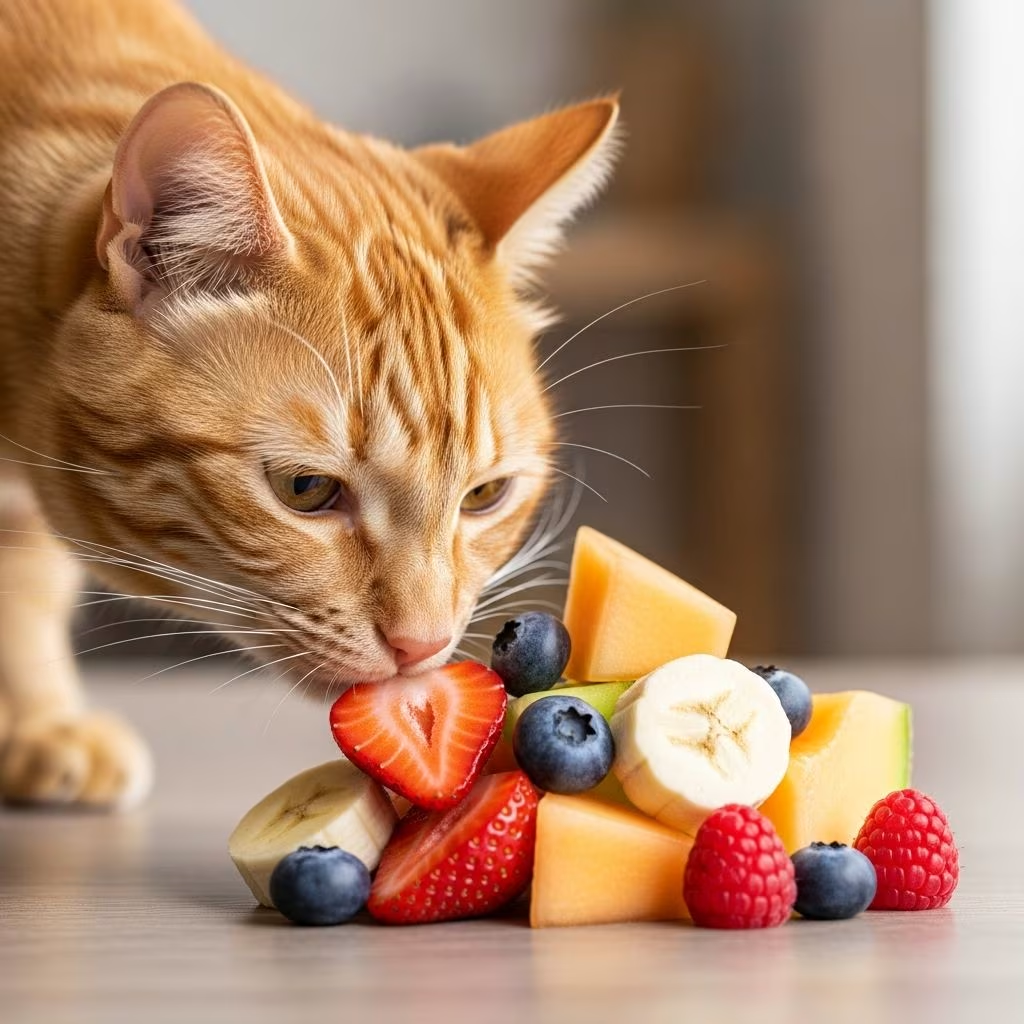
Cats are obligate carnivores, meaning their digestive systems are primarily designed to process meat. However, many cat owners wonder whether they can share fruits with their feline companions as occasional treats. The good news is that cats can safely enjoy a variety of fruits in moderation, provided they are prepared correctly and given in appropriate portions. This comprehensive guide explores which fruits are safe for cats, their nutritional benefits, and how to serve them to ensure your cat’s health and happiness.
Why Fruits for Cats?
While fruits should never be a staple in a cat’s diet, they can offer valuable nutritional benefits when offered occasionally. Fruits provide essential vitamins, minerals, antioxidants, and dietary fiber that can support immune function, digestive health, and overall wellness. Many premium cat food brands incorporate safe fruits into their recipes specifically for these health-promoting properties.
However, it’s crucial to remember that fruits are high in natural sugars and should only account for a small percentage of your cat’s daily caloric intake. Treats, including fruity snacks, should comprise no more than 10% of your cat’s daily diet to prevent digestive upset and weight gain.
Safe Fruits for Cats
1. Apples
Apples are one of the most popular and safest fruits for cats. They serve as a great source of dietary fiber and vitamin C, which support digestive health and immune function. When sharing apples with your cat, always peel the fruit and remove all seeds. Apple seeds contain cyanide, a toxic compound that can harm your cat if ingested in significant quantities.
Offer only small, bite-sized pieces of peeled apple as an occasional treat. Many cats enjoy the mild sweetness and crispy texture of this common household fruit.
2. Bananas
Bananas are safe for cats and provide excellent nutritional value. They are rich in vitamins B6 and C, along with potassium, which supports heart health, muscle function, and overall wellness. Despite their nutritional benefits, bananas are quite high in sugar, making them suitable only as very occasional treats. Offer only small portions, and consider freeze-dried banana treats for a crunchy alternative that some cats find more appealing.
3. Blueberries
Blueberries are nutritional powerhouses for cats, packed with antioxidants, dietary fiber, vitamins C, K, and E. These nutrients support a healthy immune system, promote good digestion, and contribute to overall health. The great news is that blueberries are small enough that cats can eat them whole or mashed, and many cats enjoy batting them around before eating. They make an excellent choice for cats that need digestive or immune support.
4. Cranberries
Cranberries are an exceptional fruit for feline nutrition, offering multiple health benefits. They are rich in antioxidants, vitamins C and E, dietary fiber, and contain natural polyphenols and proanthocyanins with antimicrobial properties. These compounds are particularly beneficial for urinary tract health, making cranberries an excellent choice for cats prone to urinary issues. You can offer raw or cooked cranberries, but always avoid cranberry sauce or juice, which contain added sugars that may cause digestive upset.
5. Blackberries
Although not as commonly offered as other berries, blackberries are a safe and nutritious treat for cats. They are rich in antioxidants, vitamins C and E, and dietary fiber. These small berries support immune function, promote skin health, and aid digestion. Offer blackberries only occasionally, and always in small quantities.
6. Pomegranate
Pomegranate is an antioxidant-rich fruit that can support cell health and immune function in cats. It also provides dietary fiber for digestive support. However, not all cats enjoy the unique texture and flavor of pomegranate. If your cat shows interest, offer only small pieces and monitor their reaction. Remove any seeds that might pose a choking hazard.
7. Papaya
Papaya is a gentle, digestive-friendly fruit for cats. It contains papain, a natural digestive enzyme that supports good digestion and can be particularly helpful for cats with sensitive stomachs. Additionally, papaya provides dietary fiber and essential vitamins and minerals, especially vitamin C. The soft texture makes it easy for cats to eat, though some may find the flavor unappealing.
8. Pumpkin
Yes, pumpkin is technically a fruit, and it’s fantastic for cats! Rich in essential vitamins and minerals, particularly vitamins C and E, pumpkin also provides beneficial fiber for digestive health. Pumpkin is one of the most beneficial fruits for cats and is commonly found in premium cat food formulations. Many cats with digestive sensitivities benefit from small amounts of plain pumpkin puree.
Other Cat-Safe Fruits
Beyond the primary fruits listed above, several other fruits are safe for feline consumption:
- Watermelon – Over 90% water content, making it excellent for hydration. Contains vitamins A, C, and potassium. Always remove seeds and the hard outer rind.
- Cantaloupe and Honeydew – Hydrating fruits containing vitamin C and fiber that support immune health and digestion.
- Strawberries – Rich in vitamin C, folate, potassium, and antioxidants that reduce inflammation and support overall health.
- Raspberries – Low in sugar and high in fiber, antioxidants, and vitamins. Be cautious of mild laxative effects with larger portions.
- Peaches – Rich in vitamins A and C with fiber for digestive support. Serve in moderation as a sweet, hydrating treat.
- Pears – A good source of fiber, vitamin C, and potassium that promote digestive health and boost the immune system.
- Mangos – Rich in fiber, vitamin C, B6, and vitamin A. Support digestion, immune health, and promote healthy skin and coat.
- Pineapple – Safe in small, bite-sized pieces. High in fiber with vitamins A, B6, folate, C, and minerals like magnesium and potassium.
- Apricots – High in beta-carotene, lutein, and vitamins A and C, supporting eye health and immune function.
- Plums – High in vitamins A and C with antioxidants that promote overall health and protect cells.
- Cucumber – Hydrating and low-calorie with vitamin K and potassium for bone and heart health.
- Tomatoes – Rich in vitamins C and K, potassium, and lycopene. Only ripe tomatoes are safe; unripe tomatoes are toxic.
Fruits to Avoid
While many fruits are safe for cats, some pose serious health risks and should never be offered:
- Grapes and Raisins – These fruits are toxic to cats and can cause serious health issues including kidney damage.
- Citrus Fruits – Lemons, limes, and oranges contain essential oils and psoralen compounds harmful to cats. While the flesh is generally safer, the skin and pith can cause significant problems.
- Unripe Tomatoes – Green, unripe tomatoes contain toxic alkaloids that can cause digestive irritation and central nervous system effects.
Citrus fruits deserve special attention. The compounds in citrus can cause significant digestive irritation and affect the central nervous system, leading to symptoms including vomiting, diarrhea, lethargy, skin irritation, and in severe cases, tremors or central nervous system depression.
How to Serve Fruits to Your Cat
Preparation Guidelines
- Always wash fruits thoroughly before offering them to your cat
- Remove all seeds, pits, and hard skins that could pose choking hazards
- Peel fruits when necessary (such as with apples and bananas)
- Cut fruits into small, bite-sized pieces appropriate for your cat’s mouth size
- Never cook fruits with added sugar, spices, or other seasonings
- Serve fresh fruits only; avoid canned fruits in syrup
Portion Control
Moderation is essential when offering fruits to cats. A small piece the size of a pea or marble is typically an appropriate serving. Remember that treats should constitute no more than 10% of your cat’s daily caloric intake. If your cat hasn’t eaten fruits before, introduce them gradually to monitor for any digestive reactions.
Observation and Safety
Monitor your cat’s reaction when introducing any new fruit. Some cats may experience mild digestive upset, allergic reactions, or simply lack interest in fruits. If your cat experiences vomiting, diarrhea, lethargy, or other concerning symptoms after eating fruit, contact your veterinarian immediately.
Nutritional Benefits Summary
| Fruit | Key Nutrients | Primary Benefits | Serving Size |
|---|---|---|---|
| Apples | Fiber, Vitamin C | Digestive health, immune support | Small peeled piece |
| Blueberries | Antioxidants, Vitamins C, K, E | Immune support, digestion | 3-4 berries |
| Bananas | Vitamins B6, C, Potassium | Heart health, muscle function | Small slice |
| Cranberries | Antioxidants, Vitamins C, E | Urinary tract health | 2-3 berries |
| Pumpkin | Vitamins C, E, Fiber | Digestive support, overall health | 1-2 tablespoons |
| Watermelon | Vitamins A, C, Potassium | Hydration, immune support | Small seedless piece |
Frequently Asked Questions (FAQs)
Q: Can cats be allergic to fruits?
A: Yes, cats can have allergic reactions to fruits, though it’s relatively uncommon. If your cat shows signs of itching, vomiting, or diarrhea after eating fruit, consult your veterinarian and avoid offering that fruit in the future.
Q: How often can I give my cat fruits?
A: Fruits should be offered as occasional treats, no more than once or twice per week. They should never replace a balanced, meat-based diet formulated for cats.
Q: Is dried fruit safe for cats?
A: Dried fruits are generally not recommended because they contain concentrated sugars. However, freeze-dried versions without added ingredients may be acceptable in very small amounts. Always check labels for added sugars or preservatives.
Q: Should I include fruits in my cat’s regular diet?
A: Fruits should be treats, not dietary staples. A balanced, high-quality cat food formulated by nutritionists provides all necessary nutrients. Some premium cat foods naturally include safe fruits as supplements.
Q: What should I do if my cat eats a toxic fruit?
A: If your cat ingests grapes, raisins, or other toxic fruits, contact your veterinarian or animal poison control immediately. Don’t wait for symptoms to appear, as early intervention is crucial.
Q: Can kittens eat fruits?
A: Kittens can eat the same safe fruits as adult cats, but portions should be even smaller. It’s best to focus on their specialized kitten formula during their growth phase.
Q: Why don’t cats seem interested in fruits?
A: As obligate carnivores, cats naturally lack taste receptors for sweetness and may not be interested in fruits. This is normal and doesn’t indicate a problem—your cat is simply following their biological preferences.
Conclusion
Many cat-safe fruits can be wonderful additions to your feline companion’s occasional treat rotation. Whether you’re interested in supporting digestive health with pumpkin and papaya, boosting immune function with blueberries and cranberries, or simply providing a refreshing snack with watermelon, numerous options exist. The key is moderation, proper preparation, and careful observation of your cat’s response to new foods. Always consult your veterinarian before introducing new fruits, especially if your cat has existing health conditions. By offering safe fruits thoughtfully, you can enhance your cat’s nutritional intake while strengthening your bond through healthy treat-sharing moments.
References
- What Fruits Can Cats Eat? — PetMD. 2024. https://www.petmd.com/cat/nutrition/which-fruits-can-cats-eat
- List of Human Foods Cats Can And Can’t Eat — Pawlicy Advisor. 2024. https://www.pawlicy.com/blog/food-cats-can-and-cant-eat/
- What Fruits Can Cats Eat? — Now Fresh. 2024. https://nowfresh.com/en-us/blog/what-fruits-can-cats-eat
- What ‘Human Foods’ Are Safe for Cats? — PETA. 2024. https://www.peta.org/living/animal-companions/human-food-cats/
- Human Foods for Cats to Enjoy, and What to Avoid — Pet Supplies Plus. 2024. https://www.petsuppliesplus.com/resources/learning-center/articles/cat-got-your-snack
- What Fruits Can Cats Eat? — Noble Veterinary Clinics. 2024. https://noblevetclinic.com/blog/what-fruits-can-cats-eat
- Safe Fruit for Dogs and Cats — Watauga Humane Society. 2024. https://wataugahumane.org/index.php/blog/posts/73



