

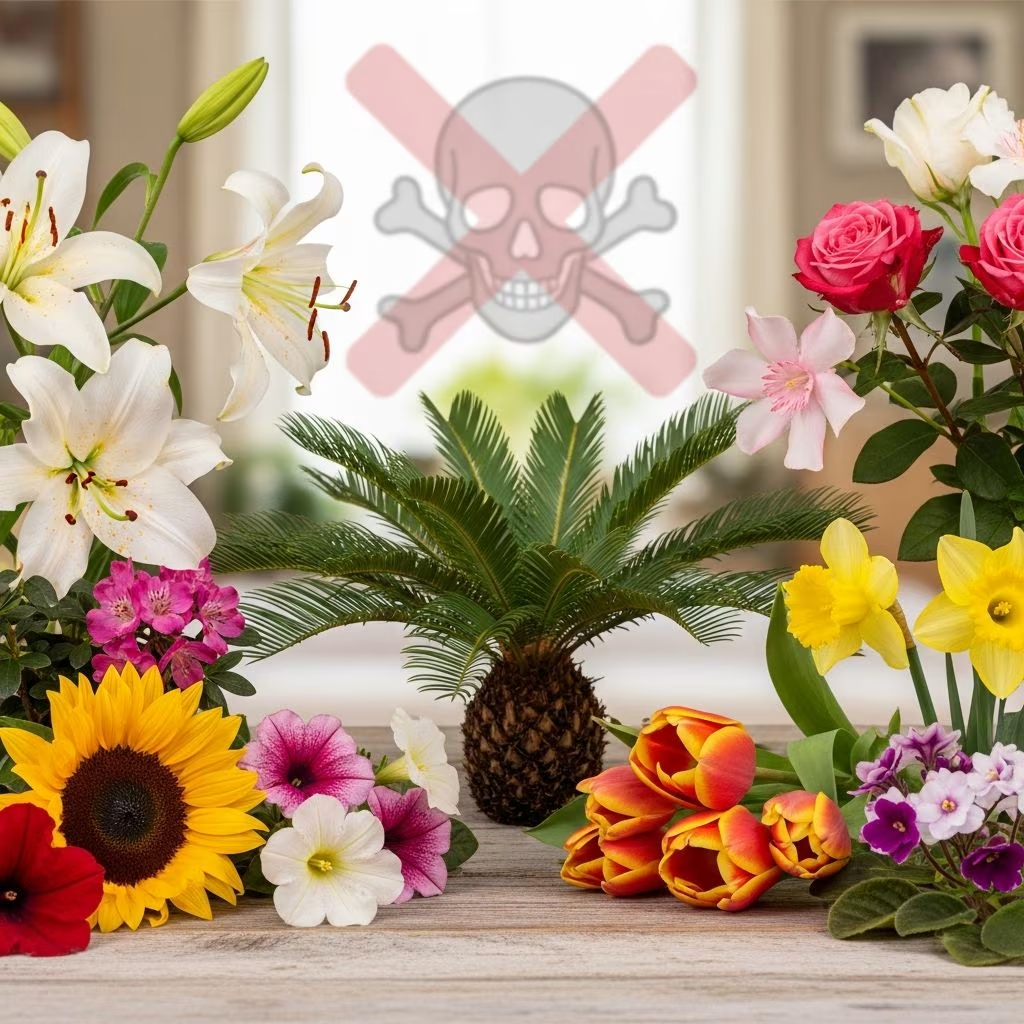
Dogs are naturally curious explorers, often sniffing and nibbling on plants in gardens, homes, and parks. While many flowers add beauty to our spaces, some pose serious health risks to our canine companions. Certain flowers contain toxins that can cause vomiting, organ failure, or even death if ingested. Understanding which flowers are toxic to dogs is crucial for pet owners to create safe environments. This comprehensive guide covers common toxic flowers, their symptoms, what to do in case of poisoning, and safer alternatives, drawing from veterinary expertise to help you protect your pup.
Why Are Some Flowers Toxic to Dogs?
Plants produce toxins as a defense mechanism against herbivores, and dogs can be affected similarly. These chemicals target various systems: some irritate the gastrointestinal tract, others disrupt heart function or the nervous system. Toxins vary by plant part—bulbs are often most dangerous, followed by leaves and flowers. Even small amounts can harm dogs due to their smaller body size compared to humans. According to the ASPCA, common household and garden plants like lilies and sago palms top the list of frequent poisoning cases. Factors like the dog’s size, age, and health influence severity; puppies and small breeds face higher risks.
Common Toxic Flowers and Plants for Dogs
Here’s a detailed look at prevalent flowers toxic to dogs, including their toxins, symptoms, and toxicity levels. This list focuses on those commonly found in homes and yards.
Lilies
Lilies are among the most dangerous flowers for dogs. True lilies (Lilium species) like Asiatic, Easter, Stargazer, and Tiger lilies cause severe kidney failure. Even small ingestions lead to vomiting within hours, progressing to lethargy, loss of appetite, and potential death without treatment. Daylilies (Hemerocallis) similarly affect kidneys with unknown toxins. All parts are toxic; keep these out of reach.
Tulips and Hyacinths
Tulips contain tulipalin A, concentrated in bulbs, causing intense gastrointestinal upset, drooling, vomiting, and diarrhea. Hyacinths, related bulbs, produce similar symptoms plus dermatitis. The ASPCA notes convulsions and low blood pressure in severe cases. Spring gardens often feature these; supervise digging dogs.
Daffodils
Daffodils (Narcissus) pack lycorine, leading to vomiting, diarrhea, abdominal pain, increased heart rate, and breathing issues. Bulbs are most potent. Chewy lists them among top toxic houseplants.
Azaleas and Rhododendrons
These contain grayanotoxins affecting the heart and nervous system. Symptoms include drooling, vomiting, diarrhea, weakness, abnormal heart rate, hypotension, seizures, and blindness. All parts are toxic; rhododendrons are more potent.
Chrysanthemums (Mums)
Pyrethrins and sesquiterpene lactones cause vomiting, diarrhea, hypersalivation, and dermatitis. High toxicity, per Animal Emergency Service. Popular fall plants, so caution advised.
Hydrangeas
Cyanogenic glycosides yield hydrogen cyanide, causing vomiting, diarrhea, depression, and rapid breathing. Leaves and flowers are risky.
Peace Lilies
Calcium oxalate crystals irritate mouth and GI tract, causing burning sensation, drooling, vomiting, and swallowing difficulty. Common indoor plants.
Oleander
Cardiac glycosides disrupt heart rhythm, causing drooling, vomiting, tremors, seizures, and abnormal heart rate. Highly toxic; small amounts fatal.
Cyclamen
Terpenoid saponins in tubers cause drooling, vomiting, diarrhea, heart issues, and seizures.
Sago Palm (Not a Flower but Common Cycad)
Blooms rarely but cycasin damages liver, causing vomiting, diarrhea, bruising, seizures, and liver failure.
Other Notable Toxic Flowers
- Irises: Rhizomes cause vomiting, drooling, lethargy.
- Calla Lilies: Oral irritation, drooling, vomiting.
- Morning Glories: Vomiting, hallucinations.
- Peonies: GI upset.
- Geraniums: Vomiting, dermatitis.
This isn’t exhaustive; consult ASPCA lists for more.
Symptoms of Flower Poisoning in Dogs
Recognize signs early: immediate (vomiting, drooling, diarrhea) or delayed (lethargy, seizures). Severity depends on amount ingested and plant. GI symptoms appear first (1-6 hours), followed by organ effects. Watch for tremors, collapse, abnormal breathing, jaundice (liver), or bloody stool. Small dogs show symptoms faster.
| Symptom | Common Causes | Severity |
|---|---|---|
| Vomiting/Diarrhea | Tulips, Lilies, Mums | Mild-Moderate |
| Drooling/Oral Irritation | Peace Lily, Daffodils | Mild |
| Heart Issues/Weakness | Oleander, Azaleas | High |
| Seizures/Collapse | Sago Palm, Cyclamen | Critical |
What to Do If Your Dog Eats a Toxic Flower
Act fast: remove plant remnants, note the plant/time ingested. Don’t induce vomiting unless vet instructs—risks aspiration. Contact vet or poison hotline (ASPCA: 888-426-4435) immediately. Treatment: activated charcoal, IV fluids, anti-nausea meds, monitoring. Severe cases need hospitalization. Prevention beats cure.
How to Dog-Proof Your Garden and Home
- Research before planting; use ASPCA non-toxic list.
- Fence off gardens or use raised beds.
- Indoor: hang plants or use pet-proof shelves.
- Train ‘leave it’ command.
- Provide safe chews/toys.
- Supervise outdoor time.
Safe Flowers and Plants for Dogs
Opt for these non-toxic options:
- Roses (avoid thorns)
- Sunflowers
- Marigolds
- Carnations
- Camellias
- Aster
- Snapdragons
- Orchids (some varieties)
- Ferns (Boston, Maidenhair)
Verify with reliable sources; even ‘safe’ plants can cause GI upset if overeaten.
Frequently Asked Questions (FAQs)
Are all lilies toxic to dogs?
Most true lilies (Lilium) and daylilies are highly toxic, causing kidney failure. Avoid all.
Can a small bite of a toxic flower hurt my dog?
Yes, even small amounts can cause symptoms, especially in small dogs.
What if my dog ate a tulip bulb?
Call vet immediately; expect vomiting and seek supportive care.
Are hydrangeas safe if my dog just sniffs them?
Sniffing is usually fine, but ingestion risks cyanide poisoning.
How do I prevent my dog from eating plants?
Use barriers, training, and dog-safe plants.
Conclusion: Keep Your Dog Safe from Toxic Blooms
Knowledge of toxic flowers empowers dog owners to prevent tragedies. Regular checks, education, and quick action save lives. Consult vets for personalized advice and enjoy a poison-free paradise with your pup.
References
- Poisonous Plants for Dogs: 10 Plants Toxic to Pups — Chewy. 2023. https://www.chewy.com/education/dog/health-and-wellness/complete-guide-to-poisonous-plants-for-dogs
- Flowers and Plants Toxic to Dogs and Cats: An AZ Guide — Animal Emergency Service. 2023. https://animalemergencyservice.com.au/blog/flowers-plants-toxic-dogs-cats/
- 15 Plants Toxic to Dogs — ASPCA Pet Insurance. 2024. https://www.aspcapetinsurance.com/resources/plants-toxic-to-dogs/
- Poisonous plants for dogs — Blue Cross. 2023. https://www.bluecross.org.uk/advice/dog/health-and-injuries/plants-poisonous-to-dogs
- Toxic and Non-Toxic Plant List — Dogs — ASPCA. 2025. https://www.aspca.org/pet-care/animal-poison-control/dogs-plant-list
- Toxic and Non-Toxic Plants — ASPCA. 2025. https://www.aspca.org/pet-care/aspca-poison-control/toxic-and-non-toxic-plants



