

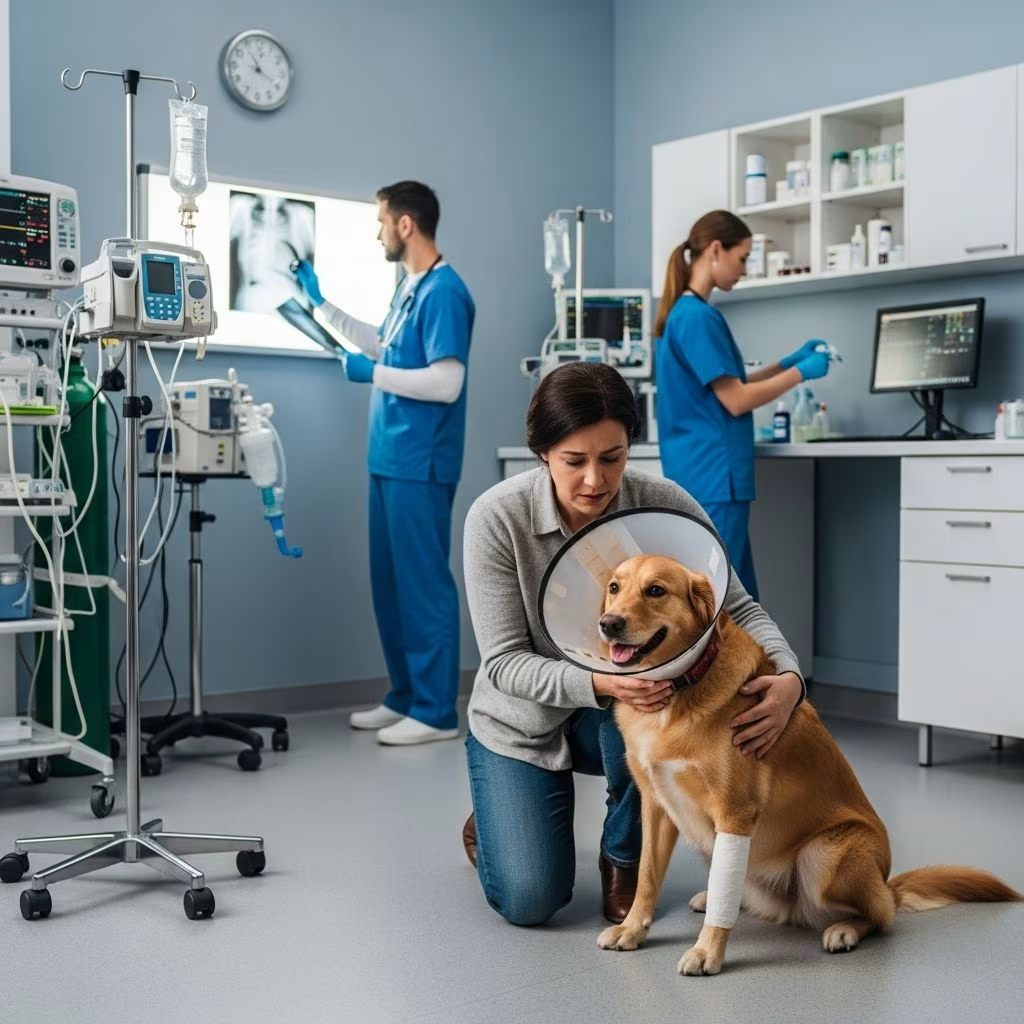
Your dog’s health can change in an instant, turning a peaceful evening into a frantic rush to the emergency vet. Knowing what to expect can reduce your stress and help you advocate for your pet. This guide covers recognizing emergencies, preparing for the visit, the triage process, diagnostics, treatments, costs, and aftercare.
Recognizing a Dog Emergency
Pet emergencies strike without warning. Quick recognition can save lives. Common signs include difficulty breathing, uncontrolled bleeding, seizures, trauma from hits by cars, heatstroke, poisoning, pale or blue gums, unresponsiveness, or severe pain indicated by whining or restlessness.
Even if your dog seems fine after trauma like a car accident, internal injuries like shock or organ damage may not show immediately, so seek exam right away. Single vomiting episodes in healthy dogs might wait, but repeated vomiting, especially with existing conditions like kidney disease, demands urgent care.
- Breathing issues: Labored, rapid, or open-mouth breathing.
- Bleeding: That doesn’t stop after 5-10 minutes of pressure.
- Neurological signs: Seizures, disorientation, or paralysis.
- Toxicity: Ingestion of chocolate, xylitol, rodenticides, or medications.
- Trauma: Limping severely, obvious fractures, or abdominal swelling.
Monitor gum color (should be pink), hydration (skin tent test), and temperature (normal 100.5°F–102.5°F). Pale gums or temperatures outside this range signal trouble. If unsure, call your vet—better safe than sorry.
Preparing for an Emergency Vet Visit
Preparation starts before the crisis. Have contacts for 24/7 emergency vets like BluePearl, VCA, or local clinics saved in your phone. Know Pet Poison Helpline (888-426-4435) and ASPCA Poison Control (888-426-4435).
Assemble a pet first aid kit: sterile gauze, bandages, saline, digital thermometer, muzzle, hydrogen peroxide (vet-approved only), tourniquet, blanket for stretcher, collapsible bowl. Take a pet first aid course from organizations like the American Red Cross.
Keep records organized: vaccination history, medical records, radiographs, current medications with dosages (photos help). Note any recent exposures, toxins, or diet changes. Fill out an emergency contact card with your pet’s info, your details, and vet history.
| Essential Kit Items | Purpose |
|---|---|
| Sterile gauze and bandages | Wound control |
| Digital thermometer | Check temperature |
| Muzzle | Prevent bites in pain |
| Blanket/board | Stabilize for transport |
| Hydrogen peroxide | Induce vomiting (vet-directed) |
Getting to the Emergency Vet Safely
Stay calm—pets sense panic. If choking, try finger sweep or Heimlich, but rush to vet even if resolved. For fractures, improvise splint with cardboard/towel, transport on flat board/blanket to avoid spinal injury. Use carrier, box, or towel wrap if no carrier—don’t delay.
Call ahead with symptoms, history, vitals if possible. Muzzle if pain-agitated. Bring packaging of toxins/meds. Drive safely; have a helper monitor your dog.
What Happens When You Arrive: Triage and Initial Assessment
Emergency vets use triage to prioritize life-threatening cases. Expect wait times based on severity—critical patients go first. Staff takes history: onset, symptoms, exposures, meds, vitals (heart rate, respiration, temp, gum color).
Physical exam follows: check ABCs (Airway, Breathing, Circulation). Stabilize with oxygen, IV fluids, pain meds if needed. You may wait in lobby while initial care happens.
Diagnostic Tests and Procedures
Pets can’t verbalize pain, so diagnostics are key. Start with bloodwork (CBC, chemistry for organ function), urinalysis, X-rays, ultrasound. Advanced: CT, ECG for heart issues.
Expect explanations of tests, risks (minimal, like sedation), and costs upfront. Results guide treatment; some take time.
- Bloodwork: Detects anemia, infection, kidney/liver issues.
- Imaging: Finds fractures, fluid, tumors.
- Ultrasound: Real-time organ views.
Treatment and Hospitalization
Treatment varies: IV fluids for dehydration/shock, surgery for wounds/fractures, meds for pain/seizures/poisoning. Diabetic emergencies like DKA need immediate IV insulin/electrolytes.
Hospitalization may be 1-3 days or more for monitoring. Updates via phone; visiting hours limited to reduce stress. Delaying worsens prognosis—e.g., untreated kidney failure progresses fast.
Understanding Emergency Vet Costs
Costs range $100-$500+ for exam/diagnostics, thousands for surgery/hospitalization. Factors: time (nights/weekends higher), tests, length of stay. Payment upfront often required; discuss estimates, payment plans. Pet insurance helps—check coverage.
| Service | Typical Cost Range |
|---|---|
| Exam & Initial Triage | $100-$300 |
| Bloodwork | $150-$400 |
| X-rays | $100-$250 |
| Ultrasound | $300-$800 |
| Overnight Stay | $500-$1,500/day |
Ask about alternatives if costs concern you, but prioritize life-saving care.
After the Emergency: Discharge and Follow-Up
Discharge includes meds, instructions (diet, activity restrictions, wound care), recheck schedule. Monitor closely: worsening signs mean return ASAP. Follow up with primary vet for records continuity.
Rest, small meals, crate confinement if needed. Signs of decline: lethargy, poor appetite, reopening wounds.
Preventing Future Emergencies
Regular vet checkups, vaccinations, preventives (flea/tick/heartworm). Secure toxins, supervise outdoors, microchip ID. At-home checks: weekly gums, weight, stool. Train recall, use leashes.
Frequently Asked Questions (FAQs)
Q: When should I rush my dog to the emergency vet?
A: Immediately for breathing issues, heavy bleeding, seizures, trauma, poisoning, or unresponsiveness. Call if unsure.
Q: What if I don’t have a pet carrier?
A: Use a sturdy box, laundry basket, or towel wrap—don’t delay transport.
Q: How long do waits take at the ER?
A: Varies by triage; critical cases first. Stable pets may wait 1-2 hours.
Q: Can I visit my dog during hospitalization?
A: Limited hours to minimize stress; ask staff policy.
Q: What’s in a basic pet first aid kit?
A: Gauze, bandages, thermometer, muzzle, saline, blanket.
Final Thoughts
Emergency vet visits test us as pet parents, but preparedness empowers you. Act fast, stay informed, and trust professionals—your quick response gives your dog the best shot.
References
- What to Do in a Pet Emergency: 11 Things Your Vet Wishes You Knew — Pumpkin Pet Insurance. 2023. https://www.pumpkin.care/post/vets-guide-what-to-do-in-a-pet-emergency
- Recognizing Pet Emergencies: A Guide for Oakdale Dog and Cat Owners — Family Veterinary Care of Oakdale. 2024. https://oakdalevet.com/recognizing-pet-emergencies-a-guide-for-oakdale-dog-and-cat-owners/
- Understanding Diabetic Emergencies in Pets — Grove Vet Clinic. 2023. https://grovesvetclinic.com/understanding-diabetic-emergencies-in-pets/
- Be Prepared: Four Pet Emergency Room Essentials for Pet Parents — Kinship. 2023. https://www.kinship.com/pet-health/pet-emergency-room-essentials



