

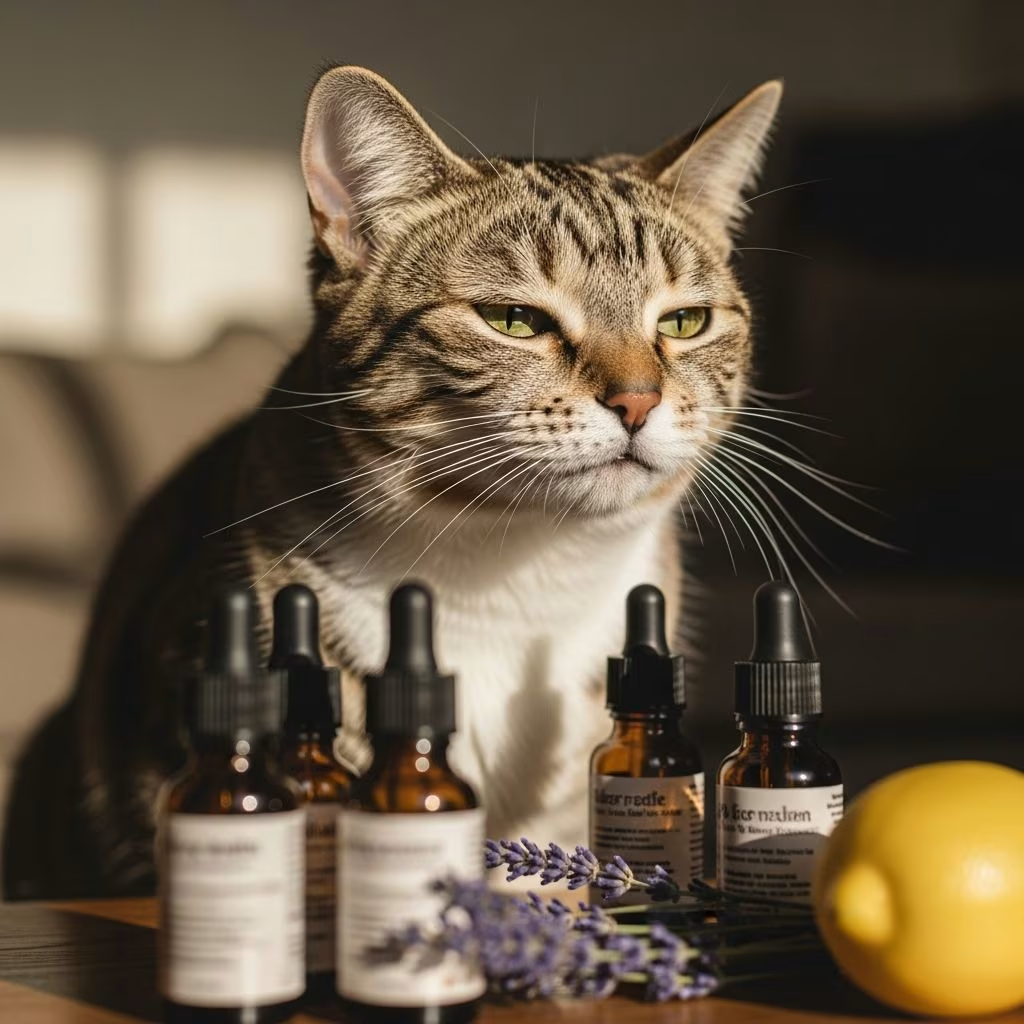
Cats possess an extraordinarily sensitive sense of smell, making certain essential oils overwhelming or even toxic to them. Common oils like citrus, peppermint, eucalyptus, and lavender top the list of scents cats hate due to their potent chemical compounds that can cause aversion or severe health issues.
Understanding Cats’ Unique Sense of Smell
Cats have approximately 200 million odor receptors compared to humans’ 5 million, allowing them to detect scents at concentrations 14 times lower than we can. This heightened olfactory system makes strong aromas from essential oils particularly intense, often leading to discomfort, stress, or avoidance behaviors like hiding or fleeing.
Essential oils are highly concentrated plant extracts used for aromatherapy, cleaning, and wellness. While beneficial for humans, their volatile compounds—such as phenols, terpenes, and limonene—can irritate a cat’s respiratory tract or be absorbed through their skin and groomed into their system. Cats lack certain liver enzymes (glucuronyl transferase) to metabolize these phenols effectively, leading to toxin buildup.
Essential Oils That Are Toxic or Repellent to Cats
Numerous essential oils are disliked by cats and many are outright dangerous. Exposure via diffusion, topical application, or ingestion can result in poisoning. Here’s a breakdown of the most common offenders.
Citrus Oils: Lemon, Orange, Lime, and Grapefruit
Citrus essential oils contain high levels of limonene and linalool, which emit overpowering scents that cats detest. These compounds are irritants and can cause skin burns, drooling, or vomiting if ingested. Cats often wrinkle their noses or run away from lemon or orange diffusers.
- Lemon oil: Strong citrus blast overwhelms feline senses.
- Orange oil: Common in cleaners; highly repellent.
- Lime and grapefruit: Similar limonene content triggers aversion.
Herbal and Minty Oils: Peppermint, Eucalyptus, and More
Minty and herbal oils like peppermint and eucalyptus produce menthol-like scents that cats find repulsive. These can lead to respiratory distress or neurological symptoms due to their phenolic compounds.
- Peppermint: Intense mint aroma causes salivation and tremors.
- Eucalyptus: Respiratory irritant; listed as highly toxic by ASPCA.
- Wintergreen: Contains methyl salicylate, akin to aspirin toxicity.
Floral and Spicy Oils: Lavender, Tea Tree, Cinnamon, Clove
Lavender, while calming for humans, harbors linalool and linalyl acetate toxic to cats, causing liver damage. Spicy oils like cinnamon and clove irritate mucous membranes.
| Oil Type | Key Compounds | Effects on Cats |
|---|---|---|
| Citrus (e.g., Lemon) | Limonene, Linalool | Repulsion, skin irritation, vomiting |
| Mint (Peppermint) | Menthol, Pulegone | Drooling, tremors, ataxia |
| Herbal (Eucalyptus) | 1,8-Cineole | Breathing difficulty, lethargy |
| Floral (Lavender) | Linalool, Linalyl Acetate | Liver toxicity, low body temp |
| Spicy (Cinnamon) | Cinnamaldehyde | Mouth ulcers, diarrhea |
Other Dangerous Oils
Additional toxic oils include pine, tea tree (melaleuca), ylang ylang, pennyroyal, thyme, oregano, clove, sweet birch, geranium, rosemary, and basil. These can cause everything from mild irritation to fatal organ failure.
Why Do Cats Hate These Essential Oils?
Chemical Composition and Feline Metabolism
Essential oils’ active compounds like terpenes, phenols, and ketones are lipophilic, meaning they easily pass through cats’ skin and are poorly processed by their livers. Inhalation allows direct absorption into the bloodstream, bypassing detoxification.
Natural Instincts and Territorial Behavior
Cats’ wild ancestry makes them wary of unfamiliar strong scents, associating them with predators or toxins. Citrus mimics spoiled fruit signals, while minty odors signal unripe plants—both instinctual avoidances for self-preservation.
Health Risks and Signs of Essential Oil Toxicity in Cats
Even diffused oils can harm cats through airborne particles settling on fur or inhalation. Topical use worsens risks as cats groom themselves.
Common symptoms include:
- Drooling or pawing at mouth
- Vomiting or diarrhea
- Tremors, seizures, or unsteady gait
- Lethargy or weakness
- Difficulty breathing or coughing
- Low body temperature or burns on skin/paws
Severe cases may lead to liver failure or death. If suspected, contact a vet or ASPCA Poison Control immediately—do not induce vomiting.
Are There Safe Scents or Essential Oils for Cats?
No essential oils are truly safe for cats due to their inefficient metabolism of plant compounds. Vets universally advise against their use near felines.
However, cats often enjoy mild natural scents:
- Catnip (Nepeta cataria): Triggers euphoria via nepetalactone; safe in moderation.
- Silver vine or valerian root: Similar appealing pheromones.
- Chamomile (diluted, non-essential): Mildly soothing if vet-approved.
Avoid all concentrated oils; opt for cat-specific toys infused with safe attractants.
How to Use Essential Oils Safely Around Cats
To minimize risks while enjoying aromatherapy:
- Never diffuse in shared spaces; use fan-only or pet-free rooms with ventilation.
- Dilute heavily (if using topically on yourself) and avoid cat contact for hours.
- Store securely out of reach to prevent spills or chewing.
- Choose cat-safe alternatives like unscented products or hydrosols.
- Monitor behavior and seek vet advice before any use.
Pet owners report success with unscented diffusers or placing oils in closed-off areas, but complete avoidance is safest.
Frequently Asked Questions (FAQs)
What scent do cats hate the most?
Citrus scents like lemon and orange are among the most disliked by cats due to their intense limonene aroma.
Can diffusing essential oils harm my cat?
Yes, even diffused oils can cause toxicity through inhalation or fur absorption. Symptoms may appear within hours.
Is lavender oil safe for cats?
No, lavender is toxic, causing potential liver damage despite its calming reputation for humans.
What should I do if my cat is exposed to essential oils?
Remove exposure, ventilate the area, and call a vet or poison hotline immediately. Note the oil type and amount.
Are there any essential oils cats like?
No safe essential oils exist for cats; stick to catnip or silver vine for positive scent experiences.
Conclusion: Prioritize Your Cat’s Safety
While essential oils enhance human well-being, they pose significant risks to cats. By understanding which oils cats hate—and why—they’re dangerous, you can create a safer home. Always err on caution: when in doubt, leave it out. Consult your veterinarian for personalized advice on scents and wellness.
References
- What Essential Oils Do Cats Hate? Unlocking the Mystery — Rocky Mountain Oils. 2023. https://www.rockymountainoils.com/blogs/essential-oil-basics/what-essential-oils-do-cats-hate
- 10 Essential Oils That Are Dangerous To Your Cat — Happy Tail Servet. 2023. https://happytailservet.com/blog/10-essential-oils-that-are-dangerous-to-your-cat/
- Which Essential Oils Are Toxic to Pets? — Michelson Found Animals. 2023. https://www.foundanimals.org/essential-oils-toxic-pets/
- What Smells Do Cats Hate? 15 Scents Cats Dislike — PetMD. 2024-01-15. https://www.petmd.com/cat/general-health/what-smells-do-cats-hate
- List of Toxic Essential Oils — Tomlinson’s Feed. 2023. https://tomlinsons.com/blogs/articles/list-of-toxic-essential-oils
- What Smells Do Cats Hate? 16 Smells That Cats Hate the Most — Litter-Robot. 2023. https://www.litter-robot.com/blog/smells-cats-hate/
- Four Scents that Cats Hate — Patton Veterinary Hospital. 2023. https://pattonvethospital.com/blog/1407734-four-scents-that-cats-hate



