

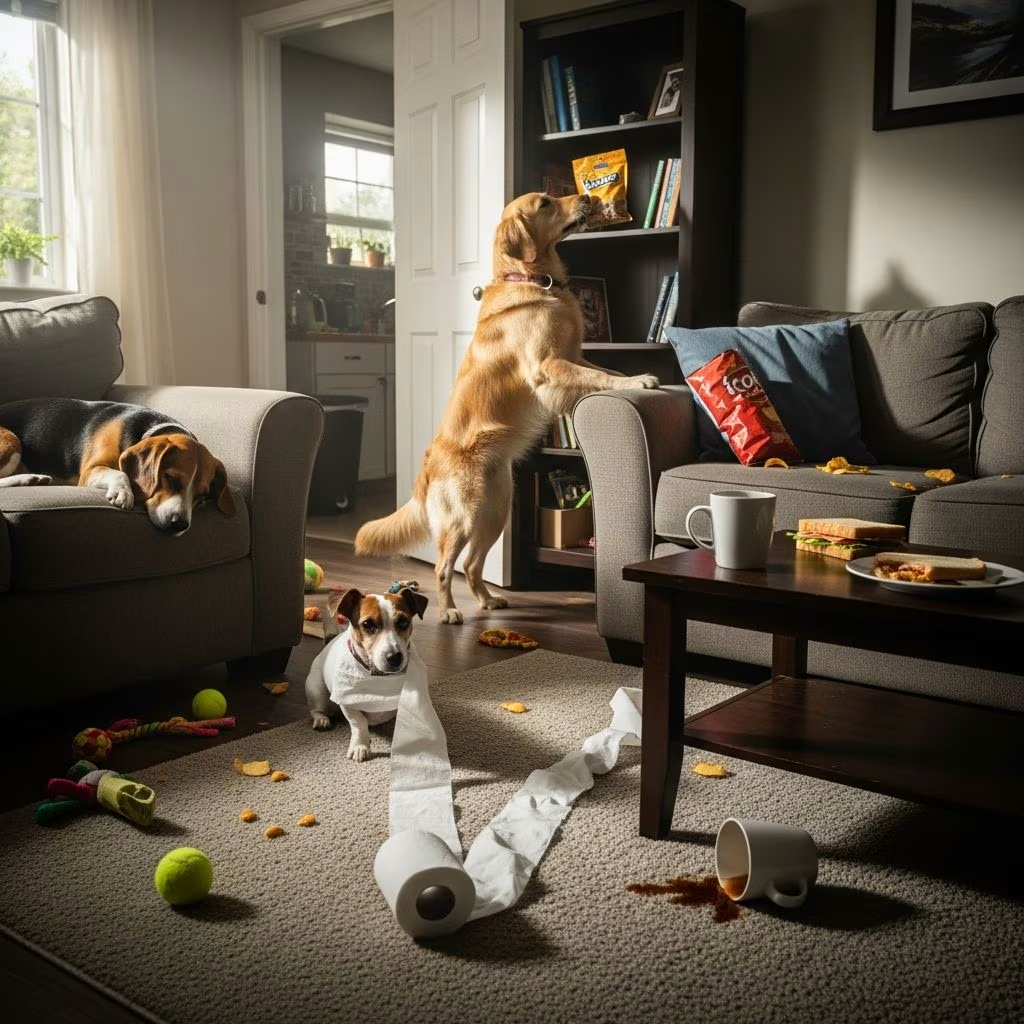
Dogs exhibit a range of behaviors when left alone, from calm relaxation to signs of distress like excessive barking or chewing. Understanding these patterns helps owners foster a secure environment for their pets.
Understanding Your Dog’s Solo Time
Most dogs spend their alone time in low-key activities, but some struggle with isolation. Veterinary sources note that healthy dogs often sleep or rest quietly, while those with issues show targeted distress behaviors only in the owner’s absence. This distinction is key to identifying normalcy versus problems like separation anxiety, a condition affecting many pets where distress manifests specifically during solitude.
Typical Calm Behaviors in Dogs Left Alone
Many dogs adapt well to alone time, engaging in restful or mildly engaging pursuits. According to animal behavior experts, well-adjusted dogs prioritize sleep, accounting for up to 12-14 hours daily, much of it during owner absences.
- Sleeping and Napping: Dogs curl up in cozy spots, conserving energy after morning walks.
- Patrolling the Home: Brief checks of windows or doors to monitor their territory.
- Chewing Toys: Gnawing on safe items to pass time without destruction.
- Self-Grooming: Licking paws or fur to stay clean and comfortable.
These actions indicate comfort and security, contrasting sharply with anxious responses.
Spotting the Red Flags of Separation Anxiety
Separation anxiety triggers specific, intense reactions not seen when owners are present. The ASPCA lists persistent vocalizations and destruction as hallmarks, often starting minutes after departure. PetMD echoes this, highlighting clinginess beforehand and house soiling indoors.
| Behavior | Description | When It Occurs |
|---|---|---|
| Vocal Distress | Barking, howling, whining | Immediately upon leaving |
| Destruction | Chewing doors, furniture | Targeted at exit points |
| Elimination | Urine/defecation indoors | House-trained dogs only alone |
| Pacing/Escaping | Scratching windows, digging | Attempts to reunite |
| Appetite Loss | Refusing food/treats | Until owner returns |
These symptoms stem from emotional attachment, per a peer-reviewed study on canine separation issues.
Root Causes Behind Anxious Alone Time
Several factors contribute to distress. Changes like moving, new schedules, or loss of a companion dog can trigger onset. Lack of socialization or past shelter experiences heighten vulnerability. Over-dependence forms when dogs aren’t taught independence early, leading to panic at separations.
- Life Transitions: Rehoming, family changes, or routine shifts.
- Training Gaps: Insufficient crate or alone-time practice.
- Trauma History: Abandonment or isolation episodes.
- Breed Tendencies: Herding or velcro breeds more prone.
Cornell University’s vet center notes pre-departure cues like grabbing keys amplify stress.
Practical Strategies to Ease Alone Time Worries
Building tolerance gradually prevents escalation. Start with short absences, rewarding calm returns without fanfare to avoid heightening anticipation.
Desensitization Techniques
Practice departure routines neutrally: pick up keys, open doors, but stay home. Trail Animal Hospital recommends puzzle toys at exit to redirect focus.
- Leave for 1-5 minutes, return quietly.
- Extend gradually over weeks.
- Use treats only for settled behavior.
Enrichment and Comfort Tools
Provide mental stimulation to combat boredom mimicking anxiety. Food-dispensing toys or frozen Kongs occupy during initial alone minutes.
- Interactive puzzles for problem-solving.
- Calming music or white noise playlists.
- Comfort items like worn clothing for scent.
Crate and Space Training
A properly sized crate becomes a safe den, not punishment. Introduce positively with meals inside, per ASPCA guidelines.
Advanced Interventions for Persistent Issues
If behaviors persist, consult a veterinary behaviorist. Medication like fluoxetine may aid severe cases alongside behavior modification, as outlined in PMC research. Avoid punishment, which worsens fear.
Professional plans often combine counter-conditioning—pairing departures with positives—and exposure therapy.
Technology and Monitoring Aids
Pet cameras reveal true behaviors, distinguishing anxiety from play. Apps track activity, barking via sound detection, helping tailor responses.
- Video Feeds: Live view with two-way audio for reassurance.
- Treat Dispensers: Remote rewards for calm moments.
- Sensors: Motion alerts for unusual pacing.
Building Long-Term Independence
Daily routines cement security. Morning exercise depletes energy, afternoon naps align with absences. Socialization classes teach group comfort.
Track progress in a journal: note absence duration versus incidents to measure improvement.
FAQs on Dogs Alone at Home
How long can I leave my dog alone?
Puppies under 6 months: 1-2 hours max. Adults: 4-6 hours, with breaks. Monitor for anxiety signs.
Is howling always separation anxiety?
No, but persistent solo howling is. Check via camera; normal dogs quiet quickly.
Can exercise prevent anxiety?
Yes, it reduces excess energy fueling distress. Aim for 30-60 minutes daily.
What if my dog destroys only my items?
Scent attachment drives this; provide alternatives and train redirects.
When to see a vet for alone behaviors?
If self-injury, rapid escalation, or failed home strategies after 4 weeks.
Promoting a Happy, Confident Solo Pup
Patience and consistency transform anxious dogs into independent companions. Regular check-ins via tech and gradual training build resilience, ensuring alone time is peaceful for all.
References
- Why Is My Dog Acting Anxious When I Leave the House? — Trail Animal Hospital. 2023. https://www.trailanimalhospital.com/why-is-my-dog-acting-anxious-when-i-leave-the-house
- Whining, Chewing, Howling: Is Your Dog Suffering from Separation Anxiety? — Animal Family Veterinary Care. 2023. https://animalfamilyveterinarycare.com/?p=2781
- Separation Anxiety — ASPCA. 2024. https://www.aspca.org/pet-care/dog-care/common-dog-behavior-issues/separation-anxiety
- Separation Anxiety in Dogs — PetMD. 2025. https://www.petmd.com/dog/conditions/behavioral/separation-anxiety-dogs
- Canine separation anxiety: strategies for treatment and management — PMC (NCBI). 2020-09-01. https://pmc.ncbi.nlm.nih.gov/articles/PMC7521022/
- Separation Anxiety: The Fear of Being Alone — St. Paul Pet. 2023. https://stpaulpet.com/blog/separation-anxiety-the-fear-of-being-alone/
- Anxious behavior: How to help your dog cope — Cornell University College of Veterinary Medicine. 2024. https://www.vet.cornell.edu/departments-centers-and-institutes/riney-canine-health-center/canine-health-topics/anxious-behavior-how-help-your-dog-cope-unsettling-situations



