

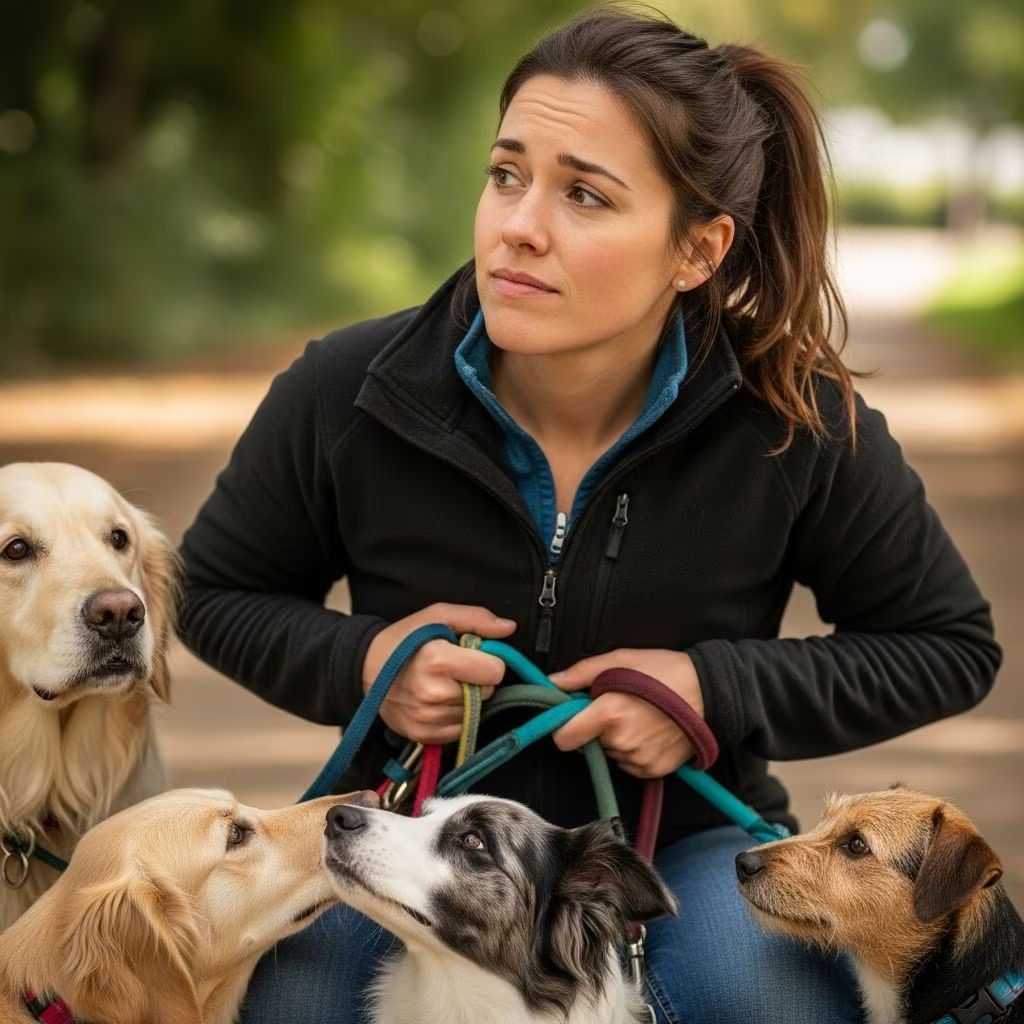
Professional dog walkers spend hours daily with your furry companions, observing their quirks, training them on the go, and managing group dynamics. While pet parents might see walks as simple exercise, walkers reveal a deeper world of canine social cues, tailored groupings, and subtle judgments. This article dives into the unvarnished perspectives from seasoned UK dog walkers, covering how they select dog groups, resolve conflicts, implement training, assess behaviour, and cope with stresses. Drawing from real walker experiences, you’ll gain insights to improve your dog’s walks and strengthen the walker-pet parent bond.
How we choose our dog groups
Creating harmonious dog walking groups is both an art and a science. Walkers prioritise **temperament matching** to ensure every dog feels comfortable and safe. They aim for groups where dogs are neutral towards each other, avoiding mismatched energy levels that could spark tension.
- Playful dogs are paired only with similarly energetic pups or those who calmly request space, preventing overstimulation.
- Nervous or anxious dogs walk solo or with one calm, confident companion who models relaxed behaviour, allowing shy pups to acclimatise gradually.
- Social cue awareness is non-negotiable; dogs unable to read boundaries are excluded to maintain group comfort.
Slow introductions are key, especially for reactive dogs. Walkers use long lines for controlled exposure, progressing at the dog’s pace. This method reassures confident dogs while building the nervous one’s security. Over time, consistent exposure helps anxious pups gain confidence, but safety always comes first. By curating these balanced groups, walkers foster positive interactions that benefit all participants’ mental health and enjoyment.
What happens if our dogs don’t get on with each other?
Conflicts are rare but inevitable in dog socialisation. Even dogs with similar temperaments or breeds may clash due to subtle incompatibilities. Walkers mitigate risks through meticulous introductions, but if dogs simply don’t click, separation is immediate and permanent within the group.
| Reason for Conflict | Walker Response | Long-term Solution |
|---|---|---|
| Age differences (e.g., adolescents) | Slow intro with supervision | Retry later or keep separate |
| Neutering status | Monitor hormone-driven tension | Permanent group split |
| Personality clash | Immediate separation | No future cross-paths |
Success stories abound: adolescent dogs often reconcile post-maturity, thanks to patience. Walkers avoid forcing interactions, prioritising welfare. This approach not only prevents fights but teaches dogs polite social skills. Pet parents appreciate updates, fostering trust. Ultimately, separate groups ensure every dog thrives without drama.
How much dog training we actually do
Dog walking isn’t just exercise—it’s a full-time training ground. Walkers embed commands throughout routines, transforming walks into behaviour-shaping sessions. They train against common issues like doorbell reactivity, jumping, and demand-barking, achieving results often superior to home behaviour.
- Constant reinforcement: Every walk reinforces basics like recall, loose-leash walking, and calm greetings.
- Group control: Essential for safety, ensuring walkers maintain authority over multiple dogs.
- Pandemic puppy advantage: Early training on young dogs sets a behavioural standard for newcomers.
Walkers note stark contrasts: a dog might ignore home commands but respond flawlessly during walks due to consistent, positive methods. This underscores training’s role in safety—uncontrolled groups risk injury. Pet parents benefit indirectly as improved habits transfer home. Walkers invest heavily because reliable control is non-negotiable.
Do we judge you on your dog’s behaviour?
Judgment creeps in when training philosophies clash. Walkers seek alignment with pet parents, selecting clients who value their input. If a parent’s habits undermine walk progress—like allowing off-leash approaches despite recall work—partnerships end.
Key values include:
- Respect for recall and boundaries.
- Openness to advice on reactivity or social cues.
- Consistency across home and walk routines.
Walkers don’t criticise lightly but prioritise dogs’ progress. Compatible families create win-wins: better-behaved dogs and smoother services. Mismatched ones lead to polite exits, ensuring walkers focus on supportive environments.
The stressful part
The biggest frustration? Uncontrolled dogs and unaware pet parents encountered on walks. Many lack body language knowledge, misinterpreting ‘friendly’ charges as greetings when they’re often overstimulated threats.
- Common issues: Dogs riling up groups, ignoring space needs, or rude responses to recall requests.
- Body language blind spots: Stiff tails, averted gazes signal discomfort, yet owners push interactions.
- Walker advocacy: Polite interventions often met with defensiveness, escalating stress.
Walkers emphasise education: understanding cues prevents mishaps. Safe spaces for reactive dogs are vital, yet violated by oblivious walkers. This highlights etiquette’s importance—leash control, poop pickup, and respect keep communities harmonious.
Frequently Asked Questions (FAQs)
Q: How do dog walkers ensure safe group dynamics?
A: By matching temperaments, using slow introductions with long lines, and separating incompatible dogs permanently for comfort and safety.
Q: What training do walkers perform daily?
A: Continuous work on recall, no jumping, anti-barking, and group control to maintain safety and good behaviour.
Q: Do walkers judge pet parents?
A: Only if training approaches conflict; they prefer aligned families to maximise dog progress.
Q: Why are uncontrolled dogs stressful for walkers?
A: They disrupt groups, ignore cues, and lead to confrontations, risking safety due to owners’ body language ignorance.
Q: Can nervous dogs join groups?
A: Yes, solo or with calm models, via gradual acclimatisation at their pace.
Improving Your Dog Walking Experience
Beyond walker insights, pet parents can enhance walks by observing cues, respecting etiquette, and collaborating on training. Apps for updates, clear instructions, and post-walk debriefs build trust. Consider your dog’s needs: high-energy breeds need vigorous outings, seniors gentle strolls. Regular check-ins ensure compatibility.
Choosing a walker? Meet them, watch interactions—dogs judge character well. Prioritise insured, experienced pros with references. Clear contracts outline services, emergencies, and fees.
In group walks, benefits abound: socialisation, exercise, routine. Solo walks suit reactives. Communicate preferences upfront.
Walker stresses underscore community responsibility. Follow etiquette: leash up, scoop poop, yield space. Educate via resources on signals—ears back mean fear, not play.
Ultimately, aligned teams yield happiest dogs. Listen to your walker; their expertise transforms walks into joy.
References
- Guide to Dog Walking Etiquette — Kinship. 2023. https://www.kinship.com/dog-lifestyle/dog-walking-etiquette
- What Your Dog Walker Really Thinks — Kinship UK. 2023. https://www.kinship.com/uk/dog-behaviour/what-dog-walker-really-thinks
- Canine Communication and Body Language — American Kennel Club. 2024-01-10. https://www.akc.org/expert-advice/training/reading-dog-body-language/
- Dog Group Walk Safety Guidelines — RSPCA. 2023-05-15. https://www.rspca.org.uk/adviceandwelfare/pets/dogs/exercise/walking
- Positive Reinforcement Training for Dogs — Association of Professional Dog Trainers. 2024. https://apdt.com/resource-center/positive-reinforcement/



