

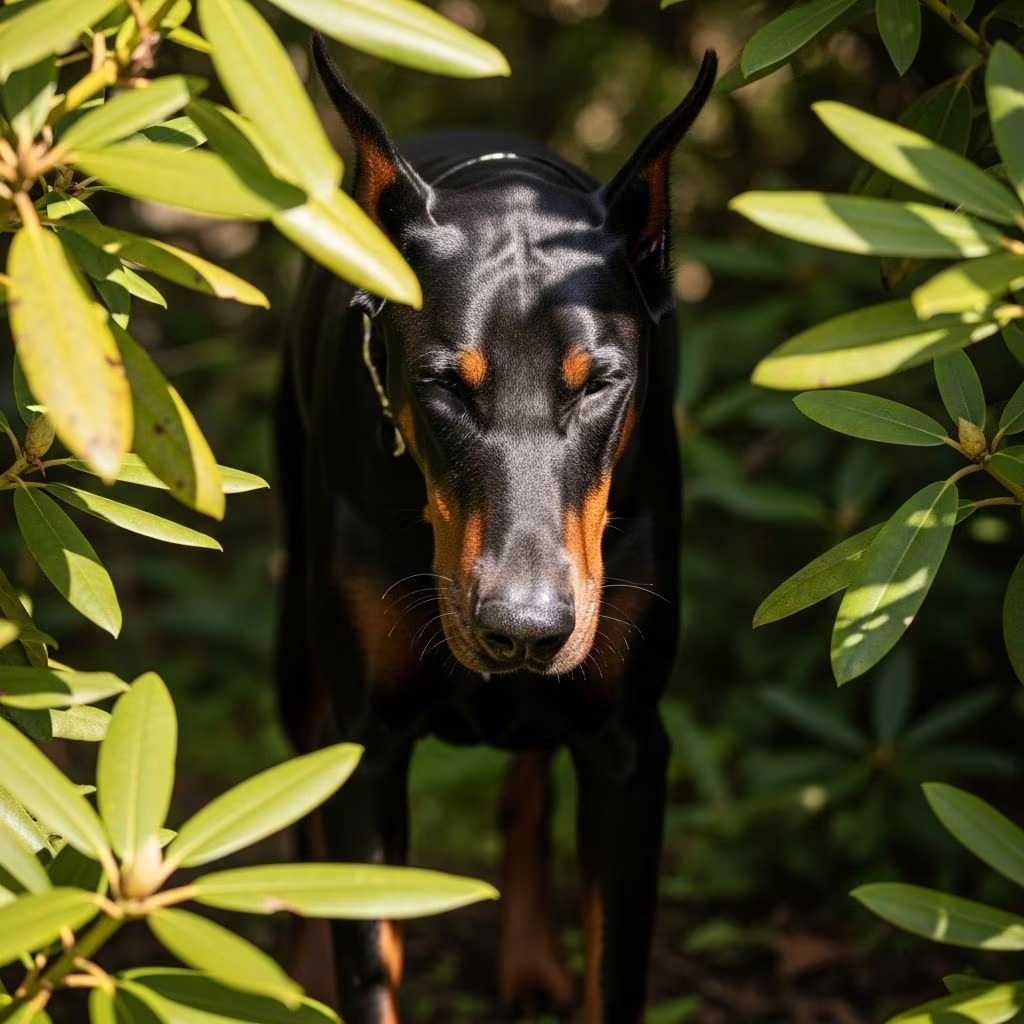
Dog trancing, sometimes called “ghost walking,” “weed walking,” or trance-like syndrome, is a peculiar behavior where dogs walk in an unusually slow, deliberate manner, often positioning themselves under hanging objects like leaves, curtains, or tablecloths so that these lightly brush their back. This hypokinetic gait features slowed footfalls, with dogs appearing zoned out, their eyes glassy or squinted, ears flattened, and nose often pointed upward. Episodes can last from a few minutes to nearly 30 minutes, but dogs typically remain responsive and snap out of it when called by name.
While alarming to first-time observers, dog trancing is generally a normal, non-harmful behavior observed across various breeds, not linked to neurological diseases or future health issues. It stands apart from seizures because trancing dogs react to stimuli—ears twitching, tail wagging, or even showing mild annoyance at interruption—while acting completely normal before and after.
Characteristics of Dog Trancing
The hallmark of dog trancing is the deliberate, slow-motion walk, as if the dog is in a hypnotic state. Key features include:
- Slowed, hypokinetic gait: Each step is exaggeratedly careful and paced, differing from normal movement.
- Positioning under objects: Dogs seek out low-hanging items like branches, plants, fabrics, or tablecloths that skim their dorsal midline (back).
- Facial and body cues: Glassy or half-closed eyes, elevated head with nose skyward, flattened ears, and a trance-like expression.
- Duration and responsiveness: Lasts minutes to half an hour; dogs acknowledge their name with subtle responses like ear flicks or glances, unlike unresponsive seizures.
- Post-episode normalcy: Dogs resume regular behavior immediately after, with no confusion or fatigue.
This behavior can occur indoors or outdoors, triggered by anything that lightly touches the dog’s back, creating a soothing sensation.
Why Do Dogs Trance?
The exact cause of dog trancing remains unknown, with no definitive scientific evidence pinpointing its origin. Experts propose several theories based on observations:
- Sensory pleasure: Many believe dogs enjoy the gentle brushing sensation on their back from leaves, curtains, or fabrics, akin to a relaxing massage. This could explain why they seek it out repeatedly.
- Self-soothing for stress: Trancing may serve as a calming mechanism for anxious or stressed dogs, helping them relax amid environmental pressures.
- Inherited trait: Possibly a vestigial behavior from ancestral instincts, though unproven. Some speculate links to predatory stalking simulations.
- Boredom or compulsion: In some cases, it might stem from understimulation or mild compulsive tendencies, especially in breeds prone to such behaviors.
Importantly, trancing alone does not indicate illness; it’s often just an enjoyable quirk if the dog’s needs are met.
Breeds Prone to Trancing
While any dog can trance, certain breeds exhibit it more frequently, suggesting a possible genetic component:
| Breed | Notes |
|---|---|
| Bull Terriers | Most commonly associated; often stereotyped as the “trancing breed.” High prevalence noted in studies and owner reports. |
| Greyhounds | Frequently observed; sighthounds may have heightened sensitivity to tactile stimuli. |
| Labradors | Common in family pets; linked to playful or sensory-seeking traits. |
| Basset Hounds | Reported in scent hounds; slow gait aligns with natural movement. |
| Other breeds | Jack Russells, Puggles, Salukis; not breed-exclusive. |
Bull Terriers top the list, but surveys show it’s widespread, debunking myths of exclusivity.
Dog Trancing vs. Seizures: Key Differences
Trancing often mimics partial (petit mal) seizures, sparking worry, but clear distinctions exist:
| Aspect | Dog Trancing | Seizures |
|---|---|---|
| Responsiveness | Dogs react to name (ear twitch, glance, tail wag); may seem annoyed. | No response; unresponsive during episode. |
| Pre/Post Behavior | Normal before/after; no disorientation. | Altered state (aura, fear, hiding); post-ictal confusion. |
| Movement | Slow, deliberate under objects; purposeful. | Uncontrolled convulsions, stiffness, paddling. |
| Duration/Triggers | Minutes, triggered by touch; repeatable. | Variable; no specific trigger like brushing. |
| Associated Signs | None typically; isolated. | Drooling, vomiting, spasms, collapse. |
Neurological exams confirm trancing dogs remain aware and neurologically sound.
Is Dog Trancing a Sign of Canine Compulsive Disorder?
Some link trancing to compulsive disorders, especially in Bull Terriers prone to tail-chasing or other stereotypes. However, trancing alone doesn’t diagnose compulsion:
- Compulsion involves repetitive, harmful fixation interfering with life.
- Trancing dogs show no distress or obsession unless paired with other symptoms like excessive pacing or self-injury.
- Breeds with compulsions may trance more, but correlation isn’t causation; many trance without issues.
Monitor for escalation; isolated trancing is benign.
When to See a Vet for Dog Trancing
Trancing is usually harmless, but consult a vet if:
- Sudden onset, especially in seniors.
- Frequent increase or new in later life.
- Accompanied by vomiting, drooling, spasms, collapse, lethargy, or pain.
- No response to calls or behavioral changes.
- Other oddities like hiding, fear, or disorientation.
A checkup rules out seizures, metabolic issues, or organ problems. For healthy, responsive dogs, enjoy the quirk—avoid toxic plants like poison ivy during outdoor episodes.
Tips for Managing Dog Trancing
If your dog trances occasionally:
- Ensure ample exercise and mental stimulation to curb boredom.
- Provide safe “trancing spots” like soft fabrics indoors.
- Gently interrupt if needed, but don’t punish—many enjoy it.
- Track episodes: frequency, duration, triggers for vet discussions.
- For compulsive concerns, behavioral training or enrichment toys help.
Embrace it as a unique trait unless red flags appear.
Frequently Asked Questions (FAQs)
Is dog trancing harmful?
No, it’s typically harmless and not linked to disease. Dogs enjoy it and recover normally.
Why do Bull Terriers trance more?
Genetic predisposition; most common breed, but not exclusive.
Can all dogs trance?
Yes, though sighthounds and terriers are prone.
How to tell if it’s a seizure?
Seizures lack response and include convulsions; trancing dogs react and position deliberately.
Should I stop my dog from trancing?
Not unless excessive or risky; it’s self-soothing or pleasurable.
Is trancing more common in puppies or seniors?
Any age, but new in seniors warrants a vet check.
References
- What to Know About Dog Trancing — Greenfield Puppies. 2023. https://www.greenfieldpuppies.com/blog/dog-trancing/
- Dog Trancing: What Is It & Why Do Dogs Do It? — Pupford. 2023. https://pupford.com/blogs/all/dog-trancing
- Dog Trancing: What Is It & Why Does It Happen? Vet-Approved Facts — Dogster. 2024. https://www.dogster.com/lifestyle/trancing-dogs
- Trance-like syndrome in dogs — UF Health Podcasts (University of Florida). 2022. https://podcasts.ufhealth.org/trance-like-syndrome-in-dogs/
- Why Do Dogs Walk Slowly Under Bushes — WagWalking. 2023. https://wagwalking.com/behavior/why-do-dogs-walk-slowly-under-bushes



