

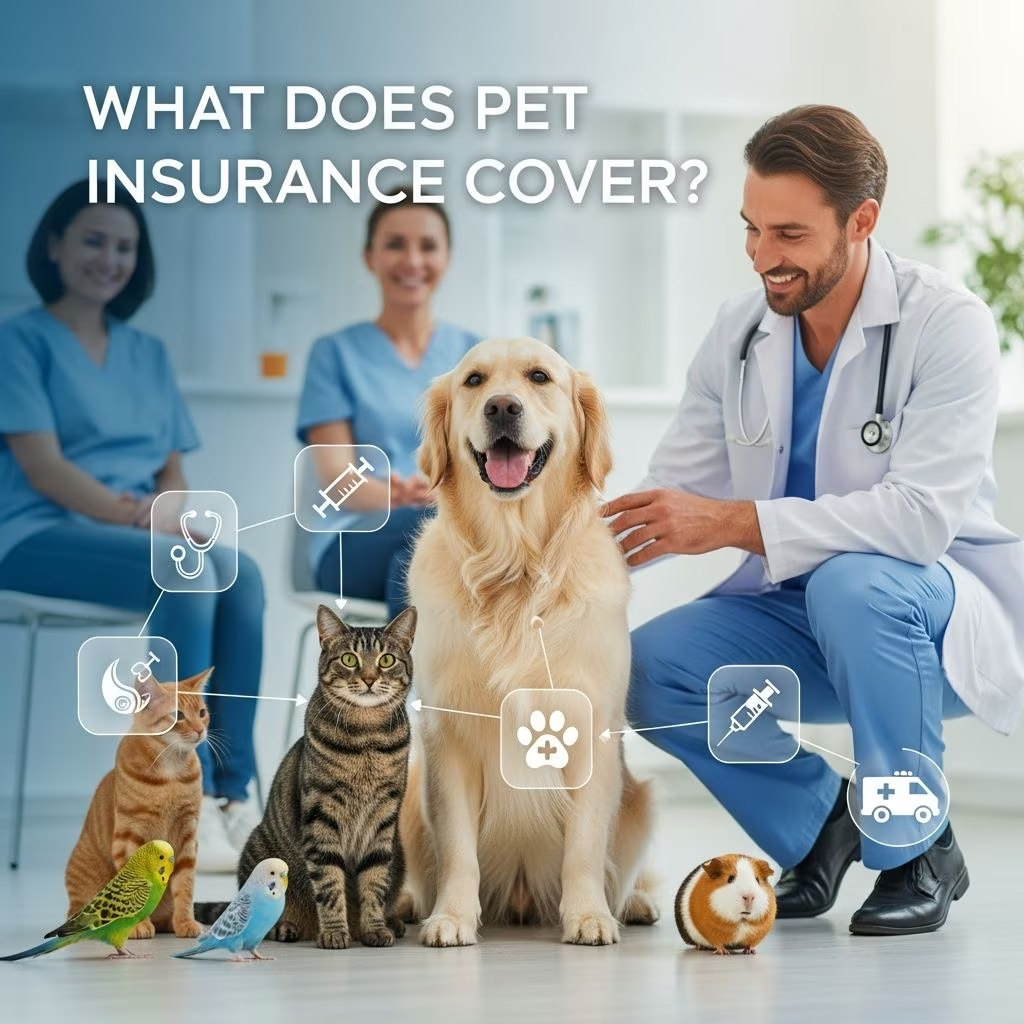
Pet insurance provides financial protection against unexpected veterinary costs, covering treatments for accidents, illnesses, and sometimes more. While policies vary, baseline coverage typically includes emergencies, hospitalizations, and ongoing care, helping pet parents avoid tough financial decisions during health crises.
What Does Pet Insurance Typically Cover?
Most pet insurance policies in the UK focus on reimbursing veterinary fees for sudden injuries or diseases. Key coverages include:
- Accidents: Treatment for injuries like broken bones, cuts, or road traffic incidents, including X-rays, surgery, and medication.
- Illnesses: Coverage for conditions such as infections, gastrointestinal issues, cancer, or diabetes, encompassing diagnostics, hospitalization, and specialist consultations.
- Emergencies and Hospitalization: 24/7 urgent care, overnight stays, and intensive treatments like IV fluids or oxygen therapy.
- Diagnostic Tests: Blood work, ultrasounds, MRIs, and CT scans to identify underlying problems.
- Prescription Medications: Drugs prescribed for recovery, pain management, or chronic conditions, subject to policy limits.
Beyond basics, many policies offer add-ons like dental illness coverage (e.g., extractions for periodontal disease), physiotherapy, hydrotherapy, acupuncture, and behavioral therapy for issues like anxiety.
What Types of Pet Insurance Policies Are Available?
Pet insurance comes in four main types, each with distinct benefits and limitations. Choosing the right one depends on your pet’s age, breed, health history, and your budget.
| Policy Type | Coverage Details | Pros | Cons |
|---|---|---|---|
| Lifetime | Annual limit renewed yearly (e.g., £7,000+), covers new and ongoing conditions if renewed with same insurer. | Best for chronic issues; includes third-party liability for dogs. | Most expensive; premiums rise with age; must stay with provider. |
| Time-Limited | 12-month cover per condition or until limit reached. | Affordable; good for young, healthy pets. | No cover for recurring conditions after time/money limit. |
| Maximum Benefit (Per Condition) | Fixed amount per illness/injury (e.g., £3,000), no time limit. | Flexible renewal; covers long-term if under limit. | Exhausted limit ends cover for that condition. |
| Accident-Only | Injuries only, no illnesses. | Cheapest option. | Limited scope; excludes diseases. |
Multi-Pet Policies: Ideal for households with multiple pets, offering the same coverage level with discounts (often 10-15%). All pets share the policy type selected.
What Isn’t Covered by Pet Insurance?
No policy covers everything. Common exclusions include:
- Pre-Existing Conditions: Any illness or injury showing symptoms before policy start or during waiting periods (typically 14 days for accidents, 10-21 days for illnesses).
- Routine Care: Vaccinations, flea/worm treatments, neutering/spaying, microchipping, pregnancy, and annual check-ups.
- Cosmetic Procedures: Tail docking, dewclaw removal, or elective surgeries.
- Breed-Specific Issues: Hereditary or congenital conditions in predisposed breeds (e.g., hip dysplasia in Labradors), unless added as optional cover.
- Dental Without Illness: Cleaning or extractions due to wear, not disease (add-on needed for illness-related dental).
- Third-Party Exclusions: No liability for working dogs or breeds under the Dangerous Dogs Act.
Always review the policy wording for specifics, as exclusions can lead to denied claims.
Additional Coverage Options and Benefits
Enhance basic policies with these extras:
- Third-Party Liability: Up to £1-3 million for injuries or damage caused by your dog (standard in lifetime policies).
- Holistic Therapies: Alternative treatments like acupuncture or homeopathy, up to policy limits.
- Death/Theft Cover: Reimbursement for pet loss (e.g., £1,500), including advertising costs.
- Boarding Fees: If you’re hospitalized, covers kenneling/cattery up to 30 days.
- Travel Cover: Emergency vet fees abroad (UK/EU).
Some insurers partner with services like 24/7 vet chat for preventive advice, reducing claims.
How Much Does Pet Insurance Cost?
Premiums average £5.84/month for cats and £9.67/month for dogs (lifetime cover, 2023 data), varying by:
- Breed (e.g., Bulldogs cost more due to health risks).
- Age (older pets = higher premiums).
- Location (urban areas higher).
- Excess (voluntary £50-£250 reduces premiums).
- Cover Level (lifetime > time-limited).
Shop around annually; multi-pet discounts and no-claims bonuses can save 20-30%.
How to Choose the Right Pet Insurance Policy
Follow these steps:
- Assess Needs: Consider breed predispositions (e.g., Cavaliers for heart issues) and lifestyle.
- Compare Quotes: Use comparison sites; check limits (£5,000+ ideal), excesses, and multi-pet perks.
- Read Exclusions: Confirm coverage for dental, cancer, and therapies.
- Check Claim Process: Direct vet payment options speed reimbursement (80-90% typically).
- Review Renewal Terms: Lifetime requires same insurer.
If budget-tight, start with accident/time-limited and upgrade later.
Making a Claim on Pet Insurance
Steps:
- Visit any licensed vet (no approval needed upfront).
- Pay and collect invoice/receipt with microchip number, diagnosis, treatments.
- Submit claim online/app within 30-60 days (photos/videos help).
- Receive payout in 3-10 days to bank/reimburse vet directly.
Pre-authorize large claims via insurer for direct payment.
Pet Insurance for Pre-Existing Conditions
Standard policies exclude them. Options:
- Specialist Insurers: Limited cover after 18 months symptom-free.
- Self-Insurance: Savings fund for known issues.
- Charities: PDSA/Blue Cross for low-income owners (means-tested, catchment areas).
FAQs
Does pet insurance cover routine check-ups?
No, standard policies exclude vaccinations, neutering, and wellness exams. Add ‘routine care’ riders if available.
Can I change pet insurance providers?
Yes, but lifetime cover loses ongoing condition protection. Time-limited/maximum allow switches with new policy terms.
What’s the waiting period for pet insurance?
Usually 2-14 days for accidents, 10-21 days for illnesses to prevent fraudulent claims.
Does pet insurance cover dental problems?
Dental illness (e.g., extractions) often yes with add-ons; routine cleaning no.
Is pet insurance worth it?
Yes, average claims £1,000-£5,000/year; prevents debt. Even accident-only helps.
Can I get pet insurance for older pets?
Yes, but higher premiums and exclusions for age-related issues. Shop early.
This guide ensures you’re informed to protect your pet without surprises. Consult providers for personalized quotes.
References
- ManyPets and Kinship Partnership — ManyPets. 2024. https://manypets.com/us/blog/manypets-the-kin/
- What Are The Different Types Of Pet Insurance? – Kinship — Kinship. 2024. https://www.kinship.com/uk/pet-lifestyle/types-of-pet-insurance-uk
- Where to Get Help If You Can’t Afford Your Pet – Kinship — Kinship. 2024. https://www.kinship.com/uk/pet-lifestyle/help-cant-afford-pet
- ManyPets 24/7 vet advice with Kinship Premium — ManyPets. 2024. https://manypets.com/us/the-kin/
- Importance of pet insurance – Chess Vets — Chess Veterinary. 2024. https://www.chessveterinary.co.uk/news/59-importance-of-pet-insurance



