

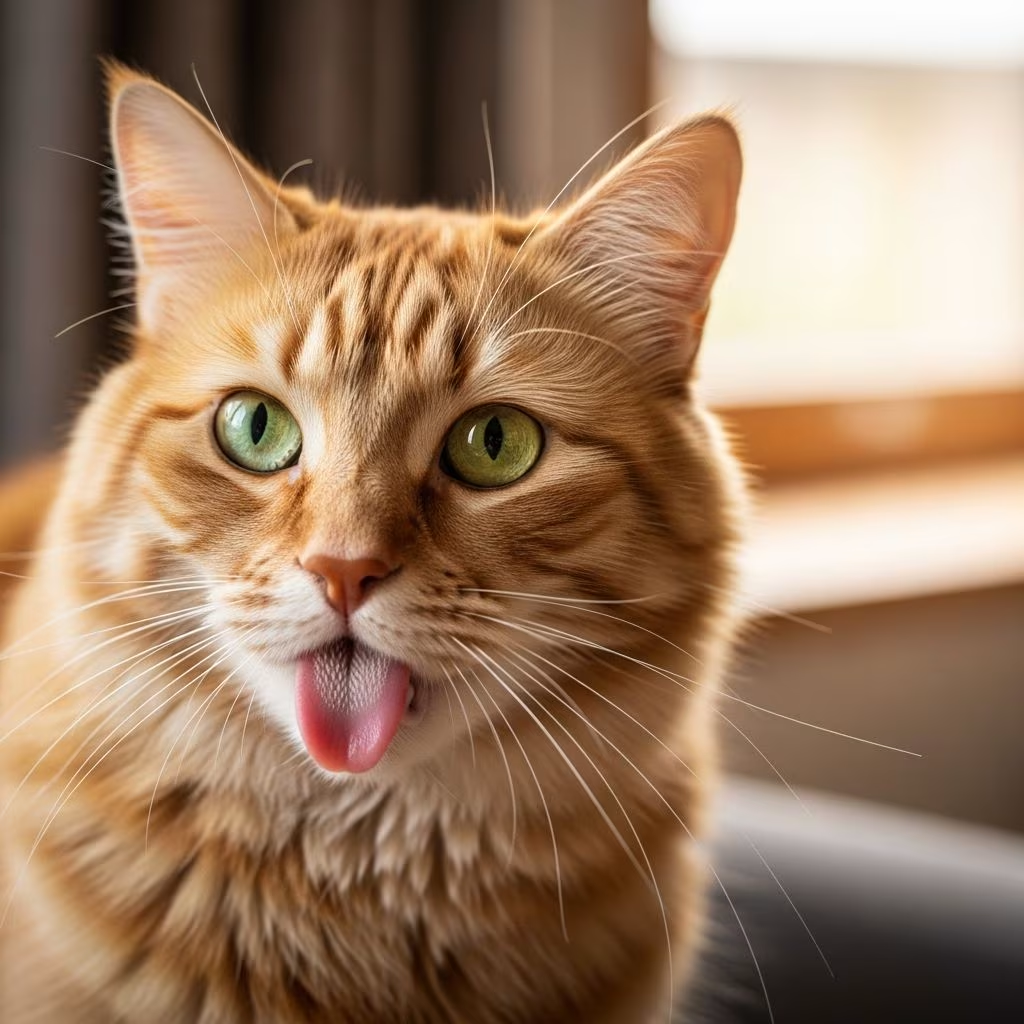
In the delightful universe of pet behaviors, few things capture hearts quite like a dog’s or cat’s tongue peeking out unexpectedly. You’ve likely seen it: that tiny tongue tip protruding just a bit, hanging there innocently, or flicking out in a quick lick. These moments go by names like **mlem**, **blep**, and **boop**, internet-famous terms that pet lovers everywhere adore. But what do they really mean? Are they signs of health issues, pure cuteness, or something in between?
This guide dives deep into these quirky expressions, explaining their origins, reasons, and when they’re perfectly normal versus potential red flags. Drawing from veterinary insights and animal behavior studies, we’ll cover everything from relaxation signals to breed-specific traits, helping you decode your furry friend’s face. Whether your pup is a chronic mlemmer or your cat loves a good blep, understanding these behaviors strengthens your bond and keeps you informed.
What Is a Mlem?
A **mlem** is that endearing moment when a pet’s tongue gently pokes out of their mouth and lingers there, not quite a full lick or pant, but a soft, partial protrusion. It’s often seen in dogs chilling on the couch or cats zoning out by the window. Unlike aggressive licking, a mlem is passive and relaxed, sometimes accompanied by a blissful half-smile or sleepy eyes.
The term ‘mlem’ mimics the sound and motion—a quick, cute ‘mlem!’ as the tongue emerges. Popularized on social media platforms like Reddit and TikTok, it has become shorthand for this universal pet quirk. In dogs, it’s frequently a sign of ultimate comfort, similar to how humans sigh contentedly after a good meal. Cats mlem too, though theirs might carry a hint of curiosity or sass.
Key characteristics of a mlem include:
- Tongue tip only visible, not the full tongue.
- No rapid movement; it stays put for seconds or minutes.
- Pet appears calm, happy, or drowsy.
- Common in all ages but more noticeable in seniors or brachycephalic (flat-faced) breeds.
Far from concerning, mleming often indicates your pet feels safe and secure in their environment. It’s evolutionarily linked to thermoregulation—pets expose a bit of tongue to cool down mildly—but mostly, it’s just adorable derpiness.
Blep vs. Mlem: What’s the Difference?
Pet parents often mix up **mlem** and **blep**, but they have distinct vibes. A blep is when the tongue hangs out fully or partially without retraction, like it’s ‘forgotten’ to go back in. Think of the classic cat blep: tongue lolling lazily, eyes crossed in bliss. Mlem, by contrast, involves subtle licking or flicking, purposeful yet understated.
According to animal behavior enthusiasts and online communities, the distinction is visual and intentional:
| Behavior | Description | Common in | Meaning |
|---|---|---|---|
| Mlem | Quick tongue poke or lick, often exploratory. | Dogs, cats (affectionate or curious). | Showing love, tasting air, or relaxing. |
| Blep | Tongue out statically, no licking. | Cats (famous for it), dogs (esp. relaxed). | Deep relaxation, zoning out, or quirk. |
Bleps originate from Reddit’s r/Blep subreddit, celebrating tongue-out moments across species. Dogs might ‘blop’ (a blep variant), while wild animals like lions occasionally blep too, proving it’s not just domestics. If your cat bleps while staring, they might be scent-gathering via Jacobson’s organ, tasting pheromones in the air.
Why Do Dogs Mlem?
Dogs mlem for several benign reasons rooted in physiology and emotion. Primary triggers include profound relaxation—after play, eating, or settling in. A full belly prompts the tongue to relax its position, especially if teeth are missing or the jaw is slack.
- Comfort Mode: Like human mouth-breathing during sleep, dogs mlem when utterly at ease.
- Dental Factors: Older dogs or those post-extraction struggle to contain tongues.
- Breed Anatomy: Pugs, Bulldogs, and Boxers mlem frequently due to short snouts and loose lips.
- Focus or Sleepiness: Daydreaming about treats or drifting off triggers it.
Behaviorists note dogs also mlem to self-soothe or signal ‘all is well’ in social settings. It’s not linked to hunger or thirst unless paired with other signs like pacing.
Why Do Cats Blep and Mlem?
Cats take tongue antics to artistic levels. A cat blep often means environmental investigation—their tongues have papillae for tasting scents. Mleming in felines can signal defiance, affection, or excitement, like licking mid-purr.
Reasons include:
- Sensory Exploration: Flehming (curling lip with tongue out) detects pheromones.
- Emotional Display: Happy cats mlem at owners; sassy ones do it challengingly.
- Habitual Quirk: Some cats blep chronically due to comfort or minor dental wear.
Unlike dogs, cat mleming might escalate to full grooming sessions, blending utility with cuteness.
When to Worry: Mlem or Medical Issue?
Most mlem/blep moments are harmless, but context matters. Consult a vet if:
- Tongue protrudes constantly, even when alert.
- Excessive drooling, bad breath, or pain signs (whining, pawing mouth).
- Sudden onset with lethargy, dehydration, or imbalance—possible nerve damage, dental disease, or heatstroke.
- Accompanied by vomiting, seizures, or facial asymmetry (e.g., hanging tongue syndrome in dogs).
For flat-faced breeds, chronic exposure risks sunburn or injury, so monitor outdoor time. Dehydration thickens saliva, mimicking mlem—ensure fresh water always.
Encouraging Safe Mlems and Bleps
Want more of that tongue magic? Create the perfect setup:
- Cozy beds like orthopedic foams for deep naps.
- High-quality treats post-meal for belly bliss.
- Quiet spaces free of stress.
- Regular dental checkups to prevent issues.
Boop their nose gently during a blep for bonding—many pets love it!
Frequently Asked Questions (FAQs)
Q: Is mleming bad for my dog?
A: No, it’s usually a sign of relaxation. Worry only with other symptoms like distress or prolonged protrusion.
Q: Why does my cat blep while sleeping?
A: Cats blep in sleep from muscle relaxation, similar to humans snoring with mouth open.
Q: Can all breeds mlem?
A: Yes, but brachycephalic dogs (e.g., Pugs) do it most due to anatomy.
Q: What’s the difference between mlem and licking when angry?
A: Stress licks are rapid and lip-focused; mlem is slow and content.
Q: Should I boop a blepping pet?
A: Lightly, if they enjoy it—it’s a fun interaction, but respect boundaries.
Conclusion: Celebrate the Cuteness
Mlem, blep, and boop remind us pets live in joyful simplicity. These behaviors showcase trust and happiness. Next time you spot one, snap a pic and cherish the moment—your pet’s just saying, ‘Life is good.’ Stay vigilant for health cues, but mostly, revel in the weird, wonderful ways they love us back.
References
- What Is Mleming in Dogs? Cute, Weird & Totally Normal — Go Doggie Style. 2023. https://godoggiestyle.com/blogs/bark-and-boujee/what-is-mlemming-in-dogs
- The Mlem, Boop, And Blep: What Your Pets Are Really Doing — The Animal Rescue Site. 2023. https://theanimalrescuesite.com/blogs/news/mlem-boop
- Why Dogs & Cats Lick (“Melming”): Normal vs Concerning Behaviors — YouTube (Petland). 2023. https://www.youtube.com/watch?v=VHF8hEHa9-s
- Mouth-Licking: When Your Dog Thinks You’re Angry — Dog Tag Art. 2023. https://www.dogtagart.com/blogs/news/mouth-licking-when-your-dog-thinks-youre-angry



