

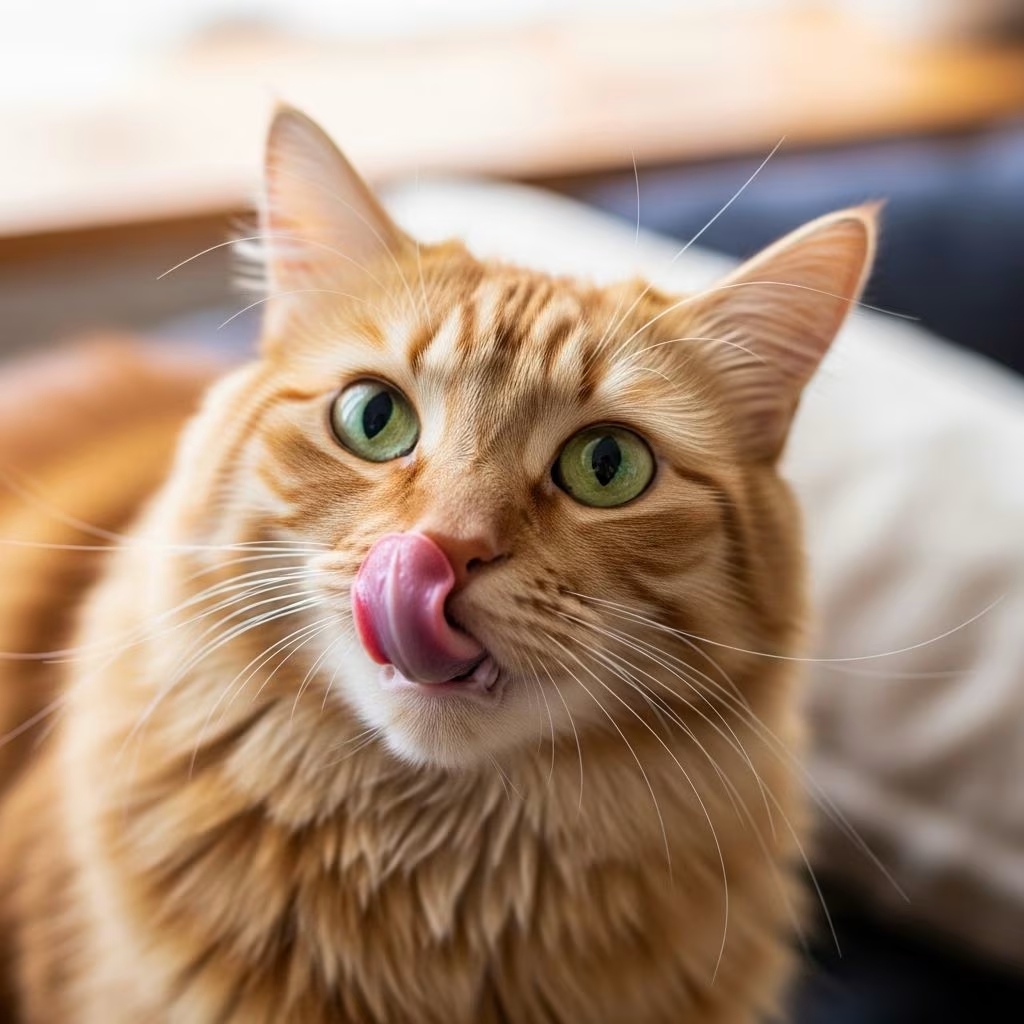
In the delightful universe of pet parenthood, few sights are as endearing as a dog or cat with their tongue playfully protruding. This quirky behavior, affectionately termed **mlem**, has captured hearts across social media and pet communities. But what does mlem really mean? Far from a sign of distress, mleming often signals pure relaxation, contentment, or even a touch of absentminded bliss in your furry companion.
Originating from internet meme culture, ‘mlem’ describes the gentle, partial extension of a pet’s tongue—distinct from a full lick or pant. It’s a soft, silly poke that lingers, evoking smiles and endless photo ops. Whether your pup is dozing off or your kitty is zoning out, understanding mlem helps decode their emotional world, fostering deeper bonds and peace of mind for owners.
The Anatomy of a Mlem
To grasp mlem, consider its visual hallmark: the tongue tip emerges slightly, resting outside the mouth without retraction. Unlike vigorous licking for cleaning or exploration, mlem is passive and brief. In dogs, it might accompany a half-closed eye or floppy ears; in cats, a regal stare into the distance.
This behavior stems from natural physiology. Pets’ tongues aid in thermoregulation, tasting, and scent analysis via the vomeronasal organ. When relaxed, muscles loosen, allowing the tongue to slip forward effortlessly. Flat-faced (brachycephalic) breeds like Pugs, Bulldogs, and Persians excel at mleming due to shorter muzzles, making tongue containment trickier.
- Key Traits of Mlem:
- Gentle tongue protrusion (1-2 cm typically).
- No accompanying distress signals like whining or pacing.
- Common during sleep, post-meal, or idle moments.
- Prevalent in senior pets or those with dental gaps.
Why Do Dogs Mlem?
Dogs mlem for several benign reasons, primarily tied to comfort and physiology. When deeply relaxed—think post-walk lounging or belly-rub euphoria—the jaw slackens, letting the tongue peek out. It’s akin to human sighing in contentment.
Missing or misaligned teeth play a role too. Older dogs or those post-extraction may struggle to tuck tongues fully, leading to chronic mleming. Brachycephalic breeds are predisposed; their compact snouts limit space, turning mlem into a signature look. Additionally, intense focus—like watching squirrels or dreaming—can trigger it, as mental immersion overrides oral control.
Rarely, excessive mleming signals issues like dehydration (dry gums accompany), dental pain, or neurological quirks. Monitor for lethargy, drooling, or appetite loss; otherwise, embrace the cuteness.
Why Do Cats Mlem?
Cats mlem with purpose, often blending affection, curiosity, or mild defiance. A purposeful lick—true mlem—might groom fur, sample air scents, or soothe stress. Unlike dogs’ passive poke, feline mleming explores via taste buds, investigating everything from human skin to household aromas.
In social contexts, cats mlem owners as bonding, akin to allogrooming in colonies. Defiant mlem occurs during standoffs, signaling ‘back off’ with rhythmic licks. Sleepy mlem mirrors dogs: ultimate trust shown in vulnerability.
| Behavior | Dogs | Cats |
|---|---|---|
| Mlem Style | Passive hang-out | Purposeful lick |
| Triggers | Relaxation, breed traits | Affection, exploration |
| Duration | Seconds to minutes | Rhythmic, repeated |
Blep vs. Mlem: Key Differences
Pet slang distinguishes **blep** from mlem precisely. Blep is the accidental, stationary tongue-out—pure derp without motion. Picture a cat’s tongue dangling mid-nap; that’s blep, named after Reddit’s r/Blep community celebrating these mishaps.
Mlem implies action: licking or probing. Dogs blep from exhaustion or ‘hanging tongue syndrome’ (rare chronic protrusion needing vet check). Cats blep to taste-test environments, leveraging papillae for intel. Blop? Informal dog-blep variant.
- Blep: Static tongue slip; adorable oops.
- Mlem: Dynamic lick; investigative or affectionate.
- Pro Tip: Both healthy unless persistent with symptoms.
Enter the Boop
No pet quirk guide omits **boop**—the joyful nose-tap. Dogs boop with eager sniffs, bouncing noses on hands or toys in excitement. Cats boop playfully: hellos, teases, or mischief-makers prodding siblings.
Cross-species boops melt hearts, like kittens nudging doggos. It’s communication: ‘notice me!’ or ‘let’s play.’ Encourage safely—never force—to build trust.
When to Worry About Mleming
Idyllic mlem turns concerning with red flags. Prolonged protrusion (hours), excessive drool, bad breath, or pawing at mouth suggest dental disease, infections, or injuries. Dehydration shows via sticky gums; heatstroke via panting escalation.
Nerve damage or paralysis (rare) causes one-sided hangs. Brachycephalic pets risk breathing woes mimicking mlem—watch for snoring, gagging. Consult vets if:
- Behavior sudden in non-mlem-prone pets.
- Paired with vomiting, seizures, or weakness.
- Impacts eating/drinking.
Annual checkups catch precursors early, per veterinary guidelines.
How to Encourage Safe Mleming
Want more wholesome mlems? Create bliss:
- Cozy Setup: Orthopedic beds, quiet corners for derp naps.
- Full Tummies: Balanced diets with dental chews prevent issues.
- Calm Vibes: Gentle pets, pheromone diffusers reduce stress.
- Exercise: Daily walks tire happily, priming relaxation.
Avoid forcing tongues—respect boundaries. Capture ethically for memes!
Frequently Asked Questions (FAQs)
Q: Is mleming bad for my dog?
A: No, occasional mleming is normal and healthy, indicating relaxation. Worry only with other symptoms like pain or lethargy.
Q: Why does my cat mlem me?
A: It’s affection or grooming—cats ‘anoint’ loved ones, strengthening bonds.
Q: What’s hanging tongue syndrome?
A: Chronic blep in dogs from conformation or injury; vet evaluation needed if new.
Q: Can all breeds mlem?
A: Yes, but brachycephalics most often due to anatomy.
Q: Blep vs blop—difference?
A: Blep universal; blop slang for dog bleps. Both cute!
Conclusion: Celebrate the Quirks
Mlem, blep, boop—these quirks humanize pets, revealing joy beneath fur. By knowing their meanings, you enhance care, spotting true needs amid charm. Next tongue-poke? Smile—your pet’s sharing paradise.
References
- What Is Mleming in Dogs? Cute, Weird & Totally Normal — Go Doggie Style. 2023-approx. https://godoggiestyle.com/blogs/bark-and-boujee/what-is-mleming-in-dogs
- The Mlem, Boop, And Blep: What Your Pets Are Really Doing — The Animal Rescue Site. 2023-approx. https://theanimalrescuesite.com/blogs/news/mlem-boop
- Mouth-Licking: When Your Dog Thinks You’re Angry — Dog Tag Art. 2023-approx. https://www.dogtagart.com/blogs/news/mouth-licking-when-your-dog-thinks-youre-angry



