

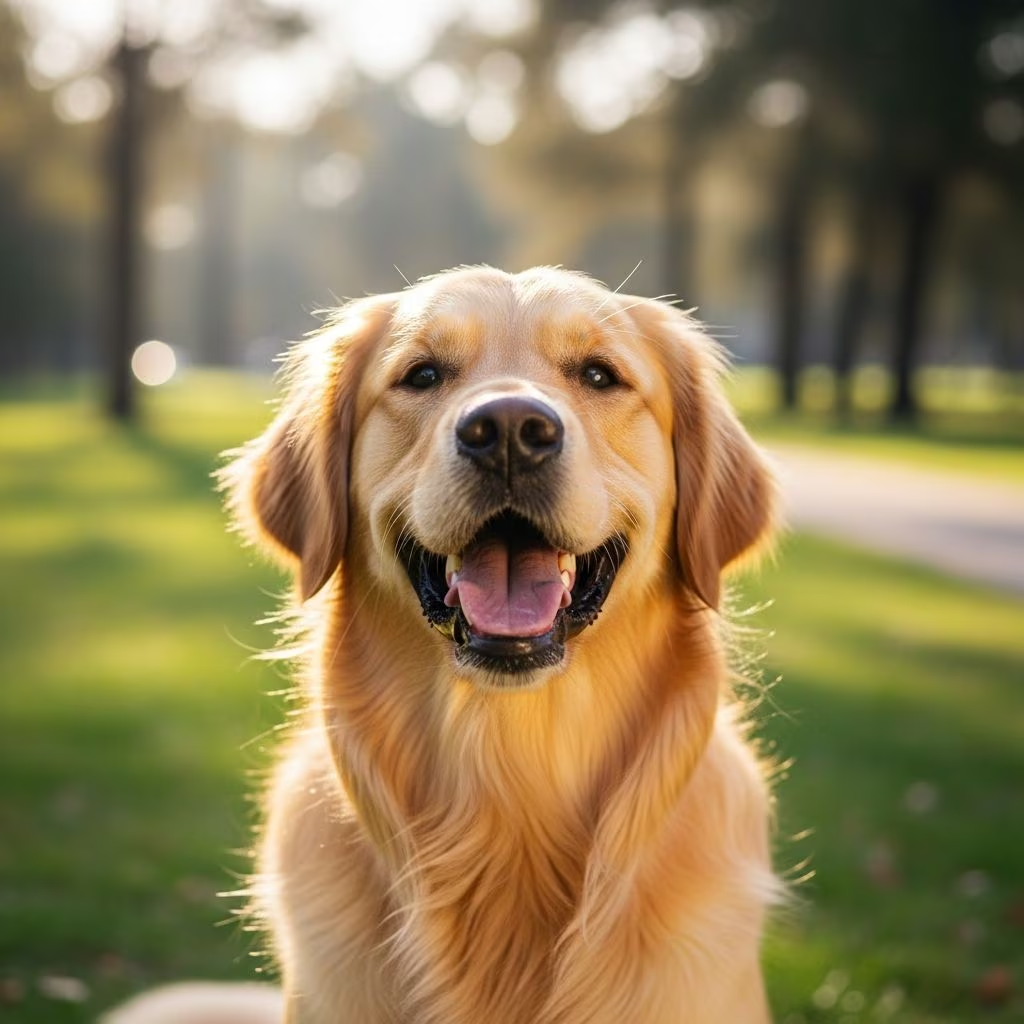
What Does It Mean When Your Dog Smiles?
If you’ve ever looked at your dog and seen what appears to be a smile, you’re not alone. Many dog owners interpret their pets’ facial expressions as smiles and assume their furry companions are happy. However, the reality of canine smiling is far more complex than it appears. Understanding what your dog’s smile truly means requires knowledge of canine facial expressions, body language, and the various emotional states dogs experience. By learning to decode these signals, you can develop a deeper connection with your pet and respond appropriately to their emotional needs.
Can Dogs Actually Smile?
The first question many pet owners ask is whether dogs can smile at all. The answer is yes, but with an important caveat: dogs smile differently than humans do. According to certified dog behavior consultants, when the corners of a dog’s mouth—known as commissures—are pulled back and sometimes expose teeth, humans typically interpret this as a smile. However, this physical expression doesn’t necessarily indicate happiness in the way human smiles usually do.
Dogs create smile-like expressions through a combination of body language cues rather than the specific muscle contractions humans use. A genuine canine smile typically includes a slightly open mouth, relaxed jaw muscles, soft eyes, and often a gently lolling tongue. This observable behavior correlates with positive emotional states, though the context and accompanying body language are crucial for accurate interpretation.
Why Do Dogs Smile? Different Meanings Behind the Grin
One of the most important things to understand is that a dog’s smile doesn’t always mean the same thing. Dogs may display smile-like expressions for several different reasons, and identifying the correct meaning requires careful observation of the complete picture.
Happy and Content Smiles
When dogs are genuinely happy and relaxed, they display a distinctive facial expression that many owners recognize as a true smile. This happy smile typically features a slightly open mouth with the corners of the lips gently pulled back and upward, often showing teeth. The key difference between a happy dog and other emotional states is the overall body language that accompanies the facial expression.
A truly happy dog displays a constellation of positive signals working together. Their eyes appear soft and slightly squinted rather than wide and staring. Their ears sit in a relaxed, natural position appropriate for their breed. The body posture is loose and wiggly, and the tail wags in an animated, relaxed manner. The pupils are not dilated, and the dog appears physically at ease. This type of smile typically appears after play sessions, during relaxation, or when a dog receives positive attention from their owner.
Submissive and Appeasement Smiles
Another common type of canine smile is the submissive grin. Dogs display this expression when they’re unsure about social interactions or want to communicate that they’re not a threat. This smile serves an important function in canine communication, signaling peaceful intentions to both humans and other dogs.
The submissive grin differs from a happy smile in several important ways. Dogs displaying this expression often make themselves appear smaller, avoid direct eye contact, and pin their ears back. The smile itself may be present, but it’s accompanied by body postures that indicate deference rather than confidence. This expression essentially communicates, “I am not a threat to you,” similar to how young horses greet adult horses by smacking their lips.
You might see your dog display a submissive grin when they’re uncertain about greeting someone new, when they sense your frustration, or when they’re trying to defuse a potentially tense situation. This is not a sign of guilt, but rather a strategic communication tool dogs use to navigate social hierarchies and maintain peaceful relationships.
Stress and Anxiety Smiles
Dogs may also smile when experiencing stress or anxiety, which can be confusing for owners who don’t understand canine body language. These stress-related smiles require careful interpretation because they can indicate discomfort rather than happiness. When a dog smiles with their eyes nearly closed or squinted, they may be trying to block out something that makes them uneasy. Pinned-back ears combined with a smile often indicate anxiety rather than joy.
In these situations, the smile should not be ignored. Instead, it’s a warning sign that your dog is feeling uncertain, anxious, or uncomfortable. Paying attention to these stress signals helps you provide your dog with the space or support they need to feel more secure.
The Guilt Question: Do Dogs Smile Because They Feel Guilty?
Many dog owners believe their dogs smile sheepishly when caught doing something wrong, assuming the smile indicates guilt. However, scientific research has debunked this common misconception. Studies have shown that guilt is not actually an emotion that dogs experience. What dogs do understand is that their owners are unhappy, and they respond with submissive behaviors to avoid punishment or negative consequences.
When your dog displays what appears to be a guilty smile after destroying your shoes or having an accident in the house, they’re not feeling remorse. Instead, they’re recognizing that you’re upset based on your body language, vocal tone, and facial expressions. They respond with a submissive grin as a strategy to appease you and reduce the likelihood of punishment. This is learned behavior based on their understanding of human reactions, not an expression of guilt about their actions.
Reading Your Dog’s Happiness Signals
Accurately determining whether your dog is genuinely happy requires looking beyond just their mouth. A comprehensive approach to reading your dog’s emotional state involves observing multiple body language cues simultaneously. When all these signals align, you can be confident about your dog’s emotional state.
Complete Body Language Signs of a Happy Dog
Happy dogs display a recognizable collection of physical signals that work together to communicate contentment:
- Relaxed facial expression with natural mouth positioning
- Soft eyes that appear slightly squinted or “smiling” around the eyes
- Soft, relaxed ears in a natural position for their breed
- Slightly open mouth with gentle panting
- Wiggly, loose body posture without tension
- Animated, wagging tail held at a natural height
- Normal, non-dilated pupils
- Overall calm and comfortable demeanor
Most dog owners who observe their pets closely in various situations develop an intuitive understanding of when their dogs are happy. Humans are generally quite skilled at reading canine happiness once they understand what to look for.
How Dogs Respond to Your Smile
Interestingly, dogs show a sophisticated ability to recognize and respond to human facial expressions. Research reveals that dogs increase their smile-like behavior when exposed to human smiles, even from strangers. This isn’t conscious mimicry but rather an automatic response to positive social cues.
When you smile at your dog, you’re signaling that the environment is safe, friendly, and potentially rewarding. Dogs have evolved to read human facial expressions with remarkable accuracy and can even distinguish between genuine smiles and fake ones, often responding more enthusiastically to authentic expressions of happiness. This evolved ability reflects thousands of years of partnership between humans and dogs.
Individual Variation in Response
It’s important to recognize that individual dogs vary dramatically in their responsiveness to human facial expressions. Some dogs seem naturally inclined to mirror your emotional state and respond enthusiastically to your smiles. Others focus more on body language or vocal cues and may not show the same facial response. Understanding your specific dog’s preferred communication style helps you become a more effective leader and strengthens your partnership.
The Contagion Effect: Dogs Learning to Smile
One fascinating aspect of canine behavior is what researchers call the contagion effect. Dogs don’t simply smile naturally—they also learn when and how smiling gets them positive responses from humans. Because most dogs love the positive reactions they receive when they make us happy, they quickly learn how to evoke that joyful response. For some dogs, this learned behavior includes displaying a grin-like expression.
This demonstrates the sophisticated learning ability of dogs and their motivation to maintain positive relationships with their human companions. Dogs are keen observers of what behaviors result in rewards, praise, and affection, and they’re willing to adapt their expressions accordingly.
Different Types of Dog Smiles Explained
The Happy, Relaxed Smile
When your dog has their mouth wide open with their tongue happily lolling out, this is usually a sign of a happy, friendly, or comfortable dog. This genuine smile typically follows good play sessions or occurs when your dog is chilling out in a comfortable environment. It’s the kind of smile that most dog owners love to see because it clearly indicates contentment.
The Appeasement Smile
Imagine your dog lying on their back, showing you their belly while flashing a wide grin. This combination of play with a submissive posture is a classic sign of appeasement and a way for your dog to show friendship or invite play. In this context, the smile is a positive signal indicating your dog feels safe and is inviting you to engage with them.
The Submissive or Nervous Smile
Dogs sometimes display a more reserved smile with ears pinned back and slightly closed eyes. This expression typically indicates submission, nervousness, or uncertainty. It’s the dog’s way of showing they’re not a threat while expressing some level of apprehension about the situation.
Understanding Body Language in Context
The key to accurately interpreting your dog’s smile is always considering the complete context. The same facial expression can mean different things depending on the surrounding body language, the environment, and the situation. This is why observation skills and knowledge of canine communication are so valuable for dog owners.
For example, a dog might display a smile while standing confidently with a loose body posture—this likely indicates happiness. The same smile on a dog with pinned ears, tucked tail, and tense body likely indicates submission or anxiety. Learning to see these combinations helps you respond appropriately to your dog’s emotional needs.
Frequently Asked Questions
Q: Is my dog actually smiling or am I just imagining it?
A: Dogs do display facial expressions that resemble smiles, though they don’t smile the same way humans do. If your dog has relaxed facial features, soft eyes, and a gently open mouth accompanied by positive body language, they’re likely displaying a genuine canine smile indicating happiness or contentment.
Q: What’s the difference between a happy smile and a submissive grin?
A: Happy dogs typically have relaxed, confident body posture with standing or neutral ear position. Submissive grins are accompanied by smaller body posture, pinned-back ears, reduced eye contact, and tensed muscles. The overall body language package tells you which type of smile you’re seeing.
Q: Can my dog smile because they feel guilty?
A: No, dogs don’t experience guilt. What appears to be a guilty smile is actually a submissive grin displayed because your dog recognizes you’re upset. They’re using this expression to appease you and reduce the likelihood of punishment, not because they feel remorseful.
Q: Why does my dog smile more when I smile at them?
A: Dogs respond to human smiles because they recognize them as positive social signals. They’ve learned that human smiles often precede rewards, praise, and affection. Some dogs learn to display smile-like expressions in response because they associate your smile with positive outcomes.
Q: How can I tell if my dog’s smile indicates stress or anxiety?
A: Look for accompanying stress signals like nearly closed eyes, pinned-back ears, stiff body posture, and lack of tail movement. If your dog is smiling while displaying these signs, they’re likely experiencing stress or anxiety rather than happiness.
Q: Do all dog breeds smile the same way?
A: While all dogs can display smile-like expressions, the appearance may vary slightly depending on breed characteristics, particularly ear shape and natural mouth position. However, the underlying body language signals of a happy dog remain consistent across breeds.
References
- Why Do Dogs Smile? Is This Normal? — Chewy. 2024. https://www.chewy.com/education/dog/training-and-behavior/why-do-dogs-smile
- Dog Smile Secrets: How to Read Your Pet’s Expressions — Devil Dog Pet Co. 2024. https://devildogpetco.com/blogs/the-devil-dog-blog/dog-smile
- If You Think Dogs Are Smiling, Here’s What It Really Means — YouTube. 2024. https://www.youtube.com/watch?v=dCHtgOr5uCE
- Can Dogs Actually Smile? — Hill’s Pet Nutrition. 2024. https://www.hillspet.com/dog-care/behavior-appearance/can-dogs-smile
- Do Dogs Smile? — Psychology Today. 2025. https://www.psychologytoday.com/us/blog/canine-corner/202502/do-dogs-smile



