What Does It Mean When Your Dog Smiles?
Decode your dog's smile: Learn what your pet's facial expressions really mean.
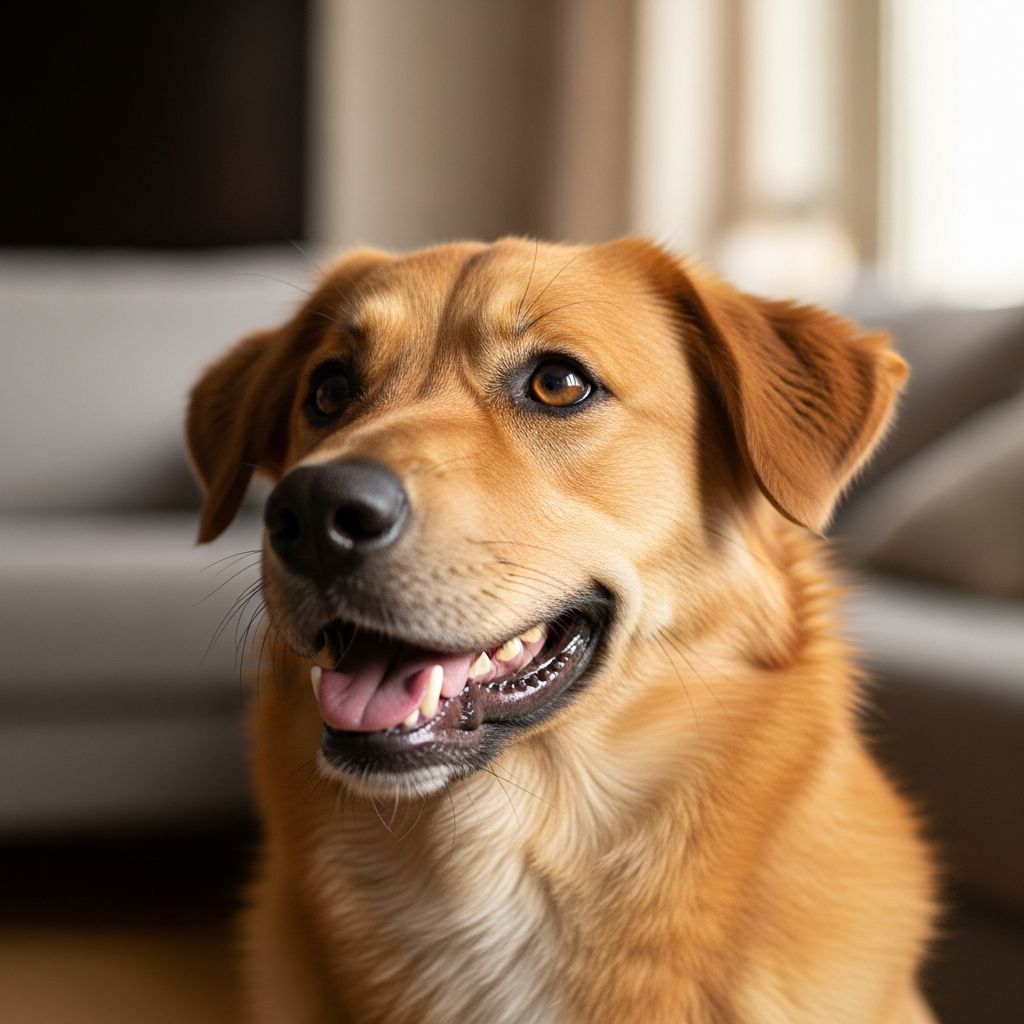
Many dog owners observe their pets pulling their mouths back in what appears to be a smile and automatically assume their furry companions are experiencing happiness. However, the reality of canine smiles is more nuanced and complex than simple human interpretation. A dog’s smile can convey multiple emotions and serve various communicative purposes, making it essential for pet owners to understand the broader context of their dog’s facial expressions and body language.
Can Dogs Actually Smile?
The short answer is yes—dogs can and do smile, though their smile operates differently than human smiles. When a dog’s mouth corners, technically called commissures, are pulled back and sometimes expose their teeth, humans typically interpret this as a smile. However, this physical expression doesn’t necessarily indicate the same emotional state that a human smile conveys.
According to certified dog behavior consultants, a dog’s smile is less about humor or politeness and more about communication through facial positioning combined with other body language signals. Unlike human smiles, which primarily involve specific muscle contractions around the mouth and eyes, dogs communicate through a combination of physical cues including mouth position, jaw tension, eye softness, ear position, and overall body posture.
Understanding Different Types of Dog Smiles
Not all dog smiles are created equal. Understanding the various types of smiles your dog displays can help you accurately interpret their emotional state and respond appropriately to their needs.
The Happy Smile
A genuinely happy dog typically displays a distinctive smile that extends beyond just mouth positioning. This expression generally includes the following characteristics:
- Slightly open mouth with a relaxed jaw
- Corners of the lips gently pulled back and upward
- Soft, squinty eyes rather than wide, staring eyes
- Relaxed or naturally positioned ears
- Gentle panting visible
- Loose, wiggly body posture
- Animated, wagging tail with relaxed movement
- Non-dilated pupils
This type of smile often appears after play sessions, during relaxation, or when your dog anticipates positive experiences such as meals or walks. The happy smile is typically accompanied by an overall sense of ease and contentment in the dog’s demeanor.
The Submissive Grin
Dogs sometimes display what behaviorists call a submissive grin when they’re uncertain about social interactions or attempting to communicate peaceful intentions. This expression differs from a happy smile in several important ways. The submissive grin signals non-aggression and serves as a canine way of saying “I am not a threat to you.”
A submissive grin typically features:
- More pronounced pulling back of the mouth corners
- Possible teeth exposure
- Ears positioned back or to the sides
- Reduced or avoided direct eye contact
- Smaller, more compact body posture
- Possible lip licking or tongue flicking
Dogs display submissive grins when they want to approach human social interactions but feel unsure about the appropriate response. This behavior is not aggressive in any way—instead, it represents the dog’s attempt to establish friendly communication.
Why Dogs Smile: The Multiple Meanings
A dog’s smile can indicate several different emotional states and communicative intentions. Understanding these various meanings requires attention to the complete context, including environmental factors, the dog’s overall body language, and your relationship with the animal.
Happiness and Contentment
The most straightforward reason dogs smile is genuine happiness and contentment. When dogs have just engaged in play or physical activity, they often display a relaxed smile with a slightly open mouth and panting tongue. This authentic happy smile reflects the dog’s positive emotional state and comfort in their current situation.
Stress and Anxiety
A dog displaying a smile while their eyes are nearly closed or appear overly tense may be experiencing stress or anxiety. In these situations, the smile serves as a tension-reduction mechanism rather than an expression of joy. The dog may be attempting to manage uncomfortable emotions through facial positioning.
Fear and Appeasement
Dogs sometimes smile when experiencing fear or attempting to appease a perceived threat. This fear-based smile often accompanies other signs of anxiety such as pinned-back ears, tucked tail, or body lowering. The dog is essentially communicating submission in response to a situation they find threatening or uncertain.
Social Bonding and Communication
Research reveals that dogs increase their smiling behavior when exposed to human smiles, even from strangers. This isn’t conscious mimicry but rather an automatic response to positive social cues. Your dog reads your smile as a signal that the environment is safe and friendly, strengthening the social bond between you.
Debunking the Guilty Grin Myth
Many dog owners interpret a smile displayed after misbehavior as a sign of guilt. However, scientific research has consistently shown that dogs do not experience guilt as humans understand it. When your dog smiles after destroying your favorite shoes or having an accident in the house, they’re not experiencing remorse or admitting wrongdoing.
Instead, this post-misbehavior grin is a submissive expression designed to defuse your obvious frustration and reduce the likelihood of punishment. Dogs are remarkably skilled at reading human body language and vocal tone—they recognize that you’re upset before you even speak. The submissive smile is their attempt to communicate non-aggression and appease your apparent anger.
The critical distinction is that dogs understand cause and effect regarding their owner’s emotional responses, but they don’t possess the cognitive capacity to feel guilt about their actions. They’re responding to your emotional state, not experiencing internal remorse.
Reading Your Dog’s Overall Body Language
Accurately interpreting your dog’s smile requires looking beyond just the mouth. A comprehensive understanding of your dog’s emotional state comes from observing multiple body language signals simultaneously. The difference between a happy smile and a submissive or stressed smile lies in the complete package of physical signals.
Signs of a Truly Happy Dog
When your dog is genuinely happy and content, you’ll observe:
- Relaxed facial expressions throughout the entire face
- Soft, squinty eyes with a gentle gaze
- Ears in natural position for their breed (not pinned back)
- Loose, wiggly body movements
- Animated tail wagging with confident movement
- Overall body posture that appears confident yet relaxed
- Responsive engagement with their environment and you
Signs of Stress or Submission
When your dog’s smile indicates stress, anxiety, or submission, you’ll notice:
- Ears pinned back or positioned to the sides
- Avoidance of direct eye contact
- Smaller, more compact body posture
- Tucked tail or low tail position
- Tense facial muscles despite the smile
- Possible lip licking or excessive yawning
- Closed or nearly closed eyes
How Dogs Respond to Your Smile
The interaction between your facial expressions and your dog’s responses is bidirectional and deeply rooted in the evolutionary partnership between humans and canines. Dogs have evolved to read human facial expressions with remarkable accuracy and can even distinguish between genuine smiles and fake ones, typically responding more enthusiastically to authentic expressions of happiness.
When you smile at your dog, you’re triggering a complex chain of recognition and response. Happy, confident dogs typically lean into this interaction by approaching with loose body language, initiating contact, and often displaying their own version of smiling behavior. This positive feedback loop strengthens your relationship and builds mutual trust over time.
Individual dogs vary dramatically in their responsiveness to human facial expressions. Some dogs seem hardwired to mirror your emotional state closely, while others are more focused on body language or vocal cues. Understanding your dog’s preferred communication style helps you become a more effective communicator and strengthens your partnership.
The Science Behind Canine Smiles
Recent neuroscience research has revealed shared processing of human and dog facial expressions, underscoring how deeply our communication is intertwined. This scientific evidence supports what many dog owners intuitively understand—that dogs genuinely engage with human emotional expression in meaningful ways.
The contagion effect observed in dogs suggests that their responsive smiling isn’t a learned behavior but rather an automatic response to positive social cues. Your dog reads your smile as information about the environment’s safety and friendliness, making their responsive behavior part of their natural social toolkit.
Frequently Asked Questions
What does it mean if a dog is smiling?
A dog’s smile can indicate several things depending on context and accompanying body language. Most commonly, a relaxed smile with soft eyes and loose body posture indicates happiness and contentment. However, the same facial expression with pinned-back ears, avoided eye contact, and tense body posture suggests submission, stress, or anxiety. Always examine the complete body language picture rather than relying solely on the smile.
Do dogs smile because they’re happy?
While dogs do smile when they’re happy, happiness is not the only reason for a dog’s smile. Dogs also smile during stress, fear, submission, and other emotional states. A happy smile is characterized by additional positive body language signals including soft eyes, relaxed ears, and an animated, wagging tail.
Is my dog’s guilty grin actually guilt?
No—your dog’s smile after misbehavior is not actually guilt. Scientific research confirms that dogs don’t experience guilt as humans do. Instead, this smile is a submissive expression meant to defuse your obvious frustration. Your dog understands that you’re upset and is attempting to appease you through non-aggressive body language.
Can I tell if my dog’s smile is genuine?
Yes, you can distinguish between different types of smiles by observing your dog’s complete body language. A genuine happy smile includes soft eyes, relaxed ears, loose body movements, and an animated tail wag. A submissive or stress-related smile typically includes pinned-back ears, avoided eye contact, and a more compact body posture.
Does my dog smile more when I smile?
Research indicates that dogs do increase their smiling behavior when exposed to human smiles. This automatic response to positive social cues strengthens your bond and creates a positive feedback loop of communication between you and your dog.
What should I do if my dog displays a stressed smile?
If you notice your dog smiling with signs of stress—such as nearly closed eyes, pinned-back ears, or tense body posture—remove them from the stressful situation if possible. Provide a safe space where they can relax, and consider consulting with a certified dog behaviorist if stress behaviors persist.
References
- Why Do Dogs Smile? Is This Normal? — Chewy. 2024. https://www.chewy.com/education/dog/training-and-behavior/why-do-dogs-smile
- Dog Smile Secrets: How to Read Your Pets Expressions — Devil Dog Pet Co. 2024. https://devildogpetco.com/blogs/the-devil-dog-blog/dog-smile
- Can Dogs Actually Smile? — Hill’s Pet Nutrition. 2024. https://www.hillspet.com/dog-care/behavior-appearance/can-dogs-smile
- Do Dogs Smile? If So, Why? — PetMD. 2024. https://www.petmd.com/dog/behavior/do-dogs-smile-science-behind-looks-we-get-happy-dog
- Do Dogs Smile? — Psychology Today. February 2025. https://www.psychologytoday.com/us/blog/canine-corner/202502/do-dogs-smile
Similar Articles




Read full bio of medha deb