

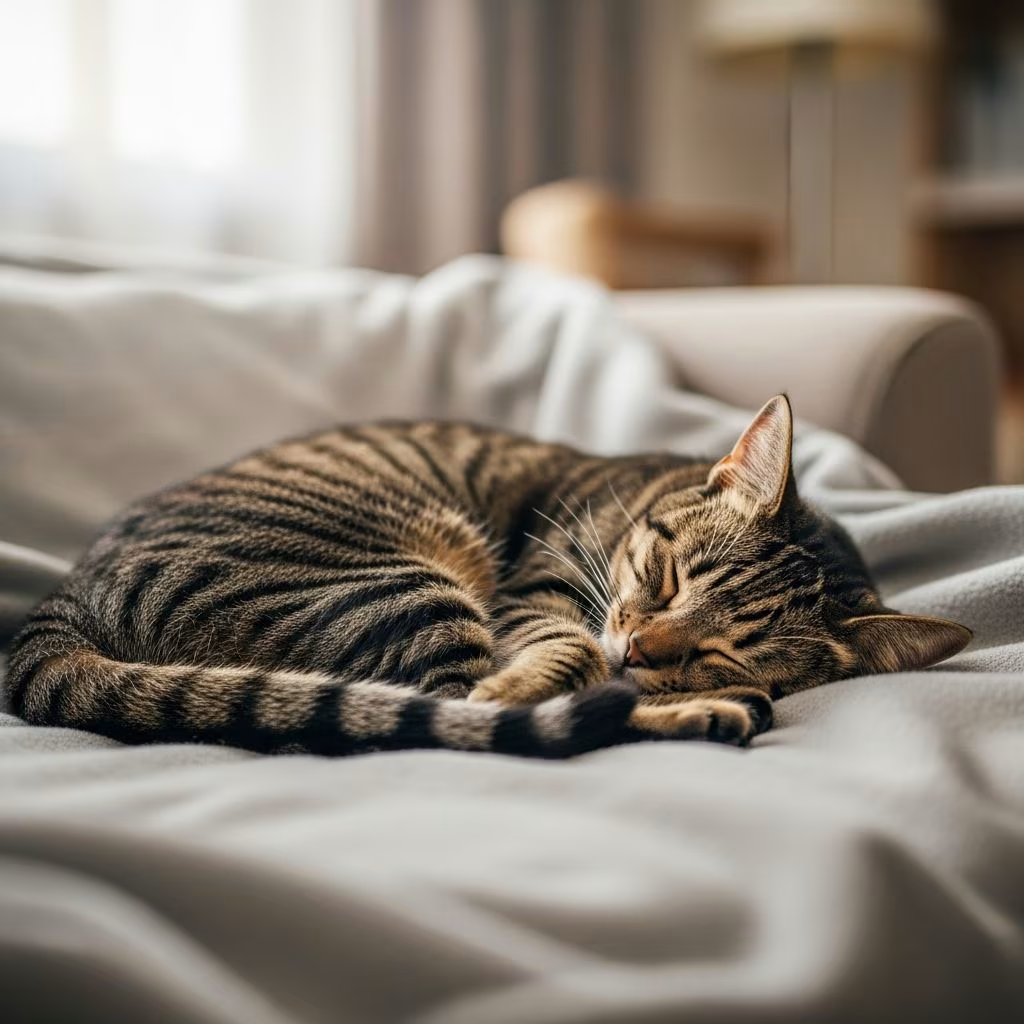
Cats spend up to 70% of their lives sleeping, making their sleeping positions a window into their physical comfort, emotional state, and overall health. Each pose—from the classic curled ball to the exposed belly-up—carries specific meanings rooted in feline instincts, trust levels, and environmental comfort. Understanding these positions helps cat owners strengthen bonds, spot potential health issues early, and create ideal sleeping environments. This guide breaks down 12 common cat sleeping positions, drawing from veterinary and behavioral insights to decode what your feline friend is communicating during their naps.
Why Do Cats Sleep in Specific Positions?
Cat sleeping positions evolved from wild ancestors who needed to balance rest with survival. Curling up conserves heat and protects vital organs, while exposed poses signal safety in a secure home. Factors like temperature, stress, trust in owners, and health influence choices. For instance, relaxed positions indicate contentment, while tense ones may signal discomfort or illness. Veterinary experts note that sudden changes in sleeping habits warrant a vet visit, as they can flag pain, arthritis, or anxiety.
- Instinctual Protection: Positions shielding the belly preserve vulnerable areas.
- Temperature Regulation: Stretching out cools the body; curling warms it.
- Trust Indicators: Belly exposure shows deep security with humans and environment.
- Health Clues: Limping poses or avoidance of favorites may signal issues.
1. The Curled-Up Ball (Crescent Position)
The most iconic cat sleep: nose tucked to tail in a tight “cinnamon roll.” This preserves body heat, protects organs, and minimizes exposure— a holdover from wild cats conserving energy in cold or unsafe spots. It’s common in cooler rooms or when your cat feels chilly or cautious.Meaning: Seeking warmth, security, and solitude. If frequent, ensure cozy bedding like enclosed cat caves.Health Note: Normal unless accompanied by shivering or lethargy, which could indicate hypothermia or illness.
2. The Loaf (Sphinx Position)
Front paws tucked under like a bread loaf, head up, back paws out. This semi-alert pose retains heat while allowing quick reaction—eyes half-open for monitoring. It’s a sign of contentment with vigilance.Meaning: Relaxed but ready; ideal for moderate temps. Cats “loafe” on laps or beds, showing mild trust.
| Position | Alert Level | Comfort Level |
|---|---|---|
| Loaf | Medium (quick to rise) | High |
| Curled Ball | Low | Medium (seeking security) |
3. Belly Up (Exposed Belly)
Paws in air, belly skyward—ultimate vulnerability. Cats rarely expose their stomach unless utterly safe, as it’s their most defended area.Meaning: Total trust, deep relaxation, strong owner bond. Common in playful, confident cats. Resist rubbing; it can trigger defensive scratches despite the invitation appearance.
4. Side Sleeping (Legs Outstretched)
Flopped on side, legs extended, possibly twitching in dreams. Full muscle relaxation signals deep REM sleep.Meaning: Complete security, no threats perceived. Twitching indicates vivid dreams—chasing prey or playing.
5. The Superman (Sploot/Stretch)
Belly down, front legs forward, hind legs back—like flying. Balances relaxation with organ protection and readiness.Meaning: Deep comfort, cooling on warm surfaces, or warming on cool ones. Hot weather prompts floor-splooting.
6. Paws Tucked Under (Advanced Loaf)
All paws hidden, resembling a fluffy snowball. More compact than the loaf for extra warmth.Meaning: Cozy and conserving energy; subtle alertness.
7. Sitting Up (Head Drooped)
Upright sleep with nodding head—micro-naps common in cats.Meaning: Light rest phase; poised for action. Indicates fatigue or overstimulation.
8. Perched High (Tree or Shelf)
Curled on high spots overlooking territory.Meaning: Instinctual safety—predator avoidance. Shows control and security in home.
9. In a Box or Enclosed Space
Cats adore boxes for their den-like security.Meaning: Privacy, warmth, stress reduction. Ideal for anxious cats; mimics wild burrows.
10. On You or Next to You
Sleeping on chest, lap, or feet signals bonding.Meaning: Affection, warmth-seeking, you as safe haven. Strengthens human-cat attachment.
11. Twisted or Odd Angles
Contorted limbs, head at weird angles.Meaning: Pure relaxation—no body consciousness. Not pain unless persistent limping follows.
12. The Tent (Paws Over Face)
Paws covering eyes or face.Meaning: Blocking light for deeper sleep; self-soothing. Common in bright rooms or overstimulation.
How Sleeping Positions Reveal Health Issues
Monitor changes: Favoring one side may indicate pain; less curling could mean joint issues; excessive hiding signals stress or illness. Vets recommend tracking alongside appetite and litter habits. Arthritis limits stretching; hyperthyroidism disrupts patterns.
- Sudden Aggression Post-Sleep: Pain or poor sleep quality.
- Avoiding Favorite Spots: Mobility problems.
- Restlessness: Anxiety or parasites.
Tips to Improve Your Cat’s Sleep
Create optimal environments:
- Multiple beds: High perches, enclosed caves, heated mats.
- Temperature control: 68-77°F ideal.
- Quiet zones: Away from noise.
- Calming aids: Pheromone diffusers for stress.
- Exercise: Play sessions promote deeper sleep.
Frequently Asked Questions (FAQs)
Q: Why does my cat sleep on me but not others?
A: You’re their trusted safe space and heat source, indicating a strong bond and security in your presence.
Q: Is belly-up sleeping always safe to pet?
A: No—it’s a trust signal, but the belly is sensitive; pet head or back instead to avoid scratches.
Q: What if my cat stopped curling up?
A: Could signal warmth issues, pain, or illness; consult a vet if persistent with other symptoms.
Q: Do kittens sleep differently than adults?
A: Yes, more sprawled and frequent naps for growth; positions mature with age.
Q: Can sleeping positions predict mood?
A: Absolutely—curled for caution, stretched for joy; track patterns for insights.
References
- Cat Sleeping Positions and What They Mean — The Refined Feline. 2023-05-15. https://www.therefinedfeline.com/cat-sleeping-positions-and-what-they-mean/
- What Do My Cat’s Sleeping Positions Mean? — FELIWAY UK. 2024-02-10. https://www.feliway.co.uk/blogs/news/what-do-my-cats-sleeping-positions-mean
- 13 Common Cat Sleeping Positions & What They Mean — Rover.com. 2024-08-22. https://www.rover.com/blog/cat-sleeping-positions/
- What Do Cat Sleeping Positions Mean for Trust and Comfort? — LadyNPet. 2023-11-01. https://ladynpet.com/us/blog/cat-sleeping-positions-meaning/
- Cat Sleeping Positions and What They Mean — Saatva. 2024-03-12. https://www.saatva.com/blog/cat-sleeping-positions/
- 20 Cat Sleeping Positions and What They Mean — PetMD (Veterinary Source). 2025-01-05. https://www.petmd.com/cat/general-health/cat-sleeping-positions-and-what-they-mean



