

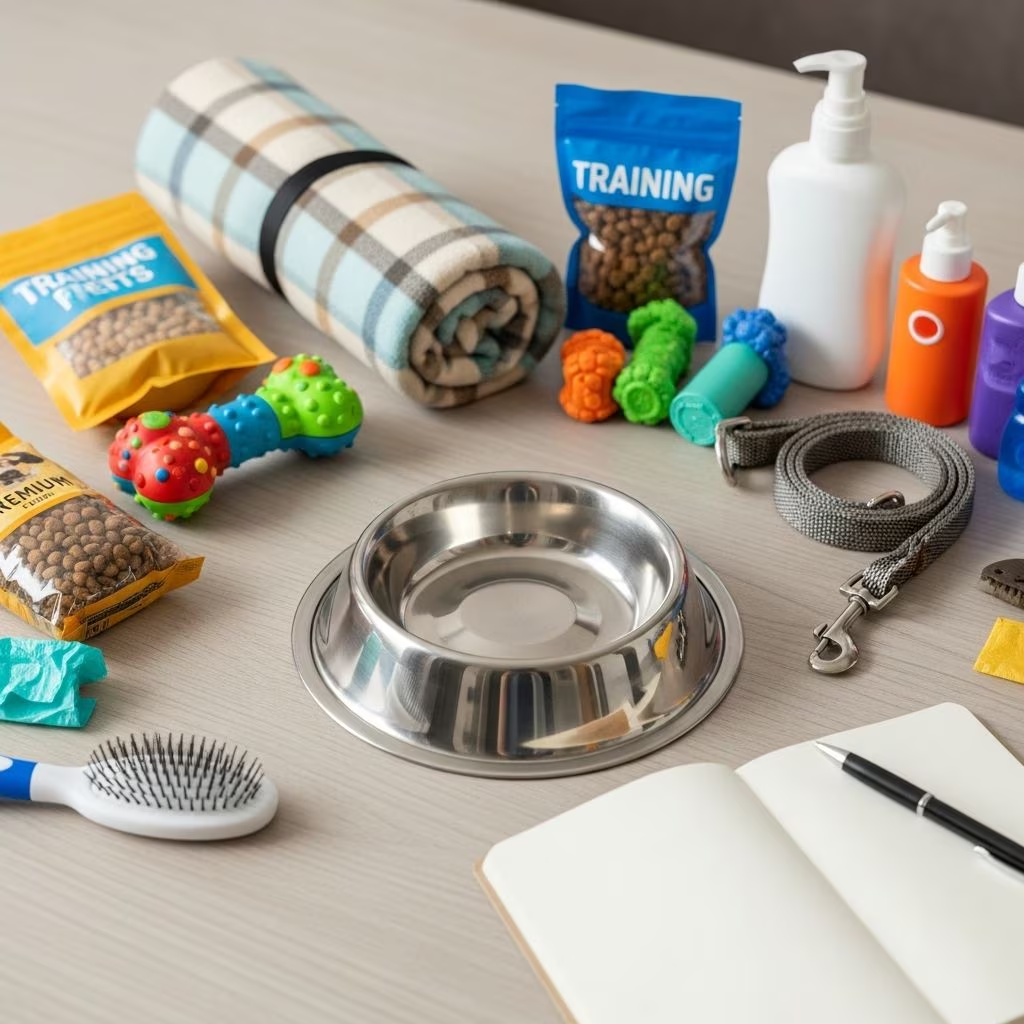
Bringing a dog into your home is an exciting decision that promises years of companionship, joy, and unconditional love. However, responsible dog ownership requires thoughtful preparation to ensure both you and your new furry friend thrive. This comprehensive guide outlines everything from essential supplies and home setup to training, healthcare, legal requirements, and long-term commitment. By covering these key areas, you’ll be equipped to provide a safe, stimulating environment that supports your dog’s physical, mental, and emotional well-being.
Assess Your Lifestyle and Commitment
Before adopting or purchasing a dog, evaluate if your lifestyle aligns with the demands of pet ownership. Dogs require daily time for exercise, feeding, grooming, training, and affection. Consider your work schedule, living space, family dynamics, and long-term plans. The American Veterinary Medical Association (AVMA) emphasizes providing lifelong care, selecting pets suited to your lifestyle, and establishing a veterinarian-client-patient relationship from day one. A mismatched commitment can lead to stress for both parties, so commit to 10-15 years of care depending on the breed.
Factor in costs: initial setup ($200-$500), annual expenses ($1,000-$2,000 for food, vet visits, etc.), and unexpected emergencies. Time-wise, puppies demand 2-4 hours daily initially, while adults need 1-2 hours. Renters should check pet policies, and families with children or other pets must ensure compatibility. This self-assessment prevents common pitfalls like abandonment, promoting a nurturing lifelong bond.
Choose the Right Breed or Mix for Your Home
Selecting a dog that fits your home and routine is crucial. Research breeds via reputable sources like the AKC or shelter profiles. Consider size (small for apartments, large for yards), energy levels (high-energy for active owners), temperament (family-friendly vs. guard dogs), and grooming needs (short vs. long coat). Mixed breeds often offer hybrid vigor and fewer genetic issues.
Puppies suit patient trainers but require intensive housebreaking; adults or seniors may be calmer and pre-trained. Special needs dogs can make amazing pets with proper support, offering unique loyalty. Assess allergies, travel frequency, and exercise capacity—e.g., Bulldogs for low-activity homes, Border Collies for runners. Shelters provide temperament tests to match perfectly.
Prepare Your Home and Safety Essentials
Your home must be puppy-proofed like a child’s. Secure hazards: remove toxic plants (lilies, aloe), chemicals, small objects, and electrical cords. Use baby gates for stairs, crate train for safe confinement, and designate a quiet ‘safe space’ with bedding, water, and toys. Install fences if yard access exists, and supervise near pools or balconies.
For fostering or new dogs, create a basic house plan: private areas for eating, sleeping, and potty. Cleaning supplies are essential for accidents. AVMA guidelines stress safe shelter, proper identification, and minimizing environmental impacts like waste disposal. This setup reduces anxiety and prevents escapes or injuries.
Essential Supplies Checklist
Stock up on these must-haves before bringing your dog home:
- Collar and Leash: Adjustable flat collar (not choke/prong) and 4-6 ft leash for walks.
- ID Tags and Microchip: Engraved tags with contact info; microchip for permanent ID, updated in databases.
- Food and Water Bowls: Stainless steel or ceramic, non-tip for meals.
- High-Quality Dog Food: Age/breed-appropriate; transition slowly to avoid upset.
- Crate and Bedding: Size for standing/turning; crate for training and safety.
- Toys and Chew Items: Kongs, puzzle toys for mental stimulation; variety prevents boredom.
- Grooming Tools: Brush, nail clippers, shampoo based on coat type.
- Poop Bags and Cleaning Supplies: For walks and accidents.
- Carriers/Seats: For safe travel.
Budget $200-400 initially. Prioritize durable, safe items to foster healthy habits.
Nutrition and Feeding Guidelines
Proper nutrition is foundational. Feed AAFCO-approved food matching life stage (puppy, adult, senior), breed size, and health needs. Puppies eat 3-4 meals/day; adults 1-2. Portion per label, adjusting for weight/activity—overfeeding causes obesity. Provide constant fresh water.
Consult vets for allergies or special diets. Treats under 10% calories; use for training. AVMA recommends nutrition suited to age, breed, health. Monitor weight weekly for ideal body condition.
Training and Socialization Basics
Start training day one with positive reinforcement (treats, praise). Teach sit, stay, come, leave-it using short 5-10 min sessions daily. Crate and potty train consistently: take out every 2-4 hours, after meals/sleep/play.
Socialize via puppy classes, parks, people/dogs meetings to prevent fear/aggression. Bark Busters notes core needs: nutrition, shelter, leadership, stimulation, training. Proper training ensures well-being and community harmony.
Exercise and Mental Stimulation
Dogs need 30-120 min daily exercise: walks, fetch, agility. Mental games like puzzles, scent work prevent destructive behaviors. Tailor to breed—herding dogs crave jobs.
AVMA stresses physical/mental stimulation appropriate to species/age. Routine builds confidence; under-exercised dogs develop anxiety or health issues.
Healthcare and Veterinary Care
Schedule vet visit within 72 hours: exam, vaccines (rabies core), deworming, flea/tick/heartworm preventives. Spay/neuter by 6-9 months unless breeding. Annual checkups, dental care essential.
Build VCPR for tailored advice. Emergency fund or pet insurance covers accidents ($500+).
Legal Requirements: Registration and Licensing
Most localities mandate dog licensing for identification/control. Gather rabies vaccine certificate (mandatory), spay/neuter proof, microchip records, ownership proof (vet records).
Process: Find local animal control site, submit online/mail with fee ($10-50/year), receive tag for collar. Renew annually; varies by city/county—not all states require but locals do. Comply with leash laws, ordinances.
Grooming and Maintenance Routine
Breed dictates frequency: bathe monthly, brush 2-7x/week, nails monthly, ears/teeth weekly. Professional grooming for long coats. Regular care prevents infections, mats.
Costs of Dog Ownership
| Category | Initial Cost | Annual Cost |
|---|---|---|
| Supplies | $200-500 | $100-200 |
| Food/Treats | $50-100 | $400-800 |
| Vet Care | $200-400 | $300-700 |
| Registration/Training | $50-200 | $100-300 |
| Insurance/Boarding | $0-300 | $300-1000 |
Total first-year: $1,500+; ongoing $1,000+. Plan accordingly.
Building a Lifelong Bond
Daily play, cuddles, routines forge trust. Be leader with consistency, patience. Responsible ownership minimizes impacts on others. Rehome thoughtfully if needed via shelters.
Frequently Asked Questions (FAQs)
What are the requirements for dog registration?
Rabies vaccination certificate, spay/neuter proof, microchip/ownership docs, local fees. Varies by area.
How do I register my dog online?
Search local licensing site, upload docs, pay fee, receive tag by mail.
Is dog registration mandatory everywhere?
Not statewide, but often city/county required. Check local rules.
What supplies do I need for a foster or new dog?
Leash, collar, bowls, food, crate, toys, cleaning supplies, safe space.
How much exercise does a new dog need?
30-120 min daily, plus mental stimulation tailored to age/breed.
References
- How to Register a Dog for The First Time — Kinship. 2023. https://www.kinship.com/dog-lifestyle/how-to-register-a-dog-for-the-first-time
- How to Foster a Dog: What You Need to Know — Kinship. 2023. https://www.kinship.com/dog-lifestyle/how-to-foster-dog
- Pet ownership guidelines — American Veterinary Medical Association. 2024-01-14. https://www.avma.org/resources-tools/avma-policies/pet-ownership-guidelines
- Guide to Responsible Dog Ownership: Nurturing a Lifelong Bond — Best Friends Pet Care. 2024. https://bestfriendspetcare.com/guide-to-responsible-dog-ownership-nurturing-a-lifelong-bond/



