

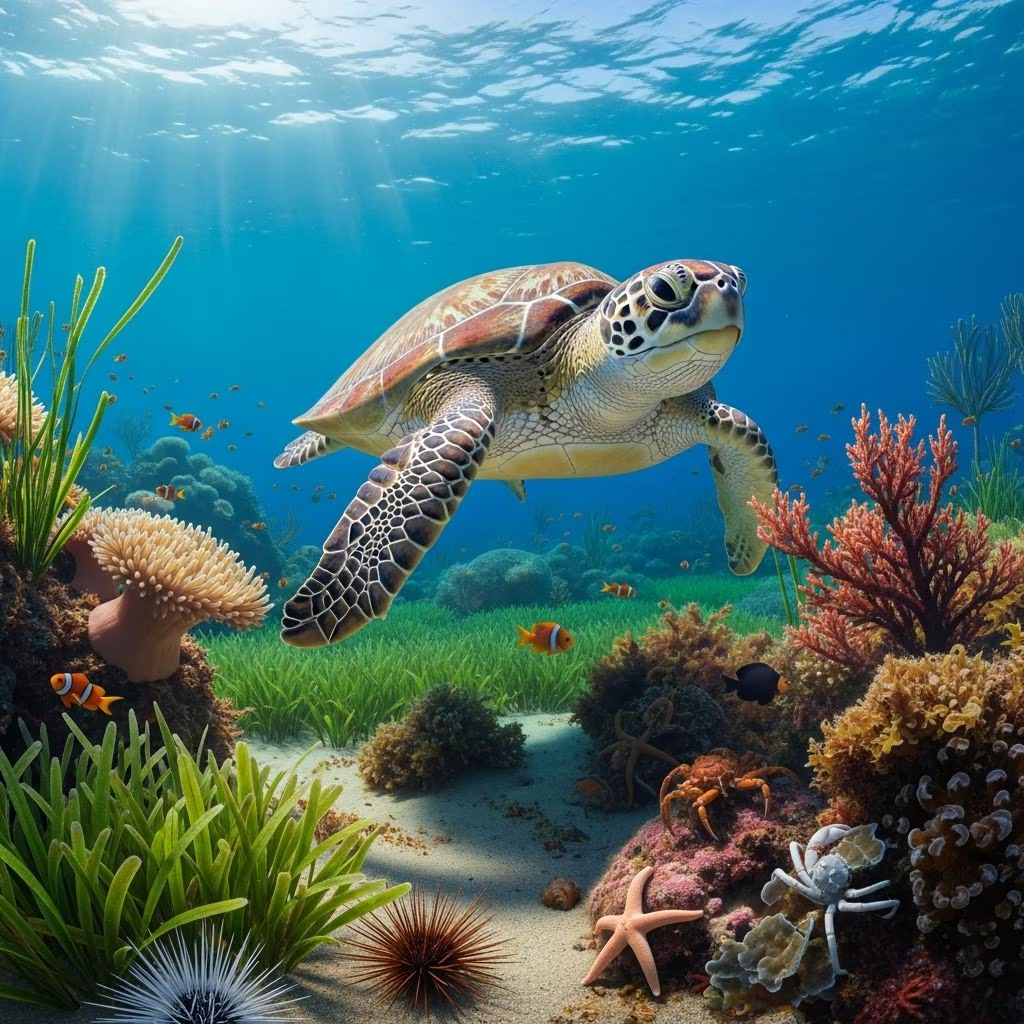
What Do Turtles Eat? A Complete Feeding Guide
Turtles are diverse creatures with varying dietary needs depending on their species and whether they are aquatic, semi-aquatic, or terrestrial. Understanding what your pet turtle eats is essential for maintaining optimal health, supporting shell development, and ensuring longevity. The diet of a turtle varies significantly based on whether the species is carnivorous, herbivorous, or omnivorous, and pet owners must tailor feeding practices to meet their specific turtle’s nutritional requirements.
Understanding Turtle Dietary Categories
Turtles fall into three main dietary categories, each with distinct nutritional needs and food preferences. Recognizing which category your turtle belongs to is the first step in providing appropriate nutrition. These categories determine not only what foods are appropriate, but also the proportion of plant material, pellets, and live food that should comprise your turtle’s diet.
Herbivorous Turtles
Herbivorous turtles, particularly land turtles commonly known as tortoises, subsist entirely on plant-based materials. All tortoises are primarily herbivores and thrive on a diet consisting of leafy greens, vegetables, grasses, plants, flowers, and certain fruits. These species have evolved digestive systems specifically adapted to process plant matter efficiently. Unlike their carnivorous counterparts, herbivorous turtles do not require any animal-based protein sources in their diet.
Common herbivorous species include Russian tortoises, Hermann’s tortoises, Sulcata tortoises, Leopard tortoises, and Greek tortoises. Many of these species are natural browsers, meaning they enjoy grazing on grass, plants, and leaves throughout the day. When given the opportunity, herbivorous tortoises demonstrate a clear preference for fruits and vegetables, as they find these foods particularly palatable.
Carnivorous Turtles
Some aquatic turtle species are primarily carnivorous, deriving nearly all their nutritional needs from animal-based food sources. The softshell turtle represents a prime example of a carnivorous species. These turtles have evolved as hunters and feeders on fish, insects, and other aquatic prey. Their digestive systems are optimized for processing protein-rich animal matter, and they have minimal need for plant-based foods.
Carnivorous turtles require a diet that consists predominantly of live food and appropriate commercial carnivorous turtle pellets. Without access to proper animal-based nutrition, these species can develop serious nutritional deficiencies affecting their shell integrity, bone density, and overall health.
Omnivorous Turtles
Many semi-aquatic turtle species are omnivorous, meaning they consume both plant and animal matter. Box turtles exemplify this category perfectly. Omnivorous turtles require a balanced diet that includes vegetables, fruits, pellets, and live food to meet all their nutritional needs. The balance between these food categories is critical, as either an excess or deficiency of any component can lead to nutritional imbalances and health complications.
Dietary Composition for Omnivorous Turtles
Understanding the proper ratio of different food types is crucial for maintaining optimal health in omnivorous turtles. The typical dietary composition for a fully grown, omnivorous, semi-aquatic turtle should follow these proportions:
| Food Category | Percentage | Examples |
|---|---|---|
| Plant Material | More than 50% | Leafy greens, vegetables, plants |
| Commercial Pellets | About 25% | Turtle pellets, species-appropriate formulas |
| Live Food | About 25% | Crickets, earthworms, insects |
This balanced approach ensures that omnivorous turtles receive comprehensive nutrition, including proteins, vitamins, minerals, and fiber. The plant-based majority supports digestive health, while the protein sources and pellets provide essential amino acids and supplementary nutrition.
Common Foods for Turtles
Turtles can consume a wide variety of foods, with options varying based on species type. However, certain vegetables and plant materials are universally beneficial across most turtle species.
Vegetables and Greens
Leafy greens form the foundation of a healthy turtle diet and should be rotated regularly to ensure nutritional variety. Highly nutritious options include:
- Collard greens
- Mustard greens
- Dandelion greens
- Kale
- Romaine lettuce
- Swiss chard
- Watercress
- Endive
- Bok choy
- Escarole
Additional vegetables safe for turtles include shredded carrots and carrot tops, squash, green beans, and broccoli. Aquatic plants sold specifically for aquarium use can also be offered to aquatic turtles, provided they are confirmed to be safe for reptile consumption.
Live Food Options
Live food provides essential protein and enrichment for omnivorous and carnivorous turtles. Appropriate live food sources include:
- Crickets
- Earthworms
- Mealworms
- Snails
- Small aquatic insects
- Feeder fish (for aquatic species)
Live food should be appropriately sized for your turtle species to prevent choking hazards. Juveniles may require smaller prey items than adults.
Fruits
Fruits can be included in the diet of certain turtle species, though they should be offered sparingly. Box turtles can consume small amounts of berries and melon as treats. However, most herbivorous tortoises should not be fed fruit regularly, as their natural diet in the wild typically consists of low-sugar plant materials. Fruit-eating tortoise species may enjoy melon, raspberries, blackberries, grapes, and small slices of sweet desert apple.
Flowers and Natural Plants
Many turtles enjoy flowers and natural plants as part of a varied diet. Options include hibiscus petals, nasturtiums, clover, and various wild plants like sowthistle, chicory, and shepherd’s purse. These natural foods provide both nutrition and enrichment, mimicking the foraging behavior turtles would engage in within their natural habitats.
Commercial Pellets
Species-appropriate commercial pellets serve as a convenient supplementary food source that provides balanced nutrition. These pellets include necessary proteins and micronutrients, though they should never constitute the sole diet. Pellets work best when combined with fresh vegetables and live food as part of a varied diet.
Carnivorous Turtle Diet Composition
Carnivorous turtle species require a distinctly different dietary ratio than omnivorous turtles. The typical composition for adult carnivorous turtles includes:
| Food Category | Percentage | Examples |
|---|---|---|
| Plant Material | 10-20% | Aquatic plants, limited greens |
| Carnivorous Pellets | About 50% | Species-specific carnivorous formulas |
| Live Animal Protein | 30-40% | Fish, insects, crustaceans |
This composition reflects the natural hunting and feeding patterns of carnivorous turtle species, ensuring they receive the high protein content their bodies require for optimal function and health.
Box Turtle Specific Feeding Guidelines
Box turtles, being omnivorous, require a comprehensive diet that encompasses vegetables, fruits, pellets, and protein sources. These terrestrial semi-aquatic turtles will eat everything from vegetables and fruits to pellets, bugs, and worms. A well-balanced box turtle diet should include:
- High-fiber greens and safe weeds as the dietary foundation
- Modest protein sources such as earthworms and mealworms offered 1-2 times weekly
- Small amounts of fruits like berries and melon offered 1-2 times weekly
- Species-appropriate pelleted diet to support comprehensive nutritional needs
- Occasional treats such as small carrot shavings
Box turtles benefit from pelleted diets specifically formulated for their species, as these pellets are designed to support their particular nutritional requirements more effectively than general turtle pellets.
What Do Tortoises Enjoy Most?
Many tortoises exhibit natural browsing behaviors and demonstrate clear food preferences when given choices. Tortoises are often “browsers” by nature, spending their time eating grass, plants, leaves, and other vegetation they can access throughout their environment. When provided with options, tortoises typically show a strong preference for fruits and vegetables over other food types, clearly enjoying the taste and texture of these foods. Understanding these natural preferences can help pet owners create enriching feeding environments that mimic natural foraging behavior.
Foods to Avoid for Turtles
While turtles can consume a wide variety of foods, certain items should be strictly avoided to prevent health complications:
- Iceberg lettuce (low nutritional value, should not serve as dietary staple)
- Spinach, beet greens, and chard in excess (high oxalate content can interfere with calcium absorption)
- Processed foods, bread, and pasta
- Dog food or other pet foods formulated for non-reptile species
- Fruit for most herbivorous tortoises (inappropriate sugar content)
- High-sugar treats and foods
Nutritional Supplementation
Beyond whole foods, turtles benefit from nutritional supplements that support bone health and metabolic function. Calcium supplementation is particularly important for maintaining shell integrity and skeletal health. Vitamin D3 supports calcium absorption, and a balanced multivitamin can fill nutritional gaps. Most pet turtles benefit from calcium dusting 2-3 times weekly, with adjustments based on individual species requirements and UVB lighting availability.
Feeding Frequency and Amounts
The frequency of feeding depends on the turtle’s age and species. Hatchlings and young tortoises typically require daily feeding, sometimes divided into morning and afternoon portions. Adult tortoises can be fed on a daily schedule or may thrive with slightly less frequent feeding, depending on their activity level and individual metabolism. Proper portion control is essential to prevent overfeeding, which can lead to obesity and associated health complications.
Hydration Needs
Fresh drinking water should always be available for pet turtles. Proper hydration supports digestive function, kidney health, and overall metabolic processes. Water dishes should be cleaned and refilled daily to maintain water quality and hygiene.
Frequently Asked Questions About Turtle Diets
Q: What is the best food to feed turtles daily?
A: A varied diet of high-fiber, nutritious vegetables and greens forms the foundation. Species-appropriate pellets and live food should be incorporated based on whether your turtle is herbivorous, carnivorous, or omnivorous.
Q: How often should I feed my turtle?
A: Juveniles and hatchlings require daily feeding. Adult turtles can be fed daily or on an adjusted schedule depending on species and individual metabolism.
Q: Can turtles eat fruits?
A: Box turtles can consume small amounts of fruit 1-2 times weekly. However, most herbivorous tortoises do not require fruit and should be fed primarily vegetables and greens.
Q: What vegetables are safest for turtles?
A: Collard greens, mustard greens, dandelion greens, kale, romaine, and watercress are all excellent choices. Rotate vegetables regularly to ensure nutritional diversity.
Q: Do I need to supplement my turtle’s diet?
A: Yes, calcium supplementation 2-3 times weekly supports shell and bone health. Vitamin D3 and multivitamins may also be beneficial depending on UVB lighting and individual needs.
Q: Can pellets be the only food for my turtle?
A: No. Commercial pellets should comprise only part of a varied diet. Fresh vegetables, live food, and natural plants should be incorporated to provide comprehensive nutrition and enrichment.
References
- Tortoise Diet — The Tortoise Table. https://www.thetortoisetable.org.uk/tortoise-diet/
- What Do Turtles Eat? – PetMD — PetMD. https://www.petmd.com/reptile/nutrition/what-do-turtles-eat
- Diet & Nutrition: Safe Food Lists, Schedules & Supplements — The Tortoise Spot. https://thetortoisespot.com/diet/
- Tortoise Food and Diet Advice — ExoticDirect. https://exoticdirect.co.uk/news/tortoise-food-and-diet-advice/
- Desert Tortoise Diet — San Diego Turtle and Tortoise Society. https://sdturtle.squarespace.com/s/desert-tortoise-diet.pdf
- Diet Tips — Central Texas Tortoise Rescue. https://www.texastortoiserescue.com/diet-tips
- Hermann’s Tortoise Care Guide: Housing, Diet & Lighting Needs — The Reptile Centre. https://www.reptilecentre.com/pages/info-hermanns-tortoise-care-sheet



