
What Do Squirrels Eat: Complete Diet Guide
Discover the complete diet of squirrels, from nuts and seeds to fruits, vegetables, and protein sources.
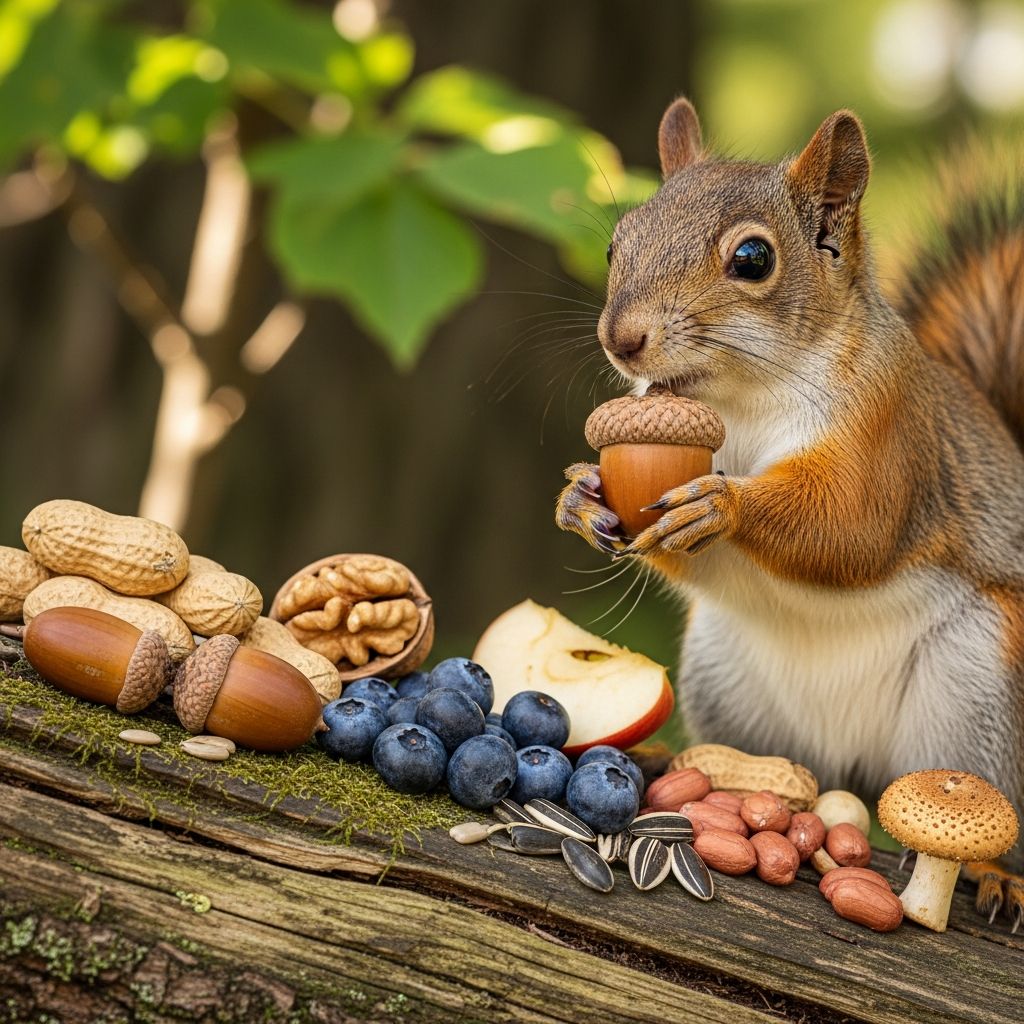
What Do Squirrels Eat: A Complete Nutrition Guide
Squirrels are fascinating creatures with diverse dietary habits that vary by species, season, and habitat. Contrary to popular belief, squirrels are not exclusively nut-eaters. These intelligent rodents maintain a balanced diet that includes nuts, seeds, fruits, vegetables, fungi, and even insects. Understanding what squirrels eat is essential whether you’re observing wild squirrels in your backyard or caring for a pet squirrel. Their nutritional needs are complex, requiring a variety of foods to ensure they receive adequate protein, fat, vitamins, and minerals for optimal health and survival.
The Natural Squirrel Diet in the Wild
Wild squirrels are omnivores with an instinctive knowledge of which nutrients their bodies require. Their diet changes seasonally based on food availability and environmental conditions. Red squirrels, for example, have more varied diets than many people realize, adapting their consumption patterns throughout the year to meet their nutritional needs.
Seeds and Nuts
Seeds and nuts form the foundation of a squirrel’s diet and are their most well-known food source. Red squirrels consume spruce and pine seeds, hazelnuts, beech nuts, walnuts, and chestnuts. Grey squirrels show particular efficiency in extracting nutrients from acorns and appear to thrive in oak woodlands because of this specialized adaptation. These hard-shelled foods provide essential fats and proteins necessary for energy and body maintenance. The variety of nuts available throughout different seasons ensures squirrels have access to nutrient-dense foods year-round.
Fruits and Berries
Squirrels enjoy a variety of fruits and berries that provide vitamins, minerals, and natural sugars for energy. Their fruit consumption includes apples, berries of various types, and seasonal fruits depending on geographic location. These foods are particularly important during warmer months when fruits ripen and become abundant. The natural sugars in fruits give squirrels quick energy boosts, while the fiber aids in digestive health.
Vegetables and Plant Matter
Beyond nuts and fruits, wild squirrels consume numerous vegetables and plant materials. They eat tree shoots, flowers, pollen, bulbs, roots, and bark. Samaras—the winged fruits of trees—are also consumed with regularity. This plant diversity ensures squirrels obtain a full spectrum of micronutrients including calcium, phosphorus, and various vitamins essential for maintaining strong bones and overall health.
Fungi and Mushrooms
Squirrels are known fungal foragers, consuming various types of mushrooms and fungi throughout the year. Fungi provide unique nutritional compounds and are often more readily available in certain seasons. This dietary component is particularly important in forest ecosystems and contributes to the diversity of their nutritional intake.
Seasonal Protein Sources
In spring and when other food sources become scarce, squirrels demonstrate their omnivorous nature by consuming protein-rich animal matter. They occasionally eat eggs and small birds, providing the extra protein needed during breeding season. This seasonal carnivorous behavior shows the remarkable adaptability of squirrels to their environment and their ability to adjust their diet based on nutritional demands and availability.
Nutritional Composition of Squirrel Foods
Understanding the nutritional profile of common squirrel foods helps explain why these animals maintain such varied diets. A balanced squirrel diet should contain approximately 11% protein and 16% fat according to nutritional guidelines for supplementary foods. Raw squirrel meat contains 18.1 grams of protein per 100 grams and only 2.7 grams of fat, demonstrating the high protein content typical of animal protein sources.
| Food Category | Primary Nutrients | Examples |
|---|---|---|
| Nuts and Seeds | Protein, Fats, Minerals | Almonds, Hazelnuts, Walnuts, Pumpkin Seeds |
| Fruits | Carbohydrates, Vitamins, Fiber | Apples, Berries, Seasonal Fruits |
| Vegetables | Calcium, Vitamins, Minerals | Kale, Collard Greens, Squash, Bell Peppers |
| Insects | Protein, B Vitamins | Mealworms, Crickets, Grubs |
| Fungi | Minerals, Unique Compounds | Mushrooms, Various Fungi |
Pet Squirrel Dietary Guidelines
Captive squirrels require a balanced diet that closely matches the wild diet for their species. Pet squirrels should not subsist on a diet of nuts, seeds, and vegetables alone, as this is deficient in calcium, protein, B vitamins, and vitamin D. A well-rounded pet squirrel diet should be carefully planned to ensure optimal nutrition.
High-Calcium Vegetables (Daily Staple)
Pet squirrels should consume 5-7 thumb-sized pieces of high-calcium vegetables daily. These vegetables form the foundation of a captive squirrel’s diet and should include arugula, beet greens, Belgian endive, chicory, Chinese cabbage (bok choy), fresh cilantro, collard greens, dandelion greens, escarole, fennel, kale, mustard spinach, fresh parsley, purslane, radicchio, radishes, romaine lettuce, butternut squash, Swiss chard, turnip greens, and watercress. These vegetables ensure adequate calcium intake, which is crucial for bone health and metabolic function.
Other Healthy Vegetables (Limited Portions)
Beyond high-calcium vegetables, pet squirrels benefit from 2-3 pieces daily of other nutritious vegetables including asparagus, artichokes, bell peppers, broccoli, Brussels sprouts, cabbage, cauliflower, cherry tomatoes, cucumber, green beans, pumpkin, various types of squash, sugar snap peas, sweet potato, and zucchini. These vegetables provide additional vitamins and minerals while adding variety to the diet. Some vegetables are somewhat higher in sugars and starches, so portion control is important for maintaining optimal weight and health.
Fruits (Moderate Consumption)
Fruits should be offered in moderation to pet squirrels due to their sugar content. Safe fruit options include apples and various berries. However, certain fruits must be avoided entirely, including dates, all types of dried fruit, figs, fruit juice, persimmons, plums, prunes, and raisins. Additionally, fruit pits and seeds can be toxic to squirrels and should never be offered, with the exception of seeds from berries which are safe.
Nuts and Seeds (Limited Frequency)
Nuts and seeds should be offered sparingly, typically two per day or limited to 2-3 per week depending on the specific recommendation. Preferred nuts include acorns, whole roasted pumpkin seeds, and almonds, which are the healthiest options. Acceptable nuts in order of nutritional preference include hazelnuts, macadamia nuts, English walnuts, pecans, pistachios, and peanuts. Nuts should preferably be offered in the shell to encourage natural foraging behavior and dental health. Chestnuts and acorns that may contain aflatoxin, a potentially deadly poison, should be avoided or sourced from reliable suppliers.
Protein Sources
Insects provide essential protein and B vitamins that squirrels need for optimal health. Suitable protein sources include mealworms and crickets, which can be purchased live, dried, or canned from pet stores. Black soldier fly larvae are also excellent protein sources. It is important to avoid wild-caught insects as they can carry parasites and potentially expose squirrels to harmful pathogens. Purchased insects from reputable pet suppliers are the safest option.
Foods to Avoid
Several foods are toxic or unsuitable for squirrels and should never be offered. These include chocolate, caffeine, avocado (marked with ** in some guidelines), dates, dried fruits of all kinds, figs, fruit juice, persimmons, plums, prunes, and raisins. Additionally, human foods, snack foods, sweets, and processed items should be avoided entirely. Certain nuts like chestnuts and acorns with potential aflatoxin contamination pose serious health risks. All pits and seeds from fruits (except berries) are toxic and must be removed before offering any fruit to pet squirrels.
Nutritional Requirements for Pet Squirrels
Squirrels require a comprehensive array of nutrients for optimal health. A balanced diet should include adequate protein for muscle development and maintenance, healthy fats for energy and coat quality, carbohydrates from vegetables and limited fruits, and essential vitamins and minerals including calcium, phosphorus, vitamin D, B vitamins, and iron. The specific caloric and nutrient requirements depend on the squirrel’s weight, age, activity level, and health status.
For squirrels that are older, overweight, or less active, foods high in sugars, starches, and fats should be limited. Nutritional adjustments should be made based on individual squirrel weight, with amounts scaled appropriately for smaller or larger individuals. Regular veterinary check-ups can help ensure that pet squirrels are receiving adequate nutrition and maintaining healthy body weight.
Seasonal Diet Variations
Wild squirrels adapt their diet seasonally to match food availability. In summer and fall, squirrels focus on accumulating nuts and seeds for winter storage, eating prolifically during these abundant months. In winter, when fresh foods are scarce, squirrels rely on their cached food supplies and consume available seeds, fruit, and fungi. Spring brings fresh vegetation, shoots, and flowers, while also providing opportunities for protein consumption as breeding season approaches. Understanding these natural seasonal variations helps explain why captive squirrels need diverse diets year-round to maintain optimal health.
Frequently Asked Questions
Q: Can squirrels eat acorns?
A: Yes, squirrels can eat acorns, and they are a natural and important part of their wild diet. However, acorns can contain aflatoxin, a potentially deadly and undetectable poison. For pet squirrels, acorns should be sourced from reliable suppliers or limited in quantity. Grey squirrels are particularly efficient at extracting nutrition from acorns.
Q: What nuts are safe for pet squirrels?
A: The safest nuts for pet squirrels include almonds, hazelnuts, and whole roasted pumpkin seeds. Other acceptable nuts in descending order of preference include macadamia nuts, English walnuts, pecans, pistachios, and peanuts (roasted and unsalted only). Nuts should be offered in moderation, typically two per day or 2-3 per week.
Q: Do squirrels eat meat?
A: Yes, squirrels are omnivores and occasionally eat meat, particularly in spring when they consume eggs and small birds. However, this is seasonal behavior driven by nutritional needs and food availability. For pet squirrels, appropriate protein sources include purchased mealworms, crickets, and black soldier fly larvae rather than whole animals.
Q: How many nuts should a pet squirrel eat daily?
A: Pet squirrels should be limited to approximately two nuts per day or 2-3 nuts per week, depending on the specific feeding guidelines. Nuts are high in fat and should be offered in moderation as part of a balanced diet that includes vegetables, fruits, and protein sources.
Q: What vegetables are best for pet squirrels?
A: High-calcium vegetables are the best choice for pet squirrels and should form the foundation of their diet. These include kale, collard greens, turnip greens, arugula, dandelion greens, Swiss chard, and various other leafy greens. These should be supplemented with other healthy vegetables like bell peppers, broccoli, and squash.
Q: Are there fruits squirrels should avoid?
A: Yes, squirrels should avoid dates, dried fruits of all kinds, figs, fruit juice, persimmons, plums, prunes, and raisins. Additionally, all fruit pits and seeds (except berry seeds) are toxic to squirrels. Fruits high in sugar should be offered only occasionally and in limited quantities.
References
- Squirrel Nutrition Facts — Eat This Much. YYYY-MM-DD. https://www.eatthismuch.com/calories/squirrel-3905
- Feeding Guidelines for Pet Squirrel — Avian and Animal Hospital. YYYY-MM-DD. https://www.avianandanimal.com/feeding-your-pet-squirrel.html
- Squirrel Food & Feeding – Diet Composition — Wildlife Online. YYYY-MM-DD. https://www.wildlifeonline.me.uk/animals/article/squirrel-food-feeding-diet-composition
- Nutrition | Squirrel Refuge — Squirrel Refuge. YYYY-MM-DD. https://www.squirrelrefuge.org/nutrition
- Healthy and Unhealthy Foods for Squirrels — Exotic Nutrition. YYYY-MM-DD. https://exoticnutrition.com/blogs/blog/unsafe-foods-for-squirrels
- Squirrel Nutritional Information — Wild Harvest Table. YYYY-MM-DD. https://www.wildharvesttable.com/squirrel-nutritional-information/
- Shape up with the Squirrel Diet Plan — Scottish Squirrels. 2016-12-15. https://scottishsquirrels.org.uk/2016/12/15/shape-up-with-the-squirrel-diet-plan/
Similar Articles








Read full bio of Sneha Tete


