

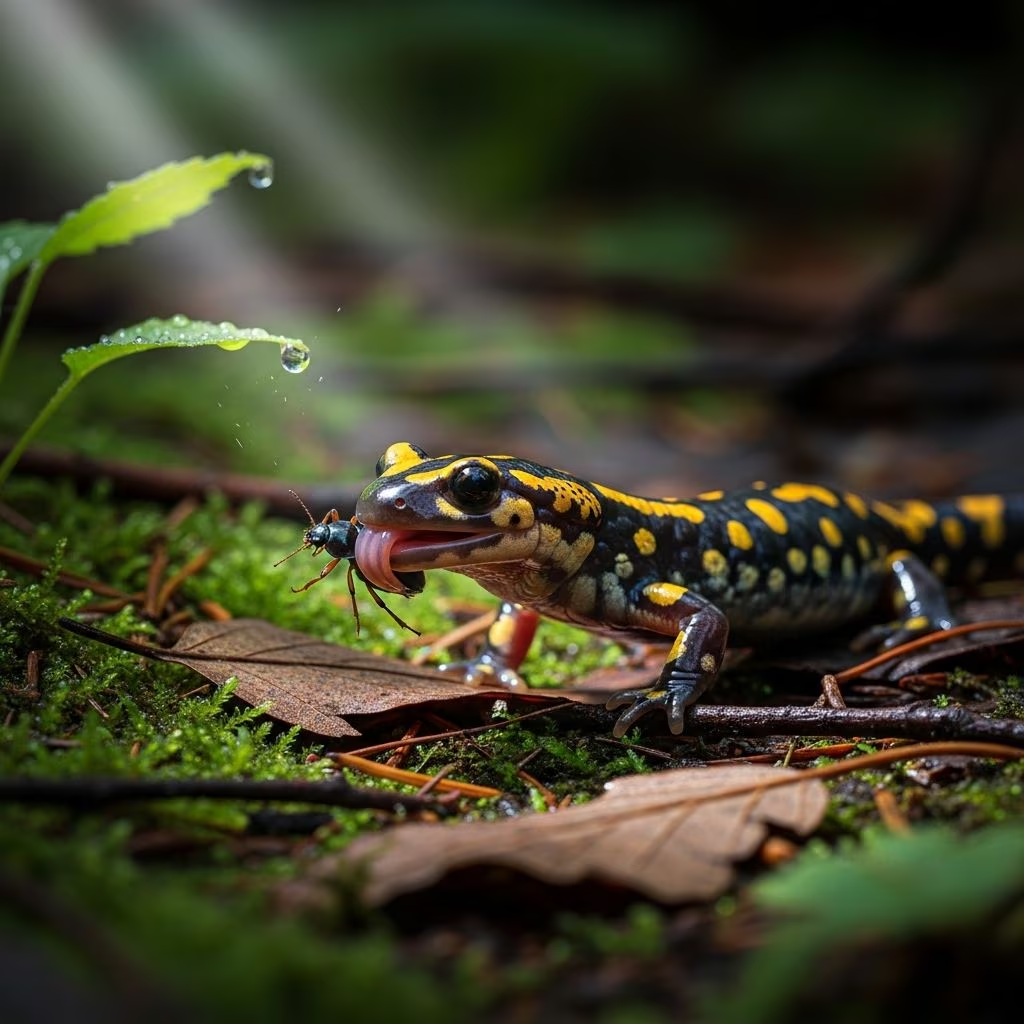
What Do Salamanders Eat: Your Guide to Feeding a Pet Salamander
Salamanders are fascinating amphibians that require a carefully planned diet to thrive in captivity. Understanding what salamanders eat is essential for maintaining their health and ensuring they receive proper nutrition. Your salamander needs a variety of foods that provide at least 40% protein, with a balance of nutrients, including calcium, phosphorus, and vitamin D3 appropriate for their species. This means rotating foods to give them enough variety to keep them healthy and active.
As carnivorous amphibians, salamanders have specific dietary needs that differ based on whether they are land-dwelling or aquatic species. The foods you offer should mimic what salamanders would eat in their natural habitats, which include both terrestrial and aquatic environments. Providing the right diet is crucial for supporting their growth, energy levels, and overall well-being.
Understanding Salamander Dietary Needs
Salamanders are obligate carnivores, meaning they survive exclusively on meat and insects. Unlike omnivorous reptiles, salamanders cannot process fruits, vegetables, or plant matter. Their digestive systems are specifically designed to break down and extract nutrients from animal proteins and insects. This fundamental dietary requirement remains consistent across all salamander species, whether they live on land or in water.
The primary difference in salamander diets lies in their habitat type. Land-dwelling salamanders hunt terrestrial insects in their natural environment, while aquatic and semi-aquatic salamanders consume water-based prey. To maintain optimal health in captivity, your feeding strategy should reflect these natural preferences and feeding behaviors.
Types of Salamander Food
Insects and Insect Larvae
Insects and their larvae form the foundation of a healthy salamander diet, offering varying amounts of protein, fiber, amino acids, calcium, and phosphorus. You can feed your pet salamander the following insects:
- Crickets
- Dubia roaches
- Fruit flies
- Hornworms
- Isopods
- Soldier fly larvae
- Waxworms
Dubia roaches and isopods are excellent sources of protein, calcium, and phosphorus, making them particularly nutritious choices. The others add variety and protein but aren’t as nutrient-dense. Rotating between different insect types ensures your salamander receives a comprehensive nutrient profile and prevents dietary monotony, which can lead to feeding refusal in captive animals.
Worms
Most worms are high in protein, amino acids, and vitamins. Wiggly worms also help spur a young salamander’s prey drive and encourage natural hunting behaviors. Include these worms in your salamander’s array of food items:
- Bloodworms: Rich in iron but not as nutrient-dense as other options
- Earthworms: Have over 60% crude protein and lots of amino acids
- White worms: High in protein, fat, and vitamin B
- Brine shrimp: High in fat, protein, and carotenoids (a vitamin A precursor). They stimulate natural hunting behaviors in water and are soft enough for small salamanders and juveniles
- Daphnia: Water fleas that are a nearly complete food source for young salamanders, containing roughly 47% crude protein, plenty of calcium, and other nutrients
- Minnows: Great for protein, but higher in fat
Earthworms are particularly valuable because they offer a complete nutritional profile in a single food item. For aquatic salamanders, brine shrimp and daphnia provide excellent nutrition while naturally encouraging the hunting instincts that keep salamanders mentally stimulated and physically active.
Salamander Foods by Life Stage and Type
Larval Salamander Foods
Larval salamanders have unique nutritional requirements due to their rapid growth and development. Appropriate foods for larvae include:
- Bloodworms
- Brine shrimp
- Daphnia
- Dwarf white isopods
- Earthworms (chopped into smaller pieces)
- Flightless fruit flies
- Roundworms
- Springtails
- Small feeder fish
- Meat-based fish pellets
Larval foods must be appropriately sized to fit the salamander’s small mouth. Many larvae feed on microscopic creatures initially, making daphnia and brine shrimp ideal starter foods. As larvae grow, you can gradually introduce larger food items.
Juvenile and Adult Terrestrial Salamander Foods
Land-dwelling salamanders thrive on a diet of terrestrial insects and worms. Suitable options for juvenile and adult terrestrial salamanders include:
- Crickets
- Dubia roaches
- Earthworms
- Hornworms
- Isopods
- Super worms
- Waxworms
- White worms
- Pinkie mice (occasional treat)
- Meat-based fish pellets
Terrestrial salamanders can consume larger food items as they mature, including small pinkie mice on occasion. However, insects and worms should form the basis of their diet, as they better reflect natural feeding patterns and provide superior nutritional balance.
Juvenile and Adult Aquatic Salamander Foods
Water-dwelling salamanders have access to a different prey base in nature. Appropriate foods for juvenile and adult aquatic salamanders include:
- Brine shrimp
- Bloodworms
- Earthworms
- Flightless fruit flies
- Insect larvae
- Roundworms
- Small fish
- Meat-based fish pellets
Aquatic salamanders benefit from foods that encourage natural swimming and hunting behaviors. Small feeder fish and aquatic invertebrates provide both nutrition and enrichment, keeping your salamander engaged and active.
Feeding Schedule by Age
The frequency of feeding varies significantly based on your salamander’s age and life stage. Understanding these requirements ensures proper growth and maintains optimal health throughout your salamander’s life.
Juvenile Salamanders: Young salamanders require daily feeding due to their rapid growth and development. Juveniles are building body mass and developing organ systems, making consistent nutrition essential. Daily feeding sessions should occur during nighttime hours, when salamanders are naturally most active and alert.
Adult Salamanders: Adult salamanders only need to be fed two to three times per week, typically at nighttime. This reduced feeding schedule reflects their slower metabolism compared to juveniles. These feeding sessions should be spaced throughout the week to help mimic their natural hunting patterns, which is beneficial for their health and well-being in captivity.
Consistency in feeding times promotes regular eating habits and allows you to monitor your salamander’s appetite and health. Feeding at the same times each day or on the same days each week helps establish predictable behavior patterns.
Salamander Feeding Best Practices
Food Size and Safety
When selecting food for a salamander, consider the size of the prey in relation to the salamander’s mouth. The general rule is that food should be no larger than the distance between your salamander’s eyes. Salamanders lack the ability to chew, so they must swallow prey whole. Offering food items that are appropriately sized ensures safe ingestion and proper digestion.
Oversized prey can cause choking hazards and digestive blockages, which are serious health concerns in captive salamanders. Always err on the side of smaller prey items, especially for juvenile salamanders and newly acquired animals.
Live vs. Freeze-Dried Prey
It’s crucial to feed salamanders live or freeze-dried prey to mimic natural feeding behaviors and ensure nutritional adequacy. While commercial food options like pellets exist, these should not dominate their diet due to salamanders’ natural hunting instincts and some species’ reluctance to accept processed food. Live prey encourages natural predatory behaviors and mental stimulation, contributing to overall well-being.
Some salamanders may reject pellets entirely, making live and freeze-dried options more reliable. Live insects also tend to be more nutritionally complete than processed pellets.
Gut-Loading Insects
Before offering insects to your salamander, ensure that any insects have been gut-loaded with nutritious fruits and vegetables. Gut-loading means feeding the insects a nutrient-rich diet before they become food for your salamander. This process supplements your salamander’s diet indirectly, passing essential vitamins and minerals from the insects to your pet.
Gut-loaded insects provide superior nutrition compared to wild-caught or untreated feeder insects. This simple step significantly enhances your salamander’s nutritional intake without requiring direct supplementation of your salamander’s food.
Supplementation
Most amphibians don’t need vitamins and supplements in their diets when fed a varied diet of properly gut-loaded insects. However, your salamander will still need calcium powder supplements for bone health. Be sure to get calcium powder that doesn’t contain vitamin D3 since this can be toxic to amphibians in excess amounts. Calcium supplementation supports skeletal development and prevents metabolic bone disease.
Dust insects lightly with calcium powder two to three times weekly for juveniles and once weekly for adults. This preventative approach maintains proper calcium-phosphorus balance, which is essential for bone strength and overall health.
Varying Your Salamander’s Diet Effectively
To effectively vary your salamander’s diet, incorporate a mix of live and freeze-dried prey that mimics their natural food sources. Dietary variety provides multiple benefits: it ensures comprehensive nutrient intake, prevents nutritional deficiencies, reduces the risk of feeding refusal, and provides mental enrichment through varied textures and hunting experiences.
For land-dwelling salamanders, include mealworms, crickets, and tubifex worms on a rotating basis. For aquatic species, rotate between brine shrimp, bloodworms, and nightcrawlers. While commercial pellets can supplement their diet, they should not be the primary food source. Additionally, ensure that the insects you feed are gut-loaded with fruits and vegetables to provide necessary nutrients indirectly, enhancing your salamander’s overall health.
Maintaining a feeding log helps track what foods your salamander prefers and which foods seem to promote optimal health. This record also helps you identify any feeding issues early and adjust your strategy as needed.
Species-Specific Dietary Considerations
Different salamander species have evolved to exploit different ecological niches, resulting in varying dietary preferences and requirements. Some species are strictly terrestrial, some are purely aquatic, and others are semi-aquatic, spending time both on land and in water.
Research your specific salamander species to understand its natural habitat and feeding preferences. Some species may have more specialized diets or specific nutritional requirements that differ from general salamander care guidelines. Consulting species-specific care sheets and veterinary resources ensures you’re meeting your individual salamander’s unique needs.
Frequently Asked Questions
Q: How often should I feed my salamander?
A: Juvenile salamanders require daily feeding due to rapid growth and development. Adult salamanders thrive with feeding sessions two to three times per week, ideally occurring at night when they are most active.
Q: Can salamanders eat fruits and vegetables?
A: No, salamanders are obligate carnivores and their digestive tracts have difficulty processing anything other than meat. However, you can provide fruit and vegetable-based nutrients indirectly by ensuring the insects you feed your salamander have been gut-loaded with fruits and vegetables.
Q: What’s the proper size for salamander food?
A: Food should be no larger than the distance between your salamander’s eyes. Since salamanders cannot chew and must swallow prey whole, appropriately sized food prevents choking hazards and ensures proper digestion.
Q: Do salamanders need vitamin supplements?
A: Most salamanders don’t need extensive vitamin supplementation when fed a varied diet. However, calcium powder supplements are recommended for bone health. Always use calcium powder without vitamin D3, as this can be toxic to amphibians.
Q: Should I feed my salamander live insects or pellets?
A: Live or freeze-dried insects are preferred over pellets as they mimic natural feeding behaviors and are more nutritionally complete. Some salamanders reject pellets entirely. Use pellets only as occasional supplements to a primarily insect-based diet.
Q: What are the best protein sources for salamanders?
A: Earthworms (over 60% crude protein), Dubia roaches, and isopods are excellent high-protein options. Insects like crickets, hornworms, and soldier fly larvae also provide good protein content. Dubia roaches and isopods are particularly valuable for their balanced calcium and phosphorus content.
Q: Can I feed my salamander small fish?
A: Yes, small feeder fish can be appropriate for aquatic and semi-aquatic salamanders, though they should not comprise the entire diet. Fish are higher in fat and should be offered occasionally as part of a varied diet.
References
- What Do Salamanders Eat? Your Guide To Feeding a Pet Salamander — Chewy, Inc. 2025. https://www.chewy.com/education/reptile-and-amphibian/food-and-nutrition/what-do-salamanders-eat
- What Should I Feed My Salamander? — Peterborough Veterinary Services. 2025. https://peterboroughvets.ca/what-should-i-feed-my-salamander/
- Salamander Diet Dos and Don’ts — Hoschton Animal Hospital. 2022. https://hoschtonanimalhospital.com/blog/2022/02/16/salamander-diet-dos-and-donts/
- What Should I Feed My Salamander? — Morningside Animal Hospital. 2025. https://www.morningsideveterinary.com/what-should-i-feed-my-salamander/
- A Salamander’s Diet: The Ultimate Guide — Mr. Amphibian. 2025. https://www.mramphibian.com/salamander-diet/
- General Care and Feeding FAQ — Caudata.org. 2025. https://www.caudata.org/cc/faq/FAQcar.shtml



