What Do Rats Eat: Complete Nutrition Guide
Learn what rats eat, from pellets to vegetables, and create a balanced diet for your pet rat.
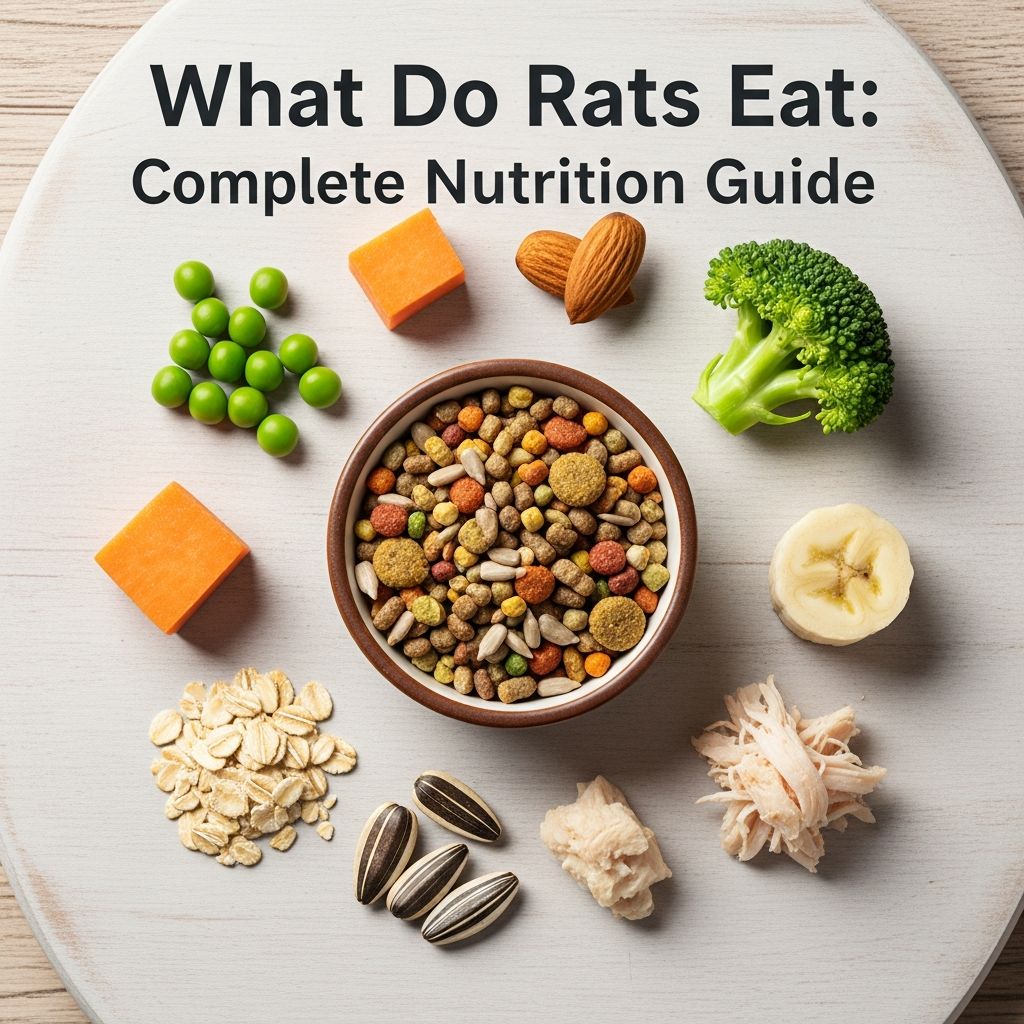
What Do Rats Eat: A Complete Nutrition Guide for Pet Rats
Rats are intelligent, social animals that require a carefully balanced diet to maintain optimal health and longevity. Understanding what rats eat and how to provide proper nutrition is essential for any rat owner. Unlike many small pets that can thrive on seeds alone, rats need a diverse diet that combines commercial pellets, fresh vegetables, fruits, and occasional protein sources. A proper rat diet not only ensures physical health but also provides mental enrichment through dietary variety.
Understanding Rat Nutritional Requirements
Rats have nutritional needs remarkably similar to humans, though with some important differences. Pet rats require specific percentages of protein, fat, and essential nutrients to thrive. The daily nutrient requirements show that rats need approximately 130% more calcium than humans, 130% more manganese, 490% more vitamin K, and 290% more vitamin B12. Additionally, rats need approximately 60 calories per day, with the feeding amount calculated at 5 to 6 grams of food per 100 grams of body weight daily.
Nutritional needs vary significantly depending on the rat’s life stage. Growing rats, pregnant rats, and lactating mothers require substantially different nutrient profiles than adult maintenance rats. Pregnant and lactating rats, as well as babies between 3 and 7 weeks old, can consume up to twice as much food as typical adult rats to meet their increased energy and growth demands.
The Foundation: Commercial Rat Pellets
High-quality commercial rat pellets or cubes should form the foundation of your rat’s diet, comprising approximately 80% of their daily food intake. These specially formulated foods are designed to meet all essential nutritional requirements and provide balanced nutrition that whole foods cannot replicate.
Choosing Quality Pellets
When selecting commercial rat food, look for products with specific nutritional profiles. Quality rat pellets should contain a protein content of approximately 14-16%, though growing and breeding rats may benefit from higher protein levels. The fat content should be around 4-5% to prevent obesity while maintaining coat and skin health. The crude fiber should typically be around 5% to support digestive health.
Recommended Commercial Options
Mazuri Rat & Mouse Diet is a popular choice featuring a robust 23% protein level and 6.5% crude fat, with primary ingredients including dehulled soybean meal, ground corn, and wheat middlings. Oxbow Essentials Adult Rat Food offers 15% crude protein, 4% crude fat, and includes whole brown rice, oat groats, and wheat bran as main ingredients. Rascally Rat Nutri-Berries provides 11% protein, 3.8% fat, and includes dried fruits like bananas and cranberries for added variety and enrichment.
Feed the amount recommended by the food’s nutrition guide and consult with your veterinarian to ensure your rats receive adequate nutrition without overfeeding, which can lead to obesity and associated health problems.
Fresh Vegetables and Greens: The 20% Component
Fresh vegetables and greens should constitute approximately 20% of your rat’s daily diet, providing essential vitamins, minerals, and hydration while preventing dietary monotony. These foods offer important nutritional benefits and contribute to your rat’s overall wellbeing and enrichment.
Everyday Safe Vegetables
Many vegetables are safe for daily consumption. Asian greens, rocket, broccoli, cauliflower, kale, and collard greens are excellent choices packed with nutrients. Fresh herbs such as basil, coriander, fennel, mint, and parsley add flavor and variety. Additional daily vegetables include asparagus, celery leaves, clover, dandelion leaves, spinach, savoy cabbage, spring cabbage, and sugar snap peas.
A suggested portion of vegetables is approximately 1-2 teaspoons daily to prevent overfeeding. As a general guide, offer your rat a bowl of fresh vegetables twice daily—once in the morning and once at night.
Vegetables to Offer in Moderation
Certain vegetables should be limited due to their nutrient composition or potential effects. These include carrots, beetroot (both leaves and vegetables), legumes (when boiled), chicory, cress, leek, okra, radish, corn, and chard. These foods are nutritious but should be rotated to ensure dietary balance.
Fruits: Occasional Treats with Nutritional Value
Fruits provide valuable vitamins and natural sugars but should be offered sparingly due to their sugar content. Approximately ½-1 teaspoon of fruit daily is recommended as part of the 20% fresh food allowance. Treats such as sugary fruits should only be given 1-3 times per week in small pinches.
Safe Fruit Options
Safe fruits to offer include capsicum, zucchini, pumpkin, squash, banana, berries, apple, pear, tomato, cucumber, melon, kiwi, fresh papaya, and watermelon. Dried fruits like dried bananas, mangoes, cranberries, raisins, apple, and pineapple can be offered but should count toward the 20% fresh food allowance rather than being added on top of it. Ensure dried bananas are unsweetened and not fried; brands like Just Bananas offer quality options.
Protein Supplements and Enrichment Foods
While commercial pellets provide baseline protein, supplemental protein sources add nutritional value and enrichment. The staple diet should contain no less than 18% protein, with additional protein beneficial for optimal health.
High-Quality Protein Sources
Rats can safely consume cooked meats including chicken, beef, and fish, as well as cooked eggs prepared with butter to add fat content. Soy milk, cooked tofu, and oatmeal mixed with whole milk, goat milk, or soy milk provide additional protein variety. Soy nuts, unsalted and roasted, serve as excellent protein sources rich in vitamin K and have been associated with cancer prevention benefits.
Additional Nutritious Foods
Nuts and seeds offer chock-full healthy fats, protein, fiber, vitamins, and minerals, and most are safe for rats either raw or roasted, though always unsalted. Sunflower and pumpkin seeds can be offered raw or unsalted and roasted but should be given in moderation due to high fat and protein content. Dry pasta provides carbohydrates and should be fed moderately, with whole wheat or tri-colored varieties being healthier alternatives.
Specialized Diets and Health Considerations
Certain health conditions require dietary modifications. Rats with heart or kidney disease benefit from a low sodium diet using low sodium lab blocks or specialized formulas, supplemented only with fresh fruits and vegetables. If choosing frozen produce for these rats, check sodium content first and eliminate all salty, baked, and processed foods, as well as dairy products. Filtered or bottled water should replace tap water for affected rats.
High-Calorie Foods for Special Needs
Elderly or ill rats with reduced appetites may benefit from high-calorie supplements. Options include soaked granola, cereals with dried fruit and nuts, crackers, Nutri-Cal (a high-calorie paste available at pet stores), Ensure®, and baby formula, sometimes mixed with wheat or rice baby cereal. Flavored or instant oatmeal can entice elderly or ill rat appetites.
Foods to Avoid: Toxic and Harmful Options
Certain foods are harmful or toxic to rats and should never be offered. Avoid onion, citrus fruits, walnuts, rhubarb, grapes, raisins, and chocolate. These foods can cause serious health problems or toxicity. Additionally, avoid high-sugar foods, high-fat foods including dairy products, seed mixes as primary diets, and sugary commercial treats.
Rats enjoy sweet and fatty foods but consuming too much can cause obesity, diabetes, and other health problems. Reserve these items strictly as occasional training rewards and special occasion treats. Never feed rats moldy food, as molds can produce dangerous toxins.
Treats and Training Rewards
While treats should be limited, they play an important role in training and bonding with your rats. Treats should comprise no more than 10% of total daily calories and be given infrequently in small amounts. Fruits like apples, berries, and kiwi make excellent occasional treats reserved for training rewards and special occasions.
Daily Feeding Schedule and Portion Control
Establishing a consistent feeding schedule promotes healthy digestion and behavioral predictability. Offer a tablespoon of high-quality rat pellets daily as the baseline diet foundation. Fresh vegetables should be provided twice daily in morning and evening feedings, with approximately 1-2 teaspoons per serving. Remove any perishable foods from the cage within 6 hours to prevent spoilage and bacterial growth.
Sample Daily Menu
A balanced daily diet might include one tablespoon of quality rat pellets as the foundation, 1-2 teaspoons of fresh vegetables (choosing up to 3 varieties daily such as kale, broccoli, or dark leafy greens), and approximately ½-1 teaspoon of fruit (selecting one variety daily such as strawberry or apple). This composition ensures the 80/20 ratio of pellets to fresh foods is maintained.
Water and Hydration
Fresh, clean water is essential daily. Provide water in a bottle with a metal sipper tube, checking regularly to ensure the tube functions properly and water flows freely. Change water daily to maintain freshness and prevent bacterial contamination. For rats with specific health conditions, filtered or bottled water may be recommended instead of tap water.
Breeding, Pregnancy, and Growth Considerations
Rats in different life stages require nutritional adjustments. Growing rats need higher protein levels, typically higher than the standard 14-16% recommendation. Breeding animals benefit from elevated protein levels to support reproductive demands. Pregnant rats require increased food quantities, consuming 15-20 grams daily compared to the typical 15 grams for maintenance adults. Lactating mothers may consume 30-40 grams daily to support milk production and nursing demands.
Young rats aged 3-7 weeks can consume up to twice the amount of food as typical adults to support their rapid growth and development. Monitor individual rats carefully during these life stages, adjusting portions based on body condition and individual needs.
Enrichment Through Dietary Variety
Rats are intelligent omnivores that benefit from dietary variety and enrichment. Rotating different vegetables, occasional protein sources, and approved treats prevents boredom and supports psychological wellbeing. The variety of textures and flavors enriches their daily routine and supports natural foraging behaviors. Offering different vegetables throughout the week—such as alternating between kale, broccoli, and dark leafy greens—maintains interest while ensuring balanced nutrition.
Common Feeding Mistakes to Avoid
Overfeeding remains a common issue leading to obesity and health complications. Feeding excessive treats beyond the 10% recommended allowance contributes to weight gain and metabolic problems. Adding fresh foods on top of the recommended pellet allowance rather than as part of it leads to caloric excess. Using seed mixes as the primary diet fails to provide balanced nutrition and often contains excessive fat. Failing to remove perishable foods within 6 hours allows bacterial growth and potential foodborne illness.
Frequently Asked Questions About Rat Nutrition
Q: How much should I feed my pet rat daily?
A: Feed approximately 5-6 grams of food per 100 grams of body weight daily, which typically equals about one tablespoon of pellets plus vegetables and occasional fruits. Consult your veterinarian for individual recommendations based on your rat’s age, health status, and activity level.
Q: Can rats eat fresh vegetables every day?
A: Yes, fresh vegetables should be offered twice daily as part of the 20% fresh food allowance. Provide 1-2 teaspoons of vegetables daily, choosing from safe options like kale, broccoli, dark leafy greens, and Asian vegetables.
Q: What fruits are safe for rats?
A: Safe fruits include apples, berries, kiwi, bananas, watermelon, melon, pears, and fresh papaya. Fruits should be limited to approximately ½-1 teaspoon daily as treats, never exceeding the 20% fresh food allowance and avoiding grapes, raisins, and citrus fruits.
Q: Is it okay to give my rat seeds and nuts?
A: Yes, unsalted sunflower, pumpkin, and pepita seeds can be offered raw or roasted, along with most nuts. However, these should be given in moderation due to high fat and protein content. Always ensure seeds and nuts are unsalted.
Q: What foods are toxic to rats?
A: Avoid onion, citrus fruits, walnuts, rhubarb, grapes, raisins, chocolate, moldy foods, and high-fat dairy products. These foods can cause serious health problems or toxicity in rats.
Q: Do rats need supplements?
A: Quality commercial rat pellets formulated for rats provide complete nutrition without additional supplements for healthy adult rats. However, rats with specific health conditions or life stages may benefit from veterinary guidance on supplementation.
References
- Diet – Rat Guide — Rat Guide. 2024. https://ratguide.com/care/nutrition/diet.php
- What should I feed my rats? — RSPCA Knowledgebase. 2024. https://kb.rspca.org.au/knowledge-base/what-should-i-feed-my-rats/
- Rat Feeding Guide — The Unusual Pet Vets. 2024. https://www.unusualpetvets.com.au/rat-feeding-guide/
- Diet Figure 2: Daily Menu – Rat Guide — Rat Guide. 2024. https://ratguide.com/care/figures-care/diet-figure-2-daily-menu.php
- What To Feed Pet Rats — RSPCA. 2024. https://www.rspca.org.uk/adviceandwelfare/pets/rodents/rats/diet
- Nutrient Requirements of the Laboratory Rat — National Center for Biotechnology Information, National Institutes of Health. 2011. https://www.ncbi.nlm.nih.gov/books/NBK231925/
- Rat Care Guidelines — Indiana State Board of Animal Health. 2024. https://www.in.gov/boah/files/Rat-Care.pdf
Similar Articles








Read full bio of medha deb