What Do Rabbits Eat: Complete Nutrition Guide
Learn what rabbits eat and how to create a balanced diet for your pet bunny.
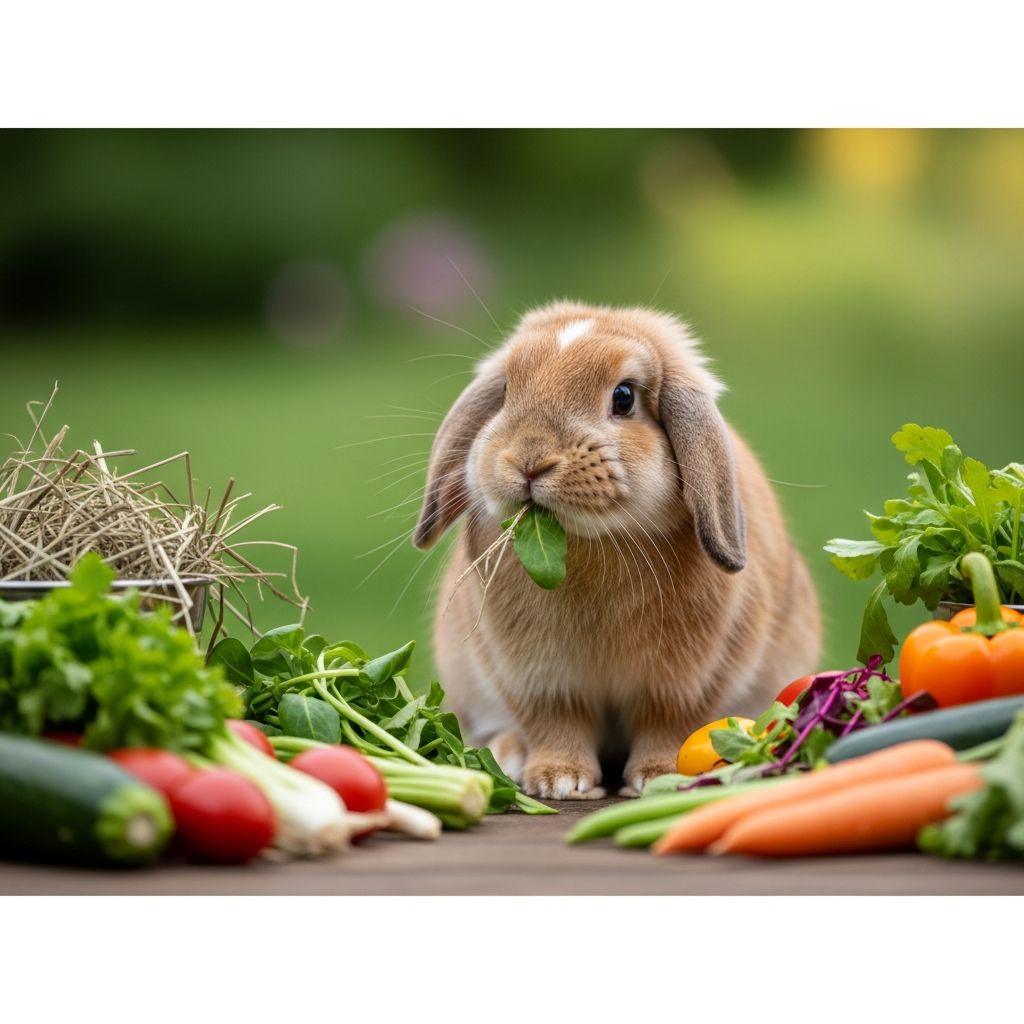
What Do Rabbits Eat: A Complete Nutrition Guide for Pet Rabbits
Rabbits are herbivorous animals with unique dietary requirements that differ significantly from other pets. Understanding what rabbits eat and how to properly nourish them is essential for maintaining their health, preventing digestive issues, and ensuring they live long, happy lives. A balanced rabbit diet supports their digestive system, dental health, and overall well-being.
Pet rabbits require a carefully balanced diet consisting primarily of hay, supplemented with fresh vegetables, pellets, and occasional treats. The foundation of a healthy rabbit diet is high-quality hay, which should make up the majority of their daily food intake. Unlike other pets, rabbits have specific nutritional requirements that must be met to prevent serious health complications such as gastrointestinal stasis, obesity, and dental disease.
The Foundation of Rabbit Nutrition: Hay
Hay is the most important component of a rabbit’s diet and should comprise approximately 85% of their daily food intake. Rabbits require unlimited access to hay throughout the day, as grazing on hay keeps their digestive system functioning properly and helps prevent dangerous blockages. High-quality hay provides essential fiber that maintains healthy gut motility and prevents conditions like gastrointestinal stasis, a potentially life-threatening emergency in rabbits.
Different types of hay are suitable for different ages of rabbits. Timothy hay, orchard grass, and oat hay are excellent choices for adult rabbits, while alfalfa hay is reserved for young rabbits, nursing mothers, and senior rabbits that may be underweight. Alfalfa is higher in calcium and protein than grass hays, which is beneficial for developing young rabbits but can lead to obesity and urinary stone formation in adult rabbits if fed regularly.
When selecting hay for your rabbit, ensure it is fresh-smelling, dust-extracted, and free from mold. Poor quality hay can cause respiratory issues and other health problems. Provide at least one bundle of hay daily that is approximately as large as your rabbit’s body size. The continuous availability of hay encourages natural grazing behavior and maintains the digestive health that rabbits need.
Fresh Vegetables: The Nutritional Supplement
Fresh vegetables should comprise approximately 10% of your rabbit’s daily diet and serve as an important source of vitamins, minerals, and variety. Rabbits should receive a minimum of 3-5 different types of fresh leafy green vegetables daily to ensure they obtain a balanced spectrum of nutrients. The variety also provides mental enrichment and keeps mealtimes interesting for your pet.
Leafy greens are the safest vegetable choice for rabbits. Good options include:
- Arugula
- Celery leaves
- Chicory
- Dandelion greens
- Fennel
- Kale
- Mint
- Parsley
- Spring greens
- Watercress
When introducing new vegetables to your rabbit’s diet, do so gradually over several days to avoid digestive upset. Be cautious with vegetables that have higher oxalic acid concentrations, such as mustard greens, sprouts, chard, and spinach, which should be offered in moderation. Root vegetables like carrots should be treated as occasional snacks rather than daily vegetables, as they are higher in sugar content.
The daily vegetable portion varies depending on your rabbit’s size. A general guideline is approximately 1-2 cups of chopped vegetables for every 4 pounds of body weight. Ensure all vegetables are thoroughly washed and free from pesticides before offering them to your rabbit. Always remove any uneaten fresh food within a few hours to prevent spoilage.
Pellets: The Concentrated Nutrient Source
Quality pellets should comprise only about 5% of your rabbit’s daily diet. Adult rabbits should receive approximately 1/4 to 1/2 cup of pellets per 6 pounds of body weight daily. Pellets are formulated to provide concentrated nutrients and should never be the primary component of their diet, as excessive pellet consumption can lead to obesity and digestive problems.
When selecting pellets for your adult rabbit, choose high-fiber timothy hay-based pellets rather than alfalfa-based varieties. The recommended nutrient composition for adult rabbit pellets includes 12-15% crude protein, 2-3.5% fat, 20-27% fiber, and appropriate levels of vitamins and minerals. Avoid muesli-style pellets or treats that contain seeds, dried fruit, and grains, as these are unhealthy for rabbits and can contribute to dietary imbalances.
Portion control with pellets is crucial for maintaining your rabbit’s ideal body weight. Many rabbit obesity cases result from overfeeding pellets. Follow the guidelines based on your rabbit’s weight and adjust portions if your pet becomes overweight. Premium quality pellets may cost more but offer better nutritional value and are often more palatable, meaning your rabbit may feel satisfied with smaller portions.
Water: Essential for Hydration
Fresh, clean water must be available to your rabbit at all times. Provide water through both a water bowl and a sipper bottle to give your rabbit options. Some rabbits prefer drinking from bowls, while others prefer sipper bottles. Having both available ensures your rabbit stays adequately hydrated.
Check water daily and refill or change it to ensure freshness. Water bowls should be cleaned regularly to prevent bacterial growth and contamination. Proper hydration supports kidney function, digestive health, and overall well-being in rabbits.
Nutritional Requirements by Life Stage
Young Rabbits (Birth to 6 Months)
Young rabbits have significantly different nutritional needs than adults. Baby bunnies require more calcium and protein than adult rabbits to support their rapid growth and bone development. Young rabbits should have unlimited access to alfalfa hay and alfalfa-based pellets until they reach approximately 6 months of age. Alfalfa’s higher protein and calcium content supports proper development during this critical growth period.
Between 7-12 weeks of age, rabbits should not be offered fruits or vegetables due to the risk of life-threatening gastrointestinal problems. Starting around 12 weeks, vegetables can be gradually introduced in small amounts. Once rabbits reach 6 months old, transition them gradually to timothy hay-based pellets and timothy hay to prevent obesity and other health issues that can result from excess calcium and protein intake.
Adult Rabbits (1 to 5 Years)
Adult rabbits should receive unlimited high-quality grass hay, 2-4 cups of fresh leafy greens daily, 1/4 to 1/2 cup of timothy-based pellets per 6 pounds of body weight, and treats limited to 1-2 tablespoons daily. This balanced approach maintains digestive health, prevents obesity, and provides necessary nutrients for optimal functioning.
Adult rabbits have specific nutrient requirements: 12-15% crude protein, 2-3.5% fat, 20-27% fiber, and appropriate mineral levels with reduced calcium (0.4-0.5%) to prevent urinary stone formation. Pregnant and nursing does requires higher protein (16-20%) and fat (3-5.5%) to support reproduction and lactation.
Senior Rabbits (6 Years and Older)
Senior rabbits may have different dietary needs. If your senior rabbit is maintaining a healthy weight, continue timothy hay-based pellets. However, if your senior rabbit becomes underweight, add alfalfa hay or switch to alfalfa-based pellets to provide additional calories and nutrients. Senior rabbits should still receive unlimited hay and can handle 2 cups of leafy greens daily, with treats limited to 2 ounces daily.
Safe and Unsafe Foods for Rabbits
Safe Treats (Given Sparingly)
While rabbits can enjoy occasional treats, these should be limited to small quantities. Safe treat options include:
- Fresh fruits (1-2 ounces per 6 pounds of body weight): strawberries, raspberries, apples (seeds removed), pineapple, and pears
- Herbs: basil, cilantro, oregano, and rosemary
- Limited root vegetables: small pieces of carrot, parsnip
Treats should never exceed 1-2 tablespoons daily for adult rabbits. The high sugar content of fruits makes them unsuitable as regular food items.
Foods to Avoid
Certain foods are toxic or dangerous for rabbits and should be strictly avoided:
- Muesli-style pellets (unhealthy grain and seed mix)
- Chocolate and caffeine
- Avocado
- Onions and garlic
- Iceberg lettuce (lacks nutritional value)
- Dairy products
- Meat and animal products
- Lawnmower clippings
- Moldy or spoiled food
- Certain plants: cherry, peach, apricot pits, and other toxic plants
Daily Rabbit Diet Example
A typical daily diet for an adult rabbit might look like this:
| Food Type | Portion | Percentage |
|---|---|---|
| Grass Hay (Timothy, Orchard, or Oat) | Unlimited (at least 1 bundle) | 85% |
| Fresh Leafy Greens | 2 handfuls (various types) | 10% |
| Quality Pellets | 2-5 tablespoons | 5% |
| Treats | 1-2 tablespoons | <1% |
| Water | Unlimited | Essential |
Transitioning Your Rabbit’s Diet
When changing your rabbit’s diet, whether introducing new vegetables, switching hay types, or adjusting pellet portions, always make changes gradually over 7-10 days. Sudden dietary changes can cause digestive upset, soft stool, or diarrhea. Mix increasing amounts of the new food with decreasing amounts of the old food until the transition is complete.
Monitor your rabbit’s stool consistency during dietary transitions. If your rabbit experiences soft stools or diarrhea, slow down the transition process or eliminate the food item that is causing the issue. Every rabbit is different and may have individual sensitivities to certain foods.
Monitoring Your Rabbit’s Health Through Diet
A healthy rabbit maintains a consistent weight with a visible waist when viewed from above and palpable ribs that can be felt but not prominently seen. Regular weighing helps track whether your rabbit is maintaining ideal weight. Changes in appetite, stool consistency, or weight should be evaluated by a veterinarian experienced in rabbit care.
Dental health is directly related to diet—rabbits on a high-hay diet maintain naturally worn teeth, while those consuming insufficient hay are at risk for dental overgrowth and related complications. Gastrointestinal stasis, a serious condition where the digestive system slows or stops, is often prevented through proper high-fiber nutrition.
Frequently Asked Questions About Rabbit Nutrition
Q: Can rabbits eat unlimited hay?
A: Yes, rabbits should have unlimited access to high-quality hay. Hay is essential for proper digestion and dental health, and rabbits cannot overeat hay in the way they can overeat pellets or treats.
Q: Why is alfalfa not recommended for adult rabbits?
A: Alfalfa is higher in calcium and protein than grass hays. While beneficial for young and nursing rabbits, excess calcium in adult rabbits can lead to urinary stone formation and other health issues. Additionally, the extra protein can contribute to obesity.
Q: How often should I change my rabbit’s vegetables?
A: Provide 3-5 different types of fresh vegetables daily. Varying vegetables daily provides nutritional diversity and enrichment, but you can rotate the same vegetables throughout the week.
Q: Can rabbits eat fruits?
A: Fruits are high in sugar and should be given as occasional treats only, limited to 1-2 ounces per 6 pounds of body weight weekly. Safe fruits include strawberries, raspberries, apples (without seeds), and pears.
Q: How can I tell if my rabbit is overweight?
A: A healthy rabbit should have a visible waist when viewed from above and ribs that can be felt but not easily seen. Overweight rabbits lose their waist definition and have ribs that are difficult to feel beneath the fur.
Q: What should I do if my rabbit has digestive problems?
A: Ensure your rabbit is receiving unlimited high-quality hay, as insufficient fiber is a common cause of digestive issues. Gradually introduce any new foods and eliminate any that cause soft stool or diarrhea. Consult a veterinarian if problems persist.
Q: Are pellets necessary for rabbits?
A: While not strictly necessary if rabbits receive unlimited quality hay and diverse fresh vegetables, appropriately portioned pellets provide concentrated nutrients and are considered part of a balanced diet.
References
- Rabbit Tracks: Feeds and Feeding — Michigan State University Extension. https://www.canr.msu.edu/resources/rabbit_tracks_feeds_and_feeding
- Diet — House Rabbit Society. https://houserabbit.org/diet
- Nutrition of Rabbits — Merck Veterinary Manual. https://www.merckvetmanual.com/exotic-and-laboratory-animals/rabbits/nutrition-of-rabbits
- Rabbit Nutrition — NC State Veterinary Hospital. https://hospital.cvm.ncsu.edu/services/small-animals/nutrition/rabbit-nutrition/
- Rabbit diet — RSPCA. https://www.rspca.org.uk/adviceandwelfare/pets/rabbits/diet
- The guide to a great rabbit diet — Rabbit Awareness Action Group. https://rabbitawarenessactiongroup.co.uk/rabbit-welfare/diet/
Similar Articles








Read full bio of medha deb