

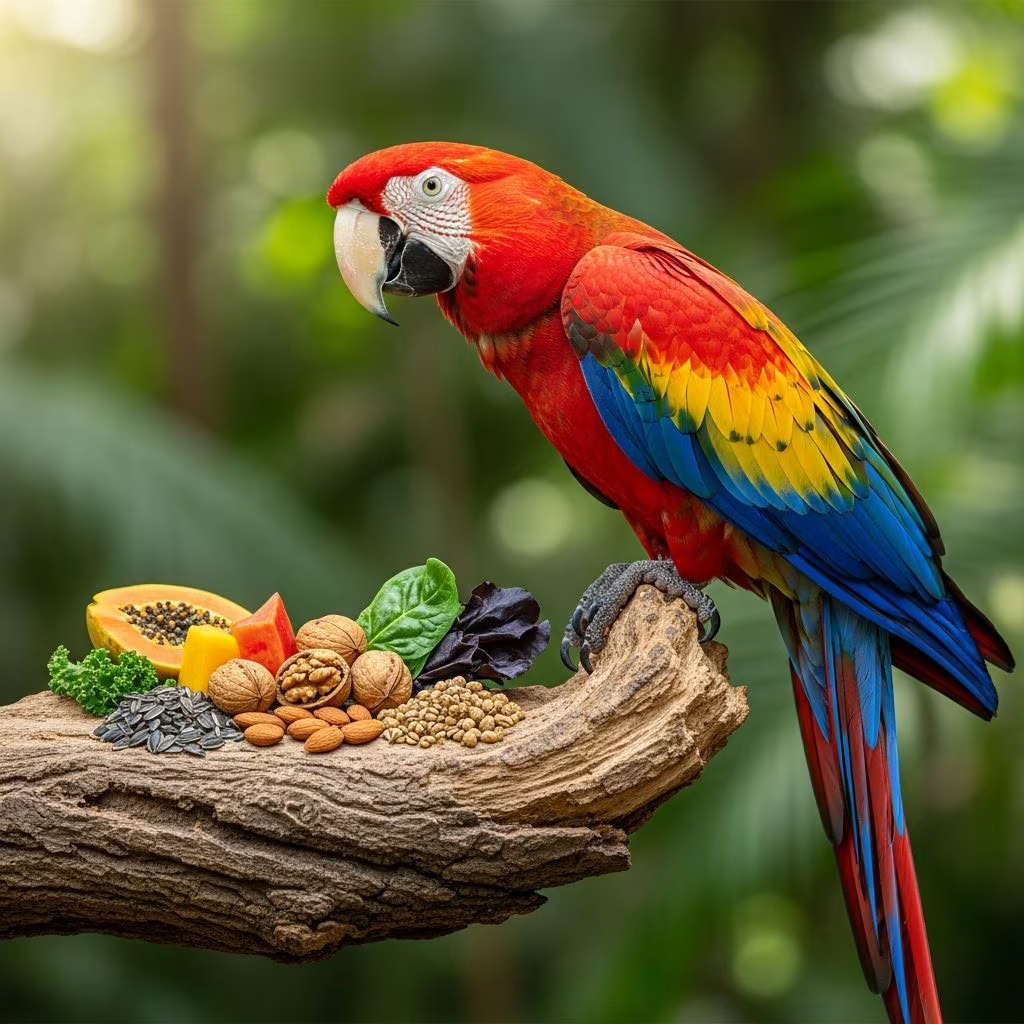
What Do Parrots Eat: A Comprehensive Nutritional Guide
Providing proper nutrition is one of the most important aspects of parrot care. A well-balanced diet directly impacts your parrot’s health, longevity, and overall well-being. Unlike the popular misconception that parrots thrive on seeds and nuts alone, modern veterinary science has revealed that companion parrots require a diverse and carefully balanced diet to prevent nutritional deficiencies and health problems. Understanding what parrots eat and how to feed them appropriately is essential for every parrot owner.
The Foundation: High-Quality Pellets
Pelleted diets form the cornerstone of a healthy parrot’s nutritional plan. Board-certified avian veterinarians recommend that pellets should comprise 50-70% of a parrot’s daily diet, though this percentage can vary based on species size and specific requirements. Larger parrots typically benefit from a higher pellet percentage, while smaller species may require less.
When selecting pellets, prioritize formulations that lack artificial additives, synthetic dyes, and excessive sugar content. These additives can have cumulative negative effects on your bird’s health over time and may contribute to chronic diseases or shortened lifespan. High-quality commercial parrot pellets are formulated to be nearly nutritionally complete, providing essential vitamins, minerals, and nutrients in appropriate proportions.
The advantage of pelleted diets over seed mixes is that they prevent parrots from engaging in selective eating behavior, where birds choose only their favorite seeds while ignoring others, creating nutritional imbalances. Pellets ensure consistent nutritional intake with every bite.
Fresh Vegetables: The Nutritional Powerhouse
Fresh vegetables should constitute 15-30% of your parrot’s daily diet. Vegetables provide essential vitamins, minerals, carbohydrates, and fiber necessary for optimal health. The key to vegetable feeding is providing variety, as different vegetables offer different nutritional profiles.
Recommended High-Nutrition Vegetables
Focus on nutrient-dense vegetables, particularly those rich in vitamin A and other antioxidants:
- Dark leafy greens: kale, collard greens, mustard greens, turnip greens, chard, and endive
- Orange and red vegetables: carrots, sweet potatoes, red peppers, and pumpkin
- Other nutritious options: peas, string beans, corn, broccoli, okra, cauliflower, fennel, and watercress
Vegetables to Limit or Avoid
While most vegetables are safe, some should be avoided or limited. Pale vegetables with high water content, such as iceberg lettuce and celery, offer minimal nutritional value and should not be offered regularly as they take up space in your parrot’s diet without providing substantial benefits.
Fruits: Sweet Treats in Moderation
Fruits should comprise approximately 5-10% of your parrot’s diet. While parrots enjoy a wide variety of fruits, it’s important to remember that fruits are naturally high in sugar and moisture. Wild parrots expend significantly more energy than captive birds, allowing them to process higher sugar intake. Additionally, cultivated fruits contain considerably more sugar and less fiber than their wild counterparts.
Safe and Nutritional Fruit Options
Provide your parrot with a diverse selection of fruits, rotating regularly:
- Berries: blueberries, strawberries, raspberries, and other local varieties
- Tropical fruits: banana, papaya, mango, pineapple, passion fruit, and kiwi
- Stone fruits: peaches, apricots, and cherries (remove pits)
- Other options: apple (without seeds), melon, pomegranate, and cactus fruit
Fruits to Avoid
Never feed your parrot apple seeds, avocado, or onions, as these are toxic to birds and can cause serious harm.
Seeds and Nuts: Concentrated Nutrition
Seeds and nuts should comprise no more than 5-20% of your parrot’s diet. Despite their popularity in pet stores, seed mixes should not form the primary diet for most parrot species. While seeds and nuts are calorie-dense and appealing to parrots, they can lead to obesity and nutritional imbalances when overfed.
Healthy Seed and Nut Options
Select high-quality, dust-free seed mixes with low percentages of high-fat sunflower seeds. Beneficial seeds and nuts include:
- Nuts: macadamia nuts, almonds, hazelnuts, Brazil nuts, walnuts, and coconuts
- Seeds: flax seed, chia seed, hemp seed, and millet
- Sprouted seeds and grains, which are more nutritious than their dry counterparts
- Millet sprays as foraging enrichment items
Grains, Beans, and Proteins
Grains and legumes provide important protein sources and can be incorporated into your parrot’s diet. Beans, chickpeas, and lentils are excellent protein sources and are best provided cooked. They work well combined with cooked grains such as wheat, spelt, quinoa, or millet. These can be prepared in bulk, frozen in daily portions, and thawed as needed.
Sprouted beans and grains offer enhanced nutritional value compared to their unsprouted counterparts. You can also offer unbuttered, unsalted, air-popped popcorn as an occasional treat.
Species-Specific Dietary Requirements
While general feeding guidelines apply to most parrots, certain species have specialized dietary needs that require adjustment:
Lories and Lorikeets
These species are primarily nectarivorous and should consume mostly fruits, vegetables, pollen, and nectar. Their diet composition differs significantly from granivorous species, requiring specialized feeding approaches.
Eclectus Parrots
Eclectus parrots are frugivores prone to calcium deficiency. Their diet should be rich in beta-carotenes and emphasize vegetables, particularly squash and solanaceae family plants. These birds require special attention to ensure adequate calcium supplementation.
Large Macaws
Certain macaw species, such as hyacinth and indigo macaws, have highly specialized wild diets. Hyacinth macaws consume almost exclusively macadamia nuts in the wild, requiring diets higher in fat content than many other parrot species.
Fat-Prone Species
Some species, including yellow-naped Amazons, are especially prone to obesity and should follow lower-fat diets. These birds require careful monitoring of nut and seed intake to prevent weight-related health issues.
Creating a Balanced Daily Diet
A practical approach to parrot feeding involves understanding the basic proportions that create nutritional balance. Here’s a general framework for most companion parrots:
| Diet Component | Percentage | Purpose |
|---|---|---|
| High-Quality Pellets | 50-70% | Nutritional foundation with balanced vitamins and minerals |
| Fresh Vegetables | 15-30% | Vitamins, minerals, fiber, and antioxidants |
| Fruits | 5-10% | Natural sugars and enrichment (feed in moderation) |
| Seeds, Nuts, Grains | 5-20% | Protein, fats, and enrichment |
Fresh Water and Hydration
Fresh, clean water should be available to your parrot at all times. Change water daily to prevent bacterial growth and contamination. Some parrots enjoy water baths, which also contribute to their overall hydration and feather health.
Dietary Variety and Enrichment
Parrots make food choices based on sight, texture, and taste. Offering a wide variety of foods provides not only nutritional balance but also mental stimulation and enrichment. Rotate vegetables and fruits regularly to expose your parrot to different nutrients and prevent dietary boredom.
Consider incorporating foraging opportunities, such as millet sprays or fresh seeds in their shells, which provide both nutrition and mental engagement. These activities mimic natural feeding behaviors and contribute to psychological well-being.
Foods to Avoid
Certain foods are toxic to parrots and should never be offered:
- Avocado
- Onions and garlic
- Apple seeds and other fruit pits
- Chocolate
- Salt and excessive sodium
- Caffeine
- Moldy or contaminated foods
Supplements and Vitamins
Vitamin and mineral supplements are available for parrots and can be useful in moderation. However, nothing surpasses a varied, well-balanced diet in providing complete nutrition. Before adding supplements, consult with an avian veterinarian, as excessive supplementation can lead to toxicity. A diet rich in fresh foods, quality pellets, and appropriate seeds typically provides all necessary nutrients without additional supplementation.
Transitioning to a Healthy Diet
If your parrot is accustomed to a seed-based diet and you’re transitioning to a more balanced approach, introduce changes gradually. Mix increasing proportions of pellets with existing seeds over several weeks. Introduce new vegetables and fruits slowly, allowing your parrot’s digestive system to adjust. This gradual transition increases the likelihood of dietary acceptance and prevents digestive upset.
Frequently Asked Questions About Parrot Nutrition
Q: Can parrots eat nuts every day?
A: Nuts should comprise no more than 5-20% of your parrot’s diet due to their high fat content. While nutritious, excessive nut consumption can lead to obesity and nutritional imbalances. Offer nuts as treats or incorporate them into a varied diet rather than as a daily staple.
Q: Are seed mixes bad for parrots?
A: Seed mixes should not form the primary diet for most parrots. Birds often engage in selective eating, consuming only preferred seeds while leaving others uneaten, creating nutritional deficiencies. High-quality pellets provide more consistent nutrition, though small amounts of seeds can be included as part of a balanced diet.
Q: How often should I offer fresh food to my parrot?
A: Fresh vegetables and fruits should be offered daily. Remove uneaten fresh food after 2-4 hours to prevent bacterial growth and contamination. This daily fresh food component is crucial for providing essential vitamins and minerals.
Q: Do different parrot species have different dietary needs?
A: Yes, different species have specialized nutritional requirements. Lories and lorikeets require more fruit and nectar, while granivorous species may thrive on seed-based diets supplemented with vegetables. Consult with an avian veterinarian about your specific species’ nutritional requirements.
Q: Can I feed my parrot table scraps?
A: While small amounts of certain human foods are acceptable, table scraps often contain excess salt, sugar, and fat unsuitable for parrots. Stick to whole, unprocessed foods specifically recommended for parrots rather than relying on table scraps.
Q: How do I know if my parrot is getting proper nutrition?
A: A well-nourished parrot displays bright, alert eyes, smooth and vibrant feathers, appropriate weight, and active behavior. Regular veterinary check-ups with an avian specialist can assess nutritional status. Consult your veterinarian if you notice behavioral changes, dull feathers, or unusual weight fluctuations.
References
- Your Parrot’s Diet: Keeping Them Healthy and Happy — Companion Animal Association of Rhode Island (CAARE). 2024-11-28. https://www.caare.net/info/file?file=22378.pdf
- Parrot Nutrition Guide — World Parrot Trust. 2024-02-28. https://parrots.org/wp-content/uploads/2024/02/WPT-Parrot-Nutrition-Guide.pdf
- Parrot (Psittaciform) – Diet & Nutrition — Psittacine Welfare Institute. 2024-11-28. https://psittacine.org/wp-content/uploads/Diet-Nutrition.pdf
- The Best Parrot Diet (and Toxic Foods to Avoid) — Best Friends Animal Society. 2024-11-28. https://bestfriends.org/pet-care-resources/best-parrot-diet-and-toxic-foods-avoid
- Healthy Avian Diets – Basic Feeding Guidelines for Commonly Kept Parrot Species — Northpaws Animal Hospital. 2024-11-28. https://www.northpawsanimalhospital.com/storage/app/media/Avian_Husbandry/healthy-avian-diets-basic-feeding-guidelines.pdf
- Feeding Meyer’s Parrots — VCA Animal Hospitals. 2024-11-28. https://vcahospitals.com/know-your-pet/meyers-parrots—feeding
- Nutrition in Psittacines — Merck Veterinary Manual. 2024-11-28. https://www.merckvetmanual.com/management-and-nutrition/nutrition-exotic-and-zoo-animals/nutrition-in-psittacines



