

What Do Parakeets Eat: A Complete Nutrition Guide for Your Feathered Friend
Parakeets, also known as budgies or budgerigars, are popular pet birds known for their vibrant colors and playful personalities. To keep these delightful companions healthy and thriving, understanding their dietary needs is essential. In their natural habitat in Australia, wild parakeets forage for seeds, grasses, fruits, and vegetation, often feeding on or near the ground. As pet owners, we must replicate this natural diet as closely as possible to ensure optimal health and nutrition for our feathered friends.
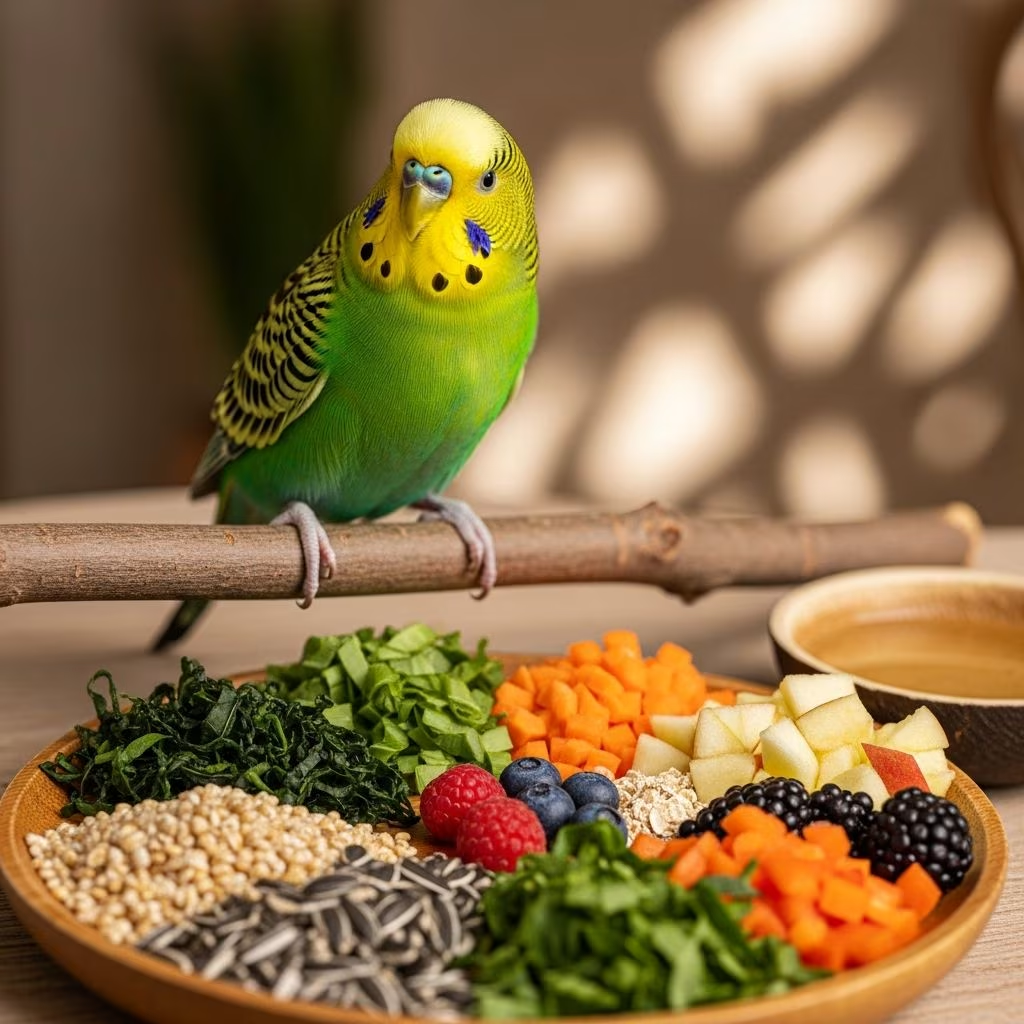
A proper parakeet diet should be diverse and nutritionally balanced, combining high-quality pellets, seeds, fresh vegetables, and fruits while avoiding toxic foods. This comprehensive guide will help you understand exactly what your parakeet needs to eat and how to provide proper nutrition for a long, healthy life.
The Foundation: High-Quality Pellets
High-quality pelleted food should form the foundation of your parakeet’s diet. Pellets are specifically formulated to provide balanced nutrition that whole seeds alone cannot deliver. Reputable brands like Harrison’s, Roudybush, and Zupreem Naturals offer excellent options formulated specifically for parakeets’ nutritional requirements.
Pellets should comprise approximately 60 to 70 percent of your parakeet’s daily diet. These specially formulated foods contain essential vitamins, minerals, and nutrients that support your bird’s overall health, immune function, and longevity. When introducing pellets to a parakeet accustomed to seeds, do so gradually over several weeks to allow your bird to adjust to the new food source.
Follow the manufacturer’s feeding instructions to determine the appropriate daily portion size. Uneaten pellets should be removed and replaced before each feeding to prevent spoilage and contamination. Unlike seeds, pellets don’t require your parakeet to process hulls, making them an efficient nutritional source.
Seeds: A Supplementary Food Source
Seeds are an important component of a parakeet’s diet, though they should supplement rather than replace pellets. In the wild, parakeets naturally consume various seeds and grasses as their primary diet. However, commercial seed mixes can be deficient in certain nutrients, particularly calcium and vitamin A.
A quality seed mix should always be available to your parakeet, as foraging for seeds provides mental stimulation and mimics natural feeding behaviors. Seed feeders will need topping up daily to ensure fresh seed is always available. Some excellent seed options include:
- Sunflower seeds
- Pumpkin seeds
- Millet (both spray millet and standard millet)
- Sprouted seeds and grains
- Safflower seeds
- Sesame seeds
Sprouted seeds and grains deserve special mention as they offer exceptional nutritional benefits. Being alive, sprouted seeds provide excellent additional nutrients including enzymes without adding excess fat. Sunflower and mung sprouts are easiest for beginners to prepare at home.
Fortified seeds can also be offered occasionally as treats. Remember that parakeets naturally remove the hulls of seeds before eating them, so you do not need to provide a grit supplement to help them grind down whole seeds.
Fresh Vegetables: Nutritional Powerhouses
Fresh vegetables should be offered daily as part of your parakeet’s diet, providing essential vitamins, minerals, and fiber. Introduce new vegetables gradually to your parakeet and remove any uneaten produce after a few hours to prevent spoilage and bacterial growth.
Organic vegetables are preferable when possible, as they are grown without synthetic pesticides and chemicals, reducing your bird’s exposure to harmful substances. Below is a comprehensive list of vegetables that are safe and nutritious for parakeets:
- Leafy greens: Kale, spinach, endive, green lettuce, mustard greens
- Cruciferous vegetables: Broccoli (stems and florets), Brussels sprouts, cabbage
- Root vegetables: Carrots, radishes, sweet potatoes
- Pod vegetables: Green peas, pea pods, raw green beans
- Other vegetables: Bell peppers, celery, cucumber, dandelion greens, parsley, squash varieties, butternut squash, pumpkin, sweetcorn
- Asian greens: Bok choy
Vegetables provide diverse nutrients depending on their type and color. By offering a wide range of vegetables, you ensure your parakeet receives a well-rounded nutrition plan. Different vegetables contain different vitamins and minerals, so variety is key to comprehensive nutrition.
Fruits: Delicious Yet Moderate Treats
Fruits are a delightful addition to your parakeet’s diet and provide essential vitamins, though they should be offered in moderation due to their natural sugar content. Excess fruit consumption can lead to weight gain and other health issues. However, when offered appropriately, fruits provide valuable nutrients and enrichment.
Parakeets, like all parrots originating from the tropics, particularly enjoy tropical fruits. Safe fruits for parakeets include:
- Berries: Blueberries, strawberries, raspberries
- Melons: All varieties including watermelon, cantaloupe
- Tropical fruits: Papaya, mango, kiwi
- Tree fruits: Apples (without seeds), apricots, cherries, figs, grapes
- Citrus fruits: Grapefruits, lemons
- Other fruits: Banana and banana skin, grapefruit
Always remove seeds and pits from fruits before offering them to your parakeet, as fruit seeds contain compounds that can be toxic. Uneaten fruits should be discarded after a few hours to prevent fermentation and spoilage. Dried fruits like dried apricots and figs should be used sparingly and may be soaked before offering.
Nuts and Seeds: Nutritious but Limited
Nuts are highly nutritious but must be fed sparingly due to their high fat content. When offering nuts, use only human-quality varieties to ensure safety. Safe nuts include:
- Brazil nuts
- Hazelnuts
- Monkey nuts (peanuts)
- Pistachios
- Walnuts
- Acorns
Nuts should be offered as occasional treats rather than regular dietary components. Additionally, mealworms (both live and dried) can provide protein enrichment and should be offered sparingly as supplementary nutrition.
Calcium and Mineral Supplementation
Seeds are not rich in calcium, and calcium is the most abundant mineral in the body. Ensuring your parakeet receives adequate calcium is crucial for bone health and overall wellness. To meet your budgie’s calcium requirements, consider supplementing their diet with a complete calcium supplement that contains vitamin D.
Vitamin D plays a crucial role in calcium absorption, supporting your bird’s bone health and brain development. Mineral blocks and cuttlebone are excellent calcium sources that also provide enrichment through natural chewing behavior. Many commercial seed mixes include insoluble grit (usually oyster shell), which provides supplementary calcium as the shell fragments dissolve in the gizzard over time.
Occasional Treats: Variety and Moderation
While treats should not exceed 10 percent of your parakeet’s daily diet, they can provide training rewards, enrichment, and bonding opportunities. The following foods won’t harm your bird if given in tiny amounts as occasional treats or training rewards:
- Boiled egg or scrambled eggs
- Beans
- Bread and toast
- Pasta and white rice
- Coconut
- Meat (cooked)
- Parsley and chillies
- Cake (in moderation)
Herbs, flowers, and supplements like red palm oil can also enhance your budgie’s diet. Herbs such as parsley and dandelion leaves are rich in vitamins, while edible flowers can be both nutritious and appealing to your bird’s palate. A small amount of red palm oil can provide extra nutrients, making it a fantastic supplement for your feathered friend’s overall well-being.
Feeding Schedule and Hydration
You have flexibility in how frequently you feed your parakeet. You could provide two meals a day or use a free-feeding approach where food is constantly available. Some owners prefer to train their parakeets before mealtimes, as hungry birds are often more eager for training treats and interaction.
Clean, fresh water must always be available and should be changed daily, or twice daily during hot weather. Proper hydration is as important as proper nutrition for your parakeet’s health and wellbeing. Ensure water dishes are cleaned regularly to prevent bacterial growth and contamination.
Foods to Avoid: Toxic and Dangerous Foods
Certain foods are toxic to parakeets and should never be offered under any circumstances. These dangerous foods can cause serious illness or death:
- Avocados
- Fruit seeds and pits
- Chocolate
- Caffeine
- Alcohol
- High-sodium foods
- High-fat foods
Additionally, never share food from your mouth or from your plate with your parakeet. Human mouths contain microorganisms that can cause serious illness in birds. Always practice good hygiene and feed your parakeet only foods specifically intended for birds or confirmed as safe for avian consumption.
Dietary Recommendations Summary
| Food Category | Percentage of Diet | Frequency | Notes |
|---|---|---|---|
| High-quality pellets | 60-70% | Daily | Foundation of diet; brands like Harrison’s recommended |
| Seeds and seed mixes | 20-30% | Daily | Provides natural foraging behavior and enrichment |
| Fresh vegetables | 10-15% | Daily | Variety ensures comprehensive nutrition |
| Fresh fruits | 5-10% | Daily to several times weekly | Moderate due to natural sugar content |
| Treats and nuts | Less than 10% | Occasionally to weekly | For training rewards and enrichment |
Frequently Asked Questions About Parakeet Nutrition
Q: Can parakeets eat grit or gravel?
A: No, grit or gravel is not necessary if your parakeets have foraging opportunities and branches to chew. Insoluble grit found in many seed mixes is not needed for parakeets, though soluble grit sources like mineral blocks and cuttlebone provide valuable calcium supplementation.
Q: How much food should I give my parakeet daily?
A: Follow the manufacturer’s instructions on your pellet and seed packaging to determine appropriate daily portions. Generally, a parakeet eats about one tablespoon to two tablespoons of food daily, though this varies by individual bird size and activity level.
Q: Should I introduce new foods gradually?
A: Yes, introduce new foods gradually over several weeks, especially when transitioning from seeds to pellets or adding new vegetables and fruits. This gradual approach allows your bird’s digestive system to adjust and helps prevent digestive upset.
Q: What if my parakeet won’t eat pellets?
A: If your parakeet was raised on seeds, it may take time to accept pellets. Introduce them gradually by mixing small amounts of pellets into seed mixes and increasing the ratio over weeks. Patience and consistency are key.
Q: Are frozen vegetables safe for parakeets?
A: Yes, frozen vegetables are a time-saving option and retain most nutritional value. Thaw frozen vegetables before offering them to your parakeet to prevent digestive issues.
Q: How often should I change my parakeet’s water?
A: Fresh water should be changed daily, or twice daily during hot weather. Clean the water dish regularly to prevent bacterial growth and contamination.
Q: Can parakeets eat bread or pasta?
A: Yes, bread and pasta can be offered in very small amounts as occasional treats. They should not be a regular dietary component due to lack of nutritional value and potential for filling your bird without providing essential nutrients.
References
- Parakeet Care Sheet — PetMD. https://www.petmd.com/bird/parakeet-care-sheet
- Feeding Budgies — VCA Animal Hospitals. https://vcahospitals.com/know-your-pet/budgies-feeding
- Budgie Care 101 – Diet, Enrichment, and Health — ZuPreem Pet. https://zupreem.com/budgie-care-101-diet-enrichment-and-health/
- Bird Food Guide: An Insider’s Guide to The Ideal Avian Diet — Lafeber Company. https://lafeber.com/pet-birds/bird-food-guide/
- What Do Parakeets Eat? Parakeet Care Guide: Housing, Diet & Enrichment — Clydes Animal Clinic. https://clydesanimalclinic.com/2025/08/08/parakeet-care-guide-housing-diet-enrichment/
- What do parakeets eat? — ExoticDirect. https://exoticdirect.co.uk/news/what-do-parakeets-eat/
- Parakeet Feeding Guide | Feeding Tips — Omlet. https://www.omlet.us/guide/parakeets/feeding_tips/feeding_guide/



