What Do Mice Eat: Complete Nutrition Guide
Learn what mice eat, from pellets to fresh foods, ensuring optimal health and nutrition.
What Do Mice Eat: Complete Nutrition Guide for Pet Mice
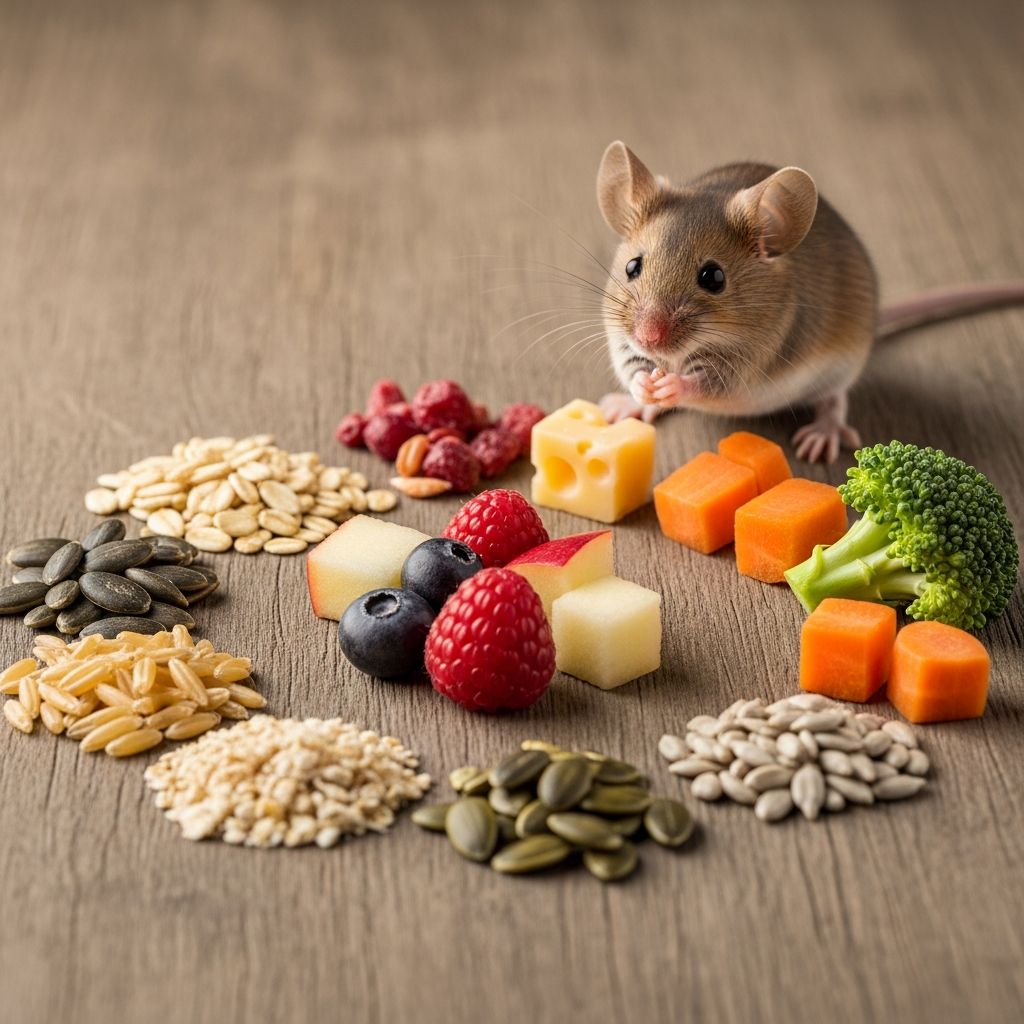
Mice are small, curious creatures that require a carefully balanced diet to maintain optimal health and longevity. Whether you’re a new mouse owner or an experienced caretaker, understanding what your pet mice should eat is essential for ensuring they thrive. Pet mice are opportunistic omnivores, meaning they eat both plant and animal-based foods in their natural habitats. Unlike many people assume, mice don’t just nibble on cheese and grains—they require a sophisticated nutritional profile that includes high-quality pellets, fresh vegetables, limited fruits, and occasional protein sources.
Understanding Your Mouse’s Natural Diet
In the wild, mice are foragers that consume a diverse diet consisting of seeds, grains, grasses, and invertebrates. This natural foraging behavior provides them with the variety of nutrients their bodies need to function properly. Pet mice should ideally mimic this natural diet as closely as possible while benefiting from scientifically formulated commercial foods that ensure all essential nutrients are present in appropriate proportions. Understanding this natural background helps pet owners make informed decisions about what to feed their mice and how to encourage natural behaviors like foraging.
The Foundation: Commercial Mouse Pellets
High-quality commercial mouse pellets or nuggets should form the foundation of your pet mouse’s diet, making up approximately 90 percent of their total food intake. These formulated diets are specifically created to meet the nutritional requirements of mice and contain all the essential vitamins, minerals, proteins, and fats your mouse needs. When selecting commercial mouse food, look for pellets or cubes that are formulated specifically for mice rather than generic rodent food, as mice have unique nutritional needs distinct from other rodents.
Nutritional Requirements for Commercial Foods
When choosing commercial mouse pellets, ensure they meet these key nutritional standards:
- Protein content of approximately 14-16 percent for maintenance
- Fat content of approximately 5 percent
- Higher protein levels for breeding mice, as they require additional nutrients
These formulated diets are based on extensive research conducted with laboratory mice, the same species kept as companions, ensuring that commercial foods available on the market meet well-established nutritional standards. Your veterinarian can recommend specific brands and help you determine the appropriate daily portion size based on your mouse’s age, weight, and activity level.
Fresh Vegetables: Nutritious Variety
Fresh vegetables should be included as part of your mouse’s daily food allowance, comprising approximately 5-10 percent of their diet. However, it’s important to note that fresh vegetables should be incorporated into the daily portion size, not offered in addition to their regular pellet allowance, to prevent overfeeding and obesity.
Safe Vegetables for Mice
The following vegetables are safe and nutritious choices for your pet mice:
- Dark leafy greens: kale, bok choy, beet greens, spinach, chicory, endive, and lamb’s lettuce
- Cruciferous vegetables: broccoli and cauliflower
- Root vegetables: carrots, beetroot, parsnips, radishes, and Jerusalem artichokes
- Other vegetables: green beans, zucchini, cucumber, fennel tubers, corn, pumpkin, and chard
When offering fresh vegetables, always cut them into small, bite-sized pieces to prevent choking hazards and make them easier for your mice to consume. Dark leafy greens should be prioritized as they provide excellent nutritional value. Rotate vegetables regularly to provide dietary variety and keep your mice interested in their meals.
Fruits: Sweet Treats in Moderation
Fruits can be offered to mice but should be treated as occasional treats rather than regular meal components, as they are naturally high in carbohydrates and sugar. Fruits and treats combined should never exceed 10 percent of your mouse’s total daily caloric intake. Excessive fruit consumption can upset the gastrointestinal tract and contribute to obesity.
Safe Fruits for Mice
The following fruits are safe for mice when offered occasionally and in small quantities:
- Apples (without seeds)
- Berries: blackberries, strawberries, raspberries, and gooseberries
- Bananas and pears
- Kiwis and grapes (without seeds)
- Watermelon and cherries
- Rose hips and raisins
Fruits to Avoid
Certain fruits should never be fed to mice as they can cause health problems:
- Citrus fruits
- Fruits with seeds or pits (apple seeds contain cyanogenic compounds)
- Rhubarb (contains oxalates that are toxic to rodents)
As with vegetables, always cut fruits into small pieces and remove any seeds or pits before offering them to your mice.
Grains and Cereals
Grains and cereals can be offered to mice in limited quantities as part of their supplementary diet. Safe grain options include:
- Amaranth and buckwheat
- Barley and oats (in grains or flakes)
- Various types of millet: Chinese millet, German millet, Hungarian millet, and Italian millet
- Rye and wheat (in grains or flakes)
These grains provide fiber and additional nutrients but should be offered in small quantities to supplement the primary diet of high-quality pellets.
Animal Protein Sources
While mice are primarily fed plant-based commercial diets, they benefit from occasional animal protein sources that mimic their natural omnivorous diet. Safe protein options include:
- Mealworms and zophobas
- Crickets and grasshoppers
- Freshwater shrimp
- Small amounts of cooked fish
- Eggs
- Low-fat dairy products such as curd cheese and plain yogurt
These protein sources should be offered sparingly and as treats, not as dietary staples. They provide variety and enrichment while meeting your mouse’s occasional need for animal protein.
Hay and Natural Materials
Timothy hay, clover, meadow hay, and branches from safe trees can be offered to mice as part of their dietary enrichment and foraging opportunities. Safe branches include maple, apple tree, birch, ash, and lime, as well as branches from shrubs like hazelnut, currant, and blueberry. These materials encourage natural gnawing and foraging behaviors while providing fiber and mental stimulation.
Treats and Special Foods
While treats can be an enjoyable addition to your mouse’s diet and are useful for positive reinforcement during training, they should be limited to no more than 10 percent of your mouse’s total daily caloric intake and offered infrequently in small amounts. Reserve special treats for training sessions and special occasions rather than offering them daily.
Feeding Schedule and Portions
Mice should be fed daily, preferably in the evening when they are most active and naturally forage. Since mice like to graze, they should always have access to fresh food and clean water throughout the day. However, portion control is essential to prevent obesity and related health problems. Consult with your veterinarian to determine the appropriate daily portion size based on your individual mouse’s age, weight, metabolism, and activity level. Remove any uneaten fresh foods after 24 hours to prevent spoilage and bacterial growth.
Special Dietary Considerations
Breeding Mice
Breeding mice have higher nutritional requirements than non-breeding mice and require increased protein levels to support reproduction and lactation. Consult with your veterinarian to adjust protein intake appropriately during breeding and lactation periods.
Senior Mice
Older mice may have different nutritional requirements than younger adults. Softer foods may be more appropriate for mice with dental issues, and your veterinarian can recommend age-appropriate dietary modifications.
Foraging Enrichment
To encourage natural foraging behaviors and provide mental enrichment, scatter portions of your mouse’s daily food allowance around the cage rather than offering it all in one location. This mimics the natural foraging behavior of wild mice and keeps them mentally stimulated and physically active.
Foods to Avoid
Several foods are toxic or unsafe for mice and should never be offered:
- Chocolate
- Avocado
- Onions and garlic
- Citrus fruits
- Rhubarb
- Uncooked dried beans
- Fatty or fried foods
- Foods containing added sugar or salt
Water and Hydration
Fresh, clean water should be available to your mice at all times. Provide water in a water bottle with a sipper tube, ensuring the tube remains clean and functional. Check daily to confirm water is flowing properly and that the bottle hasn’t become clogged.
Nutritional Requirements Summary
A comprehensive mouse diet should include:
- 90 percent high-quality commercial pellets (14-16% protein, 5% fat)
- 5-10 percent fresh vegetables, incorporated into daily portions
- Limited fruits (maximum 10% of daily calories)
- Occasional grains and cereals
- Rare animal protein sources
- Fresh, clean water at all times
Frequently Asked Questions
Q: How often should I feed my mice?
A: Mice should be fed daily, preferably in the evening when they are most active. Since mice like to graze, they should have access to fresh food throughout the day, with uneaten perishable foods removed after 24 hours.
Q: Can mice eat pellets from other rodent species?
A: No, mice should eat pellets formulated specifically for mice. While some formulations may work for multiple rodent species, mice-specific pellets ensure proper nutritional balance tailored to their unique needs.
Q: Why is obesity a concern for pet mice?
A: Obesity in mice can lead to serious health problems including diabetes, heart disease, and reduced lifespan. Proper portion control and a balanced diet are essential for maintaining a healthy weight.
Q: Are there any vegetables that are toxic to mice?
A: While most vegetables are safe, mice should avoid raw dried beans, rhubarb, and large quantities of high-oxalate vegetables. Stick to the safe vegetable list when in doubt.
Q: How do I know if my mouse is getting proper nutrition?
A: A healthy mouse should maintain a steady weight, have a shiny coat, clear eyes, and active behavior. Regular veterinary checkups can help identify any nutritional deficiencies or health problems early.
Q: Can I feed my mice wild-caught food?
A: Feeding wild-caught insects or foods is not recommended as they may contain pesticides, parasites, or pathogens. Stick to commercially available, safe alternatives.
Q: How much fresh food should I offer daily?
A: Fresh vegetables and treats should comprise 5-10 percent of your mouse’s total daily diet, incorporated into their regular portions rather than offered as additions to their pellet allowance.
References
- What should I feed my mice? — RSPCA Australia. 2024. https://kb.rspca.org.au/knowledge-base/what-should-i-feed-my-mice/
- Healthy Nutrition for Your Pet Mice — Four Paws International. 2024. https://www.four-paws.org/our-stories/publications-guides/healthy-nutrition-for-your-pet-mice
- Pet Mouse Care Sheet: Habitat, Diet, and Behavior — PetMD. 2024. https://www.petmd.com/exotic/mouse-care-sheet
- What To Feed Pet Mice — RSPCA UK. 2024. https://www.rspca.org.uk/adviceandwelfare/pets/rodents/mice/diet
- Feeding Rodents — VCA Animal Hospitals. 2024. https://vcahospitals.com/know-your-pet/feeding-rodents
- Nutrient Requirements of the Mouse — National Center for Biotechnology Information, National Institutes of Health. 2006. https://www.ncbi.nlm.nih.gov/books/NBK231918/
Similar Articles








Read full bio of medha deb