

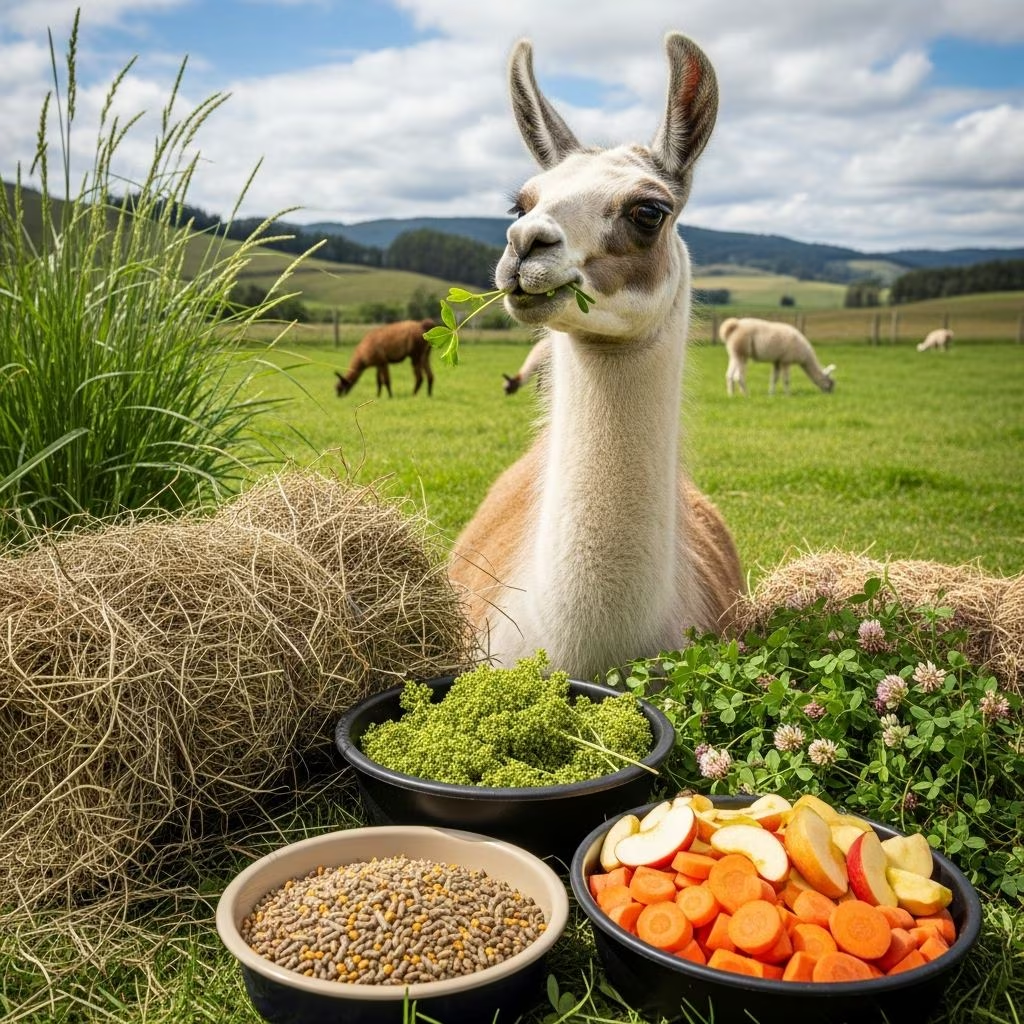
What Do Llamas Eat? A Complete Nutrition Guide
Llamas are herbivores with specific dietary requirements that ensure their long-term health, happiness, and optimal performance. Understanding what llamas eat is fundamental to responsible llama ownership, whether you’re raising them on a homestead, farm, or sanctuary. The foundation of a llama’s diet should consist of nutrient-dense, digestible forage like fresh grass and high-quality hay, supplemented strategically with minerals and other nutrients tailored to their individual needs. A balanced diet not only supports physical health but also lowers stress levels, prevents digestive complications, and reduces competition and behavioral issues among the herd.
The Fundamentals of Llama Nutrition
Llamas are herbivores that have evolved to thrive on a diet rich in fiber. Their digestive system is uniquely designed to process large quantities of plant material continuously throughout the day. Unlike animals with a single large stomach compartment, llamas have a three-chambered stomach that allows them to digest fibrous materials efficiently. However, their stomachs have a limited capacity, which means they cannot process large singular meals at one time. This is why continuous access to forage is essential—it promotes good digestive health and mimics their natural grazing behavior in the wild.
The key to maintaining healthy llamas lies in providing a diet that is primarily composed of high-quality forage. Forage should comprise at least 75 percent of their total daily intake, with the remaining 25 percent potentially consisting of supplements, grains, or concentrates only when necessary. A diet low in forage is guaranteed to cause numerous health problems, including digestive upset, behavioral issues, and nutritional imbalances.
Forage: The Foundation of the Llama Diet
Forage is the cornerstone of proper llama nutrition and should be available continuously. Ideally, llamas should have access to fresh pasture where they can graze naturally throughout the day. Llamas prefer to graze all day and benefit significantly from browsing behavior, which provides both nutritional sustenance and mental enrichment. When pasture is not available or during seasons when grass is scarce, high-quality hay becomes the primary forage source.
Fresh, good-quality grass hay is essential for llama nutrition and should be free of mold, dust, insects, and contaminants. Common grass hay varieties suitable for llamas include timothy hay and orchard grass hay. Llamas can consume approximately 11 pounds of grass or hay daily, which typically equals about 2 to 4 percent of their body weight. If feeding hay throughout the winter as the main food source, their daily intake may include 1 to 2 flakes of hay per day and approximately one bale of hay per week.
High-quality hay should contain moderate crude protein levels around 13.8 percent and approximately 62 percent total digestible nutrients, including substantial fiber content. When analyzing hay and pasture for your llamas, it’s important to have the mineral, protein, and sugar content tested to ensure these feed sources safely meet your animals’ nutritional needs.
Understanding Carbohydrates in the Llama Diet
Carbohydrates form the largest component of a llama’s diet and can be divided into three categories: structural carbohydrates (fiber), non-structural carbohydrates (starches), and sugars. However, not all carbohydrates should comprise a llama’s diet in equal proportions. Fiber, which comes from straw, hay, and grass, is definitely the carbohydrate that llamas need in greater quantity. Sugars and starches can cause significant health issues if consumed in higher quantities, so it’s crucial to ensure camelid residents don’t consume diets with high levels of these substances.
Lush spring pasture can prove too much for llama residents and cause various health complications. Access to lush pasture grasses, legume hays, and other food sources with high sugar or protein content should be limited and monitored carefully. Diets low in crude fiber and high in grains cause gastric ulcers and are not recommended unless an individual llama has higher nutritional needs. Even then, dry fiber should still constitute a large portion of their diet.
Protein Requirements for Llamas
Healthy adult llamas require 8 to 10 percent protein in their diet, depending on their activity levels, life stage, and pregnancy status. Llamas have a notable ability to internally recycle nitrogen, which is part of the amino acids consumed in protein sources. This results in a lower need for protein compared to many other livestock species. However, proteins remain important as they provide both essential and nonessential amino acids that llamas need for various bodily functions.
The specific amount of amino acids an individual llama needs depends largely on their age, activity level, and whether they are pregnant or lactating. Since hays and pasture grass naturally contain protein, careful attention must be paid to the protein and sugar content of these forage sources. Legume hays, such as alfalfa, are generally significantly higher in protein and could cause health issues in resident llamas if they consume too much. Your veterinarian may recommend a certain amount for specific individuals for health or growth-related reasons. Offering a small handful of legume hay as an occasional treat or mixing it with larger portions of grass hay may be an option for some residents.
Essential Minerals and Vitamins for Llama Health
Beyond fiber, protein, and carbohydrates, llamas require specific minerals and vitamins to maintain optimal health. The balance between minerals is particularly critical, as deficiencies or excesses can result in serious health complications.
Calcium and Phosphorus Balance: Llamas generally do well with a calcium to phosphorus ratio of 1:2 to 2:1. This ratio must be carefully provided, as an excess or deficiency of either mineral can result in serious health issues like bone loss or slowed growth. Crooked and weak bones are often the result of a deficiency and imbalance of calcium and phosphorus in the diet. Vitamin D is important for the absorption of both minerals, so ensuring adequate vitamin D levels is essential.
It’s important to remember that alfalfa is generally significantly higher in calcium than grass hays—up to 4 to 6 times higher. This means that if alfalfa comprises a large portion of the diet, it can substantially restructure the calcium and phosphorus balance of the animal’s overall nutrition plan.
Trace Minerals: Llamas require other essential nutrients including copper, sulfur, iron, selenium, magnesium, and potassium. Zinc deficiency in llamas causes skin problems, while copper is necessary for maintaining normal body functions. However, copper in excess can be toxic, so careful supplementation is necessary. Loose trace minerals specifically designed for alpacas and llamas should be provided, as llamas don’t digest mineral blocks well. These minerals help prevent deficiencies, particularly with selenium and copper, which llamas need in small amounts but which become toxic in excess.
Vitamins: Ensure that the food llamas consume contains adequate vitamins A, B, D, and E, with vitamin D being especially important for mineral absorption. In most situations where grazing on quality pasture is available, along with a recommended mineral supplement, llamas can obtain all necessary nutrients.
Grain Pellets and Concentrates
While most llamas and alpacas get all the nutrients they need from hay and pasture, some may require additional grains or concentrates, especially if they are pregnant, nursing, growing, or geriatric. When grains are recommended, purchase pelleted grains designed specifically for llamas and alpacas rather than grains formulated for other livestock species.
Specially formulated grain pellets provide llamas with camelid-specific nutrients including protein, fiber, and a mix of vitamins and minerals. However, it’s important not to overfeed pellets since llamas don’t metabolize glucose effectively, meaning pellets or commercially processed diets should be given in moderation. Concentrate should constitute no more than 25 percent of their overall diet. Llamas can easily put on weight, so care must be taken when using supplementary feed to avoid obesity and related health complications.
Safe Treats for Your Llamas
While llamas enjoy treats, it’s essential to offer them safely and in moderation. A handful-sized portion should be the maximum amount of treats fed per day. Safe treats for llamas include:
– Carrots
– Pumpkin
– Celery
– Sweet Potato
– Fresh Green Beans
– Apple
– Banana
– Watermelon
– Mulberries
– Alfalfa (in small quantities)
The more sweet the food is, the less you should give to camelids. If possible, avoid sugary or processed foods for treats, as these can contribute to digestive upset and other health issues.
Toxic Foods and Plants to Avoid
Certain foods and plants are toxic or harmful to llamas and should never be fed under any circumstances. Never give your llama mineral blocks or mineral mixes made for other animals, as they can be deadly for llamas. Foods and plants to avoid include:
– Potatoes, tomatoes, and eggplant (any plant from the nightshade family)
– Sugary human food
– Lima beans
– Peas
– Onions and garlic
– Avocados
– Chocolate
– Bean vegetables containing cyanide
– Mustard family plants: broccoli florets, brussels sprouts, kale, turnips, and other brassica plants
– Flowers: daisies, daffodils, foxglove, lilies, irises, and poppies
While this list isn’t exhaustive, it can certainly help keep resident llamas safe, healthy, and happy. When in doubt about a specific food or plant, consult with a veterinarian who has experience with llama care.
Water and Hydration
Fresh, clean water should always be available to llamas. Proper hydration is essential for digestive function, thermoregulation, and overall health. Ensure that water sources are kept clean and refilled regularly, particularly during warm weather when llamas may drink more frequently.
Creating a Balanced Diet Plan
When developing a nutrition plan for your llama, it’s crucial to consider their individual circumstances. A veterinarian should be consulted when developing a customized plan for an individual llama, particularly if the animal has special health needs, is pregnant or nursing, or shows signs of nutritional deficiency. When pasture forms the majority of the diet, it is unlikely that deficiencies of most vitamins and minerals will occur. However, when pasture is limited or during winter months when animals rely primarily on hay, supplementation becomes more important.
The basic rule of thumb when feeding your llama or alpaca is that the majority of their diet should come from grazing, with additional forage where necessary and appropriate supplementation based on individual needs and life stage. A balanced diet not only supports physical health but also reduces stress, prevents digestive issues, and minimizes competition amongst the herd.
Frequently Asked Questions About Llama Nutrition
Q: How much should I feed my llama daily?
A: Llamas typically consume 2 to 4 percent of their body weight in forage daily, which equals approximately 11 pounds of grass or hay. The exact amount depends on the individual llama’s size, activity level, and metabolism. If feeding hay during winter, expect to provide about 1 to 2 flakes per day and approximately one bale per week.
Q: Can llamas eat alfalfa hay?
A: Yes, llamas can eat alfalfa hay, but it should be offered in limited quantities or mixed with grass hay. Alfalfa is significantly higher in calcium and protein than grass hays (up to 4 to 6 times higher in calcium), which can create mineral imbalances if it comprises too large a portion of the diet. A small handful as an occasional treat or mixed with larger portions of grass hay is appropriate for most resident llamas.
Q: What mineral supplements do llamas need?
A: Llamas require loose trace minerals specifically formulated for alpacas and llamas. These should provide copper, selenium, magnesium, potassium, iron, sulfur, and other trace minerals in appropriate ratios. Mineral blocks designed for other livestock species are not appropriate and can be dangerous. Consult with a veterinarian to determine if your llama’s pasture and hay provide adequate minerals or if supplementation is necessary.
Q: Are llamas herbivores?
A: Yes, llamas are strict herbivores who thrive on plant-based diets. Their digestive systems are specifically designed to process fibrous plant materials, grasses, legumes, and other vegetation. They do not require or benefit from animal-based proteins.
Q: What happens if my llama eats toxic foods?
A: Toxic foods and plants can cause various health problems ranging from mild digestive upset to severe poisoning. Nightshade plants like potatoes and tomatoes, avocados, chocolate, and certain flowers can be dangerous. If you suspect your llama has consumed a toxic substance, contact a veterinarian immediately for guidance and potential treatment.
Q: How can I prevent competition at feeding time?
A: A balanced diet combined with proper feeding management helps reduce stress and competition amongst the herd. Ensure all llamas have adequate access to forage, and if you’re providing supplemental feed or treats, monitor all animals to ensure each llama receives an appropriate amount.
References
- Daily Diet, Treats, And Supplements For Llamas — Open Sanctuary Project. 2024. https://opensanctuary.org/daily-diet-treats-and-supplements-for-llamas/
- Llama & Alpaca Guide — Goldridge Veterinary. 2024. https://www.goldridgevet.com/posts/llama-alpaca-guide
- What Do Llamas Eat? — Chewy, Inc. 2024. https://www.chewy.com/education/farm-animal/llama-and-alpaca/what-do-llamas-eat
- What Do Llamas Eat? A Guide to Their Diet and Treats — Homesteading Place. 2024. https://homesteadingplace.com/what-do-llamas-eat/
- Feeding Llamas & Alpacas – Badmintonfeeds.co.uk — Badminton Feeds. 2024. http://www.badmintonfeeds.co.uk/advice:4.htm
- Nutrition and Feeding – Llamas and Alpacas — Penn State College of Agricultural Sciences. 2024. https://extension.psu.edu/animals-and-livestock/llamas-and-alpacas/nutrition-and-feeding/
- Additional Nutritional Advice — British Llama Society. 2024. https://www.britishllamasociety.co.uk/additional-nutritional-advice/



