

What Do Lizards Eat? A Guide to Feeding Your Pet Lizard
Understanding what your pet lizard eats is fundamental to providing proper care and ensuring a long, healthy life. Different lizard species have evolved distinct dietary preferences based on their natural habitats and digestive capabilities. Some lizards are strict insectivores that consume nothing but bugs, while others are herbivores that prefer plants and vegetables. Many species fall somewhere in between as omnivores, requiring a balanced combination of both animal and plant matter. Regardless of your lizard’s dietary category, providing appropriate nutrition through a well-planned feeding schedule is essential for preventing nutritional deficiencies and maintaining optimal health.
Understanding Lizard Dietary Categories
Lizards fit into four primary dietary categories, each with specific nutritional requirements and feeding guidelines. Recognizing which category your lizard belongs to is the first step toward creating a successful feeding plan.
Insectivores
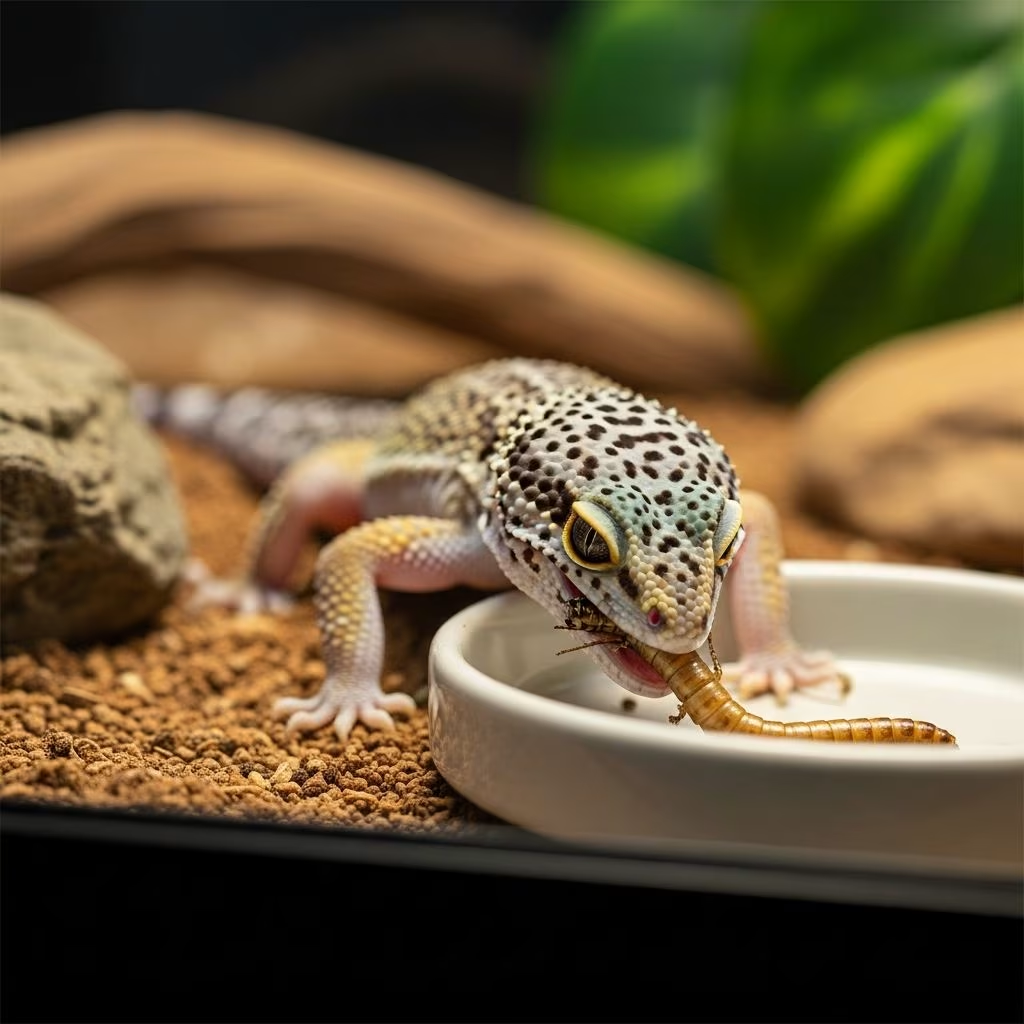
Insectivorous lizards consume insects exclusively and make up a significant portion of commonly kept pet lizards. Species such as leopard geckos, anoles, and certain gecko varieties fall into this category. These lizards have evolved to thrive on a diet of live insects that provide essential proteins and nutrients. Gut-loaded insects—those fed nutritious food before being offered to your lizard—are the preferred food source because they transfer additional nutrients to your pet. Common insect options include crickets, mealworms, roaches, silkworms, and waxworms, though waxworms should be offered only as occasional treats due to their high fat content.
For insectivores, calcium supplementation is particularly important. All live insects should be dusted with calcium powder before feeding, and vitamin D3 supplementation should be provided weekly. Hatchling and juvenile insectivores require daily feedings with prey items no larger than the width of their head, while adult insectivores typically need feeding every two to three days.
Herbivores
Herbivorous lizards such as iguanas and uromastyx derive their nutrition entirely from plant matter. These species have specialized digestive systems capable of processing large quantities of vegetation. A proper herbivore diet consists primarily of dark leafy greens, which should form the foundation of their meals. Appropriate greens include collard greens, dandelion greens, turnip greens, and mustard greens. These vegetables are nutrient-dense and provide essential vitamins and minerals.
In addition to leafy greens, herbivorous lizards benefit from a variety of vegetables such as squash, bell peppers, and carrots. Fruits should be offered sparingly, comprising no more than five percent of the total diet, as they are high in sugar. Herbivores require careful attention to the calcium-to-phosphorus ratio in their diet to prevent metabolic bone disease, a serious condition resulting from calcium deficiency. Unlike insectivores, herbivores typically require calcium supplementation without vitamin D3 on a daily basis, with D3 added only once weekly.
Omnivores
Omnivorous lizards have adapted to consume both animal and plant matter, providing flexibility in their feeding requirements. Popular pet omnivores include bearded dragons and blue-tongued skinks. The nutritional balance these species require changes throughout their lifetime, with juveniles typically needing more insect protein and adults gradually shifting toward more plant matter.
Bearded Dragons: These popular pet lizards can be offered a salad of dark leafy greens such as collard greens, dandelion greens, turnip greens, and mustard greens, combined with vegetables and small amounts of fruit. They should also receive gut-loaded and calcium-dusted insects several times weekly. Dubia roaches are particularly favored for their superior nutritional profile. Juvenile bearded dragons typically require a diet of approximately seventy percent insects and thirty percent plant matter, though this ratio gradually reverses as they mature into adulthood.
Blue-Tongued Skinks: While blue-tongued skinks can consume a similar salad to bearded dragons, they tend to thrive on more vegetables and fewer leafy greens alongside juicy insects. These lizards also benefit from additional protein sources such as whole prey items including feeder rodents, earthworms, and snails or slugs. Their dietary preferences reflect their natural omnivorous foraging behavior and digestive adaptations.
Carnivores
Carnivorous lizards, such as monitor lizards and certain larger species, consume substantial prey items including whole vertebrates. Nile monitors, for example, are best maintained on a diet of whole prey feeder rodents such as mice, rats, gerbils, and young chicks. Carnivorous species require less frequent feeding than smaller insectivores, typically eating every few days to weekly depending on their size and metabolic rate. Pre-killed rodents should always be offered to prevent injury to your lizard from defensive prey.
Species-Specific Feeding Guidelines
Different lizard species have evolved unique dietary requirements based on their natural habitats and evolutionary adaptations. Understanding your specific lizard’s needs ensures optimal nutrition and long-term health.
Anoles
Anole lizards are primarily insectivorous, feeding mainly on small insects such as crickets, roaches, and mealworms. They may occasionally consume small arachnids and other small invertebrates found in their natural environment. Providing a varied diet of different insect species ensures that their diverse nutritional needs are met. These small lizards require daily feedings with appropriately sized prey and benefit from regular calcium supplementation.
Uromastyx Lizards
Uromastyx lizards are primarily herbivorous and thrive best on a balanced diet of leafy greens including collard greens, dandelion greens, and mustard greens, combined with vegetables like squash, bell peppers, and carrots. They may enjoy occasional pieces of fruit as well. The nutritional foundation for these lizards should be plant-based, with proper calcium and mineral supplementation to support bone health and overall development.
Chameleons
Chameleon feeding requirements vary significantly by species, and consultation with a veterinarian experienced in reptile care is recommended to establish the best diet for your individual chameleon. These unique lizards have specialized feeding behaviors and nutritional needs that differ from more commonly kept species.
Feeder Insect Options and Nutritional Value
Selecting the right feeder insects is crucial for providing balanced nutrition to insectivorous and omnivorous lizards. Different insects offer varying nutritional profiles, and variety in the diet promotes better overall health.
Common Feeder Insects
– Crickets: Affordable, readily available, and widely accepted by most insectivorous lizards. They provide good protein content and are easily gut-loaded.- Mealworms: Nutritious insects that are higher in fat content than crickets, making them suitable for regular feeding in appropriate portions.- Dubia Roaches: Highly nutritious with excellent protein content. These are a particular favorite for bearded dragons and other omnivores due to their balanced nutrient profile.- Silkworms: Soft-bodied insects that are easily digestible and provide good nutritional value for juvenile and adult lizards.- Waxworms: High-fat content insects best reserved for occasional treats rather than staple diet items.- Phoenix Worms: Nutritious insects with excellent calcium content, making them particularly valuable for calcium-conscious diets.
Supplements and Nutritional Requirements
While a varied diet of appropriate foods forms the foundation of proper lizard nutrition, supplementation plays a critical role in preventing nutritional deficiencies. Calcium and vitamin D3 are particularly important for bone health and metabolic function.
Calcium Supplementation
Calcium powder should be dusted onto insects and vegetables according to species-specific requirements. Herbivores and omnivores typically require daily calcium supplementation without D3, with D3 added weekly. Insectivores require similar protocols. Under-supplementation of calcium can lead to metabolic bone disease, a serious and potentially life-threatening condition characterized by weak bones, tremors, and neurological symptoms.
Vitamin D3
Vitamin D3 is essential for calcium absorption and bone health. While many lizards can produce D3 through exposure to appropriate UVB lighting, supplemental D3 should still be provided weekly to ensure adequate levels. The combination of proper UVB exposure and D3 supplementation creates optimal conditions for bone mineralization and overall health.
Multivitamins
A quality reptile multivitamin provides essential micronutrients that may be lacking in even a well-planned diet. These supplements should be administered according to product instructions and veterinary recommendations, typically a few times weekly.
Feeding Schedules and Portion Sizes
Establishing an appropriate feeding schedule is essential for maintaining proper body condition and preventing nutritional imbalances. The frequency of feeding depends significantly on your lizard’s age, species, and metabolic rate.
Juvenile vs. Adult Feeding Frequency
Hatchling and juvenile animals must be fed more frequently than adults to support rapid growth and development. Young lizards typically require daily feedings until they reach adulthood, though the exact timing varies by species. Once lizards reach maturity, feeding frequency typically reduces to two to three times weekly, though some species may require less frequent feeding.
Portion Control Guidelines
Prey items should be appropriately sized for your lizard’s mouth and digestive system. A general rule is that insects should be no larger than the width of your lizard’s head, ensuring safe swallowing and digestion. For larger prey items like whole rodents, the prey size should be approximately two-thirds the girth of your lizard’s body. Overfeeding leads to obesity and associated health problems, while underfeeding causes malnutrition and stunted growth.
Hydration and Water Intake
While food is crucial, proper hydration is equally important for lizard health. Most lizards obtain water through their food, particularly from moisture-rich vegetables and live insects. However, providing fresh, clean water is essential. Some lizards, such as anoles, prefer to drink water droplets from leaves or misting rather than from standing water. Providing a shallow water bowl or regular misting of the enclosure ensures adequate hydration opportunities.
Common Feeding Mistakes to Avoid
Several common mistakes can compromise your lizard’s nutritional status and overall health. Understanding these pitfalls helps ensure your feeding strategy supports optimal wellness. Feeding only one type of insect or vegetable limits nutritional variety and can lead to deficiencies. Similarly, neglecting to gut-load insects or provide appropriate supplements undermines the nutritional value of the diet. Overfeeding causes obesity and metabolic problems, while underfeeding leads to malnutrition. Additionally, offering prey items that are too large poses choking hazards and digestive complications.
Consulting with Veterinary Professionals
Every lizard is unique, with individual dietary preferences and nutritional requirements. Consulting with a reptile veterinarian or experienced reptile specialist helps ensure your feeding plan is optimized for your specific lizard’s age, size, health status, and species. Professional guidance is particularly valuable when establishing feeding schedules for species with specialized dietary requirements or when addressing nutritional concerns.
Frequently Asked Questions
Q: How often should I feed my pet lizard?
A: Feeding frequency depends on your lizard’s species and age. Hatchlings and juveniles typically require daily feedings, while adult lizards generally need feeding two to three times weekly. Some species may require less frequent feeding once fully mature.
Q: What supplements does my lizard need?
A: Most lizards benefit from calcium supplementation dusted on food daily, with vitamin D3 added weekly. A quality multivitamin should be provided a few times weekly. Consult your veterinarian for species-specific supplementation recommendations.
Q: Can I feed my lizard only one type of insect?
A: No, variety is essential for balanced nutrition. Offering different insect species and feeder options ensures your lizard receives diverse nutrients and prevents deficiencies.
Q: How do I know if my lizard is eating enough?
A: Monitor your lizard’s body condition and weight regularly. A healthy lizard maintains consistent weight, shows active behavior, and displays bright coloration. Weight loss or lethargy may indicate feeding issues.
Q: What vegetables should I offer my herbivorous lizard?
A: Dark leafy greens like collard greens, dandelion greens, and mustard greens should form the foundation, supplemented with vegetables like squash, bell peppers, and carrots. Fruits should comprise no more than five percent of the diet.
Q: Should I feed my lizard live insects?
A: Live insects are preferred as they closely mimic natural feeding behavior, provide enrichment, and ensure nutritional value. Always supervise feeding to prevent injury from defensive prey.
Q: How can I prevent metabolic bone disease?
A: Provide appropriate UVB lighting, dust insects with calcium regularly, supplement with vitamin D3 weekly, and maintain a balanced calcium-to-phosphorus ratio in the diet. Consult your veterinarian for specific protocols.
References
- What Do Lizards Eat? A Guide to Feeding Your Pet Lizard — Chewy. 2025. https://www.chewy.com/education/reptile-and-amphibian/gecko/what-do-lizards-eat
- Vet Guide 2025: What Do Lizards Eat? Nutrition & Diet Tips — Ask a Vet. 2025. https://askavet.com/blogs/news/vet-guide-2025-what-do-lizards-eat-nutrition-diet-tips-by-dr-duncan-houston-vet-2025
- Lizard Diet: A Guide to Proper Nutrition for Lizards — Talis US. 2025. https://talis-us.com/blogs/news/lizard-diet-a-guide-to-proper-nutrition-for-lizards
- Nutrition in Reptiles — MSD Veterinary Manual. 2024. https://www.msdvetmanual.com/management-and-nutrition/nutrition-exotic-and-zoo-animals/nutrition-in-reptiles
- What Do Lizards Eat? — PetMD. 2024. https://www.petmd.com/reptile/what-do-lizards-eat
- A Guide To Feeding Your Reptile — Vets 4 Pets. 2024. https://www.vets4pets.com/pet-health-advice/reptile-advice/a-guide-to-feeding-your-reptile/



