

What Do Leopard Geckos Eat: Complete Diet Guide
Leopard geckos are carnivorous reptiles that primarily feed on live insects in both the wild and captivity. Understanding their dietary needs is essential for maintaining their health, preventing obesity, and ensuring they receive proper nutrition. These small but active predators require a varied diet of appropriately sized insects to thrive. Unlike some reptiles that may consume vegetation or other supplementary foods, leopard geckos are obligate insectivores, meaning they depend entirely on insects for their nutritional requirements.
Types of Food for Leopard Geckos
Leopard geckos can consume a wide variety of insects, each offering different nutritional profiles. Providing dietary variety ensures your gecko receives comprehensive nutrition from multiple protein sources and prevents dietary boredom.
Primary Insect Options
Crickets are among the most popular and accessible food items for leopard geckos. They provide excellent protein content and are relatively easy to source from reptile suppliers. Crickets should be gut-loaded before feeding to maximize their nutritional value. They are an ideal staple diet for geckos of all ages when properly sized.
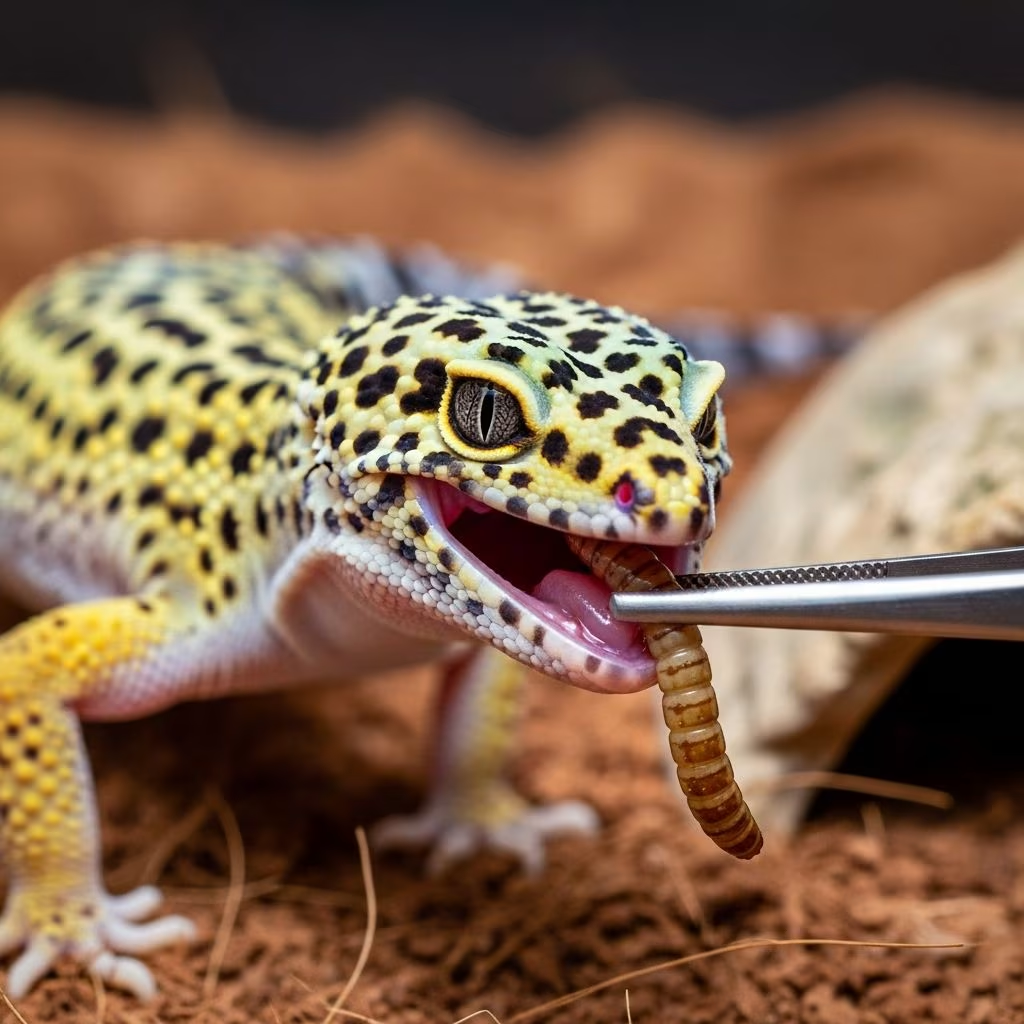
Mealworms are another common staple food source that geckos readily consume. However, mealworms are high in fat content, so they should be offered in moderation to prevent obesity. These larvae can be left in the enclosure for the gecko to hunt, or offered directly during feeding sessions. Like crickets, mealworms benefit significantly from gut-loading.
Dubia roaches have become increasingly popular as a feeder insect due to their excellent nutritional profile. They are rich in protein and relatively low in fat compared to mealworms, making them an ideal dietary option for maintaining healthy weight. Dubia roaches are available in various sizes to accommodate different gecko ages and sizes.
Superworms are larger larvae that should be fed sparingly as treats rather than staple foods. Like waxworms, they are high in fat content and can contribute to obesity if offered too frequently. Limiting superworms to approximately once weekly helps maintain a healthy weight.
Waxworms are fatty larvae that serve best as occasional treats rather than dietary staples. They should be offered no more than once per week due to their high fat content. Many geckos find waxworms particularly appealing, making them useful for encouraging reluctant eaters.
Additional insect options include silkworms, hornworms, darkling beetles, grasshoppers, locusts, isopods, red runner roaches, discoid roaches, and black soldier fly larvae. Offering a rotating selection of these insects provides nutritional diversity and mental enrichment for your gecko.
Appropriate Portion Sizes for Different Life Stages
Feeding the correct portion size prevents both malnutrition and obesity. The amount of food your gecko needs depends on its age, size, and overall health status.
Sizing Guidelines by Age
Baby Geckos (Hatchlings): Baby leopard geckos require very small insects to prevent choking and digestive complications. Hatchlings should consume crickets approximately 3/8 inches in size. These tiny insects match their small mouth size and digestive capacity.
Juvenile Geckos (3-12 months): Juvenile geckos can handle slightly larger prey items. Crickets around 1/4 inch in size are appropriate for this age group. As juveniles grow, gradually increase insect size to match their development.
Adult Geckos: Adult leopard geckos can consume small adult to adult-sized crickets. A practical rule of thumb is to never offer insects larger than the space between your gecko’s eyes. This guideline prevents choking hazards and ensures digestive efficiency.
Quantity of Food
The general feeding guideline is to offer approximately two appropriately sized insects for every inch of your gecko’s body length. Alternatively, you can offer insects for a 15-minute feeding period, allowing your gecko to eat as much as it desires within that timeframe. This approach accounts for individual variation in appetite and metabolism.
Feeding Frequency by Age and Health Status
Feeding frequency depends on your gecko’s age and overall health condition. Different life stages have varying metabolic rates and nutritional demands.
Juveniles (Up to 12 months old): Young geckos have faster metabolisms and require daily feeding. Their bodies are still developing, and consistent daily nutrition supports proper growth and bone development. Feed juveniles once daily, typically in the evening hours when they are naturally most active.
Young Adults (12-24 months): Young adults can transition to feeding every other day or every three days, depending on their size and activity level. Monitor their body condition to ensure they maintain appropriate weight.
Healthy Adult Geckos (Over 24 months): Fully mature geckos typically require feeding every other day or approximately three times per week. Adults with fat tails (where the tail diameter exceeds the neck diameter) may benefit from extended feeding intervals of up to five days to prevent obesity. Adjust frequency based on individual metabolism and activity level.
Sickly or Recovering Geckos: Geckos recovering from illness or injury should be fed once daily until they regain their strength and normal body condition. Consult with a reptile veterinarian for specific guidance on feeding sick animals.
Optimal Feeding Times
Leopard geckos are crepuscular, meaning they are most active during dawn and dusk hours. Offer food late in the afternoon or early in the evening to align with their natural hunting behavior. This timing triggers their predatory instincts and increases feeding success rates. If your gecko is a reluctant eater, leave a shallow dish containing worms in the enclosure overnight, allowing the gecko to eat at its preferred time.
Essential Nutritional Supplements
Since leopard geckos cannot obtain all necessary vitamins and minerals from insects alone, supplementation is critical for their long-term health. Proper supplementation prevents serious nutritional deficiencies that can cause metabolic bone disease and other health complications.
Calcium Supplementation
Calcium is vital for bone health, proper muscle function, and egg production in females. Metabolic bone disease (MBD), a serious condition caused by calcium deficiency, is one of the most common health issues in captive reptiles. To ensure adequate calcium intake, dust insects with calcium powder before feeding. Apply calcium powder 2-3 times per week for optimal bone health.
Calcium powder without added vitamin D3 is generally recommended for most feeding sessions, as leopard geckos can synthesize vitamin D3 from exposure to UVB light, though their requirements are lower than some other reptile species. When purchasing calcium supplements, verify the product composition with your veterinarian.
Vitamin and Mineral Supplementation
A complete multivitamin and mineral complex ensures your gecko receives essential nutrients beyond calcium. Apply multivitamin supplements approximately once every two weeks, or as directed by your veterinarian. Products like Zoo Med Reptivite with D3 provide comprehensive nutritional support. Never exceed recommended supplementation frequency, as excessive vitamin supplementation can cause toxicity.
Application Methods for Supplements
The simplest method to dust insects is placing them in a bag containing the supplement powder and gently shaking until the insects are thoroughly coated. Feed dusted insects to your gecko immediately to prevent the powder from being rubbed or licked off. The coating effectiveness decreases over time as the gecko handles the insects.
Gut Loading Feeder Insects
Gut loading—feeding nutritious food to insects before offering them to your gecko—dramatically increases the nutritional value your gecko receives from each meal. This practice is one of the most important steps in maintaining proper gecko nutrition.
Gut Loading Process
Insects should be gut-loaded for at least 24 hours before feeding, though some sources recommend 12-48 hours for optimal results. During this period, feed the insects nutritious vegetables, fruits, and commercial gut-loading diets. This ensures their digestive systems are full of nutrient-rich food when consumed by your gecko.
Appropriate Gut Load Foods
For Crickets: Crickets can consume a variety of vegetables and fruits to enhance their nutritional value. Suitable options include leafy greens, squash, carrots, and other vitamin-rich vegetables. Avoid acidic fruits, spinach, and broccoli, as these can negatively affect nutrient absorption. Commercial cricket feed and gel balls designed specifically for hydration are also available.
For Mealworms: Mealworms show a particular preference for carrots. Provide carrots 24 hours before feeding mealworms to your gecko. Combining cricket gut-loading food with carrots provides comprehensive nutrition. If leaving mealworms in your gecko’s enclosure for self-feeding, also provide food for the mealworms so they remain nutritionally valuable whenever consumed.
Recommended Gut Loading Formulas
Commercial gut-loading diets specifically formulated for feeder insects provide balanced nutrition. Recommended products include Arcadia InsectFuel, Dubia.com Dubia Diet, Lugarti Premium Dubia Diet, Mazuri Better Bug Gut Loading Diet, Repashy Bug Burger, and Repashy SuperLoad. These commercial formulas eliminate guesswork and ensure insects receive optimal nutrition.
Hydration and Water Intake
Leopard geckos obtain much of their hydration from insects, but providing supplemental water is important for overall health. Offer a shallow dish of fresh drinking water daily in the enclosure. Place a large rock or cork in the water dish to allow any accidentally submerged crickets to escape, preventing them from drowning. Despite their escape routes, geckos may still consume some aquatic insects, which is part of their natural predatory behavior.
Monitoring Body Condition
Regular body condition assessment helps you determine if you are feeding the appropriate amount. A healthy gecko should have a slightly rounded abdomen when at rest, but never appear overweight or bloated. The belly should appear relatively flat unless the gecko has just finished eating. Overweight geckos with fat stores in the legs and body are at risk for obesity-related health problems. Conversely, you should not see prominent ribs or a severely thin appearance, which indicates underfeeding.
Common Feeding Mistakes to Avoid
Understanding common feeding errors helps prevent nutritional problems and health complications. Avoid feeding insects larger than the space between your gecko’s eyes, as choking hazards can occur. Do not rely on single insect types for the entire diet; variety ensures comprehensive nutrition. Neglecting supplementation is a critical error that can lead to severe nutritional deficiencies. Overfeeding waxworms and superworms contributes to obesity. Finally, failing to gut-load insects reduces their nutritional value significantly.
Frequently Asked Questions (FAQs)
Q: Can leopard geckos eat vegetables or fruits?
A: Leopard geckos are obligate insectivores and cannot digest plant matter. They require a diet consisting entirely of insects. However, vegetables and fruits are valuable for gut-loading insects before feeding them to your gecko.
Q: How do I know if my gecko is eating enough?
A: Monitor your gecko’s body condition regularly. A healthy gecko should have a slightly rounded abdomen, clear eyes, and consistent activity levels. If you notice rapid weight loss or unusual behavior, consult a reptile veterinarian.
Q: What is the best insect to feed leopard geckos?
A: There is no single “best” insect, as variety is important. Crickets and dubia roaches are excellent staples due to their nutritional profiles. Rotating different insect types ensures comprehensive nutrition and prevents dietary boredom.
Q: Can I feed my gecko the same insects every day?
A: While crickets can be fed daily, rotating insect types provides better nutritional diversity. Avoid feeding only mealworms, superworms, or waxworms, as they have different nutritional profiles and fat contents that can create imbalances.
Q: How often should I supplement calcium?
A: Dust insects with calcium powder 2-3 times per week. Apply multivitamin supplements once every two weeks, unless your veterinarian recommends different frequencies based on your gecko’s individual needs.
Q: Why is my gecko not eating?
A: Loss of appetite can indicate illness, stress, improper enclosure conditions, or seasonal breeding behaviors. Ensure temperatures are correct (88-92°F on the warm side), humidity levels are appropriate, and the gecko is not experiencing stress. If appetite loss persists, consult a reptile veterinarian.
Q: Can I feed my gecko pre-killed or frozen insects?
A: Most leopard geckos prefer live insects due to their predatory instincts. While some may accept pre-killed or thawed frozen insects, live prey provides better nutritional quality and mental enrichment. Always prioritize live insects when possible.
References
- Leopard Gecko Food and Dietary Requirements — ExoticDirect. 2024. https://exoticdirect.co.uk/news/what-should-leopard-geckos-eat-food-and-dietary-requirements/
- Leopard Gecko Complete Food Guide — Zen Habitats. 2024. https://www.zenhabitats.com/blogs/reptile-care-sheets-resources/leopard-gecko-complete-food-guide
- What Does a Leopard Gecko Eat? — Pets in the Classroom. 2024. https://petsintheclassroom.org/what-does-a-leopard-gecko-eat/
- Leopard Gecko Diet & Feeding Guide — PetSmart Learning Center. 2024. https://www.petsmart.com/learning-center/reptile-care/what-should-i-feed-my-leopard-gecko/A0013.html
- Leopard Gecko Feeding Information — ReptiFiles. 2024. https://reptifiles.com/leopard-gecko-care/leopard-gecko-feeding/



