

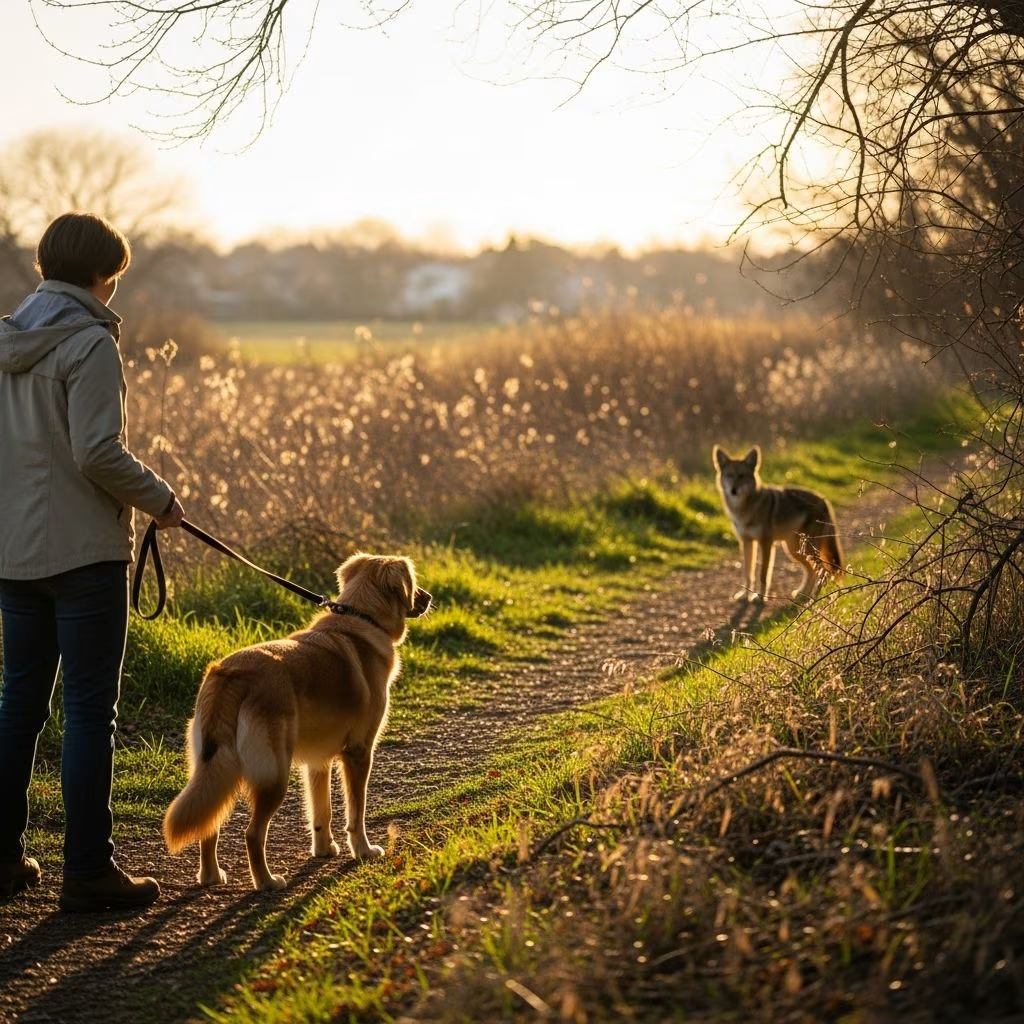
Coyotes have become increasingly common in urban, suburban, and rural areas across North America, posing potential risks to dogs during walks. Understanding coyote behavior and knowing immediate response strategies can prevent dangerous encounters and ensure your pet’s safety.
Understanding Coyote Behavior Around Dogs
Coyotes and dogs, as close relatives in the canid family, exhibit varied interactions ranging from play to predation, primarily influenced by the dog’s size and the coyote’s intent. Research analyzing spontaneous encounters shows coyotes may view small dogs as prey, while larger dogs are often seen as threats, leading to agonistic behaviors like threats or retreats.
In 35 analyzed video clips, interactions included 4 predatory coyote behaviors toward dogs, 11 playful bouts with chasing and play bows from both species, and 9 agonistic exchanges involving displays and bites. No dogs displayed predatory behavior toward coyotes, highlighting the asymmetry in risks. Coyotes typically avoid humans but show keen interest in dogs, sometimes approaching with bouncy gaits or play bows to assess or assert territory.
Size matters significantly: Predatory shaking attacks occurred only with small dogs, while larger dogs dominated agonistic interactions. Play was rare with small dogs, emphasizing vulnerability for smaller breeds. Family groups or lone coyotes may react protectively, mirroring dog-on-dog dynamics but with wild unpredictability.
Signs of Coyote Activity in Your Area
Recognizing early warning signs allows proactive measures before encounters escalate. Look for:
- Howls and yips at dawn, dusk, or night, indicating active packs.
- Tracks: Coyote paw prints are dog-like but narrower (2-2.5 inches long) with claw marks, often in mud or snow near trails.
- Scat: Rope-like droppings (2-4 inches) filled with fur, bones, or berries, larger than fox scat.
- Dead animals: Small prey remains like rabbits or birds near paths.
- Sightings: Single coyotes or pairs (mated) during walks, or family groups in spring with pups.
In urban settings, coyotes adapt well, thriving near human food sources. Increased sightings, especially during breeding (January-March) or pup-rearing (April-August), signal higher activity.
Immediate Actions: What to Do If You See a Coyote
If a coyote appears while walking your dog, prioritize calm, assertive responses to de-escalate. Follow these steps:
- Stay calm: Do not run; maintain composure to avoid triggering chase instincts.
- Leash your dog tightly: Keep it close; pick up small dogs if possible.
- Make yourself big: Wave arms, stand tall, and maintain eye contact.
- Yell and clap: Use loud, deep voices shouting “Go away!” or “No!”—avoid high-pitched sounds.
- Back away slowly: Never turn your back; retreat to safety while facing the coyote.
- Haze if it approaches: Throw sticks, rocks, or use air horns, bear spray (if legal), or water hoses.
These actions leverage coyotes’ natural fear of humans. In one documented case, a coyote released a small dog after a larger dog intervened. Never encourage interaction; coyotes are wild predators.
Prevention Strategies for Safe Walks
Proactive habits minimize risks:
- Walk during daylight: Avoid dawn, dusk, and night when coyotes hunt.
- Use well-lit, populated paths: Stick to busy trails; avoid isolated areas.
- Supervise off-leash time: Keep dogs leashed; use long lines in low-risk zones.
- Carry deterrents: Air horns, whistles, pepper spray, or walking sticks.
- Secure your yard: 6-foot fences with coyote rollers; remove attractants like pet food.
Report bold coyotes (approaching humans/dogs, daytime begging) to local wildlife authorities for hazing programs.
Risks to Different Dog Sizes
| Dog Size | Coyote Interaction Risk | Examples from Observations | Recommended Precautions |
|---|---|---|---|
| Small (<20 lbs) | High predation risk | Shaking attacks; coyotes watch from afar | Carry in arms; avoid coyote areas |
| Medium (20-50 lbs) | Moderate; play or agonistic | Chasing play; bites possible | Short leash; immediate hazing |
| Large (>50 lbs) | Low predation; threat response | Dogs dominate fights; coyotes retreat | Leashed; deter approaches |
Small dogs face the greatest threat, with fatalities reported in areas like San Francisco’s Crissy Field. Larger dogs may deter but can provoke fights.
Coyote Breeding and Pup Seasons
Coyotes breed January-March, with pups born April-May. Heightened protectiveness peaks May-August:
- Parents aggressive: Defend pups fiercely against perceived threats, including dogs.
- More sightings: Family groups forage openly.
- Increased food needs: Target small pets.
Double prevention efforts: Walk in groups, carry extra deterrents, and educate neighbors.
Community and Reporting Guidelines
Collaborate for safety:
- Report aggressive coyotes to animal control or wildlife services.
- Participate in hazing: Yell, throw objects to reinforce fear.
- Educate via neighborhood apps or meetings.
- Secure communal pet food/ garbage.
Humane deterrence works; lethal control often fails as coyotes repopulate quickly.
Frequently Asked Questions (FAQs)
Are coyotes dangerous to all dogs?
Primarily small dogs; larger ones face agonistic risks, not predation.
Should I let my dog chase coyotes?
No—chases provoke defense or fights.
What if a coyote follows us?
Haze aggressively and back to populated areas; report if persistent.
Can coyotes climb fences?
Yes; use rollers or dig-proof bases.
Do coyotes hunt in packs?
Usually alone or pairs; family groups during pup season.
Final Tips for Coyote Country Walks
Combine awareness, preparation, and community action. Train recall, vary routes, and stay vigilant. Your dog’s safety hinges on prevention over reaction.
References
- Dog And Coyote Interactions — Kinship. 2023. https://www.kinship.com/dog-behavior/dog-and-coyote-interactions
- Coyotes are Dogs — DFW Urban Wildlife. 2024-05-16. https://dfwurbanwildlife.com/2024/05/16/featured-article/coyotes-are-dogs/
- Coyote Reactions to Dogs — Coyote Yipps. 2024. https://coyoteyipps.com/category/coyote-behavior/coyote-reactions-to-dogs/
- What to Do About Coyotes — Humane Society. 2024. https://www.humaneworld.org/en/resources/what-do-about-coyotes
- Coyotes Have Killed 3 Dogs at San Francisco’s Crissy Field — Kinship. 2023. https://www.kinship.com/dog-health/dog-deaths-coyotes-san-francsico-crissy-fields-news



