

What Do Hummingbirds Eat: A Comprehensive Diet Guide
Hummingbirds are among the most fascinating creatures in the avian world, known for their incredible speed, vibrant colors, and remarkable metabolic rates. To maintain their extraordinary energy levels and support their fast-paced lifestyles, hummingbirds require a highly specialized diet. Unlike many other bird species, hummingbirds consume more than just nectar—their diet is complex and varied, comprising multiple food sources that provide the essential nutrients needed for survival, breeding, and migration. Understanding what hummingbirds eat is crucial for anyone interested in attracting and supporting these magnificent birds in their backyards or natural habitats.
The Hummingbird Diet: An Overview
Hummingbirds maintain a diverse diet that provides them with the energy, protein, minerals, and salts necessary for their demanding lifestyles. While many people associate hummingbirds exclusively with nectar consumption, the reality is far more nuanced. A balanced hummingbird diet incorporates multiple food sources, each serving a specific nutritional purpose. The primary components of a hummingbird’s diet include flower nectar, insects, and spiders, with the exact proportions varying based on species, geographic location, and season.
Nectar: The Primary Energy Source
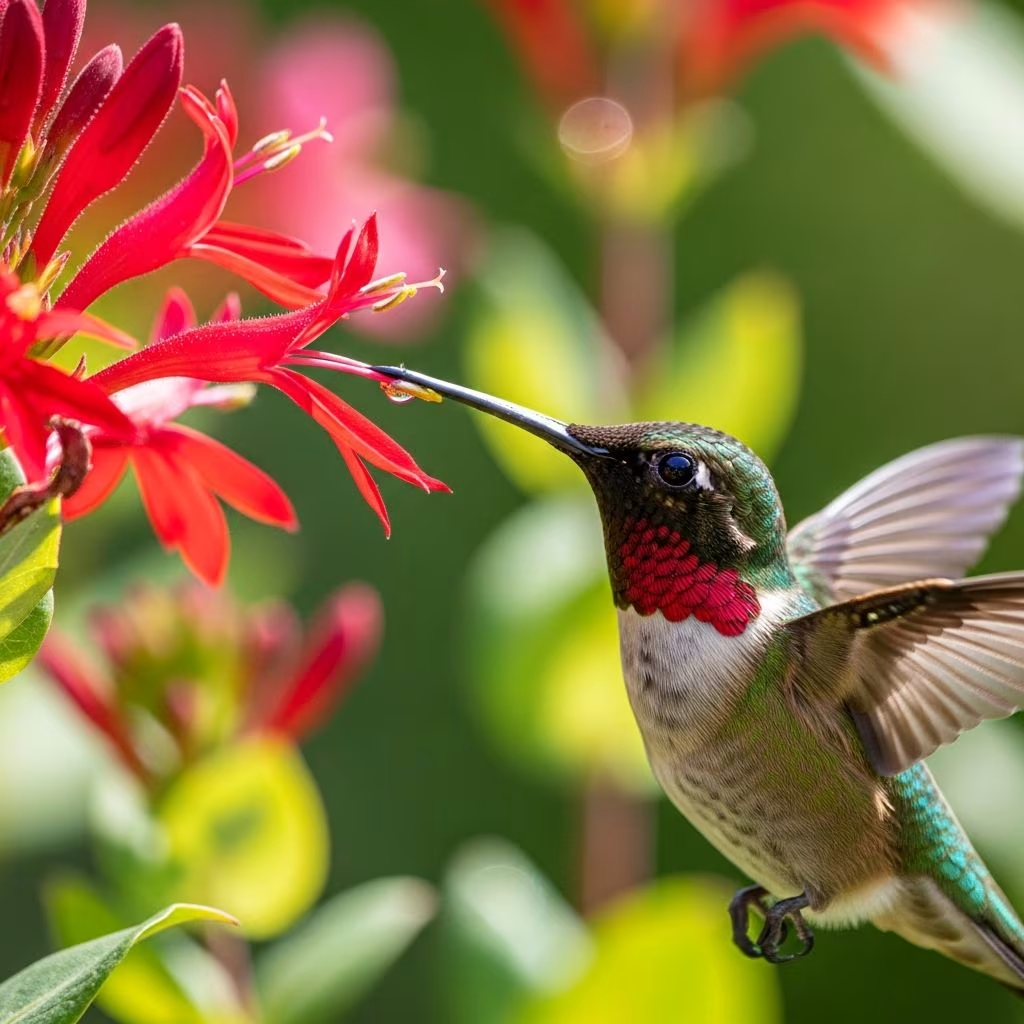
Nectar serves as the rocket fuel that powers hummingbirds’ extraordinary metabolism and rapid wing beats. This sugary liquid provides the immediate energy these birds need to maintain their incredibly fast heart rates and muscle contractions. Hummingbirds obtain nectar from a wide variety of flowering plants with long, tubular shapes that perfectly accommodate their elongated beaks and specialized feeding mechanisms. Natural nectar typically contains dissolved sugars, occasional protein-packed insects, and pollen rich with fats, minerals, and proteins.
The flowers most attractive to hummingbirds include bee balm, salvia, cardinal flowers, petunias, trumpet creeper, and fuchsia. Interestingly, contrary to popular belief, hummingbirds are not exclusively drawn to red flowers—they will visit nectar-producing flowers of various colors. Additionally, hummingbirds sometimes supplement their nectar intake by sipping juice from fruit and consuming tree sap, occasionally following hole-drilling sapsuckers to drink from the sap wells they create.
While nectar is essential for immediate energy, research shows that nectar comprises only 20 to 40 percent of a hummingbird’s total diet. This revelation challenges the common misconception that hummingbirds are exclusively nectarivorous birds. The remaining 60 to 80 percent of their nutritional intake comes from insects and spiders, making protein a critically important component of their diet.
Insects and Spiders: Essential Protein Sources
Insects and spiders play a far more significant role in hummingbird nutrition than many people realize. These small arthropods provide essential proteins, fats, electrolytes, and macronutrients that hummingbirds cannot obtain from nectar alone. Some ornithologists and researchers view hummingbirds not primarily as nectarivores but rather as insectivorous birds that supplement their diet with plant nectar.
Hummingbirds consume a diverse array of small insects and arachnids, each contributing valuable nutrients to their diet:
- Gnats: Tiny flying insects that are particularly easy for hummingbirds to catch mid-flight.
- Fruit Flies: Often found near overripe or fermenting fruit, these insects are a preferred protein source.
- Aphids: Small, sap-sucking insects found on plants that provide concentrated protein.
- Spiders: Among the most nutritious food sources, providing protein, fat, and essential minerals.
- Mosquitoes: Common flying insects that contribute to the hummingbird’s daily protein intake.
- Ants: Occasionally consumed when they invade flowers or feeders.
- Mites and Fungus Gnats: Additional microscopic arthropods that supplement their diet.
- Beetles and Caterpillars: Less common but still consumed when available.
These insects provide the amino acids necessary for muscle growth, development, and daily maintenance. Insects are particularly crucial during breeding season when females need substantial protein to develop healthy eggs and maintain sufficient energy for raising chicks.
Seasonal Diet Variations
Hummingbird dietary habits shift significantly throughout the year in response to the availability of food sources and their physiological needs. Understanding these seasonal changes provides insight into the complex adaptation strategies these birds employ.
Spring and Summer
During spring and summer months, flowering plants reach peak bloom, providing abundant nectar sources. This period coincides with the breeding season for many hummingbird species. During these months, hummingbirds consume large quantities of nectar to fuel their active lifestyles and support breeding activities. Simultaneously, insects are abundant during this period, allowing hummingbirds to supplement their nectar intake with substantial quantities of protein-rich insects including spiders, fruit flies, and gnats.
Fall and Migration Preparation
As autumn approaches and flowers begin to fade, hummingbirds increase their insect and spider consumption to build fat reserves necessary for migration. This dietary shift is crucial for survival, as hummingbirds preparing for long-distance migration need to accumulate sufficient energy reserves. Some hummingbird species will double their body weight during fall in preparation for migration routes that can exceed thousands of miles.
Winter
Many hummingbird species migrate to warmer climates during winter months where flowers and insects remain available year-round. However, some species, particularly Anna’s Hummingbirds in certain regions, remain in their territories during winter and must adjust their feeding strategies. In these cases, hummingbirds rely on any remaining flowers and insects, and may seek out additional food sources like tree sap and sugar-water feeders provided by humans.
Diet Differences Between Male and Female Hummingbirds
While male and female hummingbirds maintain generally similar dietary patterns, notable differences emerge during breeding season. Females consume significantly more protein-rich insects when preparing to lay eggs and raise chicks. This increased protein consumption supports the development of healthy eggs and provides the energy necessary for the demanding task of nurturing hatchlings. Females may increase their insect consumption by 40 to 50 percent during peak breeding periods compared to males, demonstrating the sex-specific nutritional demands of reproduction.
Species-Specific Dietary Preferences
Different hummingbird species exhibit distinct dietary preferences based on their geographic ranges, habitat characteristics, and available food sources. These preferences reflect evolutionary adaptations to specific environments.
Ruby-Throated Hummingbird
The Ruby-Throated Hummingbird, one of the most common species in eastern North America, shows a strong preference for red and orange tubular flowers such as trumpet creeper and bee balm. This species requires constant energy sources from nectar and substantial protein sources from insects to fuel their rapid metabolism.
Anna’s Hummingbird
Anna’s Hummingbirds frequently visit garden plants including salvia and fuchsia. This adaptable species has successfully expanded its range northward in recent decades, partly due to the availability of cultivated garden plants and maintained hummingbird feeders.
Rufous Hummingbird
Known for aggressive feeding habits, Rufous Hummingbirds consume nectar from a wide range of flower species and are frequent visitors to hummingbird feeders. They are particularly territorial and will aggressively defend feeding territories.
Broad-Tailed Hummingbird
The most common hummingbird species in the Rocky Mountain region, Broad-Tailed Hummingbirds catch gnats, aphids, spiders, ants, fruit flies, and mosquitoes to feed themselves and raise their chicks. Females of this species work tirelessly to collect protein-rich insects for their developing chicks.
Desert Hummingbird Diets
Some hummingbird species inhabit desert environments where they have adapted specialized feeding strategies to survive in arid conditions. Desert-dwelling hummingbirds rely heavily on desert plants such as agave and ocotillo, which produce sugar-rich nectar even in harsh, water-scarce environments. These species also consume desert insects to obtain the protein necessary for survival. The adaptation to desert feeding demonstrates the remarkable flexibility of hummingbird dietary strategies.
Factors Influencing Hummingbird Diet
The diet composition of any given hummingbird depends on multiple interconnected factors:
- Habitat: Geographic location and available plant and insect species directly determine food availability.
- Season: The time of year dramatically influences which food sources are available.
- Species: Different species have evolved preferences for specific flower types and insect prey.
- Life Stage: Breeding birds, molting birds, and migratory birds have different nutritional requirements.
- Weather: Cold temperatures, storms, and weather patterns affect insect availability and flowering patterns.
Molting and Increased Protein Demands
Adult hummingbirds of both sexes significantly increase their protein intake during their annual feather molt, a process that typically begins in late summer. Growing new feathers requires substantial protein and energy resources. In some geographic regions, such as southwest Utah where hummingbirds overwinter, molting occurs over the winter months, requiring sustained high protein consumption. This nutritional demand makes access to abundant insects and spiders critical during molt periods.
Supporting Hummingbirds: Best Feeding Practices
People interested in supporting hummingbirds in their yards can implement several strategies to provide both nectar and protein sources. The most effective approach combines natural and supplemental feeding methods:
Native Flowering Plants
Planting native flowering plants with tubular, bell-, or funnel-shaped flowers provides the highest-quality natural nectar sources. A diversity of native plant species attracts a wide variety of insects, which is essential for hummingbird survival. Plants native to your region have evolved to produce nectar with optimal sugar concentrations and bloom at times when hummingbirds need them most.
Insect-Friendly Landscaping
Avoid using pesticides and insecticides in landscaping, as these chemicals eliminate the insects hummingbirds depend on for protein. A diverse native plant landscape naturally supports healthy insect populations, benefiting hummingbirds and countless other bird species while supporting declining insect populations.
Sugar-Water Feeders
Supplementing with well-maintained sugar-water feeders can provide additional nectar when natural sources are limited. The proper homemade hummingbird nectar recipe is one part sugar to four parts water. Never use red dye, honey, or artificial sweeteners, as these can harm hummingbirds. Feeders should be cleaned every three to five days to prevent mold and fermentation.
Multiple Feeders
Providing multiple feeders throughout your yard can reduce territorial aggression and ensure all hummingbirds have adequate access to supplemental nectar sources, particularly during migration periods when caloric demands are highest.
Frequently Asked Questions (FAQs)
Q: What percentage of a hummingbird’s diet is nectar versus insects?
A: Nectar comprises only 20 to 40 percent of a hummingbird’s total diet, while insects and spiders make up the remaining 60 to 80 percent. This distribution makes insects far more important to hummingbird survival than commonly believed.
Q: Do all hummingbird species eat the same foods?
A: No, different species have developed dietary preferences based on their geographic ranges and available food sources. For example, Ruby-Throated Hummingbirds prefer red and orange tubular flowers, while other species may favor different flower types.
Q: Why do hummingbirds need to eat so much?
A: Hummingbirds have extraordinarily fast metabolisms with heart rates reaching 1,200 beats per minute. Their wings beat up to 80 times per second, requiring constant energy replenishment. Some hummingbirds must consume approximately half their body weight daily to maintain these metabolic demands.
Q: Can I make hummingbird nectar at home?
A: Yes, homemade nectar is simple and safe. Mix one part white granulated sugar with four parts water. Boil the water first, then add sugar and cool before filling feeders. Never use honey, artificial sweeteners, or red dye.
Q: What should I avoid when feeding hummingbirds?
A: Avoid using pesticides, which eliminate crucial insect sources; honey, which can promote fungal growth; red dye, which serves no nutritional purpose; and artificial sweeteners, which hummingbirds cannot metabolize properly.
Q: How often should I clean my hummingbird feeders?
A: Clean hummingbird feeders every three to five days to prevent mold, fermentation, and bacterial growth that could harm the birds.
Conclusion
Hummingbirds maintain one of the most fascinating and complex diets in the avian world. While nectar provides the essential sugar needed to fuel their extraordinary metabolism, insects and spiders are far more nutritionally important than commonly understood. A comprehensive understanding of hummingbird dietary needs reveals these remarkable birds as sophisticated foragers capable of adapting their feeding strategies to environmental conditions, seasonal availability, and life stage requirements. By supporting both natural nectar sources through native plantings and protein sources through pesticide-free landscaping, we can create thriving habitats where hummingbirds flourish. Whether you’re a casual backyard birdwatcher or a dedicated wildlife enthusiast, appreciating the complexity of hummingbird nutrition enhances our understanding of these extraordinary creatures and deepens our commitment to their conservation and support.
References
- What Do Hummingbirds Really Eat in Colorado, Utah, and Wyoming? — Audubon Rockies, National Audubon Society. 2024. https://www.audubon.org/rockies/news/what-do-hummingbirds-really-eat-colorado-utah-and-wyoming
- Food for Hummingbirds: Feeders, Flowers, and Bugs — Loudoun Wildlife Conservancy. 2020. https://loudounwildlife.org/2020/05/food-for-hummingbirds/
- Not All Sweetness and Light: The Real Diet of Hummingbirds — All About Birds, Cornell Lab of Ornithology. https://www.allaboutbirds.org/news/not-all-sweetness-and-light-the-real-diet-of-hummingbirds/
- How to Feed a Hummingbird Part I: Insects & Protein — Choose Natives. https://choosenatives.org/articles/how-to-feed-hummingbird-part-i-insects-protein/
- Hummingbird Nectar Recipe — National Zoo & Conservation Biology Institute, Smithsonian Institution. https://nationalzoo.si.edu/migratory-birds/hummingbird-nectar-recipe
- Feeding Hummingbirds — The Hummingbird Society. https://www.hummingbirdsociety.org/feeding-hummingbirds



