

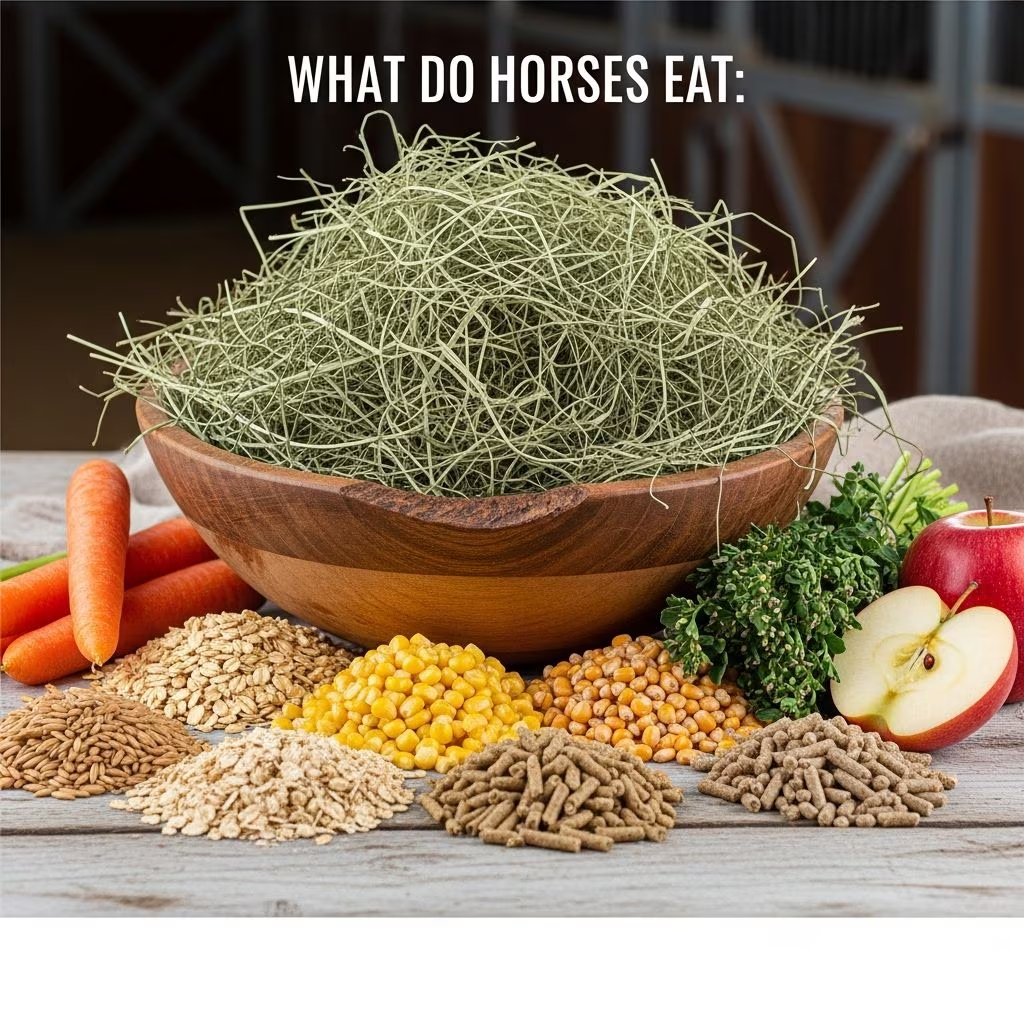
What Do Horses Eat: A Complete Nutrition Guide
Understanding what horses eat is fundamental to maintaining their health and well-being. As herbivores, horses have evolved to graze continuously throughout the day, and their digestive systems are specifically designed to process plant-based foods. Providing proper nutrition requires knowledge of their natural dietary needs, the types of feed available, and how to balance different food sources to meet individual requirements.
The Foundation: Forage
Forage forms the foundation of every horse’s diet and should always be the primary source of nutrition. Horses should consume a minimum of 1 percent of their body weight in forage daily, with the ideal intake being 1.5 to 2 percent of body weight. For example, a 1,000-pound horse should eat between 10-20 pounds of forage each day. This high forage intake is essential because horses have evolved as grazing animals with a unique digestive system that requires constant, steady intake of roughage to function properly.
Types of Forage
Forage comes in several forms that can meet your horse’s nutritional needs:
- Fresh Pasture: High-quality pasture is the most natural feed source for horses. When horses have access to good quality pasture or hay, many can maintain excellent condition throughout their lives without additional supplements.
- Hay: Hay is dried forage that provides essential nutrition when fresh pasture is unavailable. Quality varies significantly based on the type of grass or legume, stage of maturity when cut, and storage conditions.
- Hay Cubes: Compressed hay in cube form offers a convenient alternative to loose hay while maintaining similar nutritional value.
- Grass-Based Products: Various grass-based feed products can supplement or replace traditional hay.
Good quality forage provides the fiber horses need for digestive health and maintains natural eating patterns. A balanced forage diet often provides adequate nutrition for horses in maintenance (non-working) status.
Understanding Horse Digestive Needs
Horses have small stomachs relative to their body size, which means they cannot consume large meals at one time. Instead, they are designed to eat multiple small meals throughout the day, often spending 14-18 hours grazing in natural conditions. This continuous grazing pattern maintains consistent digestive function and helps prevent digestive issues such as ulcers. When feeding horses, it’s important to replicate this natural feeding pattern as closely as possible by providing forage throughout the day rather than concentrating meals into a few large feedings.
Concentrates and Grains
While forage is the foundation, many horses require additional concentrated feeds to meet their energy and nutrient needs, particularly those engaged in work, breeding, or growth. Concentrates are feed sources that provide more nutrients per pound than forage and are typically used to supplement a horse’s diet.
Popular Grain Options
Different grains offer varying nutritional profiles:
- Oats: Oats are the most popular grain for horses because they are highly palatable and digestible. They have a lower digestible energy value and higher fiber content compared to other grains, making them a safer choice for horses that are prone to excitability or digestive upset. Oats are also an excellent source of protein and fiber.
- Corn: Corn is the second most palatable grain for horses and provides twice as much digestible energy as an equal volume of oats. It is high in energy but lower in protein quality. Because corn is so energy-dense, it’s easy to overfeed and should be used cautiously. Moldy corn should never be fed to horses as it can be lethal.
- Other Grains: Barley and other cereal grains can be included in horse rations but are less commonly used than oats or corn.
A general rule of thumb is to feed no more than 0.5% of the horse’s body weight in grain per meal—approximately 5 pounds of grain per meal for a 1,000-pound horse. When larger amounts of grain are necessary, divide the daily grain ration into multiple feedings throughout the day to minimize digestive stress.
Essential Nutrients for Horse Health
Horses require six main classes of nutrients to survive and thrive: water, carbohydrates, fats, protein, vitamins, and minerals.
Water
Water is the most critical nutrient and horses cannot survive long without adequate hydration. Horses typically drink about 2 quarts of water for every pound of hay they consume, with total daily consumption ranging from 5-15 gallons or more depending on temperature, humidity, and activity level. In hot weather, during hard work, or for lactating mares, water requirements can increase to 3-4 times normal consumption. Always ensure clean, fresh water is available.
Carbohydrates
Carbohydrates serve as the main energy source for horses. Fibrous carbohydrates like hemicellulose and cellulose come from forage, while non-fibrous carbohydrates come from grains. The amount of nonfibrous carbohydrates fed as a meal should be carefully regulated, particularly in horses sensitive to high-starch diets.
Protein and Amino Acids
Protein is essential for muscle development during growth and exercise, and the main building blocks of protein are amino acids. Most adult horses require 8-10% protein in their ration, though lactating mares and young growing foals need higher levels. Common protein supplements include:
- Soybean Meal: The most common protein supplement, averaging around 44% crude protein with high-quality essential amino acids.
- Alfalfa: Second and third cutting alfalfa can contain 25-30% protein and greatly impacts total dietary protein.
- Other Sources: Cottonseed meal (48% crude protein), peanut meal (53% crude protein), and brewer’s grains (25% crude protein) can supplement protein needs.
To ensure proper amino acid balance, especially for growing horses, the minimum level of lysine should be at or above 4% of total crude protein intake.
Fats
Fats provide concentrated energy for horses and can be particularly useful for horses requiring additional calories without increasing grain intake. Vegetable oil is the most commonly used fat source in horse feeds. When adding oil as a supplement, start with ¼ cup per feeding and gradually increase to no more than 2 cups daily over two weeks for an average 1,000-pound horse.
Vitamins and Minerals
Normally, if adult horses are consuming fresh green pasture and premixed rations, they receive proper amounts of most minerals, with the exception of sodium chloride (salt), which should always be available. Young horses may need added calcium, phosphorus, copper, and zinc during their first year or two of life.
Horses are inefficient at licking salt blocks, so loose vitamin and mineral mixtures work better than blocks or salt licks. A general rule of thumb is to expect horses to consume 1.5 to 3 ounces of loose mineral mixture per day. Mineral blocks are generally less than 5% mineral and more than 95% salt, making them ineffective for providing vitamin and mineral requirements. A good, balanced diet of green hay, grain, and sunlight typically provides adequate vitamins for most horses unless under significant stress.
Feeding Management Strategies
Successful horse feeding requires understanding individual needs and managing portions appropriately.
Body Weight Considerations
Most horses consume about 2.5 pounds of air-dried feed per 100 pounds of body weight per day, though this depends on the quality and dry matter of the feed. This means a 1,000-pound horse typically consumes about 25 pounds of air-dried feed daily.
Seasonal Feeding
In cold weather, horses require increased calories to maintain body temperature, necessitating more food during winter months. Interestingly, feeding more hay helps keep horses warmer because the fermentation process that breaks down forage’s fibrous portion produces heat within the colon.
Activity Level and Special Needs
As horses engage in more performance work or growth demands, proportionally larger amounts of concentrates must be fed. The diet should be adjusted based on the horse’s age, use, current condition, and health status. Components that can be manipulated include total amount fed, relative amounts of roughage versus concentrate, percentages of protein, fat, fiber and starch, and vitamin/mineral content.
Commercial and Complete Feeds
Many excellent commercial feeds are already balanced specifically for horses, making them convenient options. These complete feeds are formulated to provide proper nutritional balance when fed as directed. They can be particularly useful for owners who want assurance that their horse is receiving balanced nutrition, though quality varies among brands. Some horses maintained on pasture and adapted to all-forage diets can meet their needs through a loose vitamin/mineral premix or ration balancer instead of complete commercial feeds.
When Supplements Are Necessary
Supplements should only be added when necessary based on specific dietary needs. Before adding any supplement, evaluate whether your horse’s current diet is deficient in specific nutrients. Common reasons for supplementation include:
- Addressing specific nutritional deficiencies
- Meeting high-energy demands of performance horses
- Supporting growth in young horses
- Providing lactation support for mares
- Managing joint or digestive health issues
Frequently Asked Questions
Q: How much forage should I feed my horse daily?
A: Horses should eat a minimum of 1% of their body weight in forage daily, with an ideal intake of 1.5-2% of body weight. A 1,000-pound horse should consume 10-20 pounds of forage each day.
Q: Can horses survive on forage alone?
A: Many horses can maintain excellent condition on good quality pasture or hay alone, particularly those in maintenance status without work demands. However, performance horses, growing young horses, and lactating mares typically require additional concentrates.
Q: How many times per day should I feed my horse?
A: Horses have small stomachs and should be fed multiple times daily to replicate their natural grazing pattern. Grain should be divided into several meals per day when larger amounts are fed. Forage should be available continuously or provided in multiple feedings.
Q: What is the maximum grain a horse should eat per meal?
A: Feed no more than 0.5% of the horse’s body weight in grain per meal—approximately 5 pounds for a 1,000-pound horse. Grain mixes should be split into several meals daily when larger total amounts are necessary.
Q: How much water should my horse drink daily?
A: Horses typically drink 5-15 gallons of water daily depending on temperature, humidity, and activity level. They generally drink about 2 quarts of water for every pound of hay consumed.
Q: Are salt blocks adequate for meeting mineral needs?
A: No, mineral blocks are generally less than 5% mineral and more than 95% salt. Loose vitamin and mineral mixtures work better for meeting mineral requirements, as horses are inefficient at licking blocks.
Q: Can I feed my horse only grain?
A: No, forage must always form the foundation of a horse’s diet. Feeding only grain would cause serious digestive problems and nutritional imbalances. Forage and grain should be balanced appropriately.
Q: What grain is safest for horses?
A: Oats are generally considered the safest grain for horses because they are highly digestible, palatable, and less likely to cause digestive upset or behavioral issues compared to corn or barley.
References
- Horse Feeding: Everything You Need to Know — PetMD. https://www.petmd.com/horse/horse-feeding-everything-you-need-know
- How to Feed a Horse: Understanding the Basic Principles of Horse Nutrition — University of Georgia Extension. https://fieldreport.caes.uga.edu/publications/B1355/how-to-feed-a-horse-understanding-the-basic-principles-of-horse-nutrition/
- Nutritional Management for Horses — Purdue Extension. https://www.extension.purdue.edu/extmedia/as/as-429.html
- The Basics of Equine Nutrition — Rutgers Equine Science Center. https://esc.rutgers.edu/fact_sheet/the-basics-of-equine-nutrition/
- Nutrient Needs of Horses — Oklahoma State University Extension. https://extension.okstate.edu/fact-sheets/nutrient-needs-of-horses.html
- Equine Nutrition — Scottsdale Equine Clinic. https://www.ssequineclinic.com/equine-health-topics/equine-nutrition/
- Horse Management & Feeding Guidelines — Purina Animal Nutrition. https://www.purinamills.com/horse-feed/education/detail/horse-management-feeding-guidelines



