What Do Hedgehogs Eat? The Best Diet for Your Pet
Complete guide to hedgehog nutrition: insects, pellets, veggies, and what to avoid.
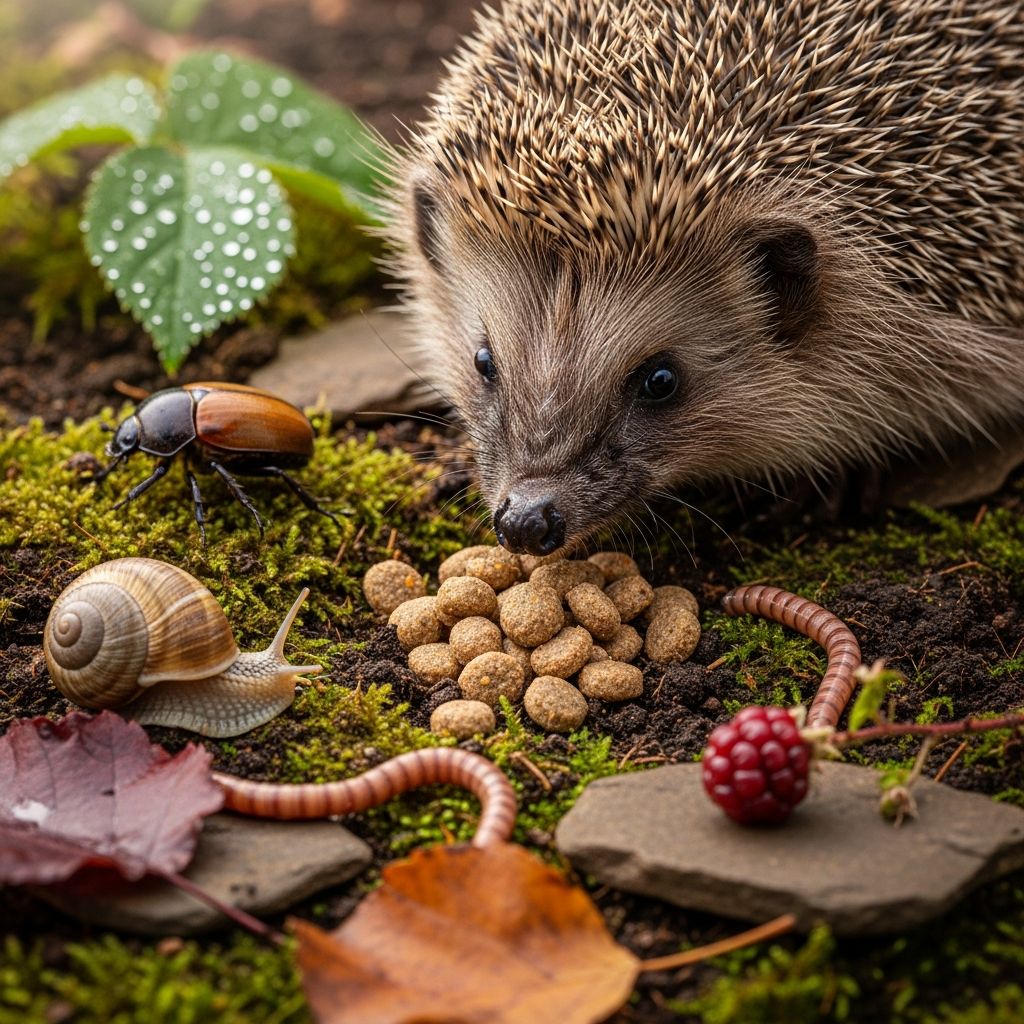
Hedgehogs are fascinating small pets that require a carefully balanced diet to thrive. Understanding what hedgehogs naturally eat in the wild and how to replicate that nutrition in captivity is essential for maintaining your pet’s health and longevity. As insectivores, hedgehogs have specific dietary requirements that differ significantly from other small pets like hamsters or guinea pigs. This comprehensive guide will help you understand the best diet options for your hedgehog and ensure they receive all the nutrition they need.
Wild Hedgehog Diet: Natural Food Sources
In their natural habitat, hedgehogs are opportunistic foragers that primarily hunt and consume invertebrates. Their natural diet consists mainly of insects and other small creatures found in gardens, grasslands, and woodlands. Understanding what wild hedgehogs eat provides valuable insight into crafting an appropriate diet for your pet hedgehog.
The primary food sources for wild hedgehogs include beetles, earthworms, caterpillars, earwigs, and millipedes. These invertebrates provide the high protein content and essential nutrients that hedgehogs require to maintain their energy levels and overall health. Ground beetles are particularly abundant in hedgehogs’ natural diet, offering excellent nutritional value. This natural feeding behavior demonstrates why pet hedgehogs thrive when their diet includes a significant insect component.
Core Components of a Pet Hedgehog Diet
Creating a healthy diet for your pet hedgehog involves combining several key food components that work together to meet their nutritional needs. A well-rounded hedgehog diet should include:
- High-quality hedgehog pellets or specialized diet formulas
- Live or freeze-dried insects
- Small amounts of fresh vegetables
- Limited fresh fruits
- Occasional protein supplements
- Continuous access to fresh water
Insects: The Foundation of Hedgehog Nutrition
Insects form the cornerstone of a proper hedgehog diet, just as they do in the wild. Pet hedgehogs should regularly consume commercially available insects, which provide essential nutrients and mental stimulation through natural hunting behaviors. The most commonly recommended insects for pet hedgehogs include:
Mealworms are among the easiest insects to store and feed. These larvae are high in protein and chitin, a fiber-like substance that aids digestion and supports gut health. According to veterinary nutritionists, feeding two to four mealworms daily, along with approximately one tablespoon of dried food, provides adequate nutrition. Mealworms can be offered live or freeze-dried, depending on your preference.
Crickets are another excellent insect option that hedgehogs enjoy. These provide similar nutritional benefits to mealworms and offer engaging hunting opportunities that stimulate natural behaviors. Crickets should be gut-loaded before feeding, meaning they should be fed a nutritious diet prior to being offered to your hedgehog, ensuring your pet receives maximum nutritional benefit.
Earthworms are particularly nutritious treats that many hedgehogs find highly palatable. These can be offered occasionally and provide excellent protein and mineral content. Dubia roaches are another option available from specialty pet food suppliers, offering high-protein nutrition for hedgehogs that enjoy variety.
Live insects typically provide better nutritional value and more interactive feeding opportunities compared to freeze-dried alternatives, though freeze-dried insects are more convenient for pet owners who prefer not to handle live bugs. Insects should be offered three to four times per week, with each serving consisting of one to two insects depending on the hedgehog’s size and age.
Critically, insects should always be purchased from reputable pet stores or raised at home. Wild-caught insects may have been exposed to pesticides, fertilizers, or other harmful chemicals that could be fatal to your hedgehog. Never feed insects from gardens or outdoor areas where chemical treatments have been applied.
Hedgehog Pellets and Commercial Diets
High-quality, fortified hedgehog pellets form an important part of a balanced diet. These specially formulated foods are nutritionally designed to meet hedgehogs’ specific dietary requirements and often include insect chitin substitutes. Mazuri is one of the most recommended hedgehog pellet brands by veterinarians, as it is specifically formulated with insect chitin substitutes and provides balanced nutrition.
When selecting pellets, look for formulas that list high-quality protein sources as primary ingredients. The pellets should contain appropriate levels of fat and fiber to support digestive health. A typical serving of commercial hedgehog diet ranges from one to three tablespoons daily, depending on the specific caloric content of the food and your individual hedgehog’s metabolic needs.
Some hedgehog owners find that their pets prefer high-quality, low-fat cat food mixed with specialized hedgehog pellets. When using cat food as a dietary component, always select formulas with meat listed as the primary ingredient rather than plant products. This combination of hedgehog pellets and cat food can provide excellent nutrition while offering dietary variety.
Vegetables: Nutritious Additions to the Diet
Fresh vegetables contribute important vitamins, minerals, and fiber to a hedgehog’s diet, though they should comprise only a small portion of daily intake. Hedgehogs prefer dark, leafy greens and beta-carotene-rich vegetables over starchy options. Safe vegetable choices for your hedgehog include:
- Spinach
- Kale
- Cooked carrots
- Peas
- Green beans
- Sweet potato
Vegetables should be offered in small quantities, typically one to three teaspoons per day. Always cook vegetables until they are soft, and serve them unseasoned without any added salt, spices, or sauces. This ensures your hedgehog can easily digest the vegetables and receives maximum nutritional benefit. Fresh vegetables should be offered two to three times per week as a supplemental food rather than a staple.
Fruits: Occasional Treats for Your Hedgehog
While hedgehogs enjoy fruits, these should be offered sparingly due to their natural sugar content. Safe fruit options include apples, pears, and bananas. Berries are also acceptable, providing antioxidants and vitamins. Fruits should be offered in very small portions, just a few pieces at a time, and no more than two to three times per week.
When offering fruits, always remove any seeds or pits, as these can pose choking hazards. Cut fruits into appropriately sized pieces that your hedgehog can safely consume. Some hedgehogs may also enjoy plain baby food made from vegetables, though baby food should be free from added sugar and onion, which are toxic to hedgehogs.
Protein Supplements and Occasional Treats
In addition to regular meals, hedgehogs can occasionally enjoy protein-rich treats. Cooked, unseasoned lean meats such as chicken or turkey can be offered sparingly as special snacks. These meats should never be seasoned, breaded, or contain any sauces or spices. Hard-boiled eggs are another acceptable occasional treat that provides excellent protein and nutrients.
Plain, low-fat yogurt or cottage cheese can be offered in tiny amounts on rare occasions, as many hedgehogs are lactose intolerant. Always introduce any new foods gradually and monitor your hedgehog for signs of digestive upset. If your hedgehog experiences diarrhea or other digestive issues after consuming a new food, discontinue it and consult your veterinarian.
Foods to Avoid: Toxic and Harmful Options
Certain foods are toxic or harmful to hedgehogs and should never be offered under any circumstances. These dangerous foods include:
- Chocolate (toxic to hedgehogs)
- Grapes and raisins (can cause kidney damage)
- Onions and garlic (toxic and can damage red blood cells)
- Avocado (toxic)
- Raw meat (risk of bacterial contamination)
- Raw egg yolks
- Nuts and nut butters (choking hazard and excessive fat)
- Dairy products in large amounts (lactose intolerance)
- Foods with added sugar or artificial sweeteners
- Fatty or oily foods
Due to their unique mouth shape and digestive system, hedgehogs are particularly vulnerable to choking from nuts, which should be completely avoided. The high-fat content in nuts and nut butters is also inappropriate for hedgehogs’ dietary needs. Always check ingredient lists on commercial foods to ensure they do not contain any of these toxic substances.
Hydration: Providing Fresh Water
Access to fresh, clean water is essential for your hedgehog’s health. Water can be provided in a shallow bowl placed on the enclosure floor or in a sipper bottle designed to prevent spills. If using a sipper bottle, check the tube daily to ensure it is not clogged and is functioning properly, as a blocked water source can lead to dangerous dehydration.
Many hedgehogs prefer drinking from bowls rather than sipper bottles, so observe your pet’s behavior and provide the water delivery method they use most readily. Change the water daily and ensure it is always fresh and clean.
Daily Feeding Amounts and Schedule
The appropriate amount of food for your hedgehog depends on their individual size, age, and metabolic rate. Generally, hedgehogs require approximately 70 to 100 calories per day. This typically translates to about one to three tablespoons of commercial diet daily, combined with appropriate insect servings. The exact amount may vary based on the specific caloric content of the food you’re providing.
However, it’s crucial to understand that hedgehogs will eat excessively if given unlimited food access, potentially consuming up to 33% of their body weight. This overeating behavior can rapidly lead to obesity, which is a serious health concern for pet hedgehogs and can result in numerous health complications. Therefore, portion control is essential for maintaining your hedgehog at a healthy weight.
Feed your hedgehog once daily in the evening, as they are primarily nocturnal animals and naturally forage at night. Remove any uneaten fresh food after 24 hours to prevent spoilage and bacterial growth.
Preventing Obesity in Pet Hedgehogs
Obesity is a significant health concern for pet hedgehogs and can lead to serious medical complications including heart disease, diabetes, and mobility issues. Maintaining appropriate portion sizes and providing regular exercise are key to preventing obesity. Always consult with your veterinarian about the appropriate diet and feeding amounts for your specific hedgehog, as individual needs may vary based on age, health status, and metabolism.
Your veterinarian can help you assess whether your hedgehog is at a healthy weight and provide guidance on adjusting portions if necessary. Regular veterinary check-ups allow early detection of weight-related health issues.
Dietary Variety and Mental Stimulation
Providing dietary variety serves multiple purposes beyond nutrition. Rotating through different insects, vegetables, and occasional treats prevents boredom and provides mental enrichment. Live insects, in particular, offer hunting opportunities that stimulate natural behaviors and keep your hedgehog mentally engaged.
Consider offering different vegetables and insects on different days, and occasionally introduce new safe foods to keep your hedgehog interested in meals. This variety also ensures your pet receives a broader spectrum of nutrients from different food sources.
Supplements and Nutritional Support
Healthy hedgehogs fed a properly balanced diet typically do not require additional vitamin supplements. However, hedgehogs experiencing illness, pregnancy, recovery from injury, or known calcium deficiencies may benefit from supplementation. Multivitamin powders designed for hedgehogs can be mixed with food, and omega-3 supplements may support healthy skin and joint function.
Always consult with your veterinarian before introducing any supplements, especially during times of illness or recovery. Your vet can assess your hedgehog’s specific nutritional needs and recommend appropriate supplementation if necessary.
Frequently Asked Questions About Hedgehog Nutrition
Q: How often should I feed my hedgehog?
A: Hedgehogs should be fed once daily, preferably in the evening when they are most active. A typical meal consists of one to three tablespoons of commercial diet combined with appropriate insect servings.
Q: Can hedgehogs eat cat food?
A: Yes, high-quality, low-fat cat food can be mixed with hedgehog pellets as part of a balanced diet. Always select cat food with meat listed as the primary ingredient rather than plant products.
Q: Are live insects better than freeze-dried for hedgehogs?
A: Live insects typically provide better nutritional value and offer mental stimulation through hunting behavior. However, freeze-dried insects are more convenient and acceptable, though they should not replace live insects entirely.
Q: What vegetables are safe for hedgehogs?
A: Safe vegetables include spinach, kale, cooked carrots, peas, green beans, and sweet potato. Always cook vegetables until soft and serve in small quantities of one to three teaspoons daily.
Q: Can hedgehogs eat dairy products?
A: Most hedgehogs are lactose intolerant and should avoid dairy. However, plain low-fat yogurt or cottage cheese can be offered in tiny amounts on rare occasions.
Q: Why is obesity a concern for pet hedgehogs?
A: Obesity in hedgehogs can lead to serious health complications including heart disease, diabetes, and mobility issues. Hedgehogs will overeat if given unlimited food access, so portion control is essential.
Q: Should I give my hedgehog vitamin supplements?
A: Healthy hedgehogs on a properly balanced diet do not require supplements. However, consult your veterinarian if your hedgehog is ill, pregnant, recovering, or calcium-deficient.
Q: Where should I purchase insects for my hedgehog?
A: Always purchase insects from reputable pet stores or raise them at home. Never collect insects from gardens or outdoor areas where pesticides or fertilizers may have been used, as these can be fatal to hedgehogs.
References
- Hedgehog Basics – Specialized Care for Avian & Exotic Pets — Buffalo Bird Nerd. 2024. https://www.buffalobirdnerd.com/storage/app/media/Hedgehog_Basics.pdf
- What Do Hedgehogs Eat? — PetMD. 2024. https://www.petmd.com/exotic/what-do-hedgehogs-eat
- Hedgehogs – Feeding — VCA Animal Hospitals. 2024. https://vcahospitals.com/know-your-pet/hedgehogs—feeding
- Feeding Hedgehogs — Exotic Nutrition. 2024. https://exoticnutrition.com/blogs/blog/feeding-hedgehogs
- What Do Hedgehogs Eat? How to Feed Them — Woodland Trust. 2024-03-01. https://www.woodlandtrust.org.uk/blog/2024/03/what-hedgehogs-eat/
- Feeding hedgehogs — Hedgehog Street. 2024. https://www.hedgehogstreet.org/help-hedgehogs/feed-hedgehogs/
- Nutrition Overview — Hedgehog Headquarters. 2024. https://hedgehogheadquarters.com/secure/nutrnoverview.htm
Similar Articles








Read full bio of medha deb