

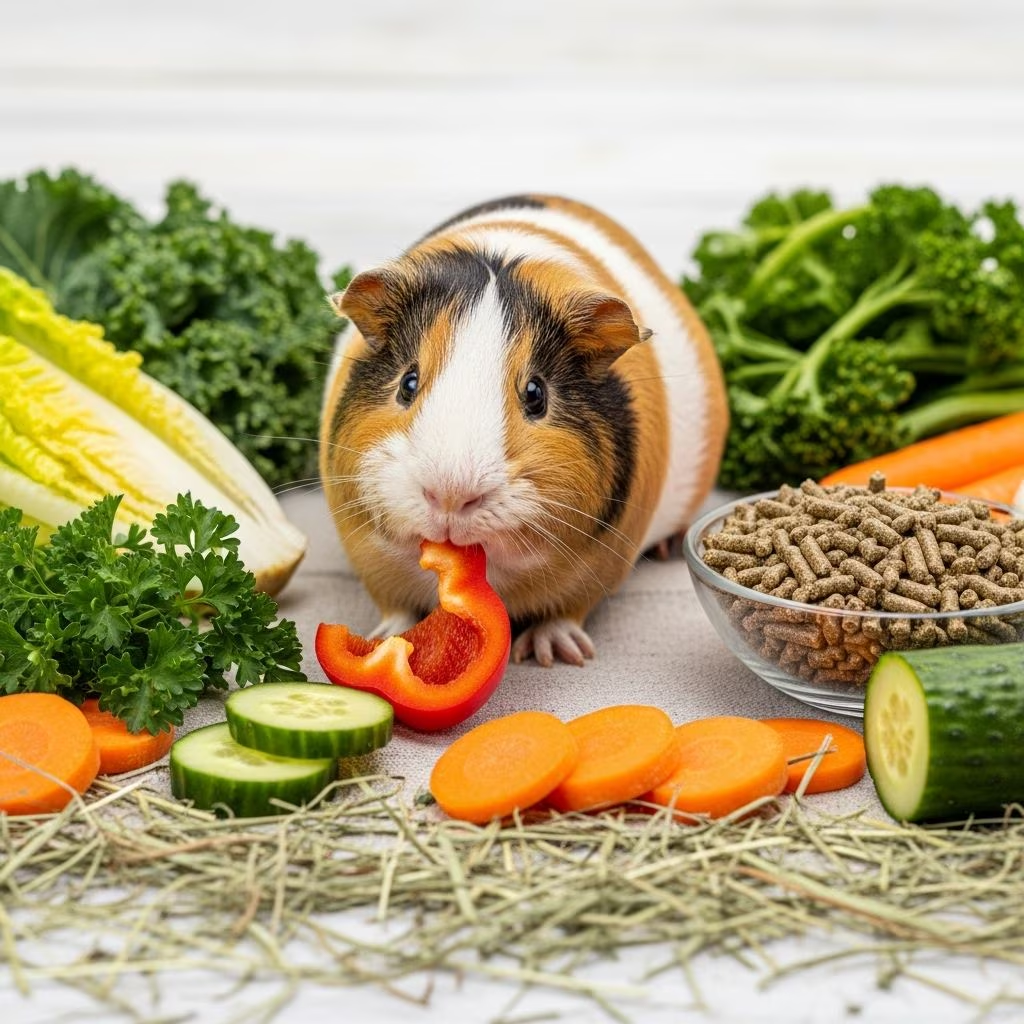
What Do Guinea Pigs Eat: A Complete Nutrition Guide
Guinea pigs are herbivorous animals that require a carefully balanced diet to maintain optimal health and longevity. Understanding what your guinea pig should eat is one of the most important aspects of pet ownership. Unlike many other small pets, guinea pigs have specific nutritional requirements, particularly their need for vitamin C, which their bodies cannot produce naturally. Providing the right diet helps prevent serious health conditions, including scurvy, dental disease, obesity, and gastrointestinal problems. This comprehensive guide covers everything you need to know about feeding your guinea pig.
Understanding Guinea Pig Dietary Needs
In their native South American habitat, wild guinea pigs consume a diverse diet consisting of grasses, leaves, plants, root vegetables, and other vegetation. Their digestive systems have evolved to process high-fiber plant matter continuously throughout the day and night. Pet guinea pigs require a diet that mimics this natural feeding pattern as closely as possible. The foundation of any healthy guinea pig diet is unlimited access to quality hay, supplemented with appropriate pellets, fresh vegetables, and vitamin C sources. Unlike humans, guinea pigs cannot manufacture their own vitamin C, making dietary supplementation essential to prevent scurvy and maintain a strong immune system.
The Role of Hay in Guinea Pig Nutrition
Hay is the cornerstone of a healthy guinea pig diet and should comprise at least 70-80% of your pet’s daily food intake. Fresh, high-quality grass hay should be available to your guinea pig at all times throughout the day. This continuous access serves multiple critical functions for your pet’s health and wellbeing.
Why Hay Is Essential
Hay plays several vital roles in maintaining guinea pig health. First, the high fiber content aids digestion and promotes healthy intestinal bacteria that support proper gastrointestinal function. Second, the act of chewing hay continuously helps wear down guinea pigs’ ever-growing teeth, preventing dental disease and malocclusion. Without adequate hay, guinea pigs can develop serious dental problems requiring veterinary intervention. Third, the mechanical action of chewing provides necessary exercise and mental enrichment for your pet.
Types of Hay for Different Ages
For guinea pigs over one year of age, timothy hay or orchard hay are the recommended options, as they are lower in calcium and provide appropriate fiber. Young guinea pigs under one year old should receive alfalfa hay, which provides essential additional calcium needed for proper bone development and growth. Timothy hay is the preferred choice for most adult guinea pigs because of its balanced nutritional profile and lower calcium content. Always ensure the hay is fresh, fragrant, and free from dust or mold, which can cause respiratory issues.
Commercial Guinea Pig Pellets
High-quality commercial pellets serve as an important nutritional supplement to hay and fresh vegetables in your guinea pig’s diet. However, pellets should not comprise the majority of their diet; rather, they should be offered in carefully measured portions alongside unlimited hay.
Choosing the Right Pellets
When selecting commercial guinea pig food, choose timothy-based pellets that are specifically formulated to include vitamin C. Avoid pellets that contain seeds, dried fruit, nuts, or other additions, as these products are typically too high in carbohydrates, fat, and sugar, which can lead to obesity and gastrointestinal upset. Look for pellets labeled as vitamin C-fortified, but remember that vitamin C degrades rapidly once the bag is opened and over time when exposed to air. Always purchase pellets in smaller quantities and store them properly to maximize the effectiveness of added vitamin C.
Appropriate Pellet Portions
Portion sizes for pellets vary depending on your guinea pig’s age. Young guinea pigs under six months old can have unlimited pellets available 24 hours daily, as they are still growing. After six months of age, pellet portions should be reduced to approximately 1/8 cup per day, or about 1/8 cup per 2 pounds of body weight. Pregnant, nursing, growing, or underweight guinea pigs may require larger portions, so consult your veterinarian for specific guidance based on your individual pet’s needs.
Fresh Vegetables and Leafy Greens
Fresh vegetables are an essential component of a guinea pig’s diet, providing crucial vitamin C and other nutrients that support overall health. Vegetables should be offered fresh, well-washed, and introduced gradually to prevent digestive upset.
Daily Vegetable Amounts
Guinea pigs should receive approximately 1/2 to 1 cup of fresh vegetables per day, though some sources recommend up to 1.5 cups daily depending on the variety offered. The key is providing adequate variety and ensuring consistent vitamin C intake. Fresh vegetables should be offered once daily, preferably at the same time each day to establish a routine.
Best Vegetables for Guinea Pigs
The foundation of your guinea pig’s vegetable intake should consist of dark, leafy greens, particularly those high in vitamin C. Excellent daily options include romaine lettuce, red and green leaf lettuce, mustard greens, turnip greens, cilantro, and parsley. Bell peppers (red, green, and yellow varieties) are exceptional choices because they offer high levels of vitamin C while remaining relatively low in problematic compounds. Other nutrient-rich options include cucumber, celery, and gem lettuce.
Vegetables to Offer Occasionally
Some vegetables should be offered less frequently or in limited quantities due to their nutritional composition. Carrots, zucchini, tomatoes, and sweet potatoes can be offered once or twice weekly as part of a varied diet. While these vegetables offer nutritional value, they are higher in sugar or other compounds that should be balanced with other food options.
Important Warnings About High-Oxalate Vegetables
Certain vegetables high in oxalates or calcium can contribute to bladder stone formation in susceptible guinea pigs, particularly those prone to calcium oxalate stones. Spinach, beet greens, chicory, kale, and parsley are high in both vitamin C and oxalates. While these vegetables can be offered, they should be given only in small amounts and not daily. If your guinea pig has a history of bladder stones or urinary issues, discuss appropriate vegetable choices with your veterinarian before including these items in your pet’s diet.
Fresh Fruits as Treats
Fresh fruits can be offered to guinea pigs as occasional treats, but should not comprise a significant portion of their diet due to high sugar content. Fruit should be offered once daily or several times per week in small portions.
High-Vitamin C Fruits
The best fruit choices are those high in vitamin C, including kiwis, strawberries, and citrus fruits such as oranges and tangerines. A small wedge of orange or a few pieces of kiwi provide excellent vitamin supplementation while satisfying your guinea pig’s natural desire for varied foods. Always offer only small portions, such as a thin slice of orange or several blueberries.
Other Acceptable Fruits
High-fiber fruits like apples and pears can be offered occasionally, though in very small amounts due to their sugar content. Blueberries, in small quantities, are another acceptable option. Avoid dried fruits entirely, as they are too concentrated in sugars and can cause serious gastrointestinal problems.
Vitamin C Requirements for Guinea Pigs
Guinea pigs require 10-50 mg of vitamin C daily, depending on their individual health status, age, stress level, and reproductive status. Young, pregnant, nursing, stressed, or ill guinea pigs require higher vitamin C intake than healthy adults. Unlike many animals, guinea pigs cannot synthesize their own vitamin C and are therefore susceptible to developing scurvy if vitamin C intake is insufficient.
Signs of Vitamin C Deficiency
Inadequate vitamin C can lead to serious health consequences, including a weakened immune system, abnormal bone and tooth development, and delayed wound healing. Scurvy can manifest as lethargy, poor appetite, rough coat quality, and reluctance to move due to joint pain.
Providing Adequate Vitamin C
While fresh vegetables and fruits provide some vitamin C, guinea pigs typically cannot consume sufficient produce daily to meet their complete vitamin C requirements. Therefore, all guinea pigs should receive a vitamin C supplement administered directly by mouth every day, either as a tablet or liquid formulation. Do not add vitamin C to drinking water, as the vitamin breaks down rapidly in water and loses potency quickly. Fresh pellets with added vitamin C also contribute to daily intake, but supplementation remains essential. Consult your veterinarian to determine the exact vitamin C dose appropriate for your specific guinea pig’s needs.
Foods to Avoid
Certain foods should never be offered to guinea pigs, as they can cause serious health problems or are nutritionally inappropriate for their digestive systems.
Never Feed Your Guinea Pig
Oats, seeds, nuts, and dry cereals should never be fed to guinea pigs, as they are too high in carbohydrates and fat, leading to obesity and other health issues. Avoid all processed foods, chocolate, avocado, and any foods intended for other species. Do not offer foods high in sugar or fat, as guinea pigs’ digestive systems are not adapted to process these nutrients. Never feed your guinea pig dairy products, meat, or any animal-derived proteins, as guinea pigs are strict herbivores.
Introducing New Foods
When introducing new vegetables, fruits, or other dietary items to your guinea pig, it is essential to do so gradually to avoid digestive upset. Introduce new foods one or two at a time over the course of several days, observing your guinea pig’s response carefully. If your guinea pig develops loose stools or diarrhea after introducing a new food, reduce the amount of fresh produce for several days before reintroducing it in smaller portions. Some guinea pigs have more sensitive digestive systems than others, so patience and careful observation are important when varying your pet’s diet.
Creating a Balanced Guinea Pig Diet
The ideal guinea pig diet follows this approximate breakdown: unlimited high-quality hay (70-80% of total diet), 1/8 cup of timothy-based pellets daily (for adult guinea pigs), 1/2 to 1 cup of fresh vegetables daily, and occasional small portions of fruit. This combination ensures your guinea pig receives adequate fiber for digestive health and tooth wear, essential nutrients including vitamin C, and appropriate calorie intake to maintain healthy body weight.
Water and Hydration
Fresh, clean water should be available to your guinea pig at all times. Guinea pigs typically drink water from bottles or bowls, and water should be changed daily to ensure freshness and prevent bacterial growth. A diet high in fresh hay and vegetables naturally provides significant moisture, but adequate fresh water remains essential for proper hydration and kidney function.
Common Dietary Health Issues
Nutritional imbalances in guinea pigs can lead to several serious health conditions. Obesity develops when guinea pigs consume excessive pellets, treats, or high-calorie vegetables without adequate hay. Dental disease results from insufficient hay and continuous chewing activity. Bladder stones can develop from excessive calcium intake or high oxalate consumption, particularly in susceptible individuals. Gastrointestinal problems, including serious diarrhea, can result from sudden dietary changes, excessive fruit consumption, or introduction of inappropriate foods. Scurvy develops from inadequate vitamin C intake and can cause severe pain and disability if left untreated.
Veterinary Guidance on Nutrition
Every guinea pig has individual nutritional needs based on age, size, health status, and medical history. It is recommended that guinea pigs receive annual veterinary examinations with a veterinarian experienced in exotic pet care, during which you can discuss your pet’s specific dietary requirements and make any necessary adjustments. If your guinea pig has a history of bladder stones, gastrointestinal problems, dental disease, or other health issues, your veterinarian may recommend specific dietary modifications tailored to address those conditions.
Frequently Asked Questions About Guinea Pig Nutrition
Q: Can guinea pigs eat unlimited vegetables?
A: No, vegetables should be limited to 1/2 to 1 cup daily to prevent digestive upset and maintain balanced nutrition. While vegetables are essential for vitamin C, excessive amounts can cause diarrhea or other gastrointestinal problems.
Q: How often should I change my guinea pig’s pellets?
A: Fresh pellets should be offered daily, and any uneaten pellets should be removed to prevent spoilage. Do not simply top up the bowl; instead, provide a fresh portion each day to maximize vitamin C content.
Q: Is timothy hay better than alfalfa for adult guinea pigs?
A: Yes, timothy hay is generally better for adult guinea pigs over one year old because it is lower in calcium. Alfalfa is higher in calcium and is more appropriate for young, growing guinea pigs.
Q: Do guinea pigs need vitamin C supplements if they eat vegetables?
A: Yes, even with a diet rich in vegetables, guinea pigs should receive a daily vitamin C supplement to ensure adequate intake. Fresh vegetables alone typically do not provide sufficient vitamin C to meet their requirements.
Q: Can guinea pigs eat iceberg lettuce?
A: While iceberg lettuce is not toxic, it offers minimal nutritional value and is primarily water. Instead, offer dark leafy greens like romaine, red leaf, or green leaf lettuce, which are more nutrient-dense.
References
- Feeding Guinea Pigs — VCA Animal Hospitals. 2024. https://vcahospitals.com/know-your-pet/guinea-pigs-feeding
- Guinea Pig Feeding Schedule and Dietary Needs — Humane Society. 2024. https://www.humaneworld.org/en/resources/guinea-pig-feeding
- Guinea Pig Nutrition and Diet — Winter Park Veterinary Hospital. 2024. https://wpvet.com/guinea-pigs-care-guides/guinea-pig-nutrition/
- A Healthy Diet for Guinea Pigs — RSPCA. 2024. https://www.rspca.org.uk/adviceandwelfare/pets/rodents/guineapigs/diet
- Nutrition for Guinea Pigs — UC Davis School of Veterinary Medicine. 2024. https://healthtopics.vetmed.ucdavis.edu/health-topics/exotics/healthy-shopping-guide-guinea-pigs
- Feeding Your Guinea Pig — Royal Veterinary College. 2022-12. https://www.rvc.ac.uk/beaumont-sainsbury-animal-hospital-guinea-pig-feeding-guidelines-and-advice-Dec-2022-NS.pdf
- Nutrient Requirements of the Guinea Pig — National Center for Biotechnology Information (NCBI). 2024. https://www.ncbi.nlm.nih.gov/books/NBK231932/



