

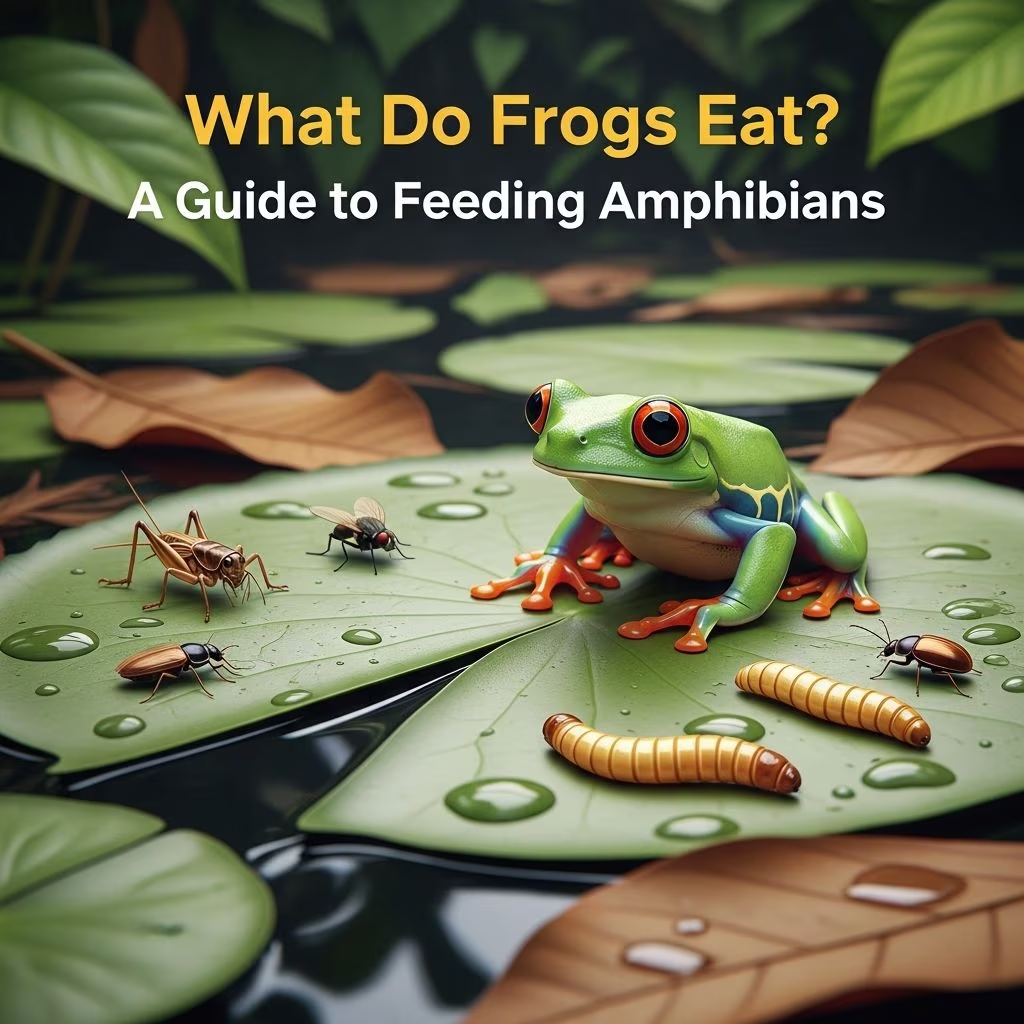
What Do Frogs Eat? A Guide to Feeding Amphibians
Frogs are fascinating creatures with diverse dietary needs that vary significantly depending on their species, habitat, and life stage. Understanding what frogs eat is essential for anyone keeping them as pets or studying them in their natural environments. Unlike humans, frogs don’t chew their food; instead, they swallow prey whole, which is why prey size matters considerably when feeding captive frogs. Most adult frogs are carnivorous insectivores, meaning they primarily consume insects and other small invertebrates, though some larger species have adapted to eat more substantial prey items.
Understanding Frog Diets in the Wild
In their natural habitats, frogs have evolved as generalist predators, eating whatever they can catch and consume. This adaptability has allowed them to thrive in diverse ecosystems around the world. The specific diet of any frog species depends heavily on its geographic location, habitat type, and the availability of prey in that environment. Terrestrial frogs living in forests have access to different prey than aquatic frogs living in ponds or streams, leading to significant dietary variations among different frog species.
Insects: The Primary Food Source
Terrestrial frogs consume a remarkable variety of insects, using their specialized hunting abilities to capture fast-moving prey with precision. Their diet is primarily composed of insects and other small invertebrates that form the foundation of their nutritional needs. For pet frogs in captivity, replicating this natural diet requires offering an assortment of appropriately-sized insects that have been properly prepared through a process called gut loading.
Gut loading significantly improves the nutritional value of feeder insects. This process involves feeding the insects a high-nutrient content feed for one to three days prior to offering them to your frog. This ensures that your pet receives maximum nutritional benefit from each meal. Additionally, dusting insects with calcium supplements helps meet your frog’s mineral requirements.
Common insects consumed by frogs include:
- Fly larvae
- Caterpillars
- Grasshoppers
- Crickets
- Dragonflies
- Mealworms
- Phoenix worms
- Waxworms (in limited quantities, as they are high in fat)
Waxworms deserve special attention because of their high fat content, which can potentially cause intestinal blockages if offered too frequently. They should be used as occasional treats rather than staple dietary components. When selecting feeder insects, variety is crucial for maintaining balanced nutrition and providing enrichment through natural predatory behavior.
Marine Food Sources for Aquatic Frogs
Aquatic frog species have naturally adapted to consume creatures that live in water environments. These frogs require different nutrition than their terrestrial cousins, necessitating the use of marine-based food sources. In captivity, aquatic frogs benefit from a specialized diet that reflects their aquatic habitat.
Appropriate marine food sources for aquatic frogs include:
- Bloodworms
- Brine shrimp
- Commercially made frog pellets containing fish meal and other marine ingredients
These food items provide the necessary protein and nutrients that aquatic frogs require to maintain optimal health. Commercially formulated pellets designed specifically for aquatic frogs can provide a more complete nutritional profile than live prey alone, as they often contain added vitamins and minerals that may be lacking in natural prey.
Small Prey Items for Larger Frog Species
Large frogs possess the physical capability to overpower and consume substantially larger prey items than smaller frog species. In the wild, adult frogs of significant size are carnivorous and rely on a diet high in protein to support their energy needs and body maintenance. Some of the most impressive examples include the goliath frog and African bullfrog, which have been known to consume vertebrate prey.
Small prey items that larger frogs may eat in the wild include:
- Small lizards
- Small fish
- Smaller frogs
- Other amphibians
- Small mammals such as pinkie mice (baby mice)
In captive settings, small fish can be offered as an occasional food source, though it is strongly recommended to discuss your frog’s specific nutritional plan with a qualified veterinarian before introducing new prey items. A veterinarian specializing in exotic animals can provide guidance tailored to your specific frog species and individual health needs.
The Importance of Dietary Variety
For most frogs in captivity, the key to a balanced and nutritious diet is a thoughtful mix of gut-loaded, calcium-dusted insects. The well-being of your pet frog depends significantly on dietary diversity, as different insects provide varying nutritional profiles. Alternating between different feeder insect species ensures that your frog receives a comprehensive range of nutrients necessary for optimal health and longevity.
Creating dietary variety can involve:
- Rotating between crickets, mealworms, and phoenix worms
- Occasionally offering waxworms as a high-fat treat
- Including wild-caught insects when safely available
- Supplementing with commercial frog pellets
- Providing gut-loaded feeder insects
Tadpole Nutrition: A Different Stage, Different Diet
The dietary requirements of frogs change dramatically as they develop from tadpoles into adult frogs. Tadpoles, which represent the larval stage of frogs, have fundamentally different nutritional needs compared to their adult counterparts. Most tadpoles are herbivorous or omnivorous, feeding primarily on algae and plant matter found in their aquatic environments. Some specialized tadpole species, such as those from certain dart frog species, even participate in oophagy, which is the consumption of unfertilized eggs produced by their mothers.
The dietary shift from herbivorous tadpoles to carnivorous adults is one of the most dramatic nutritional transitions in the animal kingdom. This change reflects their physical development, including the growth of their mouth and tongue, which becomes specifically adapted for capturing and consuming insect prey. Understanding this developmental dietary shift is crucial for anyone breeding frogs or maintaining tadpoles in captivity.
How Much Should I Feed My Frog?
Determining appropriate feeding amounts is essential for maintaining your frog’s health and preventing obesity-related complications. Generally, young frogs should be fed daily at night, while adult frogs require feeding only two to three times weekly. However, the frequency and amount of feeding always depend on your frog’s specific age and species, as different frog species have evolved different metabolic rates and feeding behaviors.
Some species of frogs are nocturnal and naturally prefer to feed at night, but many adapt well to daytime feedings in captivity. Observing your individual frog’s behavior can help you determine the optimal feeding time for your pet.
Portion Size Guidelines
A critical rule for feeding frogs is to offer prey items that are appropriately sized for your specific frog species. As a general guideline, frogs should never be fed items bigger than the space between their eyes. This fundamental rule prevents choking and ensures that your frog can swallow its food safely and completely.
Feed your frog as much as it can consume in 10 to 15 minutes. This timeframe helps prevent your frog from ingesting substrate (bedding material) while eating, which can cause serious digestive complications. Monitoring feeding behavior also allows you to observe your frog’s appetite and adjust quantities accordingly.
Preventing Obesity and Related Health Issues
Frogs are prone to obesity and will overeat if allowed unlimited access to food. Obesity in frogs can lead to serious health complications, including gastric impaction, which can be fatal if left untreated. To prevent overfeeding and maintain your frog’s healthy weight, consult with your veterinarian about appropriate body weight targets and daily food quantities specific to your frog.
Regular veterinary checkups with an exotic animal specialist are crucial for monitoring your frog’s weight, body condition, and overall health. A qualified veterinarian can assess whether your frog is maintaining an ideal weight and adjust feeding recommendations as needed.
Feeding Schedule Overview
Creating a consistent feeding schedule helps establish healthy eating habits and makes it easier to monitor your frog’s health and appetite. Below is a basic feeding schedule framework that can be adapted based on your individual frog’s needs and species requirements.
| Age Group | Feeding Frequency | Portion Size | Notes |
|---|---|---|---|
| Juvenile Frogs | Daily or every 1-2 days | 2-3 appropriately-sized insects | Young frogs have higher metabolic rates and require more frequent feeding |
| Adult Frogs | 2-3 times per week | 3-4 appropriately-sized insects | Adjust based on individual frog size and health status |
Remember that this schedule serves as a general guideline and should be adjusted based on your frog’s individual size, health status, and species-specific requirements. Some frogs may require more or less food depending on their metabolism, activity level, and overall health condition.
Frequently Asked Questions About Frog Diets
Q: What is the best size for feeder insects?
A: Feeder insects should never be larger than the space between your frog’s eyes. This prevents choking hazards and ensures safe swallowing. Always select appropriately-sized prey for your specific frog species.
Q: How often should I gut load feeder insects?
A: Gut load feeder insects for one to three days before offering them to your frog. This process significantly improves the nutritional value of the insects and ensures your frog receives maximum nutritional benefit from each meal.
Q: Can frogs eat commercial pellets?
A: Yes, commercial frog pellets can provide nutritionally complete diets, particularly for aquatic species. These diets often contain minerals and vitamins that may not be present in live prey items alone. A combination of live insects and commercial pellets creates a well-rounded diet.
Q: What should I do if my frog is overweight?
A: Consult with an exotic animal veterinarian to determine your frog’s ideal weight and adjust feeding amounts accordingly. Overweight frogs are prone to obesity-related health complications, so professional guidance is essential.
Q: Are waxworms safe for frogs?
A: Waxworms are high in fat and should be offered in limited quantities due to the risk of intestinal blockages. Use them as occasional treats rather than staple food items.
Q: How do tadpole diets differ from adult frog diets?
A: Tadpoles are primarily herbivorous or omnivorous, feeding on algae and plant matter, while adult frogs are carnivorous insectivores. This dietary shift reflects their physical development and adaptation to different ecological niches.
Creating a Balanced Diet for Your Pet Frog
The nutritional needs of your frog will vary significantly based on species, age, and individual health status. Research your specific frog species thoroughly to understand its unique dietary requirements and feeding behaviors. Consult with a qualified veterinarian specializing in exotic animals to develop a customized feeding plan that addresses your individual frog’s nutritional needs.
Success in frog keeping depends on understanding that there is no universal one-size-fits-all feeding schedule. By combining varied, gut-loaded insects with appropriate portion sizes, maintaining consistent feeding schedules, and working with veterinary professionals, you can ensure your pet frog receives optimal nutrition throughout its life.
References
- What Do Frogs Eat? — Britannica. 2025. https://www.britannica.com/science/What-Do-Frogs-Eat
- What Do Frogs Eat? A Guide to Feeding Amphibians — Chewy. 2025. https://www.chewy.com/education/reptile-and-amphibian/frog/what-do-frogs-eat
- What Do Frogs Eat? — PetMD. 2025. https://www.petmd.com/reptile/nutrition/what-feed-your-frog
- Frog & Toad Diet: Pet Feeding Guide — Mr. Amphibian. 2025. https://www.mramphibian.com/frog-diet/
- The Food of Frogs in a Tropical Forest — The Australian Museum Blog. 2023. https://australian.museum/blog/amri-news/the-food-of-frogs-in-a-tropical-forest/
- Frogs and their Diets: Some Interesting Exceptions — Zoo Atlanta. 2025. https://zooatlanta.org/frogs-and-their-diets-some-interesting-exceptions/



