

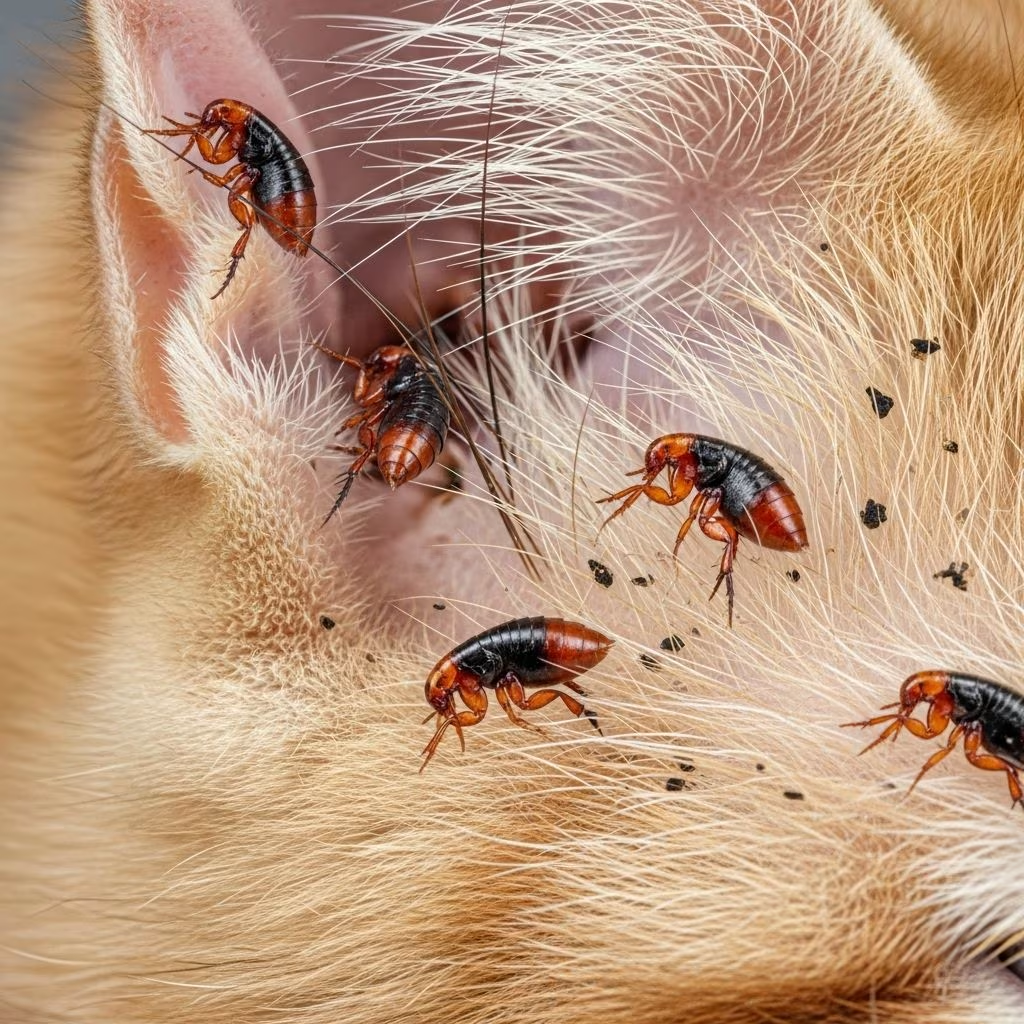
What Do Fleas Look Like on Cats: A Complete Identification Guide
Fleas are among the most common parasites that affect cats, yet many pet owners struggle to identify them. These tiny bloodsucking insects can infest your feline companion quickly and cause significant discomfort. Understanding what fleas look like is the first crucial step in protecting your cat from infestation and taking prompt action if you suspect a problem. This comprehensive guide will help you identify fleas on your cat and learn where to look for these elusive pests.
Understanding Flea Anatomy and Size
Fleas are extremely small creatures, making them difficult to spot with the naked eye. The size of a flea is approximately equivalent to the size of the end of a writing pin—roughly 1-3 millimeters in length. Despite their diminutive size, fleas pack a powerful punch when it comes to causing problems for your cat. These wingless insects have a distinctive flattened body shape, which allows them to navigate easily through your cat’s fur and hide from detection.
The flattened body structure of fleas serves an important evolutionary purpose. This design enables them to move swiftly through dense fur and burrow deep into the coat where they can feed on your cat’s blood undisturbed. Additionally, their compact frame allows them to squeeze into tight spaces and crevices on your pet’s body, making them remarkably adept at evading both your cat’s grooming efforts and your visual inspection.
Flea Color and Physical Characteristics
Adult fleas typically display a dark reddish-brown to black coloration. However, the exact shade can vary depending on whether the flea has recently fed. A well-fed flea may appear darker and more engorged, while an unfed flea may look slightly lighter in color. This color variation can sometimes make identification more challenging, as the flea’s appearance changes based on its feeding status.
When examining your cat’s skin for fleas, keep in mind that these insects are extremely agile and fast-moving. They have powerful hind legs that allow them to jump considerable distances relative to their body size. This means that by the time you spot movement in your cat’s fur, the flea has likely already moved to another location. Their speed and evasive nature explain why many cat owners never actually see a living flea despite having an active infestation.
The Flea Life Cycle and Its Stages
Understanding the complete flea life cycle is essential for effective identification and treatment. Fleas progress through four distinct life stages: egg, larva, pupa, and adult. Of these four stages, only the adult flea lives on your cat’s body. The other three stages develop in the surrounding environment, which is why comprehensive flea treatment must address both your pet and your home.
Adult female fleas lay eggs directly on your cat’s body. These eggs are incredibly tiny and often fall off into the environment, particularly settling into warm, soft fabrics such as carpets, pet beds, blankets, and upholstered furniture. The eggs hatch into larvae within 2-5 days, and these larvae burrow deep into carpet fibers and other materials to avoid light and disturbance. After the larval stage, fleas enter the pupal stage, during which they develop a protective cocoon. Finally, they emerge as adult fleas ready to seek out a host. This life cycle can be completed in as little as two weeks under ideal conditions, which explains why flea infestations can escalate so rapidly.
Where Fleas Hide on Your Cat
Fleas do not randomly distribute themselves across your cat’s body. Instead, they tend to congregate in specific areas where they can most easily access the skin and remain hidden from view. Knowing these preferred locations will help you conduct more effective inspections.
Primary flea hotspots include:
- The hindquarters and base of the tail
- The belly and abdominal area
- The groin region
- Under the chin
- Behind and inside the ears
- Between the toes
- The neck area
These areas are preferred by fleas because they offer easy access to the skin while remaining relatively hidden within your cat’s fur. The warm, moist environment in these spots also creates ideal conditions for flea survival and reproduction. When performing a flea check on your cat, make sure to thoroughly examine each of these locations, as fleas can be present even if you don’t detect them immediately.
Identifying Flea Dirt: The Most Common Sign
Many cat owners never actually see a live flea on their pet, yet their cats clearly have an infestation. This is because flea dirt—the feces of fleas consisting primarily of digested blood—is often more visible than the fleas themselves. Flea dirt appears as tiny black or dark brown granules that resemble pepper or ground coffee scattered throughout your cat’s fur.
To distinguish flea dirt from regular dirt or debris, there is a simple test you can perform at home. Collect some of the suspect material and place it on a piece of white paper or paper towel. Add a few drops of water to the granules. If the material turns a rust or reddish color as it dissolves, you have confirmed the presence of flea dirt, which indicates an active flea infestation. This rust-colored residue comes from the blood that the fleas have consumed and excreted. Regular dirt will simply become damp without changing color, making this test an effective diagnostic tool.
Flea dirt is typically found in the same areas where live fleas congregate: the hindquarters, base of the tail, abdomen, groin, and other warm, hidden areas of your cat’s body. In many cases, flea dirt is the first and most obvious sign of infestation that you’ll notice.
How to Conduct a Thorough Flea Inspection
Performing regular flea checks on your cat is one of the most important preventative measures you can take. Here’s how to conduct a thorough inspection:
Step 1: Create a Calm Environment
Choose a time when your cat is relaxed and comfortable. A well-lit area will help you see fleas and flea dirt more clearly. Some cats may be sensitive to having their fur parted and skin examined, so approach gently and with patience.
Step 2: Part the Fur Systematically
Using a fine-toothed flea comb or your fingers, part your cat’s fur in small sections, working systematically from head to tail. Focus particularly on the areas mentioned earlier where fleas prefer to hide. Push the fur apart so you can see the skin clearly.
Step 3: Look for Live Fleas and Movement
Watch carefully for tiny dark insects moving through the fur. Look for sudden movement or quick changes in position. Live fleas are rare to spot, but if you do see them, they will be obvious due to their rapid movement.
Step 4: Check for Flea Dirt
Examine the areas you’ve parted for black or dark brown granules. If you find suspicious material, apply the water test described above to confirm whether it’s flea dirt.
Step 5: Feel for Bumps and Irritation
Gently run your fingers across your cat’s skin, feeling for any unusual bumps, scabs, or areas of irritation. Flea bites can cause localized inflammation and redness.
Distinguishing Fleas from Other Skin Conditions
Cat owners sometimes confuse fleas with other skin conditions or debris. Understanding the differences is important for accurate identification. Fleas are insects with legs and distinct body segments, while dirt particles lack these features. Flea dirt is uniform in appearance and distributed throughout affected areas, whereas regular dirt is more randomly scattered. Additionally, if you suspect fleas but perform the water test on flea dirt and it turns rust-colored, you can confidently rule out simple dirt contamination.
Skin scabs, bumps from other conditions, and fungal infections can also be mistaken for fleas or flea-related problems. However, these conditions typically have different distributions on the body and different characteristics. When in doubt, consult your veterinarian for a professional diagnosis.
Signs Your Cat Has Fleas Beyond Visual Inspection
While visual identification is important, behavioral and physical signs can also indicate a flea infestation. Many cats with fleas display excessive grooming or scratching, particularly around the hindquarters, base of the tail, and abdomen. You may notice hair loss in these areas as your cat over-grooms in response to flea bites. Some cats develop skin irritation, redness, or scabs from constant scratching and biting.
In cases of heavy infestation, cats may develop anemia, which can cause pale gums and lethargy. Flea allergy dermatitis, a condition where cats develop an allergic reaction to flea saliva, can cause severe itching and skin problems even with minimal flea numbers present. If your cat displays any of these signs, a veterinary visit is warranted.
Why Professional Identification Matters
If you discover what you believe to be fleas on your cat, it’s important to seek professional veterinary confirmation. Veterinarians have the expertise and tools to definitively identify fleas and rule out other conditions that may mimic flea infestations. Additionally, your veterinarian can recommend the most appropriate treatment for your specific cat and situation.
Early identification and treatment are crucial for preventing a minor infestation from becoming a widespread problem. If you find even a single flea on your cat, this indicates a more significant infestation, as adult fleas on the host are relatively rare compared to the immature stages developing in the environment.
Frequently Asked Questions About Cat Fleas
Q: How small are fleas, and can I see them with the naked eye?
A: Fleas are approximately 1-3 millimeters long, roughly the size of the tip of a pen. While they can technically be seen with the naked eye, their small size, speed, and flattened body shape make them extremely difficult to spot. Many infestations are identified through flea dirt rather than the fleas themselves.
Q: What does flea dirt look like, and how can I confirm it?
A: Flea dirt appears as tiny black or dark brown granules resembling pepper or ground coffee scattered in your cat’s fur. To confirm it’s flea dirt and not regular dirt, place the material on white paper, add water, and observe if it turns a rust or reddish color. This color change indicates the presence of digested blood from fleas.
Q: Where on my cat’s body are fleas most likely to be found?
A: Fleas prefer warm, hidden areas of the body where they can easily access skin. Common locations include the hindquarters, base of the tail, belly, groin, behind and inside the ears, under the chin, neck, and between the toes.
Q: How can I differentiate between a flea and a skin bump or scab?
A: Fleas are insects with visible legs and distinct body segments, whereas skin bumps or scabs lack these features. Additionally, fleas move quickly, while other skin conditions remain stationary. If you’re uncertain, consult your veterinarian for professional identification.
Q: What does the flea life cycle look like, and why is it important to know?
A: Fleas have four life stages: egg, larva, pupa, and adult. Only adult fleas live on your cat’s body; the other stages develop in your home environment. Understanding this cycle is crucial because it explains why treating just your cat isn’t enough—you must also treat your home to break the cycle and prevent re-infestation.
Q: If I find a flea on my cat, does that mean my cat has a severe infestation?
A: Yes, finding an adult flea on your cat generally indicates a significant infestation. Adult fleas on the host are relatively rare because most of the population exists as eggs, larvae, and pupae in the environment. If you spot a live flea, seek veterinary treatment promptly.
Q: Can indoor cats get fleas?
A: Yes, indoor cats can get fleas. Fleas can enter homes through wildlife, other animals, or even on clothing and shoes. Once inside, they can infest indoor-only cats just as easily as outdoor cats. Regular preventative treatment is recommended for all cats regardless of their indoor or outdoor status.
Q: How often should I check my cat for fleas?
A: If your cat spends time outdoors or is at risk of exposure, perform daily flea checks. For indoor-only cats, weekly checks are typically sufficient as part of routine grooming and health monitoring. Regular checks help catch infestations early before they become severe.
References
- A Vet’s Guide to Flea, Tick & Worming for Cats — Pet Circle. Last Updated: 22/09/2025. https://www.petcircle.com.au/discover/flea-tick-worming-guide-cat
- How to Spot the Signs of Ticks on Cats — Your Pet and You (Elanco). Accessed via Elanco’s official pet health resources. https://yourpetandyou.elanco.com/us/parasites/ticks/how-to-find-ticks-on-cats
- Ticks On Cats: Identification, Symptoms & Removal — Greencross Vets. Professional veterinary resource. https://www.greencrossvets.com.au/pet-library/articles-of-interest/ticks-on-cats-guide-2/
- Common Signs of a Flea or Tick Infestation in Your Cat — HP Animal Hospital. Veterinary clinical guidance. https://www.hpanimalhospital.com/services/cats/fleas-and-ticks-cats
- Kitten Flea and Tick Prevention in Dillsburg, PA — Timberview Veterinary Clinic. Professional flea identification guidance. https://www.timberviewvet.com/kitten-flea-and-tick-prevention/



