

What Do Fish Eat: A Complete Guide to Aquarium Fish Nutrition
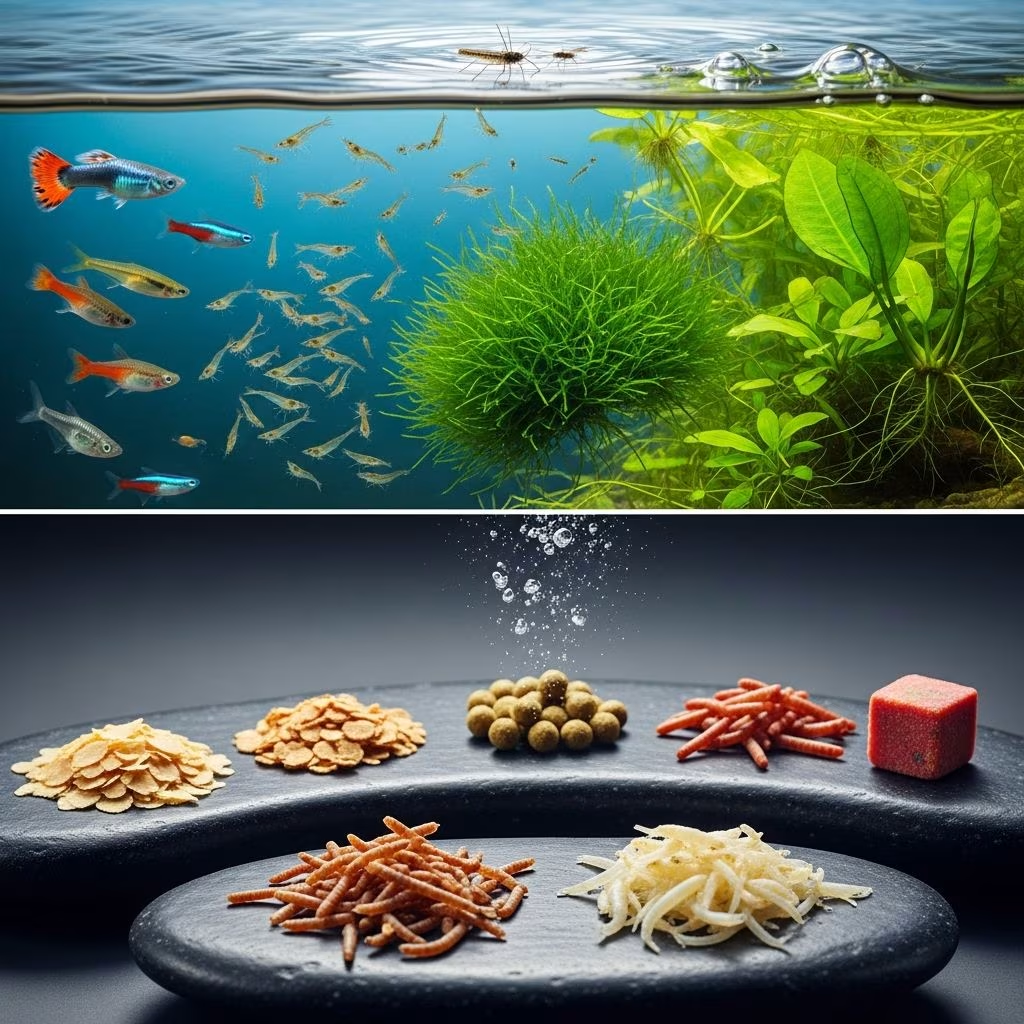
Feeding your aquarium fish correctly is one of the most fundamental aspects of fishkeeping. Just like any other pet, fish require a balanced diet to maintain optimal health, vibrant colors, and strong immunity. However, the nutritional needs of fish vary significantly depending on their species, size, age, and natural habitat. Understanding what fish eat and how to provide appropriate nutrition is essential for every aquarium owner. This comprehensive guide explores the different types of fish food, nutritional requirements, feeding schedules, and species-specific dietary needs to help you keep your aquatic pets thriving.
Understanding Fish Nutrition Basics
Fish require a balanced diet that includes proteins, fats, carbohydrates, vitamins, and minerals to maintain proper health and function. Each of these nutrients plays a crucial role in fish development, growth, and overall well-being.
Protein and Amino Acids: Amino acids are the basic building blocks of proteins and are essential for muscle development, tissue repair, and enzyme production. Protein requirements are species-specific, with carnivorous fish needing a greater percentage of proteins than herbivorous species. High-quality proteins should constitute 40-60% of a carnivore’s diet and 25-40% for omnivores.
Fats and Lipids: Fats provide energy for fish and are essential for maintaining healthy skin and scales. They also play a vital role in the absorption of fat-soluble vitamins and support brain function.
Carbohydrates: Carbohydrates supply additional energy for all the swimming and daily activities fish perform. Carbs should typically make up 25-40% of the diet for omnivore fish and less than 20% for carnivores. Sources include peas, beans, yeast, and nuts.
Fiber: Fiber content should typically make up less than 5% in most fish diets. Fiber is important for intestinal health, motility, and inhibiting inflammation in the intestines.
Vitamins and Minerals: These micronutrients support immune function, bone development, and metabolic processes. They are particularly important for young fish and breeding pairs.
Types of Fish Food
Pellet Foods
Pellet foods are among the most popular and convenient options for feeding aquarium fish. Pelleted diets are more nutrient-stable than flakes and come in various sizes to accommodate different fish species. Pellets sink at different rates, making them suitable for surface feeders, mid-water swimmers, and bottom feeders. Quality pellets are formulated to provide complete nutrition and are less likely to cause water pollution compared to other food types.
Flake Foods
Flake foods are the most common and can offer a stable diet for herbivores and carnivores. They float on the water surface initially, making them ideal for fish that feed at the top of the tank. However, flakes can break down quickly in water and may contribute to water quality issues if not consumed promptly.
Freeze-Dried Foods
Freeze-dried foods retain most of the nutritional value of fresh foods while offering extended shelf life and convenience. They include options like freeze-dried bloodworms, brine shrimp, and tubifex worms. These foods are lightweight and dispersible, though they should typically be soaked in water before feeding to prevent bloating in fish.
Frozen Foods
Frozen foods provide excellent nutritional value and variety to your fish’s diet. Many carnivorous aquarium fish are happy to eat frozen food, and there are now also dry foods that are formulated to meet the needs of carnivores among ornamental fish. Common frozen options include bloodworms, brine shrimp, daphnia, and mysis shrimp. Frozen foods should be thawed before feeding and used within the recommended timeframe after opening.
Live Foods
Live foods offer maximum nutritional value and encourage natural hunting behaviors in fish. Live food options include brine shrimp, daphnia, copepods, blackworms, tubifex worms, and other microorganisms. Live foods are particularly beneficial for young fish, breeding pairs, and species with specialized dietary needs.
Live Food Options for Your Aquarium
Live foods provide superior nutrition and behavioral enrichment compared to processed alternatives. They stimulate natural feeding responses and often contain higher levels of essential nutrients.
Brine Shrimp
Baby brine shrimp are micronutrient-dense and excellent for encouraging natural hunting behavior. Their high protein content makes them ideal for a variety of fish species, from clownfish to tangs. For added benefits, consider fortifying brine shrimp with vitamins and fats before feeding. Brine shrimp are particularly valuable for raising young fish and conditioning breeding pairs.
Mysis Shrimp
Mysis shrimp are nutritious and rich in protein, minerals, and vitamins, making them ideal for larger fish, corals, and invertebrates. These tiny crustaceans are packed with essential fats and proteins and support healthy development and growth. Mysis shrimp are especially beneficial for seahorses and sensitive species like pipefish.
Copepods
Copepods are microcrustaceans that provide high levels of omega-3 fatty acids and antioxidants. Because of their size, they are useful for small fish and juvenile fish. Copepods naturally occur in marine environments and support nutrition and immune function.
Daphnia
Daphnia species, commonly Daphnia Pulex or Moina, vary in size but are approximately 50% protein and high in carotenoids. They can be cultivated in live cultures or purchased freeze-dried. Daphnia are excellent for developing young fish and improving color in adult fish.
Blackworms
Blackworms are a good choice for more substantial fresh food. Their natural, wiggling motion actively engages fish and fosters reflexive hunting. They are rich in nutrients and particularly beneficial for conditioning breeding pairs.
Tubifex Worms
Tubifex worms are a rich source of nutrients, especially protein and essential fatty acids. They are ideal for live fish such as loaches and catfish and encourage natural feeding. Their high cholesterol content is beneficial for pre-spawning fish and developing the bright colors seen in cichlids.
Infusoria and Micro Organisms
Infusoria and other microscopic organisms are essential for raising fry and providing food for filter-feeding fish. These tiny organisms can be cultured in simple aquarium setups and provide complete nutrition for newly hatched fish.
Feeding Fish by Diet Type
Carnivorous Fish
Carnivorous aquarium fish require diets high in protein, typically 40-60% of total food composition. Typical carnivores for the aquarium include Siamese fighting fish, predatory tetras, angelfish, South American cichlids, African cichlids, snakeheads, knifefish, pike, and predatory catfish. Many carnivorous fish are very happy to eat frozen food, and there are now also dry foods formulated to meet their nutritional needs. Live foods like brine shrimp, bloodworms, and small crustaceans should be offered regularly to provide optimal nutrition and stimulate natural behaviors.
Herbivorous Fish
Herbivorous fish require plant-based foods, including vegetables and algae-based formulations. They thrive on specialized pellets containing spirulina and other plant materials. Although not a living organic food source, algae can be an important part of a diet, especially for herbivorous fish. Algae not only provide important nutrients but also contribute to the natural balance of the habitat.
Omnivorous Fish
Omnivorous fish require a balanced combination of plant and animal components in their diet. A diet for omnivorous aquarium fish consists of both plant and animal components, though the proportion may shift depending on the specific species. You can supplement food for omnivorous fish with frozen food or live food if more animal content is required. If the focus of the fish diet is more on plant food, add soft vegetables such as tomato or pumpkin, scalded greens such as spinach or dandelion, or special plant-based food.
Specialized Feeders: Molluscivores
Some fish have highly specialized diets requiring live snails as their primary food source. Snail eaters need live snails; in some cases you can switch them to dry snails and supplement their diet with mosquito larvae and similar live or frozen food—but there is no getting around feeding live snails if you want to feed the snail-eaters among aquarium fish in a species-appropriate way. Classic snail eaters include various loaches and puffer fish.
Limnivores (Growth Eaters)
Limnivorous fish are often mistakenly called algae eaters, but they actually feed on the growth on stones and wood. The growth naturally includes algae, but also protein-rich biofilms of microorganisms and even tiny food animals that live in the algae tufts—this is why limnivores are actually classified as omnivores. You can feed bottom-dwelling growth eaters well with sinking food tabs, cookies, and wafers. Open water growth eaters will also happily take common food for omnivorous aquarium fish. Commonly kept growth eaters include limnivorous suckermouth catfish, fouling loaches, fringe lippers, veiltail goldfish, and some goby and cichlid species.
Saltwater vs. Freshwater Fish Diets
Saltwater Fish Foods
Saltwater fish have unique nutritional requirements and benefit greatly from live food options. Live feed options can make a big difference when maintaining a vibrant, healthy saltwater habitat. Brine shrimp are micronutrient-dense and ideal for encouraging natural hunting behavior in marine species. Mysis shrimp provide essential fats and proteins supporting healthy development. Copepods offer high levels of omega-3 fatty acids and antioxidants beneficial for marine fish. Additionally, phytoplankton and live algae improve coral health, color, and growth and are a great way to increase marine biodiversity.
Freshwater Fish Foods
Freshwater fish typically thrive on pellets, flakes, and live foods including daphnia, tubifex worms, and other organisms available through culture kits. Goldfish are omnivores so they eat both plants and animals and will eat both sinking and floating pellets. Koi fish are omnivorous and eat a maintenance pelleted diet with lower protein when pond temperatures are below 65°F and can eat a higher protein food in temperatures above 65°F.
Species-Specific Feeding Guide
| Fish Species | Diet Type | Preferred Foods | Feeding Frequency |
|---|---|---|---|
| Goldfish | Omnivore | Pellets, vegetables, live food | 1-2 times daily |
| Angelfish | Carnivore | Bloodworms, brine shrimp, small pellets | 2-3 times daily |
| Tetras | Omnivore | Small pellets, flakes, live food | 2 times daily |
| Plecos | Limnivore | Algae wafers, vegetables, sinking pellets | 1 time daily |
| Cichlids | Omnivore/Carnivore | Pellets, vegetables, live food | 1-2 times daily |
| Bettas | Carnivore | Betta pellets, bloodworms, live insects | 1 time daily |
| Corydoras Catfish | Omnivore | Sinking pellets, bloodworms, vegetables | 1-2 times daily |
Proper Feeding Practices and Schedule
Establishing a proper feeding schedule is critical for maintaining water quality and preventing health issues. Most adult fish should be fed once or twice daily, with the amount being only what they can consume in 2-3 minutes. Overfeeding is one of the most common mistakes in fishkeeping and can lead to serious health issues like obesity, swim bladder disease, and poor water quality.
Young fish and fry require more frequent feeding, often 3-4 times daily in smaller portions. Breeding fish should be conditioned with high-quality foods offered multiple times daily for several weeks before spawning. During winter months or when water temperatures drop, many fish require less food as their metabolism slows.
Always choose food appropriate for the fish’s species, age, and health needs. Consider the natural feeding position of your fish—whether they are surface feeders, mid-water swimmers, or bottom feeders—and select foods that will reach them appropriately.
Nutritional Considerations and Supplementation
Fish food should ideally provide fish with fat for energy and amino acids, building blocks of proteins. The fish food, whether flake or pellet, must be speedily digested to prevent buildup of intestinal gas, kidney failure, and infections such as swim bladder problems and dropsy, and to avoid aquarium pollution due to excessive ammonia.
Squid meal is made from squid viscera portions from cannery plants and is a highly digestible protein source for fish providing a full range of amino acids, vitamins, minerals, and cholesterol suitable for fish fry and young fish. Soybean meal is a high protein source for fish and has become a substitute for traditionally used marine animal meals.
Many show-quality or breeding fish benefit from foods enhanced with carotenoids to improve coloration. Fish that are used for shows or breeding often have added carotenoids in their food to improve bright coloration. Additionally, supplements containing calcium and minerals are important for invertebrates and fish requiring hard water conditions.
Vacation and Emergency Feeding
When you need to leave your fish for extended periods, vacation feeding blocks are available but should not be relied upon as primary nutrition for more than a few days. Automatic feeders can help maintain regular feeding schedules during brief absences. For longer vacations, consider having a trusted friend or hiring a pet sitter to maintain your normal feeding routine.
Common Feeding Mistakes to Avoid
Understanding common feeding errors can help you maintain optimal fish health. Overfeeding is the most prevalent mistake, leading to poor water quality and health issues. Feeding inappropriate foods for the species can result in nutritional deficiencies. Using only one type of food limits nutritional variety and may cause imbalances. Failing to account for seasonal temperature changes and metabolism fluctuations can lead to overfeeding during cooler months. Not considering the fish’s age, size, and life stage may provide inadequate or excessive nutrition.
Frequently Asked Questions
Q: How often should I feed my fish?
A: Most adult fish should be fed once or twice daily with portions they can consume in 2-3 minutes. Young fish and fry require more frequent feeding, often 3-4 times daily in smaller portions.
Q: Can I feed my fish only dry food?
A: While high-quality pellets and flakes can provide complete nutrition, offering variety with frozen and live foods enhances health and provides behavioral enrichment. Combining food types ensures more complete nutrition.
Q: What is the best food for growing young fish?
A: Young fish benefit most from live foods like infusoria, micro worms, and newly hatched brine shrimp, which are smaller in size and rich in essential nutrients for development.
Q: How do I know if I’m overfeeding my fish?
A: Signs of overfeeding include uneaten food accumulating on the tank floor, cloudy water, foul odors, and fish with visibly distended bellies. Excess food decays and pollutes the water.
Q: Can I give my fish vegetables?
A: Yes, many fish enjoy vegetables like blanched peas, spinach, zucchini, and pumpkin. Herbivorous and omnivorous species especially benefit from regular vegetable supplementation.
Q: What is the difference between pelleted and flake food?
A: Pelleted diets are more nutrient-stable than flakes and sink at controlled rates, making them suitable for different tank levels. Flakes float initially and may break down quickly, contributing to water issues.
Q: Are live foods necessary for my fish?
A: While not strictly necessary, live foods provide superior nutrition and encourage natural hunting behaviors. They are especially beneficial for fry, breeding fish, and species with specialized dietary needs.
References
- Live Food For Aquarium Fish: Types And Benefits — Eastern Marine Aquariums. 2024. https://easternmarineaquariums.co.nz/blogs/uncategorized/live-food-for-aquarium-fish-types-and-benefits
- Aquarium Fish Feed — Wikipedia. 2024. https://en.wikipedia.org/wiki/Aquarium_fish_feed
- Buying Fish Food — But Which One? The Different Types of Aquarium Fish Food — Garnelio. 2024. https://www.garnelio.de/en/blog/nutrition/buying-fish-food-but-which-one-the-different-types-of-aquarium-fish-food
- What Do Fish Eat? Your Guide To Feeding Pet Fish — PetMD. 2024. https://www.petmd.com/fish/what-do-fish-eat-your-guide-feeding-pet-fish



