

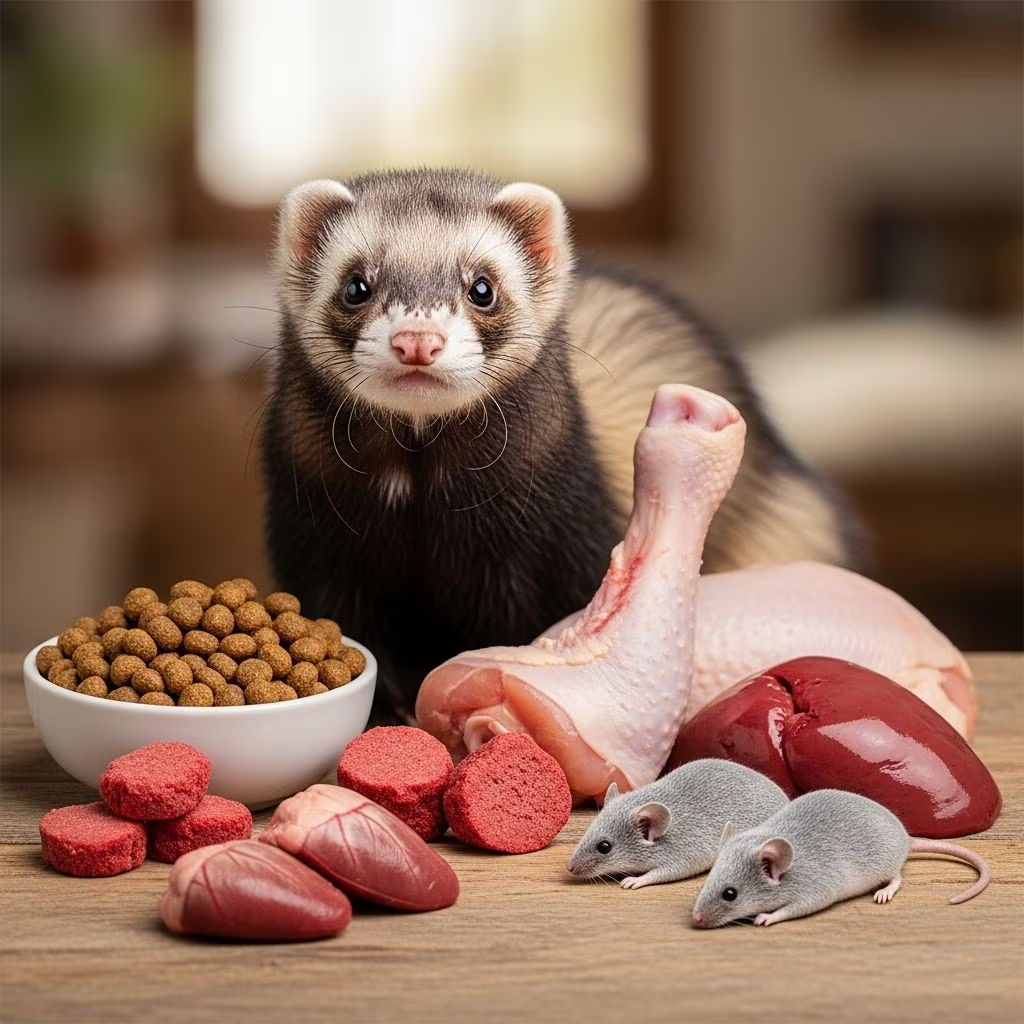
What Do Ferrets Eat? Complete Guide to Ferret Nutrition
Ferrets are fascinating and energetic pets that require specialized nutrition to thrive in captivity. Unlike many other domesticated animals, ferrets have unique dietary needs that stem from their status as obligate carnivores. Understanding what ferrets eat and how to properly nourish them is essential for any ferret owner who wants to ensure their pet’s long-term health and wellbeing. This comprehensive guide explores ferret nutrition in detail, covering everything from basic dietary requirements to feeding schedules and treats.
Understanding Ferret Digestive Systems
Ferrets possess a fundamentally different digestive system compared to many other domesticated pets. Their gastrointestinal tract is relatively simple and short, which means food passes through their system quickly. This rapid digestive process has significant implications for their nutritional requirements and what types of food they can effectively process.
Because of their efficient but limited digestive capacity, ferrets cannot effectively break down and utilize complex carbohydrates and plant-based proteins the way other animals can. Their digestive system evolved to process whole prey items, extracting maximum nutrition from high-protein and high-fat foods while minimizing carbohydrate intake. This evolutionary adaptation means that ferrets require a diet that closely mirrors what they would consume in the wild.
Ferrets Are Obligate Carnivores
The most important concept to understand about ferret nutrition is that ferrets are strict obligate carnivores. This designation means that ferrets cannot survive on plant-based diets and require animal-derived proteins and fats as the foundation of their nutrition. In their natural state, wild ferrets consume small prey animals such as rabbits, rodents, and birds, consuming nearly the entire animal including organs, bones, and organs.
In captivity, the only plant material ferrets would naturally consume comes from the stomach contents of their prey. This is an important distinction because it means that fruits, vegetables, grains, and other plant-based foods are not appropriate components of a ferret’s diet, regardless of how appealing they may seem.
Essential Nutritional Requirements for Ferrets
Proper ferret nutrition requires careful attention to specific nutrient levels. A high-quality ferret diet should meet the following nutritional standards:
Protein Content
Ferrets require significantly higher protein levels than most other domesticated animals. A quality ferret diet should contain between 32-40% protein, with many experts recommending at least 35-40% for optimal health. This high protein requirement reflects their natural diet of whole prey animals and their body’s need for essential amino acids that support their rapid metabolism.
Fat Content
Fat serves as a primary energy source for ferrets and should comprise at least 15-20% of their diet, with some sources recommending up to 20% or higher. Fat metabolism produces twice as much energy as either protein or carbohydrates, making it crucial for supporting ferrets’ high metabolic rates. When evaluating ferret food, look for a protein-to-fat ratio of approximately 2:1.
Fiber and Carbohydrate Content
Ferrets cannot effectively digest high levels of fiber or complex carbohydrates. A quality ferret diet should contain less than 3-5% fiber and minimal carbohydrates. Diets high in grains, starch, or plant-based ingredients can lead to digestive upset, nutritional deficiencies, and increased susceptibility to disease.
Additional Nutritional Considerations
Beyond the primary macronutrients, ferret food should maintain a calcium-to-phosphorus ratio of approximately 1.5:1 to support proper bone health and prevent metabolic imbalances. The food should also be appropriately calorie-dense to meet ferrets’ high energy requirements without requiring them to consume excessive volumes of food.
Types of Ferret Food
Commercial Ferret Diets
The most convenient and reliable option for most ferret owners is a high-quality commercial ferret diet specifically formulated to meet their nutritional requirements. Quality commercial ferret foods are available in several formats:
Dry kibble: Extruded or pelleted dry ferret food is convenient, shelf-stable, and helps promote dental health through the mechanical action of chewing. Look for ferret-specific formulations rather than generic pet foods.
Canned ferret food: Wet or canned ferret diets can provide variety and are particularly useful for ferrets with dental issues or those who prefer softer textures. Many ferrets benefit from a combination of dry and canned foods.
Freeze-dried foods: These foods retain most of their nutritional value while providing a different texture and eating experience. Freeze-dried options are often more palatable to ferrets and can be rehydrated if desired.
Whole Prey Diets
Some ferret owners choose to feed whole prey or raw meat diets that more closely mirror what ferrets would eat in nature. Options include humanely killed and frozen-thawed rats, mice, rabbits, or day-old chicks. These diets offer several potential benefits, including improved dental health through natural gnawing and chewing, and a diet that more closely matches ferrets’ evolutionary nutritional needs.
However, whole prey diets require careful handling, proper storage, and attention to food safety. They can also be messy and require significant commitment from the owner. If feeding whole prey, ensure proper humanely killing practices and appropriate freezing and thawing protocols.
Homemade and Raw Diets
Some ferret owners prepare homemade or raw diets, though this approach requires extensive research and knowledge to ensure nutritional balance. If considering a homemade diet, consult with veterinarians experienced in ferret nutrition and use established recipes that have been nutritionally analyzed.
Foods to Avoid
Certain foods are completely inappropriate for ferrets and should never be offered, even in small amounts:
Grains and starchy foods: Corn, wheat, rice, potatoes, and other grains should be avoided as ferrets cannot efficiently digest these carbohydrate sources.
Fruits and vegetables: Despite their appeal to humans, fruits, vegetables, and sugary foods can cause digestive upset and unhealthy blood sugar fluctuations in ferrets. Ferrets may also prefer these foods to necessary proteins, creating nutritional imbalances.
Chocolate: Chocolate is toxic to ferrets and should never be offered.
Dairy products: Most ferrets are lactose intolerant and cannot digest dairy effectively.
Raisins and avocados: These foods are toxic to ferrets and should be strictly avoided.
Dog food and most cat foods: While high-quality kitten food can serve as a temporary stopgap when ferret-specific diets are unavailable, dog food and most commercial cat foods contain insufficient protein and excessive carbohydrates for ferret health.
Supplemental Nutrition and Treats
While a high-quality commercial ferret diet should form the foundation of your ferret’s nutrition, making up approximately 80% of their food intake, supplemental foods and treats can provide variety, enrichment, and bonding opportunities. Supplemental foods should comprise no more than 20% of a ferret’s total caloric intake.
Appropriate Supplemental Foods
Good supplemental nutrition options include:
– Small pieces of cooked lean chicken, turkey, beef, or fish with bones and skin removed
– Cooked eggs
– Dehydrated organ meats such as liver or kidney
– Raw or cooked muscle meats prepared at home
– Raw or dehydrated whole prey items for enrichment and natural feeding
– “Duck soup” (Bob Church’s Chicken Gravy), a traditional ferret supplement made from chicken baby food and broth
Treating Your Ferret Responsibly
When offering treats, remember that ferrets should only receive small amounts and that excessive treats can lead to obesity and associated health problems. Commercial ferret treats vary widely in quality, so always check ingredient labels to ensure they are high in protein and fat while low in carbohydrates. Avoid commercial treats that contain grains, starch, or significant plant-based ingredients.
Feeding Schedules and Portion Control
Daily Caloric Needs
Ferrets have exceptionally high metabolic rates and require frequent feeding. The average ferret will consume approximately 5-7% of its body weight daily, which equals roughly 50-75 grams of food for a ferret weighing 1 kilogram. However, exact quantities vary depending on individual ferrets, their life stage, activity level, and the specific food being offered.
Feeding Methods
Many ferret owners use a free-choice feeding method, where food is available at all times. Ferrets tend to self-regulate their intake and will eat multiple small meals throughout the day, which aligns with their natural feeding patterns. However, some owners prefer scheduled feeding to better monitor intake.
Commercial ferret foods often carry feeding guidelines on the package, but these should be adjusted based on your individual ferret’s body condition and metabolism. Regular weighing and body condition assessment help ensure your ferret maintains a healthy weight.
Special Nutritional Needs
Different life stages require different nutritional approaches. Kits (young ferrets) require higher protein and fat levels to support growth and development. Female ferrets during gestation and lactation require minimum protein levels of at least 30% to support reproduction. Senior ferrets may have different feeding requirements and may benefit from softer food options if they experience dental issues.
Water and Hydration
While often overlooked, providing constant access to clean, fresh drinking water is essential for ferret health. Water bowls should be cleaned daily and refilled regularly. Some ferrets prefer water bottles to bowls; experiment to determine your ferret’s preference and ensure they maintain adequate hydration.
Common Feeding Mistakes to Avoid
Many well-intentioned ferret owners make feeding mistakes that can compromise their pet’s health. These include offering inappropriate foods hoping ferrets will “like the taste,” feeding generic pet foods to save money, free-feeding treats without portion control, and not providing species-appropriate nutrition. Additionally, some owners fail to transition properly when changing foods, which can cause digestive upset.
Transitioning to a New Diet
When changing your ferret’s diet, transition gradually over 7-10 days to allow their digestive system to adjust. Begin by mixing a small amount of the new food with their current food, gradually increasing the proportion of new food while decreasing the old food. Abrupt diet changes can cause digestive upset and may make ferrets reluctant to accept the new food.
Consulting Your Veterinarian
Ferrets have specialized veterinary needs, and not all veterinarians have extensive ferret experience. When establishing a diet for your ferret, consult with a veterinarian experienced in exotic animal or ferret care. They can assess your individual ferret’s nutritional needs, recommend appropriate foods, and monitor your ferret’s health to ensure the diet is meeting all nutritional requirements.
Frequently Asked Questions (FAQs)
Q: Can ferrets eat cat food?
A: No. While high-quality kitten food can serve as a temporary replacement for a few days if ferret-specific food is unavailable, it should never be a permanent diet. Most cat foods lack the protein levels and nutritional balance that ferrets require and may contain excessive carbohydrates.
Q: How often should ferrets eat?
A: Ferrets have high metabolic rates and typically eat multiple small meals throughout the day. Most ferret owners use free-choice feeding where food is constantly available, allowing ferrets to eat according to their natural feeding patterns.
Q: Are ferrets vegetarians?
A: No. Ferrets are strict obligate carnivores and cannot be maintained on vegetarian diets. They require animal-derived proteins and fats for survival.
Q: What should I do if my ferret won’t eat ferret-specific food?
A: Gradual transition and offering variety can help. Try mixing small amounts of the new food with foods your ferret currently enjoys. If your ferret consistently refuses appropriate foods, consult your veterinarian to rule out underlying health issues.
Q: Can ferrets have treats?
A: Yes, but in moderation. Treats should comprise no more than 20% of a ferret’s daily caloric intake and should be high in protein and fat with minimal carbohydrates. Avoid commercial treats high in grains and starch.
Q: How much should my ferret weigh?
A: Healthy ferret weight varies by individual, sex, and age, typically ranging from 0.6-2 kg (1.3-4.4 lbs). Consult your veterinarian to determine ideal weight for your specific ferret and monitor body condition regularly.
Q: What are signs of poor ferret nutrition?
A: Signs include poor coat quality, low energy, digestive problems, weight loss or gain, and susceptibility to illness. Regular veterinary check-ups help ensure your ferret is receiving proper nutrition.
References
- What Do Ferrets Eat? — Oxbow Animal Health. 2024. https://oxbowanimalhealth.com/blog/what-do-ferrets-eat/
- What should I feed my ferrets? — RSPCA Knowledgebase. 2024. https://kb.rspca.org.au/knowledge-base/what-should-i-feed-my-ferrets/
- Feeding Ferrets — VCA Animal Hospitals. 2024. https://vcahospitals.com/know-your-pet/feeding-ferrets
- Ferret Diet Recommendations — Arizona Exotic Animal Hospital. 2024. https://azeah.com/ferrets/ferret-diet-recommendations
- Ferrets General Care Guidelines — Indiana State Board of Animal Health. https://www.in.gov/boah/files/Ferrets-General-Care-Guidelines.pdf
- Ferret care & nutrition — UK Pet Food. 2024. https://www.ukpetfood.org/pet-care-advice/advice-for-small-mammals/ferret-care-nutrition.html
- What Do Ferrets Eat? — PetMD. 2024. https://www.petmd.com/ferret/what-do-ferrets-eat



