
What Do Deer Eat and Should You Feed Them
Learn what deer eat in the wild and the impact of feeding deer in your area.
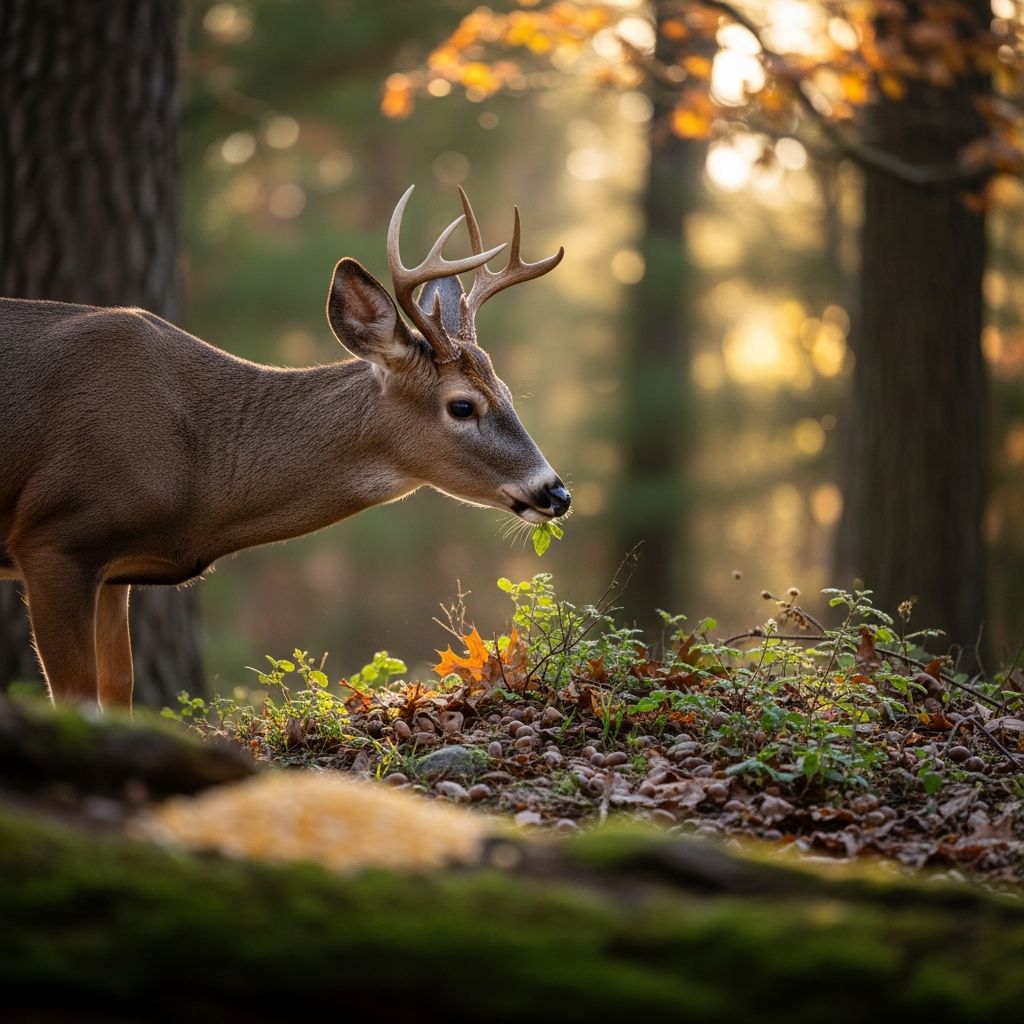
Deer are fascinating creatures that have adapted to thrive in diverse environments across North America. Understanding their natural diet and feeding habits is essential for wildlife enthusiasts, property managers, and anyone interested in coexisting peacefully with these herbivorous animals. This comprehensive guide explores the dietary preferences of deer, their seasonal eating patterns, and the important considerations surrounding wildlife feeding practices.
What Do Deer Eat?
Deer are herbivores that browse rather than graze, meaning they eat parts of woody vegetation that are off the ground. This fundamental difference in feeding behavior shapes their entire dietary pattern and nutritional intake. Unlike grazing animals that feed on grass close to the ground, deer selectively forage on higher vegetation sources, allowing them to access a wider variety of plant materials throughout their habitat.
The browsing behavior of deer includes consuming:
- Flower buds and blooms
- Bark, twigs, and branches
- Seasonal weeds
- Invasive plants, including multiflora roses
- Landscaping plants, such as hostas and ornamental shrubs
- Agricultural crops when available
- Hard and soft mast, including acorns and berries
Research has identified more than 600 plant species in the diet of white-tailed deer, demonstrating their remarkable dietary flexibility. However, while deer consume a vast array of plant materials, the majority of their nutritional intake comes from a relatively small number of preferred forages. Studies have shown that approximately one-third of consumed plant species account for 93 percent of their overall diet.
The Browsing Behavior of Deer
White-tailed deer are extremely adaptable animals, and their diet varies significantly depending on the region where they live. Whether they inhabit urban areas, forests, or arid climates, deer can usually find the nutrients needed to sustain themselves. This adaptability is one of the key reasons deer populations have thrived across North America despite significant environmental changes.
As prey animals, deer have evolved a behavioral pattern that reflects their vulnerable position in the ecosystem. They often keep moving as they eat, never staying in one location for extended periods. This constant movement serves as a survival mechanism, reducing the risk of predation while allowing them to sample different vegetation sources and evaluate new nutritional opportunities.
Deer prefer to eat the succulent tips of many different shrubs, vines, and trees. These growing tips are typically the most nutrient-rich portions of plants and contain higher concentrations of digestible compounds compared to mature foliage. The selective nature of deer feeding means they often bypass lower-quality vegetation in favor of these premium plant parts.
Seasonal Diet Variations
The dietary preferences of deer change dramatically throughout the year in response to seasonal variations in plant availability, nutritional content, and the metabolic needs of individual animals. Understanding these seasonal patterns is crucial for wildlife management and habitat planning.
Spring and Summer Feeding
During the warmer months, deer focus on tender plant growth that provides essential nutrients for body maintenance and reproduction. Annual and perennial forbs, along with woody browse, form the primary components of their spring and summer diet. In recently hayed fields, legumes and other forbs are typically preferred over grasses, which become less palatable as temperatures rise.
Common spring and summer food sources include:
- Clover species
- Virginia creeper
- Summer grape
- Lespedeza varieties
- Fresh leafy vegetation
- Agricultural crops including soybeans and alfalfa
Fall and Winter Feeding
As temperatures drop and vegetation becomes scarce, deer shift their dietary focus toward foods with higher energy content that help them survive harsh winter conditions. Hard and soft mast become increasingly important during these seasons. Hard mast, such as acorns, serves as a primary food source when abundant, providing energy-dense nutrition essential for survival during winter months.
When acorns are plentiful, deer consumption of this resource increases significantly. However, when acorn supplies are limited, deer rely on alternative food sources including corn, wheat, lespedeza, and various native plants such as sumac and buckbrush. The availability of these fall and winter foods directly impacts deer survival rates and reproductive success in the following spring.
Soft mast fruits, including persimmons, blackberries, and other seasonal berries, provide important nutritional supplementation during fall and early winter. Deer also consume the twigs and bark of sapling trees and various shrubs when other food sources become scarce, allowing them to access nutrition even during periods of severe food limitation.
Nutritional Complexity of Deer Diets
The nutritional requirements of white-tailed deer are complex and multifaceted, varying based on age, sex, reproductive status, and season. Protein represents one of the most critical nutrients for deer, required for normal body maintenance, growth, reproduction, lactation, and antler development in males.
Studies comparing deer fed different protein levels reveal the profound impact of nutrition on physical development. Male deer fed a diet containing only 8 percent protein produced significantly smaller antlers compared to males consuming 16 percent protein diets. By four years of age, males on low-protein diets grew antlers 20 inches smaller than their well-nourished counterparts, demonstrating the critical importance of adequate nutrition for genetic expression.
Beyond protein, deer require adequate energy, minerals, vitamins, and water to maintain health. Water represents a particularly critical nutrient, with deer requiring approximately 3 to 6 quarts daily. The composition of a deer’s body is approximately 70 to 75 percent water, necessitating continuous replacement every 24 to 48 hours to maintain physiological function.
Habitat and Food Availability
To support a healthy deer population, habitats must provide adequate and diverse food supplies throughout all seasons of the year. A single food item rarely dominates a deer’s diet during any extended period because food selection depends on the plant’s palatability, availability, and the season. This seasonal variation in diet composition reflects the changing nutritional demands of deer as they progress through different life stages and environmental conditions.
Greater than 85 percent of white-tailed deer diets throughout their range consist of browse, forbs, and mast. Browse and forbs are particularly important because they provide over 80 percent of the diet in all seasons except autumn, when mast consumption increases significantly as acorns and other hard mast become available.
Digestive Adaptations and Forage Quality
Deer possess unique digestive adaptations that enable them to process certain plant materials that would be toxic to other herbivores. Their highly active salivary glands produce enzymes that help deactivate secondary plant compounds, such as tannins, that would otherwise disrupt digestion. These specialized enzymes allow deer to consume quantities of acorns that would prove fatal to cattle or other ruminants.
However, the digestive system of deer is relatively smaller and less complex than that of larger herbivores like elk and moose. This anatomical difference requires deer to eat forages of relatively higher quality and easier digestibility compared to forage consumed by larger ruminants. While mature grasses provide adequate nutrition for elk and cattle, the quicker digestive process of whitetails necessitates more readily digestible forages to fulfill their energy and protein requirements.
On severely overpopulated and depleted ranges where high-quality forage becomes unavailable, white-tailed deer have been documented to starve while their stomachs remain full of low-quality vegetation. This tragic situation highlights the importance of maintaining adequate forage diversity and quality in deer habitats.
Regional Diet Differences
The specific composition of a deer’s diet varies considerably based on geographic location and local plant communities. Deer in different regions have adapted to consume the available vegetation within their territories, resulting in distinct regional diet patterns. These regional differences reflect the evolutionary adaptation of deer populations to their specific environments.
The complexities of how deer select foods at any given time are influenced by multiple variables including local plant species composition, seasonal phenology, forage quality, population density, and competition for resources. Understanding these regional variations is essential for developing effective wildlife management strategies tailored to specific geographic areas.
Should You Feed Deer?
While observing and supporting deer in their natural habitat appeals to many wildlife enthusiasts, the decision to feed wild deer requires careful consideration of ecological and health implications. Wildlife management professionals generally recommend focusing on habitat improvements rather than direct supplemental feeding.
When considering deer management on your property, wildlife experts suggest prioritizing the establishment of excellent native food and cover sources. Only after achieving these habitat goals should supplemental food plots be considered. This approach ensures that deer develop resilience through diverse natural forage options rather than becoming dependent on artificial food sources.
Supplemental feeding can create behavioral changes in deer populations, potentially leading to over-concentration in certain areas, increased disease transmission, and dependency on human-provided food sources. Additionally, the quality and safety of commercial deer feed may not always match the nutritional profile of naturally occurring forage species.
Food Plots as a Management Tool
Food plots have become increasingly common in modern deer management programs. These cultivated areas can provide supplemental nutrition and attract deer to specific locations for observation or hunting purposes. However, their effectiveness depends on proper establishment and maintenance alongside comprehensive habitat management.
Successful food plot programs include planting species such as clover, lespedeza, alfalfa, and various grain crops that provide seasonal nutrition. When properly managed alongside native habitat improvement, food plots can contribute to overall deer population health and management objectives.
Frequently Asked Questions
Q: How much food do deer need daily?
A: Deer typically consume between 1.5 to 2.5 percent of their body weight in forage daily, depending on the quality and digestibility of available vegetation. This translates to approximately 5 to 10 pounds of forage for average-sized white-tailed deer.
Q: Can deer survive eating only one type of plant?
A: No, deer require dietary diversity to obtain all necessary nutrients. A diverse diet ensures adequate protein, energy, minerals, vitamins, and water intake necessary for long-term health and survival.
Q: What plants are toxic to deer?
A: While deer are remarkably adaptable herbivores, certain plants can be toxic or cause digestive disturbances. However, deer typically avoid these plants through taste and experience, making plant toxicity a less common concern than forage availability.
Q: Do all deer eat the same foods?
A: While there are common preferred foods across white-tailed deer populations, regional diet variations exist based on local plant communities. Deer also show individual food preferences based on early feeding experiences and learned preferences.
Q: How do environmental changes affect deer diets?
A: Deer quickly adapt to environmental changes by shifting their diet to available vegetation. However, severe habitat degradation or invasive plant species can negatively impact the nutritional quality of available forage, potentially affecting population health.
Q: What is the difference between browse and forage?
A: Browse refers specifically to leafy parts of woody plants that deer prefer to consume, while forage is a broader term encompassing all plant materials eaten by herbivores, including grasses, forbs, browse, and mast.
Conclusion
Understanding what deer eat and how their dietary needs change throughout the year provides valuable insights into their behavior and ecological role. Deer are remarkably adaptable herbivores that have evolved sophisticated browsing behaviors and digestive systems enabling them to thrive across diverse North American environments. Rather than supplementing deer diets with artificial food sources, wildlife managers and property owners can best support deer populations by maintaining diverse, high-quality native vegetation and appropriate habitat management practices. By working with natural ecological processes and respecting the dietary adaptations that have allowed deer to flourish for millennia, we can create landscapes that support healthy, resilient deer populations for future generations to observe and appreciate.
References
- Nutritional Requirements of White-tailed Deer in Missouri — University of Missouri Extension. 2024. https://extension.missouri.edu/publications/g9487
- What Do Deer Eat? | Deer Ecology & Management Lab — Mississippi State University. 2024. https://www.msudeer.msstate.edu/deer-diet.php
- Deer: Food and Water Needs — Missouri Department of Conservation. 2024. https://mdc.mo.gov/improve-your-property/wildlife-management/deer-management/deer-food-water-needs
- What Do Deer Eat, and Should You Feed Them? — PetMD. 2024. https://www.petmd.com/wildlife/what-do-deer-eat
- Food for Thought: A Primer of Deer Diets Part 1 — Virginia Department of Wildlife Resources. 2024. https://dwr.virginia.gov/blog/food-for-thought-a-primer-of-deer-diets-part-1/
Similar Articles








Read full bio of medha deb


