

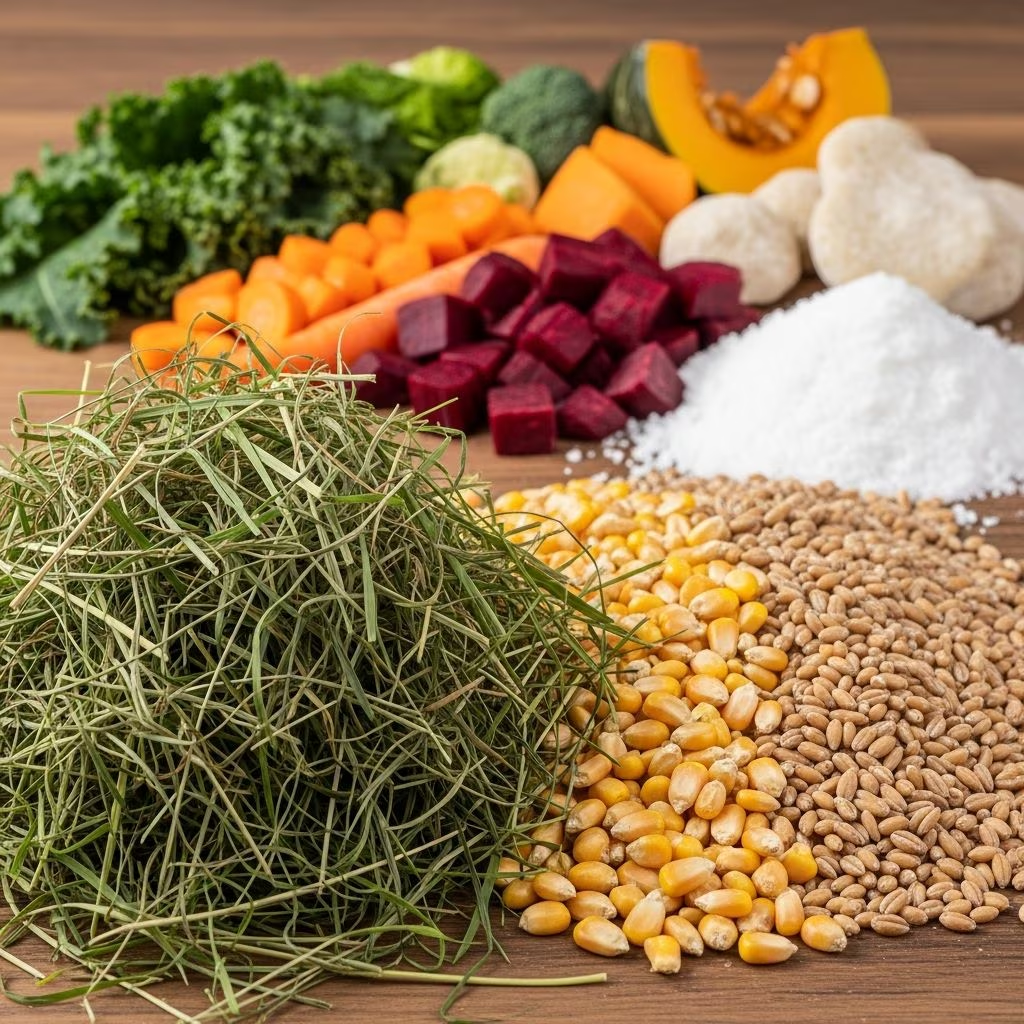
What Do Cows Eat: A Comprehensive Guide to Cattle Nutrition
Cows are herbivorous animals with specialized digestive systems designed to process plant-based foods efficiently. Understanding what cows eat is essential for farmers, ranchers, and anyone interested in livestock management. A proper diet ensures cows maintain optimal health, support milk production in dairy cattle, and achieve healthy growth in beef cattle. The foundation of cattle nutrition relies on providing a balanced combination of forage, grains, protein supplements, and essential vitamins and minerals.
The Basis of Cattle Diet: High-Quality Forage
Forage forms the cornerstone of any cow’s diet, serving as the primary source of nutrition and roughage. High-quality forage should comprise the majority of a cow’s daily intake, providing essential fiber and nutrients necessary for maintaining healthy digestive function and overall well-being. The type and quality of forage available significantly impacts the nutritional value of a cow’s diet.
Hay: The Essential Roughage
Hay is dried grass, legumes, or other forage crops that are cut and stored for year-round feeding. This staple feed provides crucial fiber content and serves as an excellent source of nutrition during seasons when fresh pasture is unavailable. Quality hay should be harvested at the proper growth stage and stored correctly to maintain nutritional value and prevent mold or spoilage.
Pasture and Fresh Grazing
When available, fresh pasture represents the most natural and economical source of nutrition for cattle. Cows graze on various grasses and legumes that provide essential nutrients, vitamins, and minerals. Pasture-based feeding systems allow cows to consume diverse plant species, supporting their natural digestive processes and overall health.
Silage: Fermented Forage
Silage is fermented forage made from crops like corn, alfalfa, grasses, or other plants. The crops are harvested at peak growth stage, chopped finely, and stored in airtight conditions to preserve their nutritional content through fermentation. This preservation method allows farmers to provide nutrient-rich feed during winter months and extends the availability of forage throughout the year. The fermentation process enhances digestibility and preserves essential nutrients that support cattle health and production.
Grain and Energy Supplements
While forage provides the foundation of cattle nutrition, grains and concentrates supply additional energy and essential nutrients necessary for optimal milk production, growth, and reproduction. Dairy farmers and beef producers strategically supplement forage with grains to meet specific nutritional requirements during different production stages.
Common Grain Supplements
Protein-rich grains including corn, soybeans, barley, and wheat provide concentrated energy sources that fuel rapid growth and milk production. These grains contain higher caloric density compared to forage alone, making them valuable supplements for lactating dairy cows and growing cattle. The energy content in grains helps support metabolic functions, reproductive capacity, and milk synthesis in dairy operations.
Concentrate Feeds
Concentrate feeds are nutrient-dense supplements designed to provide specific nutritional components. These formulated feeds often combine multiple grain sources with added minerals, vitamins, and other nutrients balanced according to specific production requirements. Concentrates allow precise dietary control, ensuring each cow receives appropriate nutrition for their production stage and individual needs.
Protein Supplements and Amino Acids
Protein plays a vital role in tissue repair, growth, and reproduction in cattle. It consists of amino acids, some of which are essential and must be provided through diet. High-quality protein sources support muscle development, immune function, and milk protein synthesis in dairy cows.
Primary Protein Sources
Soybean meal, canola meal, cottonseed meal, and other legume-based proteins provide essential amino acids and nitrogen necessary for cattle growth and production. These protein supplements are often mixed into total mixed rations or fed alongside forage and grain to ensure adequate protein intake. Different production stages require varying protein concentrations; dairy cows in early lactation require higher protein levels compared to dry cows or beef cattle in maintenance phases.
Essential Vitamins and Minerals
Dairy and beef cattle require specific vitamins and minerals to maintain health, support immune function, and optimize production. These essential micronutrients are often provided through specially formulated mineral mixes and vitamin supplements added to the total mixed ration.
Critical Minerals
Calcium and phosphorus work together to support bone development and maintenance, particularly in growing cattle and lactating cows. Additional essential minerals include potassium, sodium, magnesium, selenium, zinc, copper, and manganese. Each mineral serves specific physiological functions; selenium supports immune function and reproductive health, zinc promotes skin and hoof integrity, and copper aids in iron metabolism and connective tissue formation. Proper mineral balance is crucial, as imbalances or deficiencies can compromise cattle health and productivity.
Vitamin Requirements
Vitamins A and E are particularly important for cattle health and immune function. Vitamin A supports vision, reproductive function, and immune response, while vitamin E functions as an antioxidant protecting cell membranes. B vitamins, produced in the rumen, support energy metabolism and nervous system function. During times of stress or illness, supplemental vitamins may enhance recovery and maintain productivity.
The Total Mixed Ration Approach
Modern dairy farming commonly utilizes Total Mixed Rations (TMR), which combine hay, silage, grains, and protein supplements into a single, precisely formulated mixture. This approach ensures that each cow receives a consistent combination of nutrients in every bite, promoting optimal health, milk production, and overall performance. The TMR system allows for precise nutritional control and accommodates different production stages within a herd.
TMR Components
A typical TMR includes high-quality forage (hay and/or silage) as the base, combined with grains like corn or barley for energy, protein supplements like soybean meal, mineral mixes, vitamin premixes, and various feed additives. The proportions vary based on specific herd requirements, milk production goals, and cattle body condition scores. Professional nutritionists formulate TMRs to ensure nutrient content meets established requirements for dairy cattle at different lactation stages.
Water: An Often-Overlooked Essential Nutrient
Water is the most critical nutrient for cattle, essential for digestion, temperature regulation, nutrient transport, and milk production. Dairy cows require substantial quantities of water, consuming up to 50 gallons daily, with intake varying based on milk production level, ambient temperature, and diet composition. Lactating cows producing large milk volumes require particularly high water intake. Fresh, clean water must be available continuously, as dehydration rapidly impacts milk production and overall health. Water quality matters significantly; contaminated or poor-quality water can introduce pathogens or mineral imbalances that compromise cattle health.
Byproduct Feeds and Alternative Nutrition Sources
As sustainability and cost-efficiency become increasingly important in livestock operations, many farms incorporate byproduct feeds into cattle rations. These alternative sources reduce waste while providing nutritional value to cattle diets.
Common Byproduct Feeds
| Human Food/Product | Cattle Byproduct Feed |
|---|---|
| Orange juice | Citrus pulp |
| Sugar from sugar beets | Beet pulp |
| Beer from barley and hops | Brewer’s grains |
| Chocolate | Candy waste |
| Bakery items (bread, cakes, donuts) | Bakery waste |
These byproduct feeds provide valuable nutrients while supporting agricultural and food industry sustainability. They must be incorporated carefully into rations to ensure nutritional balance and prevent excessive nutrient concentrations that could negatively impact cattle health or milk quality.
Feed Additives and Digestive Enhancers
Modern cattle operations often incorporate feed additives to enhance digestive efficiency and promote optimal health. Probiotics introduce beneficial microorganisms into the rumen, supporting healthy fermentation and nutrient utilization. Enzymes improve forage digestibility, allowing cattle to extract more nutrition from their diet. These additives may enhance milk production, improve feed conversion efficiency, and support overall cattle well-being.
Nutritional Requirements by Cattle Type
Dairy Cattle Nutrition
Dairy cows have higher nutritional demands than beef cattle due to milk production requirements. These animals require high-quality forage with adequate fiber content—acid neutral detergent fiber should be at least 18 percent and neutral detergent fiber at least 28 percent of ration dry matter. Nutritional requirements vary significantly based on lactation stage; early lactation cows require higher energy and protein concentrations than mid-lactation or dry cows. Added dietary fat shouldn’t exceed 7 percent of ration dry matter, as excessive fat can impair rumen function and reduce fiber digestibility.
Beef Cattle Nutrition
Beef cattle have different nutritional priorities than dairy animals, focusing on growth and muscle development. While forage remains essential, energy and protein requirements may be adjusted based on growth stage and market weight targets. Beef cattle typically require minimum crude protein concentrations of approximately 7.5 percent, though requirements vary by age and production stage.
Seasonal Feeding Considerations
Cattle feeding strategies adapt throughout the year based on forage availability and seasonal changes. During growing season months, cattle may graze fresh pasture, reducing supplemental feed requirements. Winter months require stored forage like hay and silage, supplemented with grains and protein sources to maintain nutrition when fresh pasture is unavailable. Farmers must plan ahead, ensuring adequate forage storage and supplement availability for year-round nutritional consistency.
Frequently Asked Questions
Q: How much water do cows need daily?
A: Dairy cows typically consume 25 to 50 gallons of water daily, with intake varying based on milk production, environmental temperature, and diet composition. Lactating cows require substantial water volumes to support milk synthesis.
Q: What is a Total Mixed Ration, and why is it used?
A: A Total Mixed Ration combines forage, grains, protein supplements, and micronutrients into a single consistent mixture. TMRs ensure each cow receives balanced nutrition in every bite, optimizing milk production, health, and feed efficiency in dairy operations.
Q: Can cows eat byproduct feeds like brewer’s grains or citrus pulp?
A: Yes, cattle can consume various byproduct feeds including brewer’s grains, citrus pulp, beet pulp, and bakery waste. These feeds provide nutritional value while reducing waste, though they must be incorporated carefully into balanced rations.
Q: What minerals are most critical for cattle health?
A: Essential minerals include calcium, phosphorus, potassium, sodium, magnesium, selenium, zinc, copper, and manganese. These minerals support bone development, immune function, reproduction, and metabolic processes.
Q: How do nutritional requirements differ between lactating and dry cows?
A: Lactating cows require significantly higher energy, protein, and micronutrient concentrations to support milk production. Dry cows require lower nutritional density focused on maintaining body condition and supporting pregnancy.
Q: Why is forage quality important in cattle diets?
A: High-quality forage provides essential fiber, energy, and nutrients necessary for cattle health and digestive function. Poor forage quality requires increased grain supplementation, raising feed costs while potentially reducing milk production and cattle performance.
References
- Formulating dairy cow rations — University of Minnesota Extension. 2024. https://extension.umn.edu/dairy-milking-cows/formulating-dairy-cow-rations
- What Do Dairy Cows Eat and Drink? — American Dairy Association. 2024. https://www.americandairy.com/dairy-diary/what-do-dairy-cows-eat/
- Nutrient Requirements of Dairy Cattle — National Academies of Sciences, Engineering, and Medicine. 2021. https://www.ncbi.nlm.nih.gov/books/NBK600587/
- Essential Nutrients for Healthy Cattle: A Guide to Balanced Feeding — Thomas Moore Feed. 2024. https://thomasmoorefeed.com/essential-nutrients-for-healthy-cattle-a-guide-to-balanced-feeding/
- Nutrient Requirements of Beef Cattle — Natural Resources Conservation Service, U.S. Department of Agriculture. 2022. https://www.nrcs.usda.gov/sites/default/files/2022-12/Feeding-Cows.pdf
- Dairy Cattle Nutrition and Feeding — Penn State Extension. 2024. https://extension.psu.edu/animals-and-livestock/dairy/nutrition-and-feeding/
- Nutrient Requirements of Beef Cattle — Merck Veterinary Manual. 2024. https://www.merckvetmanual.com/management-and-nutrition/nutrition-beef-cattle/nutrient-requirements-of-beef-cattle



