

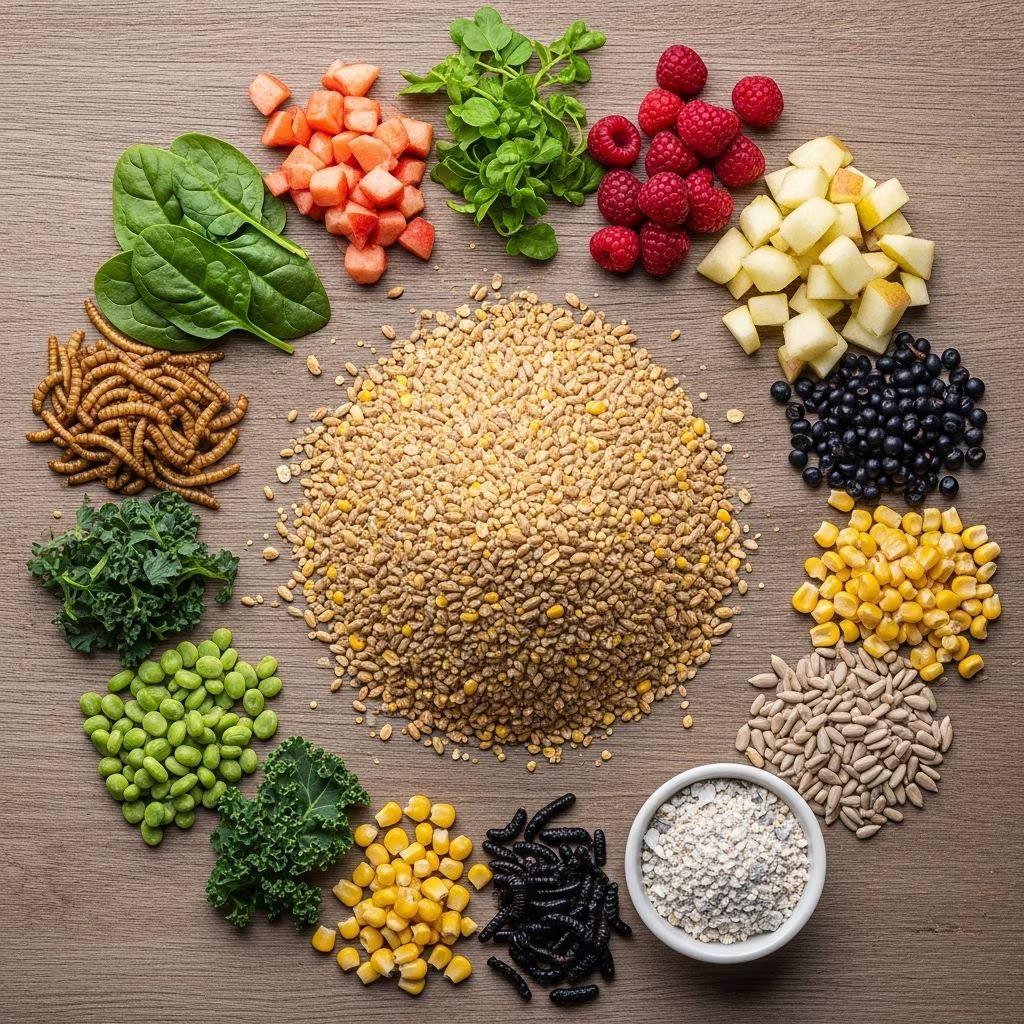
What Do Chickens Eat: A Comprehensive Nutrition Guide
Chickens are fascinating creatures that require a well-balanced diet to thrive, produce quality eggs, and maintain optimal health. Whether you’re a seasoned backyard chicken keeper or just starting your flock, understanding what chickens eat is fundamental to their wellbeing. The foundation of a chicken’s diet consists of quality layer feed, supplemented with fresh water, treats, and nutritional supplements tailored to their specific life stage and production needs.
The Foundation: Quality Layer Feed
The cornerstone of a healthy chicken diet is quality layer feed, which serves as the primary nutritional source for laying hens. Layer feed is specifically formulated to meet the unique nutritional demands of hens that are producing eggs, containing a carefully balanced mix of proteins, minerals, and vitamins essential for sustained egg production and overall health.
Protein Requirements
Protein is one of the most critical components of a chicken’s diet. Layer feed typically contains 16-18% protein, which is the ideal range for adult laying hens. This protein level supports muscle maintenance, feather growth, and importantly, egg production. For chickens that free-range or certain specialized breeds, protein levels may be increased up to 20% to support their higher activity levels and metabolic demands.
Beyond the total protein percentage, the amino acid profile of the feed is equally important. Key amino acids including lysine, methionine, and cystine play crucial roles in maintaining chicken health and productivity. When chickens show signs of underperformance, providing an amino acid boost through treats like dried mealworms or black soldier fly larvae can significantly improve their condition.
Calcium and Mineral Content
Laying hens have dramatically higher calcium requirements than non-laying chickens, requiring up to three times as much calcium to support shell formation and bone health. Quality layer feed should contain at least 2.75% calcium and ideally up to 3.4%. This elevated calcium content is crucial for producing strong eggshells and preventing metabolic disorders in laying hens.
Beyond calcium, layer feed must include phosphorus, vitamin D, and a wide range of essential vitamins and minerals. These micronutrients work synergistically to support bone strength, immune function, and overall metabolic health. Natural calcium sources such as black oil sunflower seeds can supplement commercial layer feed when additional calcium support is needed.
Fats, Fibers, and Other Essential Nutrients
Quality layer feed should contain no more than 10% fiber, as excessive fiber can reduce nutrient digestibility and energy availability. Conversely, essential fatty acids such as omega-3s are vital for reducing inflammation, supporting cardiovascular health, and improving egg quality. The optimal balance of carbohydrates from various grain sources provides sustained energy throughout the day.
Daily Feeding Quantities and Schedule
Understanding proper portion sizes ensures your chickens receive adequate nutrition without overfeeding. For average-sized adult chickens, providing approximately 120 to 140 grams of feed per hen daily is the standard recommendation. This translates to roughly 1/4 cup per hen at each feeding session, though roosters may require slightly more at approximately 1/3 cup per feeding.
Most backyard flocks thrive on two feeding sessions daily, typically in the early morning and late afternoon. This schedule aligns with natural chicken behavior and allows hens to forage or rest during midday hours. Consistent feeding times help establish routine and make it easier to monitor individual chicken health and appetite.
Nutrition by Life Stage
Chickens have different nutritional requirements throughout their lives, from vulnerable chicks to productive laying hens. Understanding these changing needs ensures optimal development and performance at each stage.
Chick Feeding (0-8 Weeks)
Young chicks require specialized starter feed that is significantly higher in protein than adult layer feed, typically containing 20% or more protein. This elevated protein supports rapid growth, feather development, and the establishment of a strong foundation for future health. Chicks need approximately 65 grams per day or 450 grams per week of quality chick feed. Calcium content in starter feed is kept relatively low since young chicks are not yet producing eggs and do not require the high calcium levels needed for shell formation.
Pullet/Grower Stage (8-20 Weeks)
As chickens transition from chicks to juveniles, known as the pullet or grower stage, their nutritional profile changes to support continued growth while preparing for eventual egg production. During weeks 8 to 20, grower feed should contain slightly less protein than starter feed but more fat and fiber to support rapid skeletal and muscular development. Grower chickens require approximately 680 grams of feed per week to maintain healthy growth trajectories.
Layer Stage (20+ Weeks)
Once chickens reach 20 weeks of age and begin approaching or have reached laying maturity, they should transition to quality layer feed. Developed chickens require a diet with 16-18% protein and substantially elevated calcium and phosphorus to support consistent egg production. The calcium content in layer feed should be 3-4 times higher than in starter or grower feed, reflecting the intensive demands of egg production on the hen’s mineral reserves.
Supplementary Foods and Treats
While quality layer feed provides the nutritional foundation, supplementary foods and treats add variety to your chicken’s diet, provide enrichment, and can boost specific nutrient intake when needed.
Vegetables and Greens
Fresh vegetables and greens are nutritional powerhouses that chickens eagerly consume. Safe options include fresh tomato, cut lettuce and kale, cut apple, certain seeds, and cabbage. A handful of fresh greens per feeding session adds vitamins, minerals, and fiber while providing mental stimulation. Hanging cabbage, kale, or lettuce heads on a string creates an entertaining foraging activity that keeps chickens engaged and active. Always avoid toxic, moldy, or rotten fruits and vegetables, as these can cause serious health issues.
Grains and Scratch Feed
Oatmeal and other scratch grains like cracked corn can be offered in moderation as treats. These carbohydrate-rich foods provide quick energy but should not replace quality layer feed due to their lower nutritional density. Warmed (but not hot) frozen corn serves as both a nutritious treat and a cooling mechanism during hot weather. Scratch grains work best as occasional treats rather than dietary staples, comprising no more than 10% of daily caloric intake.
Protein-Rich Supplements
Dried mealworms and dried black soldier fly larvae are exceptional protein supplements that chickens genuinely enjoy. These treats are particularly high in amino acids and can provide a significant nutritional boost when hens show signs of nutrient deficiency or reduced productivity. Offering these supplements 2-3 times weekly can dramatically improve feather quality, egg production, and overall vitality.
Water: The Often Overlooked Essential
Clean, fresh water is absolutely vital to chicken health and cannot be overstated in importance. Chickens require constant access to water, as dehydration can rapidly lead to reduced egg production, decreased feed intake, and serious health complications. Water consumption increases during hot weather and when chickens consume dry feed. Providing water in multiple locations throughout the coop and run ensures all flock members have easy access. Water containers should be cleaned and refilled daily to prevent bacterial growth and disease transmission.
Insoluble Grit and Calcium Supplements
Insoluble grit plays an essential role in chicken digestion by grinding feed in the gizzard, facilitating nutrient extraction and digestion. Chickens should have constant access to grit, either mixed into their environment or available for self-selection. Additionally, specialized calcium supplements may be necessary during peak laying seasons when standard layer feed alone cannot meet the extreme calcium demands of consistent egg production. These supplements can include crushed oyster shells or specialized calcium formulations designed for poultry.
Transitioning Between Feed Types
When changing your chickens’ diet from one feed type to another, such as transitioning from grower to layer feed when egg production begins, the change must occur gradually. Abrupt dietary changes can cause digestive upset and stress-related health problems. The transition should take place over 7-10 days, gradually replacing old feed with new feed while closely monitoring the flock for adverse reactions. This gradual transition allows the beneficial gut bacteria to adapt to the new feed composition without disrupting digestive function.
Seasonal Feeding Considerations
Chicken nutritional needs may shift throughout the year based on egg production patterns and environmental conditions. During molting periods when egg production naturally decreases, some keepers switch from layer feed to a lower-protein developer feed supplemented with calcium and grit. This approach allows hens to redirect energy toward feather regrowth while maintaining bone calcium reserves. Once regular egg production resumes, transition back to layer feed to support sustained productivity.
Free-Range Chickens and Natural Foraging
Chickens with access to outdoor space will naturally forage, scratching and eating insects, earthworms, seeds, and vegetation they encounter. This natural behavior provides valuable nutrition and enrichment while reducing overall feed requirements. However, even free-range chickens should still receive quality layer feed as their primary nutrition source to ensure they receive adequate calcium, protein, and essential micronutrients necessary for sustained egg production.
Frequently Asked Questions About Chicken Nutrition
Q: How much protein should layer feed contain?
A: Quality layer feed should contain 16-18% protein for optimal laying hen performance. Some breeds and free-ranging chickens may benefit from slightly higher protein levels up to 20%.
Q: Why is calcium so important for laying hens?
A: Laying hens require significantly more calcium than non-laying chickens to produce strong eggshells and maintain bone health. The calcium content in layer feed should be 3-4 times higher than in starter or grower feed.
Q: How often should I feed my chickens?
A: Most backyard flocks thrive with two daily feedings, providing approximately 120-140 grams of layer feed per hen daily. Consistent feeding times help establish routine and support flock health monitoring.
Q: Can chickens eat kitchen scraps and vegetables?
A: Yes, chickens enjoy many fresh vegetables and kitchen scraps as treats, including lettuce, kale, tomatoes, and apples. Always avoid moldy, rotten, or toxic foods that could cause harm.
Q: What is grit and why do chickens need it?
A: Insoluble grit aids chicken digestion by grinding feed in the gizzard. Chickens should have constant access to grit for optimal nutrient extraction and digestive health.
Q: How do I transition my chickens to new feed?
A: Gradual transitions over 7-10 days are essential when changing feed types. Replace old feed slowly with new feed while monitoring closely for any adverse health reactions.
Q: Do free-range chickens still need layer feed?
A: Yes, even free-range chickens should receive quality layer feed as their primary nutritional source to ensure adequate calcium and essential nutrients for sustained egg production.
References
- The Dine-A-Chook Guide to Feeding Backyard Chickens and Hens — Dine-A-Chook. https://www.dineachook.com.au/blog/the-complete-guide-to-feeding-backyard-chickens/
- Daily Diet, Treats and Supplements for Chickens — Open Sanctuary. https://opensanctuary.org/chicken-diet-and-supplements/
- Chicken Feed Guide — Sharpes Stock Feeds. https://www.stockfeed.co.nz/resources/poultry-feed/chicken-feed-guide/
- Nutritional Requirements of Poultry — Merck Veterinary Manual. https://www.merckvetmanual.com/poultry/nutrition-and-management-poultry/nutritional-requirements-of-poultry
- Backyard Chicken Nutrition Guide — Kalmbach Feeds. https://www.kalmbachfeeds.com/blogs/chickens/nutrition-for-backyard-chickens
- Nutrient Requirements of Egg Laying Chickens — Poultry Hub Australia. https://www.poultryhub.org/all-about-poultry/nutrition/nutrient-requirements-of-egg-laying-chickens
- Nutrition for Backyard Chicken Flocks — Alabama Cooperative Extension System (Auburn University). https://www.aces.edu/blog/topics/farming/nutrition-for-backyard-chicken-flocks/



