

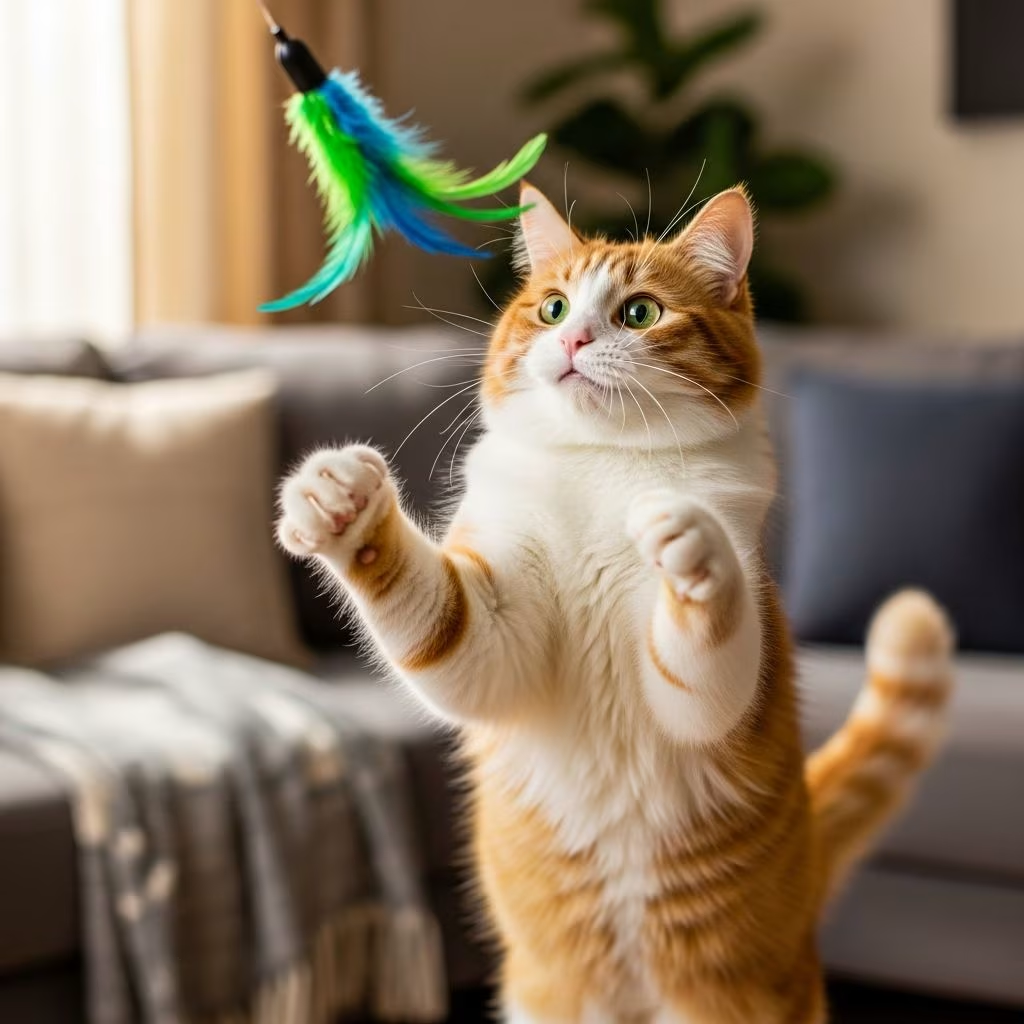
Cats are natural-born hunters with playful instincts that never fade, regardless of age. Engaging them with the right toys and games satisfies their predatory drive, provides exercise, reduces boredom, and strengthens your bond. This guide covers popular cat toys, interactive play ideas, solo options, safety essentials, and tips to keep playtime fresh.
Why Play Is Essential for Cats
Play mimics hunting, stalking, pouncing, and capturing prey, which is wired into a cat’s DNA as ambush predators. It offers physical exercise to prevent obesity, mental stimulation to sharpen reflexes and decision-making, and emotional benefits like endorphin release for happiness. Interactive play builds trust, while solo toys encourage independence. Kittens need frequent sessions for development, adults for variety, and seniors for gentler activities. Daily 15-minute sessions twice a day combat boredom and support joint health.
Popular Interactive Toys Cats Love
Interactive toys require your participation, turning play into a dynamic hunt. These engage cats through movement, mimicking erratic prey behavior.
- Feather Wands and Fishing Pole Toys: A wand with feathers or dangling lures on a string excels for air and ground hunts. Move unpredictably—fast dashes, slow creeps, pauses, and quivers—to trigger stalking and leaps. Cats “capture” the end for satisfaction.
- Laser Pointers: The elusive red dot sparks high-speed chases, boosting cardio and reflexes. Always end with a catchable toy to avoid frustration, and never aim at eyes.
- String Teasers and Snapback Toys: Stretchy toys snap back after pulls, simulating fleeing prey. Ideal for short bursts.
Observe your cat’s style: air hunters leap for overhead toys, ground hunters prefer horizontal drags.
Solo Play Toys for Independent Fun
Cats need toys for alone time when you’re busy. Rotate 4-5 from a collection of 20 weekly for novelty.
- Ball Toys: Ping pong balls, crinkle balls, or track balls roll unpredictably, perfect for batting and chasing.
- Mouse and Stuffed Prey Toys: Small, soft mice or critters for carrying, pouncing, and “killing.” Add catnip for extra appeal.
- Motorized Toys: Spinning or scurrying gadgets provide endless movement without you.
- Hanging and Puzzle Feeders: Doorway swingers or perch-mounted toys suit climbers and air enthusiasts.
Match texture (fuzzy, crinkly), size (small for paws), sound (rattles, squeaks), and shape to preferences.
DIY Toys and Household Items Cats Adore
Budget-friendly options from home items spark creativity and curiosity.
- Cardboard Boxes: Cut holes for tunnels, forts, or scratching. Cats hide, ambush, and explore instinctively.
- Paper Rolls and Crinkled Paper: Toilet rolls stuffed with treats or string make rustling prey.
- Tunnels: Fabric tunnels with toys inside simulate caves for dashing and hiding.
- Fetch Toys: Soft balls or pom-poms for retrieving—some cats learn fetch!.
DIY keeps things novel; refresh with new scents or textures.
Games to Play with Your Cat
Beyond toys, games enhance bonding and variety.
| Game | Description | Benefits |
|---|---|---|
| Hide & Seek | Hide and call or rustle toys; cat seeks you out. | Mental stimulation, exploration. |
| Tag or Chase | Dart away, let cat pursue with teasing wand. | Cardio, speed training. |
| Fetch | Toss soft toy; reward retrieves. | Exercise, skill-building. |
| Puzzle Feeders | Hide food in toys or boxes for foraging. | Problem-solving, slows eating. |
End every session with a “kill” to fulfill instincts.
Cat Trees, Scratching Posts, and Enrichment
Vertical spaces like cat trees, shelves, and window perches place toys at heights for climbers. Scratching posts double as play zones, satisfying clawing urges alongside pouncing. Interactive trees with dangling toys combine climbing and hunting. These prevent destructive behavior by channeling energy.
How to Match Toys to Your Cat’s Play Style
Cats have preferences: air vs. ground hunters, fast vs. slow prey. Test movements—leaps indicate air lovers (use wands); low stalks suit ground toys (mice, balls). Age matters: kittens crave chaos, adults variety, seniors soft options. Rotate toys, introduce scents, and vary sessions for engagement.
Safety Tips for Cat Playtime
Prioritize safety to avoid injuries.
- Never leave strings, wands, or ribbons unattended—risk of ingestion or tangling.
- Supervise lasers; provide a real catch.
- Choose non-toxic, durable toys without small parts.
- Avoid balls smaller than 1.5 inches to prevent swallowing.
- Inspect toys regularly for wear.
Play in safe areas, away from hazards.
Preventing Boredom: Rotation and Variety
Cats tire of sameness quickly. Strategies:
- Rotate toys weekly.
- Mix interactive, solo, and puzzle types.
- Schedule dawn/dusk sessions when cats are most active.
- Incorporate catnip or silver vine sparingly.
- Track preferences in a journal.
Boredom leads to mischief; variety keeps them sharp.
Frequently Asked Questions (FAQs)
What do cats like to play with the most?
Toys mimicking prey movement, like feather wands, lasers, and mice, top the list as they trigger hunting instincts.
How often should I play with my cat?
Twice daily for 15 minutes each, ideally at dawn and dusk, for optimal health.
Do cats get bored with toys?
Yes, quickly. Rotate weekly and vary types to maintain interest.
Are DIY toys safe for cats?
Yes, if supervised and made without strings or small parts that can be swallowed.
What if my cat ignores toys?
Observe preferences, make prey-like movements, or try food puzzles to build interest.
Choosing the Right Toys by Age
- Kittens: Soft, lightweight for teething and learning hunts.
- Adults: Interactive and challenging for peak energy.
- Seniors: Gentle, soft toys for joint-friendly play.
Ultimately, tailor play to your cat’s unique style for maximum joy and a healthier, happier life.
References
- Pick Toys That Match Your Cat’s Play Style Preference — Cat Behavior Associates. 2023-05-15. https://catbehaviorassociates.com/pick-toys-that-match-your-cats-play-style-preference/
- How to Play with Cats: Fun Cat Activities — ARM & HAMMER. 2024-02-10. https://www.armandhammer.com/en/articles/fun-ways-to-play-with-your-cat
- What Toys Do Cats Never Get Bored Of? — Zach’s Pet Shop. 2024-08-22. https://zachspetshop.com.au/blogs/guides-advice/what-toys-do-cats-never-get-bored-of
- Cat Behavior and Training – Play and Play Toys — VCA Animal Hospitals. 2023-11-01. https://vcahospitals.com/know-your-pet/cat-behavior-and-training—play-and-play-toys
- Interactive Cat Play: 15 Activities for Feline Fun — Mission Cats. 2024-06-18. https://www.missioncats.com/blog/interactive-cat-play-activities/
- Cats and Their Ever-Changing Play Preferences: How to Adapt — Repounce. 2024-03-05. https://repounce.com/blogs/news/cats-and-their-ever-changing-play-preferences-how-to-adapt



