

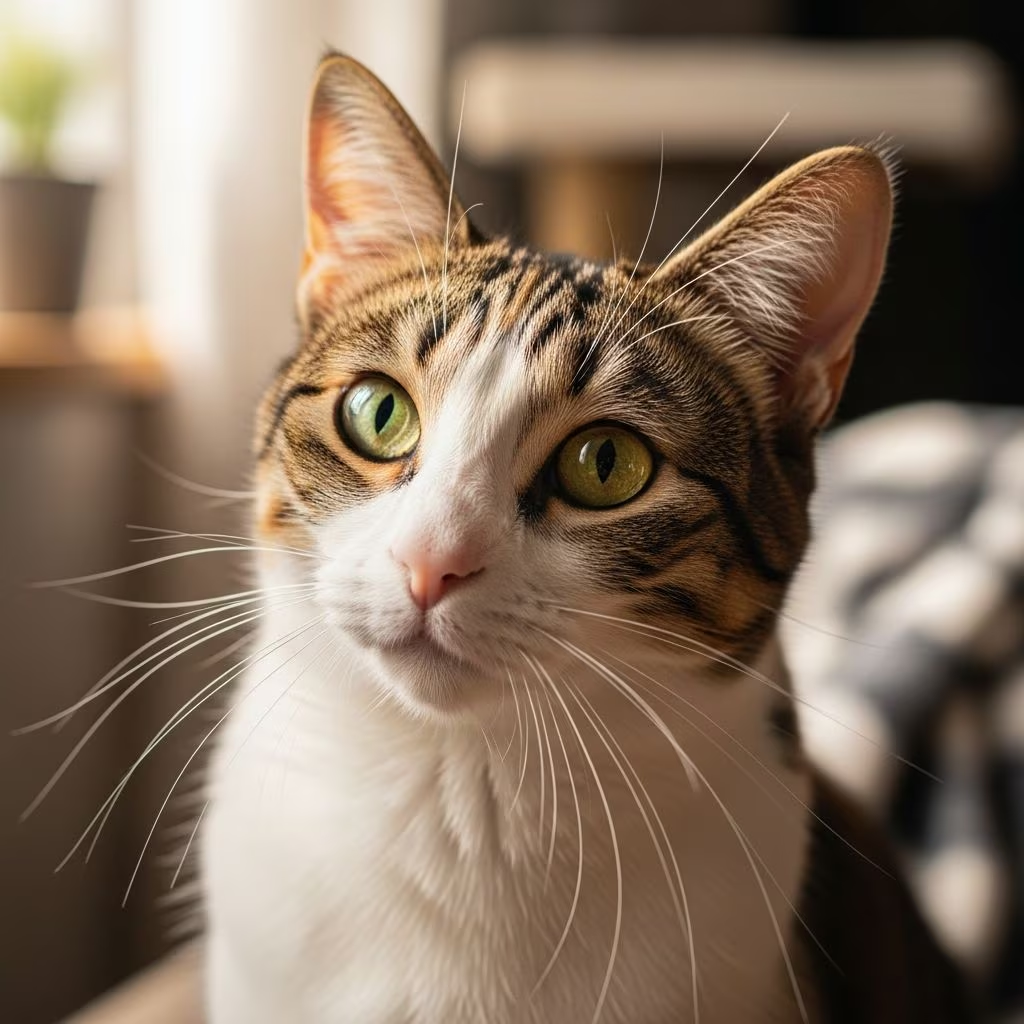
Female cats in heat experience intense hormonal surges driving reproductive behaviors, including restlessness, vocalization, and mating postures, as part of their natural estrous cycle.
Understanding the Feline Heat Cycle
The heat cycle, or estrous cycle, is a fundamental reproductive process in unspayed female cats (queens). Cats are seasonally polyestrous, meaning they have multiple cycles during breeding seasons triggered by increasing daylight hours, typically from January or February through October or November in the northern hemisphere. Indoor cats exposed to artificial lighting may cycle year-round.
Unlike dogs, cats do not ovulate spontaneously; mating induces ovulation. If no mating occurs, cycles repeat every 2-3 weeks, each lasting 4-10 days on average. The cycle comprises four main stages:
- Proestrus: 1-2 days; rising estrogen, subtle behavior changes like increased affection, but no mating interest.
- Estrus: 3-14 days (average 7 days); peak fertility, overt mating behaviors.
- Interestrus: Few days to a week if no ovulation; brief rest before next estrus.
- Diestrus: If ovulation occurs without pregnancy, lasts weeks; or anestrus (rest phase) in off-season.
Queens reach sexual maturity at 4-12 months, with first heat often in their initial spring. Cycles continue annually until spaying or pregnancy interrupts them.
Signs Your Cat Is In Heat
Behavioral changes signal estrus clearly. Common signs include:
- Excessive vocalization: Loud yowling or meowing, especially at night, to attract toms.
- Raised hindquarters and treading: ‘Lordosis’ posture—arching back, elevating rear, stepping motions when stroked.
- Increased affection and rubbing: Rubbing against furniture, legs, or objects; rolling on floor.
- Urine spraying/marking: Strong-smelling urine on vertical surfaces to advertise receptivity.
- Restlessness and escape attempts: Pacing, agitation, trying to slip outdoors for mates.
- Swollen genitals and grooming: Vulva appears pink/swollen; excessive licking.
Male cats (toms) detect pheromones from up to miles away, leading to spraying or congregating near your home.
How Long Are Cats in Heat?
Individual estrus lasts 4-10 days typically, but up to 2 weeks in some cats. Without mating/pregnancy/spaying, cycles recur every 14-21 days during breeding season. Uninterrupted, a queen might endure 3-5 litters yearly.
| Stage | Duration | Key Features |
|---|---|---|
| Proestrus | 1-2 days | Rising hormones, no mating |
| Estrus | 3-14 days | Fertile, behavioral signs peak |
| Interestrus | 2-10 days | Rest if no ovulation |
| Diestrus/Anestrus | Weeks/Months | Pseudopregnancy or off-season rest |
Factors influencing duration: breed, age, environment, light exposure. Year-round indoor cycling exhausts cats.
What Do Cats Feel During Heat?
Veterinarians infer cats experience discomfort and urgency from hormonal floods mimicking human PMS or ovulation pains—restlessness, frustration without relief. No pain receptors confirm exact ‘feelings,’ but behaviors indicate:
- Hormonal drive: Estrogen peaks create intense mating compulsion, akin to overwhelming instinct.
- Physical sensations: Ovarian follicle growth may cause mild abdominal discomfort; vulvar swelling irritation prompts grooming.
- Emotional stress: Failed mating leads to repeated cycles, causing exhaustion, appetite loss, sleep disruption.
Cats seem relieved post-mating or spaying, with behaviors normalizing quickly. Unrelieved heat isn’t acutely painful but chronically stressful, risking health issues like cystitis from spraying.
Is It Painful For Cats to Be in Heat?
Heat itself isn’t overtly painful; no evidence of severe pain like labor. However:
- Mild discomfort: Possible from ovarian changes or engorgement.
- Behavioral distress: Frantic vocalizing/restlessness suggests frustration.
- Long-term risks: Repeated cycles raise pyometra, mammary cancer odds.
Owners mistake distress for pain; spaying eliminates cycles painlessly.
When to Spay Your Cat & Heat Cycle Management
Spay before first heat (4-6 months) for optimal health: prevents cancers, infections, behaviors. Post-heat spaying safe after cycle ends.
Management tips:
- Distraction: Toys, play, puzzles reduce boredom.
- Comfort: Quiet space, pheromone diffusers calm.
- Isolation: Keep indoors; block escapes.
- Vet consult: Rule out issues; discuss sterilization.
- Medical suppression: Rarely used; hormones risky.
Spaying: Ovariohysterectomy removes ovaries/uterus; quick recovery, lifelong benefits.
Frequently Asked Questions (FAQs)
Q: How often do cats go into heat?
A: Every 2-3 weeks during breeding season (Feb-Oct), lasting 4-10 days each, if unbred.
Q: At what age do cats go into heat?
A: First heat at 4-12 months, often first spring.
Q: Do cats in heat spray urine?
A: Yes, females spray to mark territory and signal males.
Q: Can cats go into heat year-round?
A: Indoor cats with artificial light may cycle continuously.
Q: Is spaying the only solution for heat cycles?
A: Yes, permanent; breeding or pregnancy temporarily halts, but spaying best for health.
Q: What if my cat seems in pain during heat?
A: Monitor; consult vet to exclude illness. Heat discomfort resolves post-cycle or spay.
References
- How Often Do Cats Go Into Heat? — Best Friends Veterinary Hospital. 2023. https://bestfriendsvet.org/blog/how-often-do-cats-go-into-heat/
- How Long Does a Cat Stay in Heat? A Guide for Cat Owners — Northwoods Veterinary Hospital. 2024. https://northwoodsvet.com/how-long-does-a-cat-stay-in-heat/
- Cats in Heat/Coming into Season — PDSA. 2024. https://www.pdsa.org.uk/pet-help-and-advice/pet-health-hub/conditions/seasons-in-cats
- Cats in Heat: How Long It Lasts and What To Do — PetMD. 2024. https://www.petmd.com/cat/general-health/cat-in-heat
- Becoming an Adult: Kitten Puberty and Heat Cycles Explained — Vetster. 2023. https://vetster.com/en/wellness/becoming-an-adult-kitten-puberty-and-heat-cycles-explained
- Female Reproduction — PMC (PubMed Central). 2020-04-12. https://pmc.ncbi.nlm.nih.gov/articles/PMC7158189/



