

What Do Cats Do When They Are Alone?
Many cat owners wonder what their feline companions get up to when they’re away from home. While cats have a reputation for being independent and solitary creatures, the reality of their behavior when alone is far more complex and nuanced. Understanding what your cat does during alone time can help you provide better care and recognize when your pet might be experiencing loneliness or anxiety.
Cats are not the aloof, indifferent creatures they’re often portrayed to be. Cats can get lonely, and they crave companionship just like other animals do. When left alone for extended periods, cats may experience feelings of loneliness, depression, or separation anxiety similar to what humans experience. Recognizing the signs of feline loneliness is essential for responsible cat ownership.
Do Cats Actually Get Lonely?
The notion that cats are purely solitary creatures is a common misconception rooted in their independent hunting instincts. Unlike dogs, cats don’t rely on packs for survival, but they do form deep social bonds with humans and other animals. Most felines enjoy alone time—especially during the day when they’re sleeping, bird-watching, or chasing dust particles in a sunbeam. However, if a cat lacks stimulation or is left alone for too long, loneliness can creep in.
The answer is definitively yes: cats can get depressed, frustrated, and lonely. If your cat is frequently left on their own for hours or even days at a time, they experience the same feelings of loneliness and separation anxiety that humans do. Some cats are perfectly content as solo pets, while others may develop behavioral problems or exhibit signs of loneliness if they lack adequate social interaction and mental stimulation.
Common Behaviors Cats Display When Alone
When left to their own devices, cats engage in a variety of behaviors to occupy their time and manage their emotions. Understanding these normal solitary behaviors can help you distinguish between typical feline conduct and signs of distress.
Sleeping and Rest
One of the most common activities cats engage in when alone is sleeping. Cats are crepuscular animals, meaning they’re most active during dawn and dusk, and spend a significant portion of their day resting. When alone, cats may sleep even more than usual as a way to pass the time, particularly if they lack mental stimulation or companionship. However, extended rest driven by disinterest in their surroundings isn’t necessarily restorative and can lead to detachment and a decline in physical and mental health over time.
Self-Grooming and Maintenance
Cats are naturally meticulous groomers and spend considerable time cleaning themselves when alone. This behavior is completely normal and helps cats maintain their coat, regulate body temperature, and reduce stress. However, excessive grooming that goes beyond normal cleaning routines can be a sign of anxiety or loneliness.
Exploration and Play
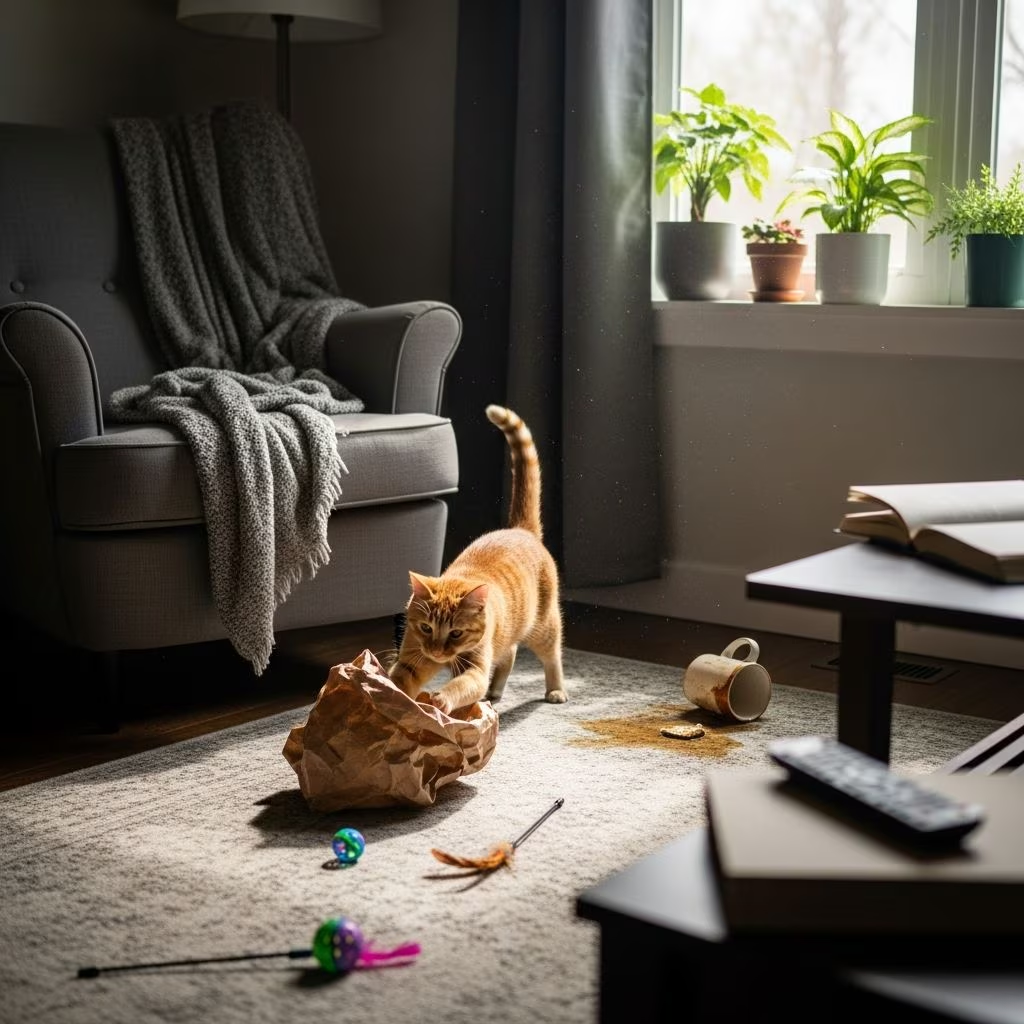
Cats are curious creatures and will explore their environment, investigate hiding spots, and engage in solitary play when alone. They may bat at toys, chase imaginary prey, or climb to high vantage points to observe their surroundings. This natural exploratory behavior provides mental stimulation and physical exercise.
Window Watching and Environmental Observation
Many cats enjoy spending time observing the world outside through windows, watching birds, squirrels, and other outdoor activity. This behavior, often called “cat TV,” provides mental enrichment and keeps their hunting instincts engaged.
Signs Your Cat Is Lonely or Experiencing Separation Anxiety
While some alone time is healthy for cats, prolonged isolation or lack of stimulation can lead to loneliness and behavioral issues. Recognizing the signs of feline loneliness and separation anxiety is crucial for maintaining your cat’s emotional and physical well-being.
Excessive Vocalization
One of the most obvious signs of loneliness in cats is excessive meowing or yowling. Vocalization is often cats’ way of telling you they’re feeling lonely or neglected. Cats are social animals, and when they lack companionship or mental stimulation, they may resort to meowing as a way to communicate their emotional needs. This behavior can intensify at night when the house is quiet or if you’ve recently changed your routine. If your normally quiet cat suddenly becomes super chatty, it may be their way of asking for more attention.
Clinginess and Constant Following
A lonely cat may become unusually clingy and follow you from room to room whenever you’re home. This behavior demonstrates that your cat craves your companionship and may be compensating for alone time by demanding attention when you’re present. Some lonely cats act aggressively when they know their person is getting ready to leave, not trying to drive you away, but rather telling you they want more time together.
Changes in Eating Habits
Loneliness can affect a cat’s appetite. A lonely cat may refuse their food or show decreased interest in eating. Conversely, some cats may overeat as a coping mechanism for emotional distress. Loss of appetite is particularly concerning and should be evaluated by a veterinarian to rule out medical causes.
Excessive Grooming or Neglected Grooming
Lonely cats frequently pull out their fur or groom themselves excessively, sometimes even leading to more hairballs. Over-grooming can be a self-soothing behavior or a sign of stress. On the other hand, some cats may neglect their grooming habits entirely when depressed, resulting in a matted or unkempt coat.
Increased Sleep and Lethargy
While cats naturally sleep a lot, a significant increase in sleeping or a shift toward sleeping in hidden spots can indicate depression or loneliness. If your cat lacks mental stimulation or companionship, they may default to sleeping as a way to pass the time. This extended rest isn’t necessarily restorative but rather a sign of disinterest in their surroundings.
Litter Box Issues
Cats experiencing loneliness or separation anxiety may have accidents outside the litter box or engage in urine marking behavior. A lonely cat may mark their territory by spraying or squatting on items with their owner’s scent, such as bedding or clothing, as a way to communicate displeasure at being left alone. In extreme cases, cats may urinate on your bed as a way to signal distress. Always rule out medical issues like urinary tract infections or kidney problems first before attributing litter box problems to emotional causes.
Destructive Behavior
Lonely cats are bored cats, and they’re masters at finding creative and destructive ways to occupy their minds. Destructive behavior can include excessive scratching on furniture, chewing on electrical cords or house plants, knocking items off shelves, or clawing at doors and carpets. Such behaviors often signal that your cat lacks mental and physical stimulation and is trying to release pent-up energy or express their dissatisfaction. While an anxious cat won’t destroy your entire house, signs of distress can include repeated clawing and scratching that leave noticeable damage.
Hiding and Withdrawal
Lonely cats often seek out hiding spots when they feel overwhelmed or neglected, using these areas as a refuge for their unfulfilled needs for connection and stimulation. If your cat suddenly increases their hiding behavior or becomes withdrawn, it may be a sign of loneliness or emotional distress. This behavior can sometimes be mistaken for shyness or fear but, when it emerges suddenly or intensifies over time, loneliness might be the underlying cause.
Aggression or Irritability
While cats are naturally independent creatures, loneliness can lead to noticeable shifts in behavior, including uncharacteristic aggression or irritability. A cat that suddenly lashes out with hissing, swatting, or biting may be struggling to process the absence of engagement in their environment. These behavioral outbursts are often most apparent during times when cats would usually expect interactions, such as playtime or meal preparation. You may notice a decrease in your cat’s patience or tolerance for situations they previously enjoyed.
Increased Startle Response
Lonely or anxious cats may become more startled than normal by loud noises or other disturbances. This heightened reactivity can indicate underlying anxiety related to separation or lack of companionship.
Understanding Single Cat Syndrome
“Single cat syndrome” is a term often used to describe the behavior and potential issues that can arise when a cat lives alone without the companionship of other cats or animals. While some cats are perfectly content as solo pets, others may develop behavioral problems or exhibit signs of loneliness if they lack adequate social interaction.
Certain cats are more prone to loneliness than others. Formerly stray or feral cats may have developed strong social bonds with other cats for survival. When brought into a home environment without feline companionship, they may feel lonely without the presence of other cats. Elderly or senior cats may become more reliant on routine and companionship as they age and may be more prone to loneliness if their environment changes or if they lose a longtime companion, whether feline or human.
Distinguishing Between Normal Behavior and Loneliness
| Behavior | Normal Activity | Sign of Loneliness |
|---|---|---|
| Meowing | Occasional vocalizations, especially at feeding time | Excessive, loud, or persistent meowing throughout the day and night |
| Grooming | Regular self-grooming and maintenance | Excessive grooming leading to fur loss or neglected grooming with matted coat |
| Sleeping | 12-16 hours per day in various comfortable locations | Sleeping excessively in hidden spots or showing disinterest in normal activities |
| Play | Periodic engagement with toys and hunting behaviors | Complete disinterest in play or lack of mental stimulation |
| Litter Box Use | Consistent use of designated litter box | Frequent accidents outside the box or urine marking on personal items |
| Interaction | Independent but responsive to owner attention | Extreme clinginess or complete avoidance and withdrawal |
Tips for Preventing Loneliness in Cats
If you’re concerned about your cat’s loneliness when alone, there are several strategies you can implement to keep them mentally stimulated and emotionally satisfied.
- Provide interactive toys and enrichment: Rotate toys regularly to maintain novelty and interest. Puzzle feeders, feather wands, and laser pointers can provide mental and physical stimulation.
- Consider a second cat: Some cats benefit from the companionship of another feline. However, introduce new cats gradually and ensure they’re compatible before making this decision permanent.
- Create a stimulating environment: Set up bird feeders outside windows, provide cat trees for climbing, and create safe spaces for exploration and hiding.
- Establish a consistent routine: Cats thrive on predictability. Maintain consistent feeding times, play sessions, and interaction schedules to help them feel secure.
- Use calming products: Products like Feliway can help reduce stress and anxiety in lonely cats by mimicking natural feline pheromones.
- Schedule regular playtime: Dedicate time each day for interactive play and bonding with your cat, especially before you leave for work or extended periods.
- Install a cat camera: Video monitors allow you to check on your cat and even interact remotely, which can help ease separation anxiety.
- Leave background music or videos: Calming music or cat-focused videos can provide comfort and mental engagement while you’re away.
When to Consult a Veterinarian
If your cat suddenly displays signs of loneliness or behavioral changes, it’s important to consult with a veterinarian. Some signs of distress can indicate underlying medical conditions. For example, excessive vocalization can be a symptom of pain or thyroid disease. Litter box issues may indicate kidney or urinary tract problems. A veterinarian can rule out medical causes and recommend appropriate treatment or behavioral interventions if loneliness is indeed the culprit.
Frequently Asked Questions
Q: How long can I safely leave my cat alone?
A: Most cats can be left alone for 24-48 hours with automatic feeders, fresh water, and a clean litter box. For longer absences, arrange for a pet sitter or boarding care to provide regular interaction and monitoring.
Q: Can I tell if my cat is lonely by setting up a camera?
A: Yes, setting up a camera to record video of your cat while you’re away can help you identify signs of separation anxiety or loneliness, such as excessive vocalization, destructive behavior, or restlessness.
Q: Is it better to have two cats or one?
A: This depends on the individual cat. Some cats are happier with a companion, while others prefer being solo. Introduce multiple cats gradually to ensure compatibility and prevent conflict.
Q: What’s the difference between normal cat behavior and signs of loneliness?
A: Behavioral changes are the biggest clues. Watch for excessive meowing, clinginess, increased hiding, litter box issues, or a lack of interest in food or toys. If your cat’s behavior suddenly shifts, it may indicate loneliness.
Q: Can products help with cat loneliness and separation anxiety?
A: Yes, calming products like Feliway pheromone diffusers, puzzle feeders, interactive toys, and background music can help reduce stress and provide mental stimulation for lonely cats.
References
- Is My Cat Lonely? A Kitty’s Point Of View! — FELIWAY. https://www.feliway.co.uk/blogs/news/is-my-indoor-cat-lonely-a-kittys-point-of-view
- Cats and Separation Anxiety — Cats Protection. https://www.cats.org.uk/cats-blog/does-my-cat-have-separation-anxiety
- Is My Cat Lonely? 5 Signs Of Single Cat Syndrome — Whisker. https://www.whisker.com/blog/5-signs-your-single-cat-is-lonely
- Do Cats Get Lonely? – Behavioral and Health Insights — Chewy. https://www.chewy.com/education/cat/training-and-behavior/do-cats-get-lonely
- Do Cats Get Lonely When You’re Gone? — PetMD. https://www.petmd.com/cat/general-health/do-cats-get-lonely
- Helping Your Cat with Being Left Alone & Separation Anxiety — Arm & Hammer. https://www.armandhammer.com/en/articles/tips-leaving-cat-alone-separation-anxiety



